
Oil Portrait of Man
An oil portrait of man captures the likeness and status of male sitters across centuries of fine art painting.
Oil Portrait of Man
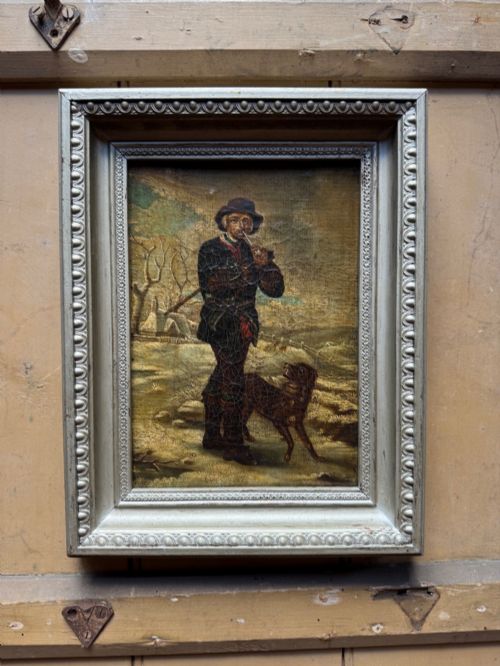
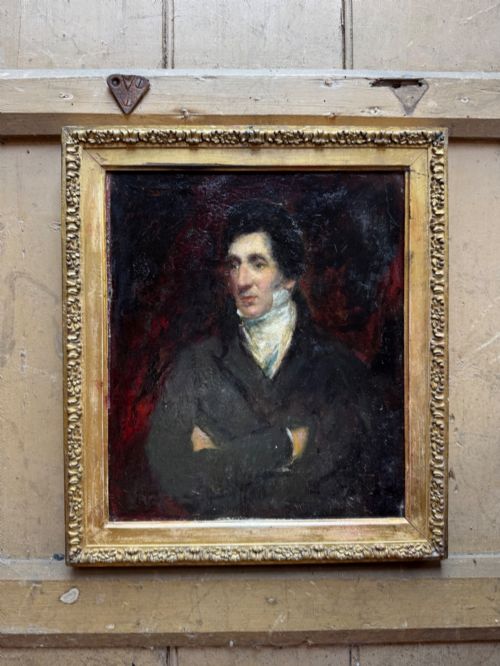
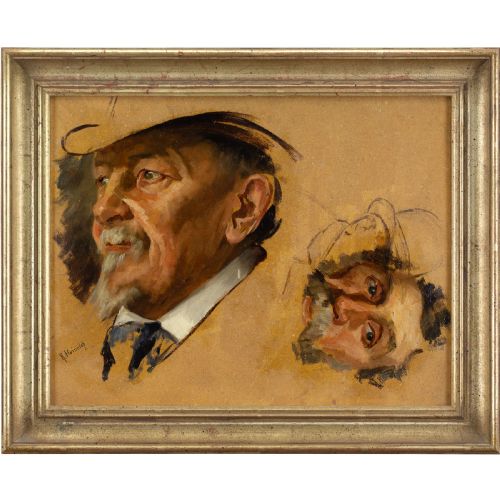
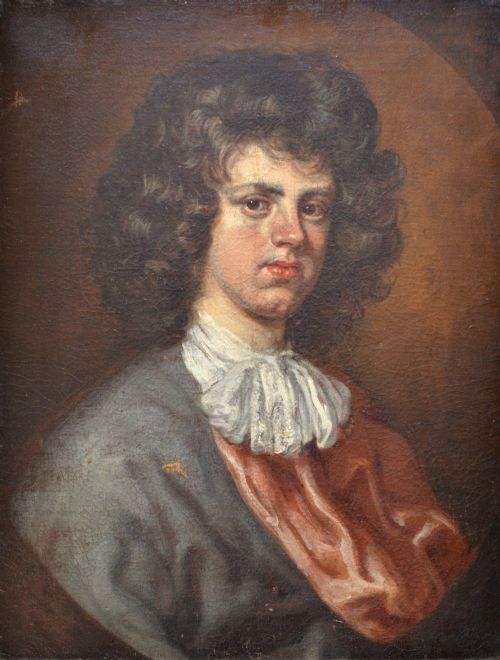
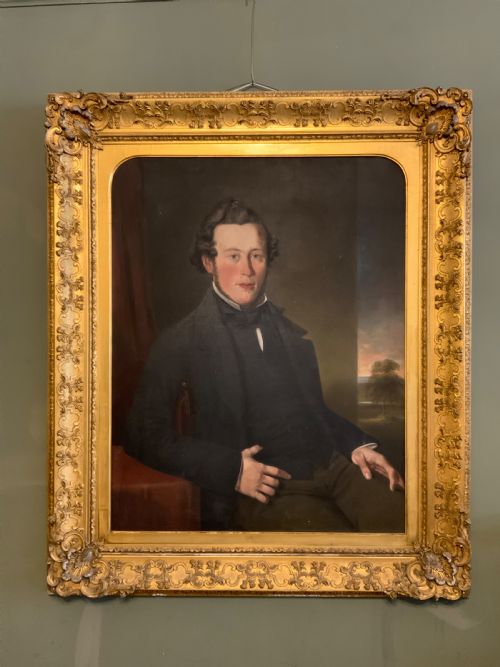
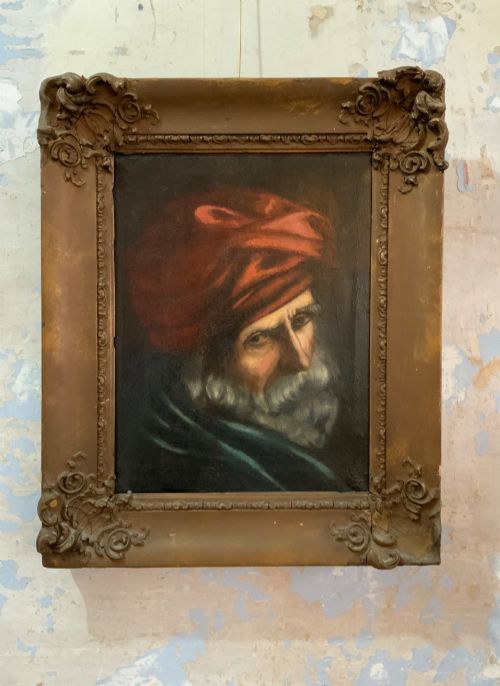
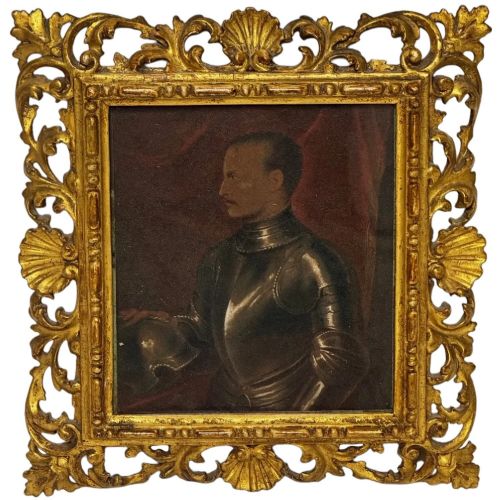
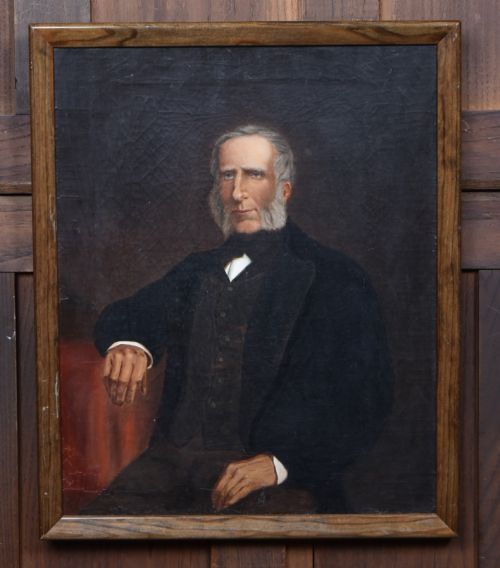
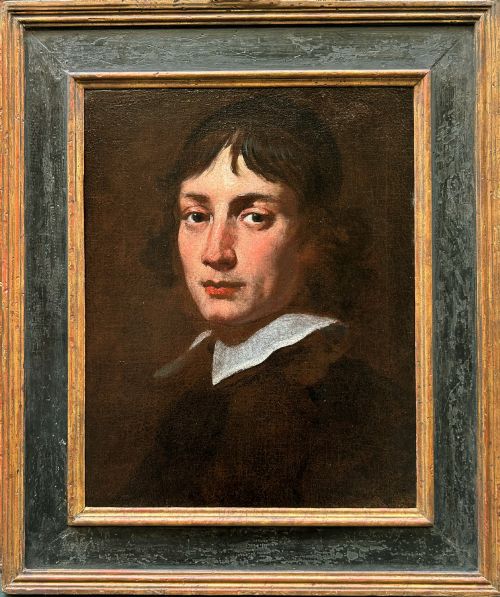
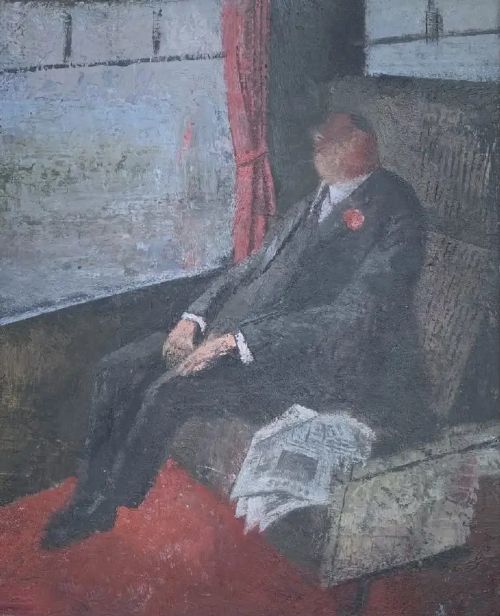
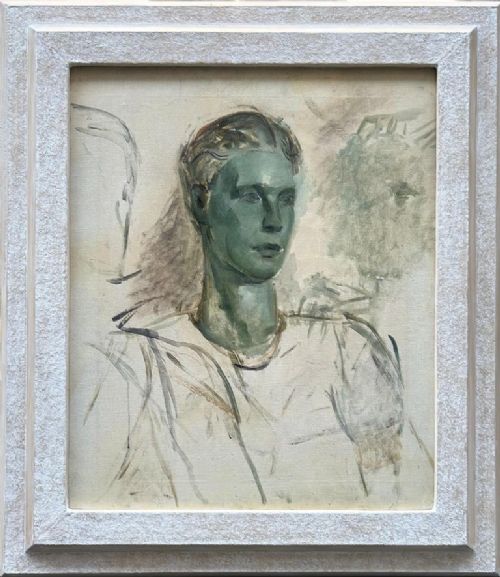
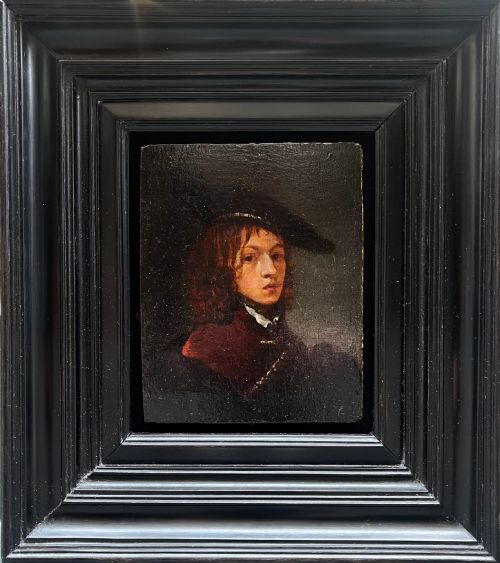
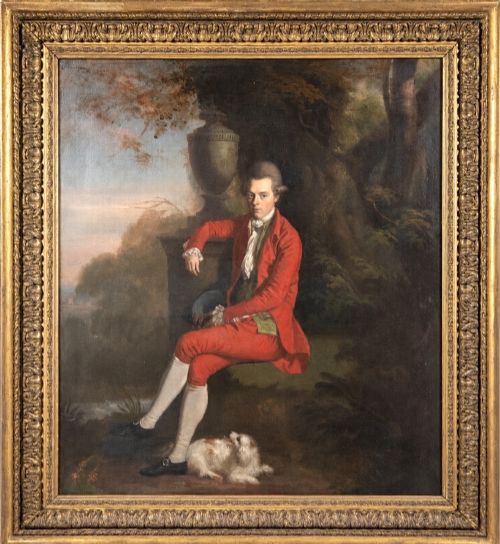
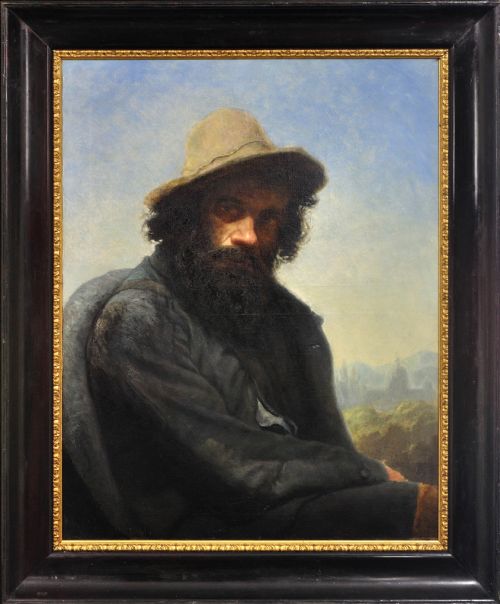
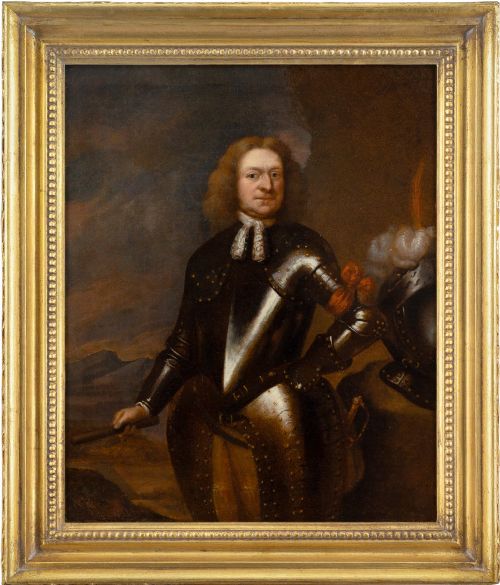
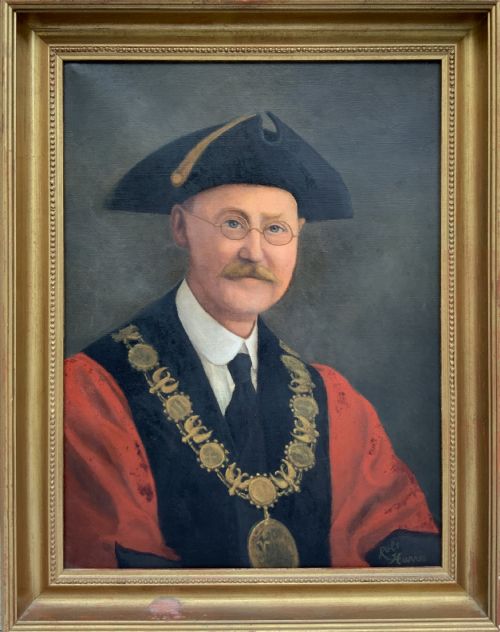
An oil portrait of man encompasses historical depictions ranging from seventeenth-century nobility in armour to mid-century character studies on canvas or panel. Buyers encounter works executed by continental schools, British practitioners, and named academic artists working in oil paint.
Examples span the Baroque era, the Georgian period, nineteenth-century realism, and twentieth-century modern movements, offering diverse interpretations of masculine identity.
How They Were Made
Artists built these works primarily using oil paint applied to stretched canvas or wooden panels, sometimes incorporating gold leaf detailing into the composition or framing. Pigments were manipulated to render subtle tones in flesh, fabric, and background shadows.
Supports varied according to the period, with early works frequently utilising robust wood panels before canvas became the dominant medium for subsequent centuries.
Listings feature works spanning from the seventeenth century to the mid-twentieth century, executed in oil on canvas and wood panel.
What Varies In Quality
The survival of the original support, the stability of the unlined canvas, and the authenticity of the period frame contribute significantly to the standing of an individual piece.
Mary Beale·Guillaume Courtois·Albin Mattenheimer·Philippus Vilain·Ferdinand Victor Leon Roybet·Frederick Goodall·Alfred Holst Tourrier·Bernd Funke·Frederick Christian Lund·Alan Ramsay·Thomas Beach
The Oil Portrait of Man Glossary
- Canvas
- A heavy woven fabric stretched across a wooden frame to serve as a support for oil painting. It became the standard base for portraits from the seventeenth century onward.
- Giltwood
- Wood carved and coated with gold leaf or gold paint to create ornate decorative frames. This material defined the presentation of formal art pieces.
- Panel
- A flat piece of wood used as a rigid support for early oil paintings before canvas gained widespread favour. Panels required careful preparation to prevent warping.
- Jabot
- A decorative ruffled or lace frill worn at the throat, frequently recorded in eighteenth-century portraiture to denote the refined status of the sitter.
Oil Portrait of Man: Frequently Asked Questions
How do I identify the sitter?
Inscriptions on the reverse of the canvas, accompanying archival labels, or distinctive heraldic elements often reveal the identity of the person portrayed.
Portrait subjects occasionally hold objects relating to their profession, such as maps, books, or scientific instruments, which provide vital clues to their historical identity.
What is an oil portrait of man?
This category comprises painted likenesses of male subjects executed in oil media across various historical art movements.
Works range from intimate informal studies to grand commissioned pieces reflecting the social standing of the individual.
Where should I hang a portrait?
These historical paintings require stable wall environments away from direct sunlight and excessive humidity to protect the oil pigments and wooden supports.
Displaying them at eye level in primary living spaces allows the viewer to appreciate the fine details of the brushwork and expression.
How do I date an antique portrait?
Clothing styles, hairstyles, and facial hair provide the most reliable indicators for establishing the approximate period of a painting.
Collar designs, neckwear such as cravats, and the cut of a doublet or coat change predictably across decades and centuries.