

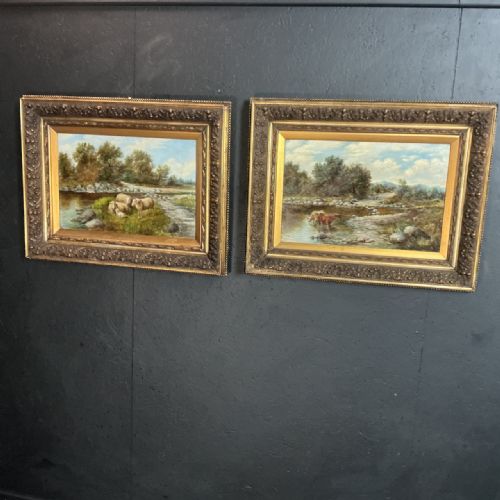
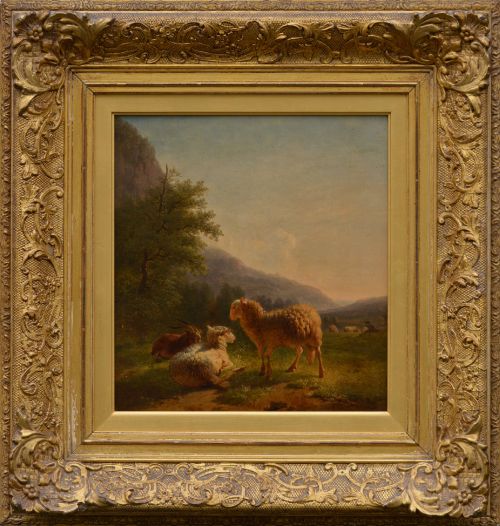

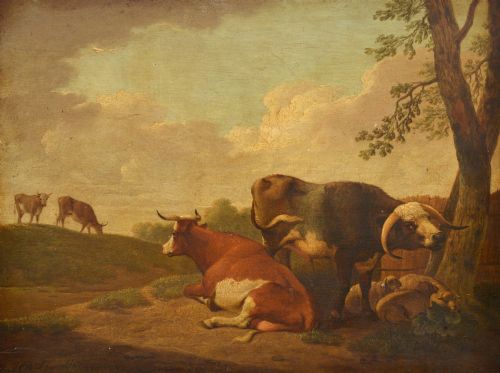
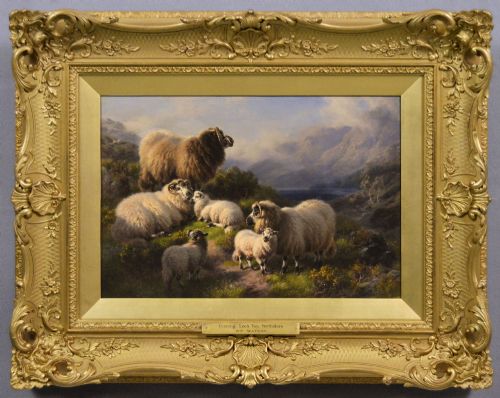
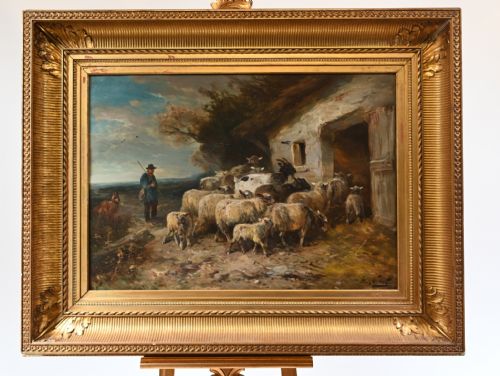

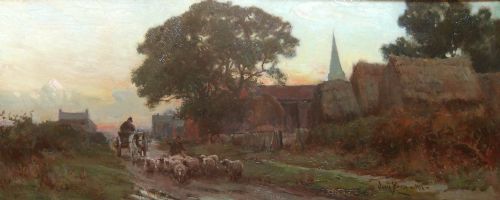


Oil Painting of Sheep
An oil painting of sheep captures rural tranquillity, pastoral warmth and historic farming scenes through enduring brushwork.
Oil Painting of Sheep
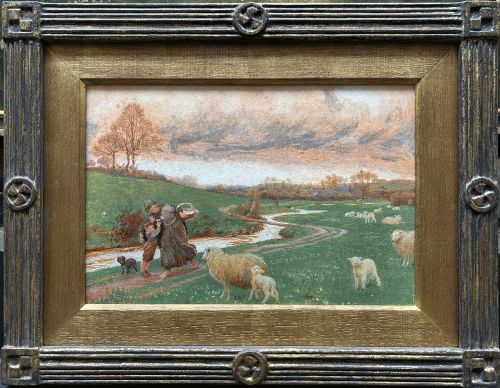
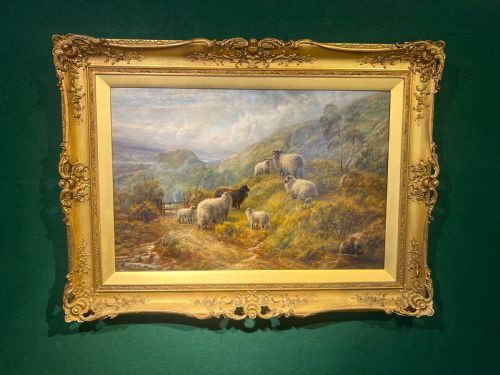
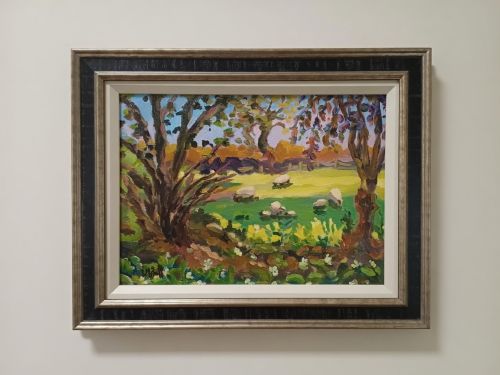
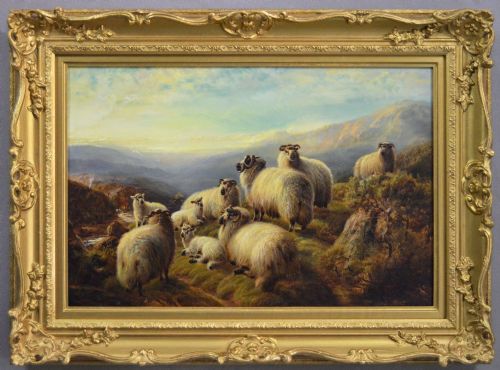
An oil painting of sheep depicts flocks, shepherds and rural landscapes across centuries of British and European art. Buyers encounter pastoral scenes predominantly from the nineteenth and early twentieth centuries, recorded on canvas or wood panel.
The compositions range from intimate animal studies to sweeping Highland vistas and farming landscapes. Victorian pastoral works and British Impressionist interpretations form the core of these artistic traditions.
How They Were Made
Artists applied oil paint to stretched canvas or prepared wood panels, building texture and depth through layered brushwork. Many works retain their original giltwood and gesso frames, which complement the traditional palette.
Pigments captured natural light across moorlands, pastures and farmsteads, while supportive grounds of wood or canvas preserved the integrity of the pastoral subject matter over generations.
Oil Painting of Sheep Retail Price Guide 2026
Typical asking prices for oil painting of sheep among the pieces listed under this phrase on Sellingantiques today, from the lower quarter to the upper quarter. They describe what is for sale here now, not the wider market.
Materials recorded in these listings include oil paint, canvas, wood, giltwood and gesso.
What Varies in Quality
Quality rests in the precision of animal anatomy, the natural handling of light and the atmospheric depth of the surrounding landscape. Master artists rendered wool, posture and expression with distinct individual character rather than formulaic repetition.
The harmony between the flock and the wider topography separates accomplished studio works from standard decorative productions. Strong compositions demonstrate confident brush control and a balanced distribution of light across the scene.
Eugène Verboeckhoven·Thomas Sidney Cooper·Robert Watson·Owen Bowen·Henry Schouten
The Oil Painting of Sheep Glossary
- Canvas
- A heavy woven fabric stretched across a wooden frame to serve as a foundation for oil painting. It provides a flexible yet durable surface that absorbs oil pigments effectively.
- Giltwood
- Timber carved and coated with gold leaf or a gold-coloured finish. This material is frequently found on traditional picture frames surrounding nineteenth-century artworks.
- Gesso
- A plaster-like mixture applied to wood panels or frames to create a smooth, stable base for gilding and painting. It ensures proper adhesion of subsequent decorative layers.
- Pastoral
- A genre of art that idealises rural life, featuring shepherds, flocks and unspoilt countryside. These scenes emphasise peaceful coexistence between humans, animals and nature.
Oil Painting of Sheep: Frequently Asked Questions
What periods do these paintings date from?
The available works span several centuries, with a strong concentration of pieces originating from the nineteenth and early twentieth centuries. Artists from the Victorian era and the subsequent decades produced numerous variations of pastoral and agricultural themes.
Examples also extend into mid-century interpretations and earlier European traditions, reflecting changing artistic approaches to rural landscape painting over time.
How should I display an oil painting?
Display these works away from direct sunlight and excessive moisture to protect the oil pigments and canvas integrity. Stable indoor temperatures prevent warping in both the canvas and any wooden or gesso frame.
Ensure the hanging wall provides adequate support, particularly for larger framed pieces, using appropriate fixings suited to the weight of the artwork.
Are these paintings signed by the artists?
Many pieces feature visible signatures, monograms or inscriptions left by the original painter. Signed works often provide clearer links to specific British and European schools or named practitioners.
Unsigned examples frequently originate from followers of established artists or represent unsigned works from recognised regional schools of the period.
What surfaces were used for these artworks?
Artists utilised stretched canvas and rigid wood panels as the primary supports for their oil paints. Canvas provided a textured grain suitable for larger compositions, while wood panels offered a smooth, stable ground for smaller studies.
Surfaces were often prepared with gesso or priming layers before the application of oil pigments to ensure long-term durability.