




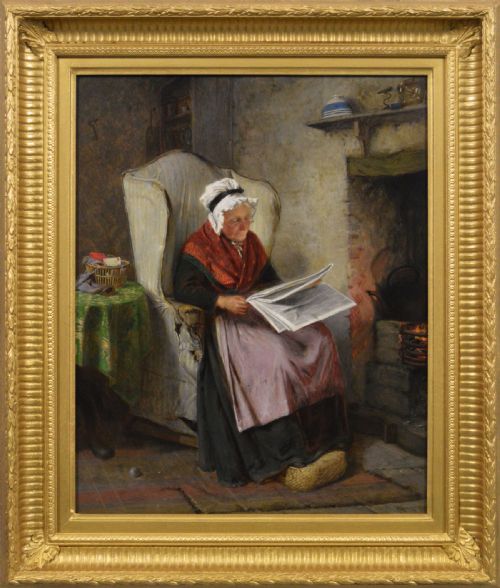


Oil Painting of King
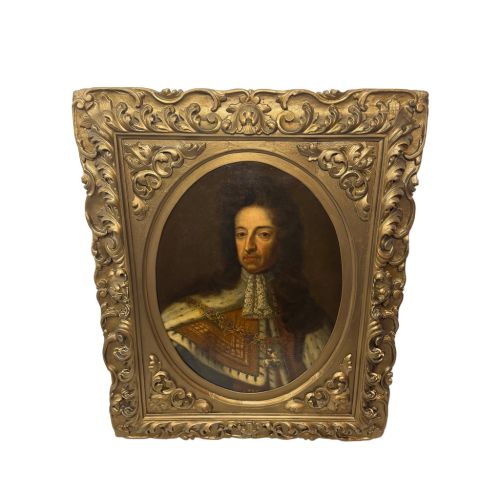
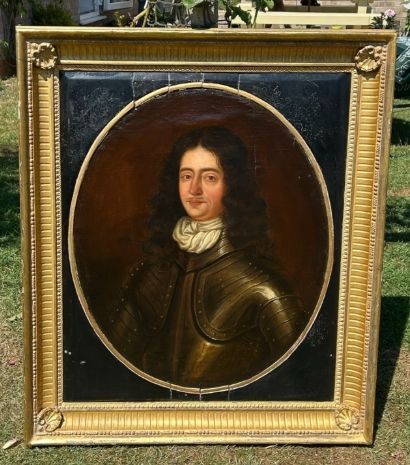
An oil painting of king figures brings centuries of regal presence and historic portraiture straight to the wall.
Oil Painting of King
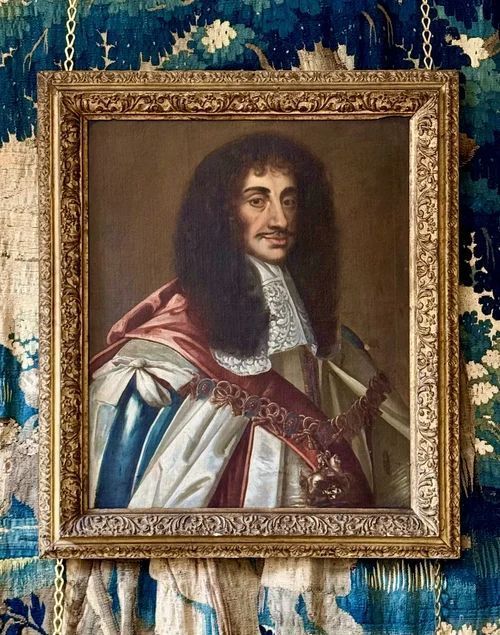
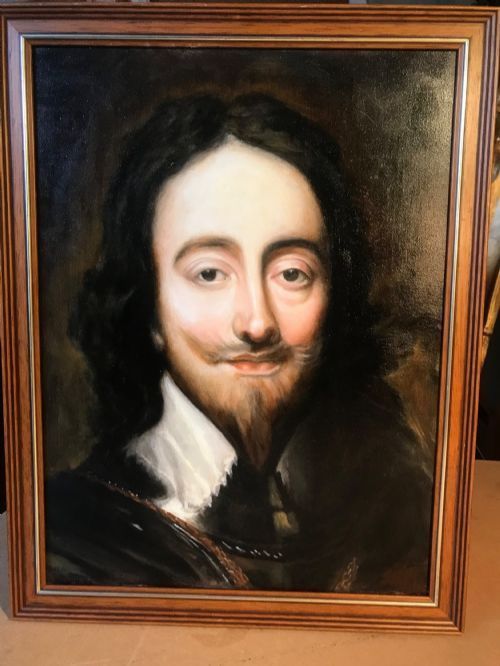
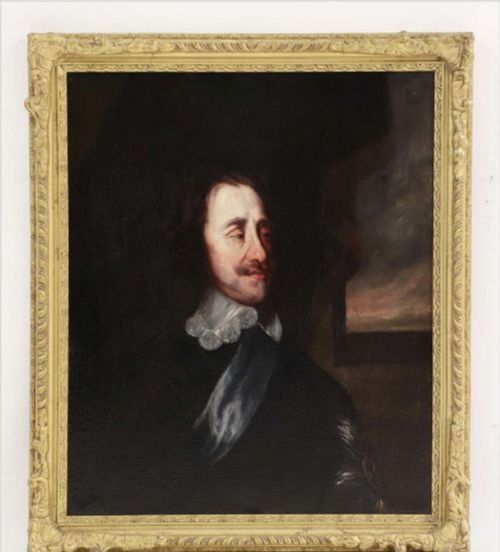
An oil painting of king examples encompasses historic royal portraits, dynastic likenesses, and commemorative depictions spanning from the Tudor era through the Stuart period and into the twentieth century. These works range from formal court commissions after master painters to provincial school interpretations and later commemorative canvases.
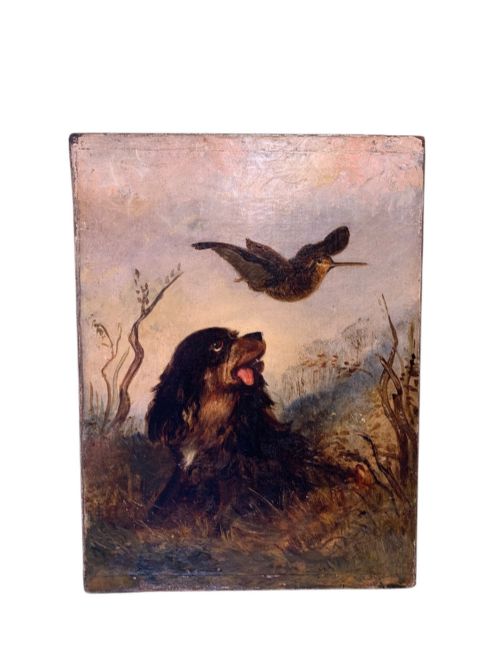
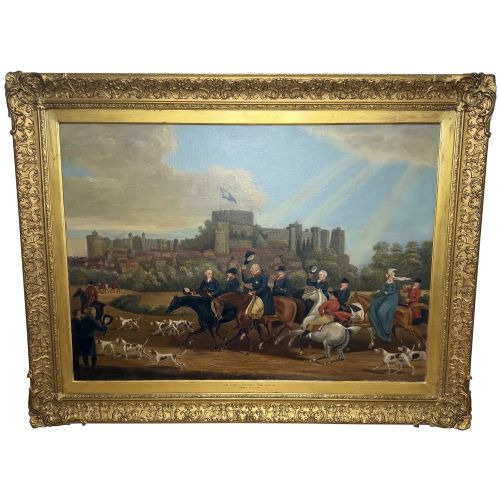
Buyers frequently encounter seventeenth-century depictions of monarchs such as Charles I and William III, alongside later nineteenth and twentieth-century tributes. The selections also feature genre scenes, sporting subjects, and royal animals sharing the search category.
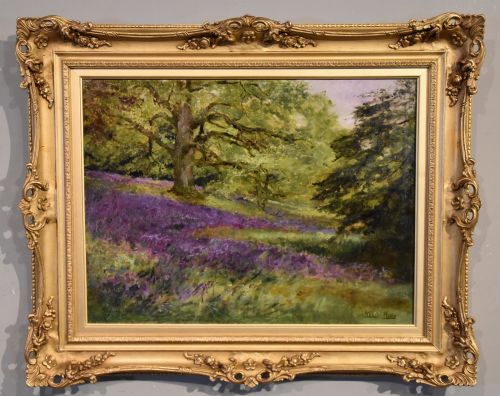
Represented styles stretch from strict Baroque and Victorian realism to British Impressionism and early twentieth-century framed commemorative works. Subjects extend across English, French, and Northern European schools of painting.
How They Were Made
The works rely primarily on oil paint applied to stretched canvas, occasional wood panels, or metal supports. Artists utilised layered pigments to build depth, flesh tones, and rich textile details for royal attire.
Listings feature oil on canvas and wood panel supports spanning from the seventeenth century through the modern era.
What Varies In Quality
The standard of execution depends on the directness of the hand, distinguishing studio-produced or circle-of works from later provincial copies. Finer canvases demonstrate superior handling of facial expression, fabric drape, and anatomical proportion.
The preservation of the pigment layer, the integrity of the original canvas support, and the presence of a matching period gilt frame heavily influence the standing of an individual piece.
Sir Anthony van Dyck·Sir Peter Lely·Henry Yeen King·Sir Godfrey Kneller·Kershaw Schofield·Sir Oswald Hornby Joseph Birley·Hans Holbein The Younger·John Riley·Frans Pourbus the Younger·Daniel Mytens
The Oil Painting of King Glossary
- Baroque
- An ornate European artistic style of the seventeenth and early eighteenth centuries characterised by drama, rich detail, and grand scale. This movement produced many formal court portraits.
- Circle of
- A designation indicating the work was produced by an artist closely associated with a master, working in their immediate milieu. It denotes period proximity rather than direct autograph creation.
- Giltwood
- Wood carved and coated with a thin layer of gold leaf or metallic powder. It provides the decorative border for many traditional painting frames.
- Provenance
- The documented history and lineage of ownership surrounding an artwork. This record establishes authenticity and tracks the passage of a piece through time.
- Studio of
- A term used when an artwork was executed by assistants or pupils working under the direct supervision of a named master. The production occurs within their active workspace.
Oil Painting of King: Frequently Asked Questions
What does after van dyck mean?
This phrase indicates that the painting is a later copy or interpretation of an original composition by the master artist. Such works were common in subsequent centuries for commemorative or decorative purposes.
These pieces capture the established royal iconography without claiming direct execution by the primary artist. They remain valued historical artefacts in their own right.
How should I care for an oil painting on canvas?
Keep the canvas away from direct sunlight, excessive heat sources, and damp environments to prevent pigment cracking and warping. Maintain stable indoor humidity levels.
Dust the surface gently with a soft, dry brush and avoid using liquid cleaners. Professional conservation is recommended for any deeper cleaning or structural repairs.
Are frames original to the paintings?
Some pieces retain their period giltwood or oak frames, often indicated by specific construction methods and matching age wear. Other works have been reframed over the centuries to suit changing tastes.
Examine the fit between the canvas and the rebate of the frame for signs of alignment. Presentation plaques on frames frequently record specific institutional histories.