



Oil Painting of Ceramics
An oil painting of ceramics captures the quiet beauty of glazed earthenware, porcelain, and glass rendered through pigments and canvas.
Oil Painting of Ceramics
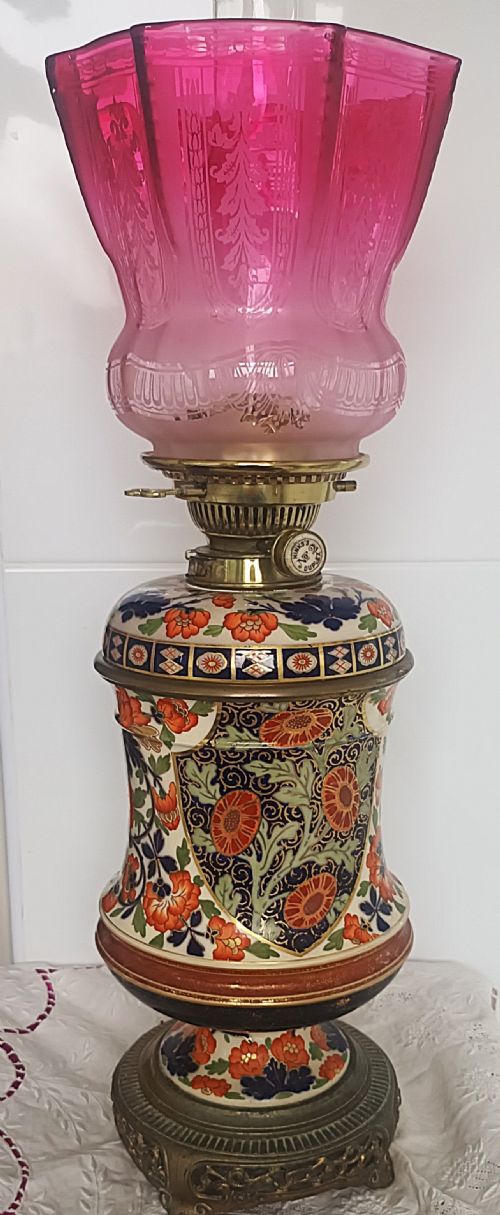
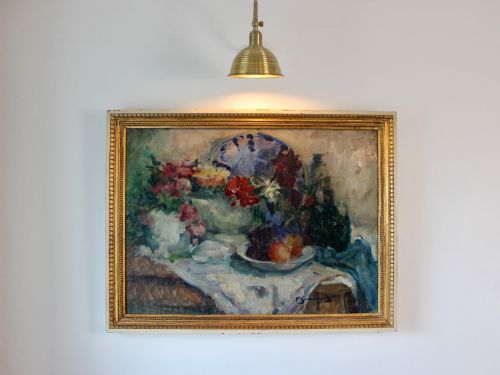
When you search for an oil painting of ceramics, you encounter artworks depicting vessels, jugs, and still life arrangements alongside physical ceramic objects and lamps.
The selections span from the eighteenth century through the mid-twentieth century, encompassing Dutch still life styles, Victorian works, and mid-century European studies.
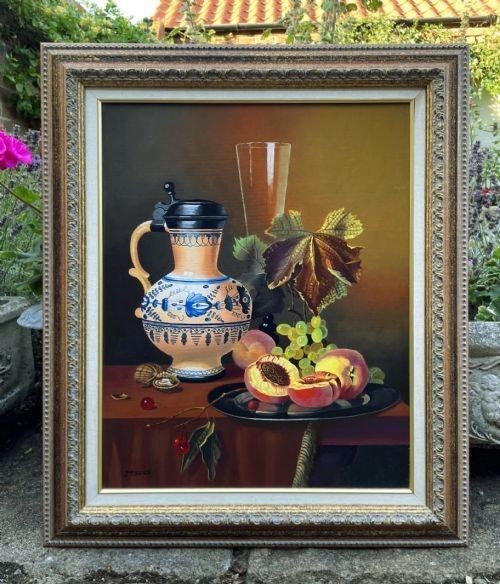
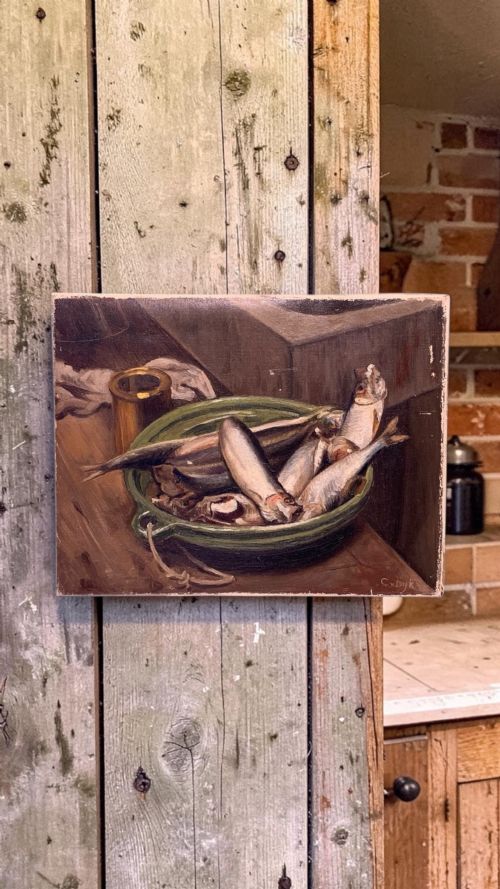
Canvases and porcelain panels display everyday subjects like fruit, flowers, and fish alongside decorative earthenware and faience.
Materials and methods
Artists applied oil paint to stretched canvas, wood, and porcelain panels, building up rich textures to render the reflective surfaces of glazed pottery and glass.
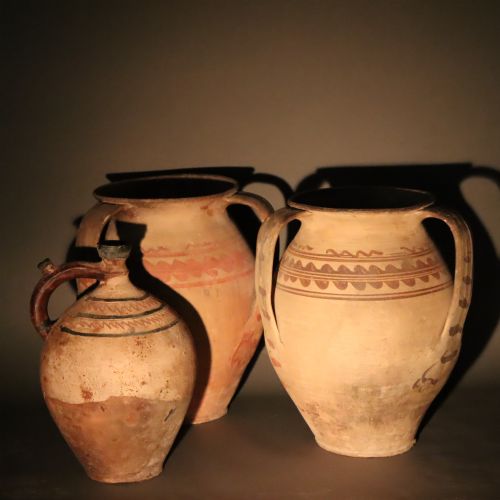
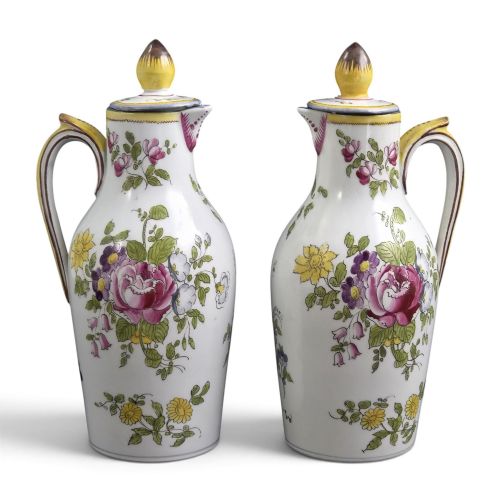
Makers shaped earthenware and terracotta into amphorae, jugs, and jars, sometimes employing tin-glazed polychrome finishes or mounting faience on bronze.
Oil Painting of Ceramics Retail Price Guide 2026
Typical asking prices for oil painting of ceramics among the pieces listed under this phrase on Sellingantiques today, from the lower quarter to the upper quarter. They describe what is for sale here now, not the wider market.
Perky Persian kittens and red poppies share domestic space with glazed jugs, proving artists painted whatever refused to run away.
Distinctions in quality
The distinction between ordinary and exceptional works lies in the handling of light on curved ceramic surfaces and the natural rendering of floral or domestic subjects.
Artisanal execution in the underlying pottery, from delicate faience painting to robust terracotta forming, elevates the physical vessels and lamps.
Victor Simonin·Agnes Augusta Talboys·Owen Bowen·Freda Marston·Elizabeth T. Sutcliffe·William Rayworth·Katherine Bourne·Louisa Mary Bancroft
The Oil Painting of Ceramics Glossary
- Faience
- Tin-glazed earthenware produced in Europe, notable for its smooth, opaque white glaze that accepts colourful painted decoration. This technique appears on eighteenth-century jugs and nineteenth-century lamp bases.
- Still life
- An artwork depicting inanimate subject matter, typically commonplace objects such as fruit, flowers, or vessels. These compositions dominate the painted works in this category.
- Terracotta
- Unglazed or glazed fired clay of a brownish-red colour, utilised for large jars and amphora vessels. It provides a robust body for decorative surface painting.
- Porcelain
- A hard, fine-grained ceramic material fired at high temperatures, offering a smooth white surface suitable for detailed miniature paintings in oil.
Oil Painting of Ceramics: Frequently Asked Questions
What periods do these paintings date from?
The works span multiple centuries, ranging from eighteenth-century faience pieces and nineteenth-century Victorian creations to twentieth-century mid-century European studies.
Each era brings distinct aesthetic approaches, from formal still life compositions to rustic European folk expressions.
Where should I display an oil painting?
These artworks suit dining rooms, kitchens, or living spaces where their domestic subjects - such as fruit, flowers, and jugs - complement the room.
Keep them away from direct sunlight and excessive moisture to protect the oil paint and canvas over time.
How do I identify a porcelain panel painting?
Painters occasionally utilised rigid porcelain plaques as a smooth base for oil pigments instead of woven canvas or wood.
This substrate preserves fine brushwork and offers a luminous background that enhances the depiction of botanical subjects and portraits.