




Oil Painting Cattle River
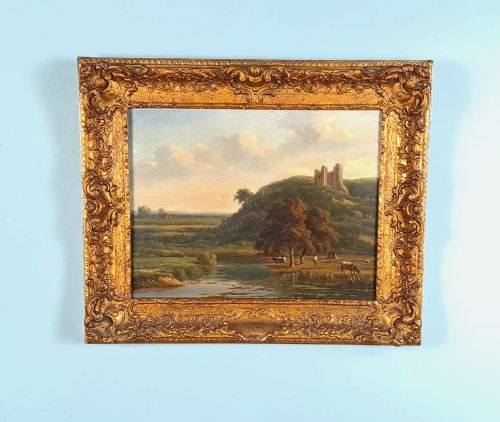
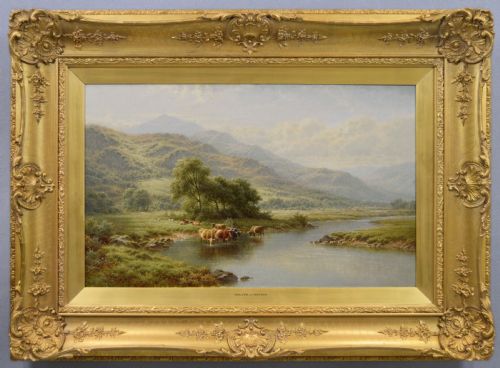
When you search for an oil painting cattle river, you find pastoral scenes of livestock by water, mostly painted during the nineteenth and early twentieth centuries.
Oil Painting Cattle River
An oil painting cattle river depicts rural landscapes where herds graze or drink beside waterways, capturing a quiet rural idyll. These works range from intimate English stream scenes to dramatic Welsh and Scottish mountain river views.
Most pieces on this page originate from the nineteenth century through the early twentieth century. They encompass Victorian pastoral styles, English school traditions, and realist depictions of farm animals in natural settings.
Materials and Technique
Artists painted primarily with oil pigments onto stretched canvas, wooden panels, board, and occasionally milk glass. Canvas allowed for larger compositions, whilst board and wood panels suited smaller, direct studies.
Listings feature works spanning the nineteenth century up to nineteen-twenty, executed in oil on canvas, board, and milk glass.
Evaluating Quality
Quality rests in the handling of light, brushwork, and the anatomical accuracy of the cattle and surrounding landscape. Finer examples display confident tonal transitions and convincing atmospheric depth rather than stiff repetition.
The integration of the original frame contributes significantly to the overall integrity of the piece. Frames featuring intricate, hand-moulded gesso ornamentation elevate the presentation of the canvas within.
Sidney Richard Percy·Thomas Sidney Cooper·Alfred de Breanski·William Sidney Cooper·Thomas Baker of Leamington
The Oil Painting Cattle River Glossary
- Oil on Canvas
- Pigment bound in drying oil applied to woven fabric stretched across a wooden frame. This primary support material gives flexibility and longevity to the painted surface.
- Giltwood
- Wood carved and covered with a thin layer of gold leaf or metal leaf. This decorative finish provides a brilliant border that isolates the painting from the room.
- Gesso
- A paint mixture consisting of a neutral binder mixed with chalk, gypsum, or pigment. It served as a smooth preparation layer on frames before gilding.
- Pastoral Style
- An artistic genre depicting the idealized rural life of shepherds, drovers, and cattle. These compositions emphasise harmony between livestock and their natural river environments.
- English School
- A classification for artists working within Britain, sharing stylistic approaches and regional scenery. It covers generations of landscape painters recording the British countryside.
Oil Painting Cattle River: Frequently Asked Questions
How do I date an oil painting cattle river?
Dating relies on stylistic clues, framing techniques, and signatures or inscriptions left on the stretcher bars or canvas reverse. Victorian and Edwardian works often show specific clothing styles for any figures present, alongside distinct approaches to landscape brushwork.
Material choices also guide dating, as nineteenth-century canvases and board supports differ noticeably from later twentieth-century counterparts. Comparing the style to known regional artists provides further chronological context.
Where should I hang a river cattle painting?
These pastoral landscapes suit traditional reception rooms, studies, or dining spaces where natural wood furniture and classic interiors complement the subject matter. Placing them away from direct sunlight protects the oil pigments and the gilded frame surfaces.
Consider eye-level placement to appreciate the brushwork and the detail of the cattle and riverbanks. Matching the scale of the painting to the wall space ensures the ornate frame sits comfortably in the room.
What subjects typically appear alongside the cattle?
Compositions frequently incorporate drovers, herdsmen, figures crossing bridges, or local wildlife such as ducks and sheep. These elements introduce narrative depth and scale to the river landscape.
Architectural details like stone bridges, mills, or distant abbey ruins also appear in regional British scenes. Each addition anchors the cattle within a specific geographical setting, from Yorkshire to North Wales.
How do I care for an antique oil painting?
Maintenance involves keeping the canvas in stable environmental conditions with minimal humidity and temperature fluctuations. Dusting should be done gently with a soft, dry brush, avoiding any moisture or cleaning solutions on the paint surface.
Inspect the back of the canvas or board periodically to ensure the wedges and stretcher bars remain secure. Professional conservation should be sought if canvas sagging or paint cracking becomes apparent.