






Oil on Canvas Saint
An oil on canvas saint portrays a revered figure through layered pigments and textile supports, bringing centuries of devotional history into domestic spaces.
Oil on Canvas Saint
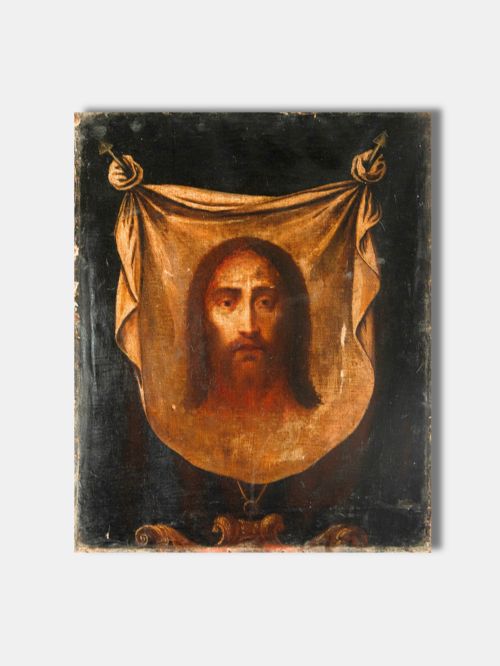
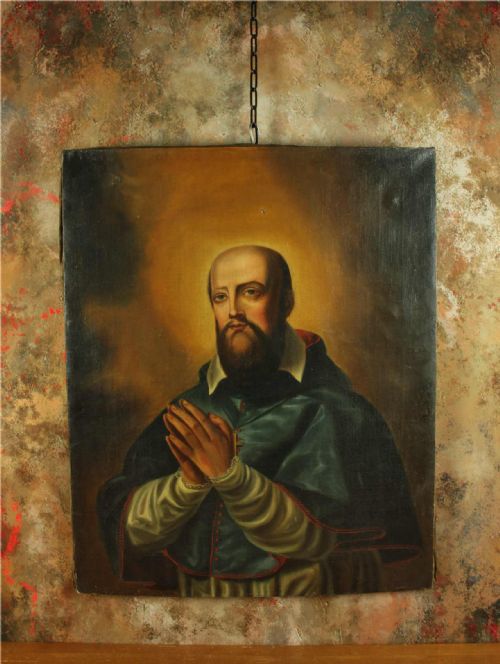
When you search for an oil on canvas saint, you encounter historic depictions of biblical figures, martyrs, and holy men or women rendered in paint. These works range from intimate devotional panels to monumental altar studies originating from European workshops.
The selections available lean heavily toward seventeenth- and eighteenth-century Italian and Spanish regional schools. You also meet nineteenth-century interpretations and occasional portraits where sitters adopt the iconography of specific saints.
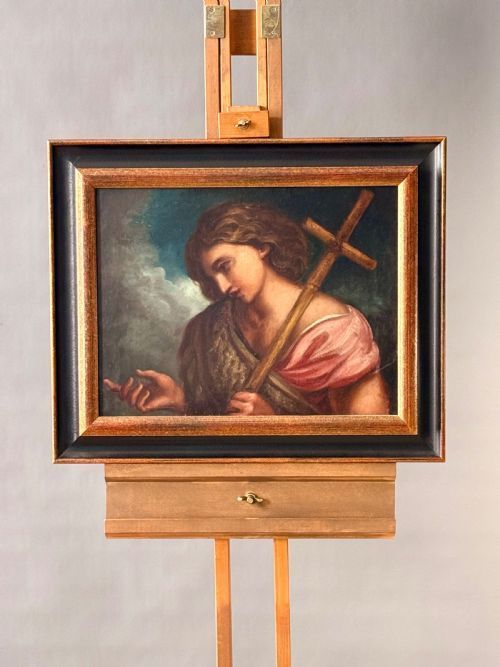
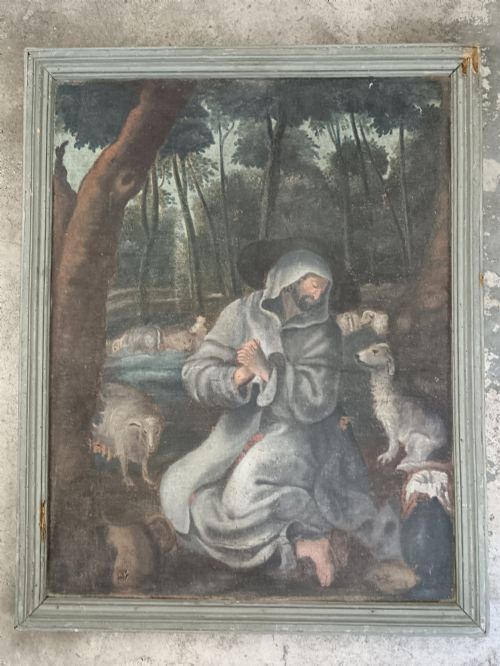
Subjects frequently include Saint John the Baptist, Saint Francis, and the Holy Family, often created in the manner of established masters or reproduced after Renaissance compositions.
Canvas, oil paint, and gilded framing
Painters built these works using woven linen or hemp canvas stretched across wooden frames, applying ground layers before working with slow-drying oil paint. This medium allowed artists to achieve subtle tonal gradations, luminous flesh tones, and rich drapery colours.
Many surviving examples retain their period or later wooden frames, frequently finished in giltwood that enhances the devotional focus of the central composition.
A saintly canvas might even share space with a shipwrecked Saint Bernard dog braving New York waters.
Brushwork, anatomical accuracy, and regional execution
Evidence of pentimenti - where the artist altered composition lines during painting - often signals an original creative process rather than a mechanical reproduction, elevating the artistic interest of the piece.
Francesco Solimena Workshop·Gaspar de Figueroa·Frederick Tully Lott·Sir Godfrey Kneller·Pierre Mignard
The Oil on Canvas Saint Glossary
- Pentimento
- An alteration in a painting evidenced by visible traces of previous brushstrokes, showing where the artist changed their mind during composition.
- Giltwood
- Wood carved and coated with gold leaf or gold powder, commonly used to frame religious and portrait canvases.
- Iconography
- The traditional imagery and symbolic motifs associated with a subject, such as the lamb accompanying Saint John the Baptist.
- School
- A group of artists working in a particular style, region, or period, often following the traditions of a master.
Oil on Canvas Saint: Frequently Asked Questions
What is an oil on canvas saint?
These works are historic devotional paintings depicting holy figures, created using oil pigments on woven textile supports. They served private prayer, institutional worship, and domestic contemplation across European Catholic regions.
You typically encounter pieces spanning the seventeenth and eighteenth centuries, reflecting Baroque stylistic developments and regional painting traditions from Italy, Spain, and France.
How were these paintings displayed?
Historic religious paintings were housed in churches, private chapels, and domestic antechambers to inspire spiritual reflection and demonstrate piety. They were set within prominent wooden frames that often matched the architectural scale of the room.
In modern settings, collectors hang them on neutral walls where natural light can illuminate the rich oil glazes and metallic elements of the frame without causing pigment degradation.
How do I identify the saint depicted?
Identification relies on specific visual symbols and attributes associated with each figure in Christian tradition. For instance, Saint John the Baptist wears camel hair and holds a staff, while Saint Francis displays stigmata.
Inscriptions, painted titles, or historical records accompanying the canvas often confirm the exact identity when traditional iconography remains ambiguous.
How do I distinguish regional schools?
Regional schools reveal themselves through palette choices, lighting techniques, and emotional intensity. Spanish works frequently employ dramatic chiaroscuro and austere piety, whereas Italian canvases favour theatrical composition and warm colour harmonies.
Brush handling and the treatment of background architecture also provide clues to whether a piece originated in Madrid, Naples, or provincial France.