


Oil Canvas Maritime Artwork
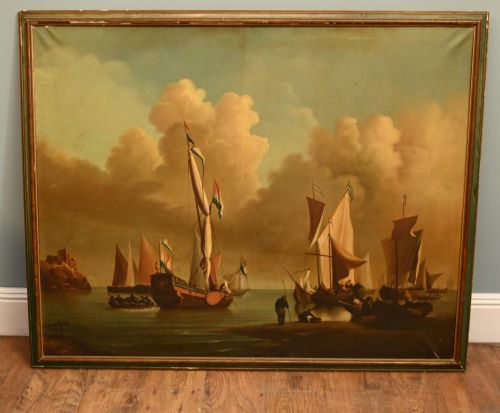
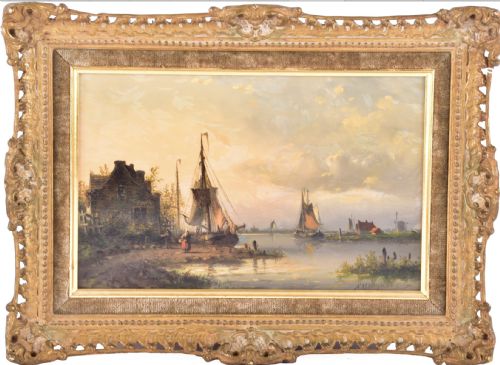
Oil canvas maritime artwork captures centuries of seafaring history, coastal views, and naval battles through rich painted textures.
Oil Canvas Maritime Artwork
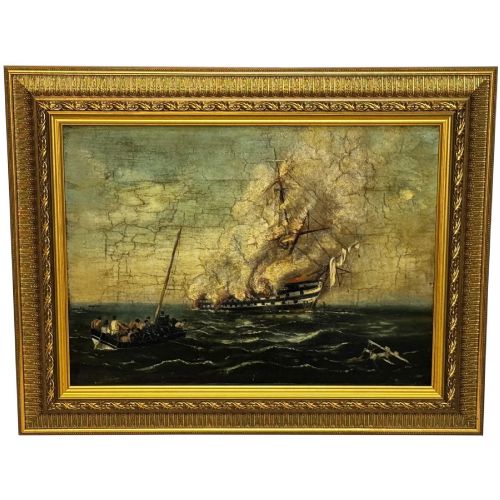
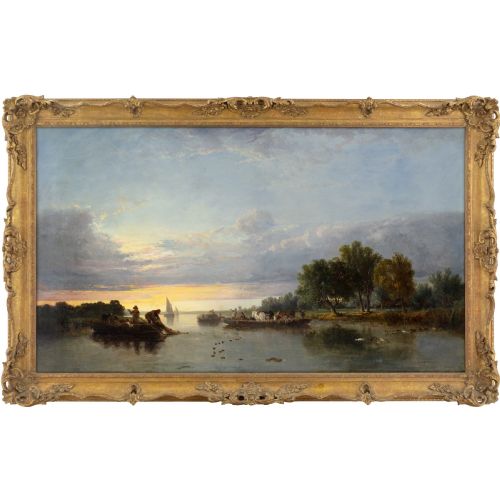
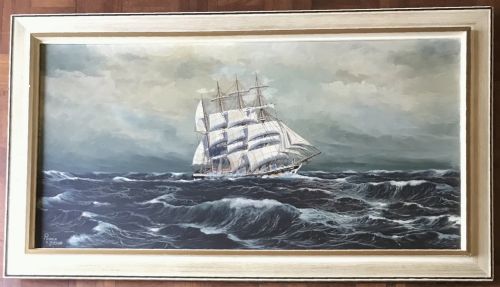
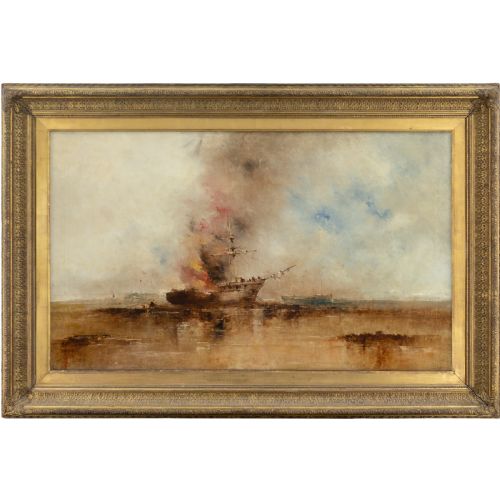
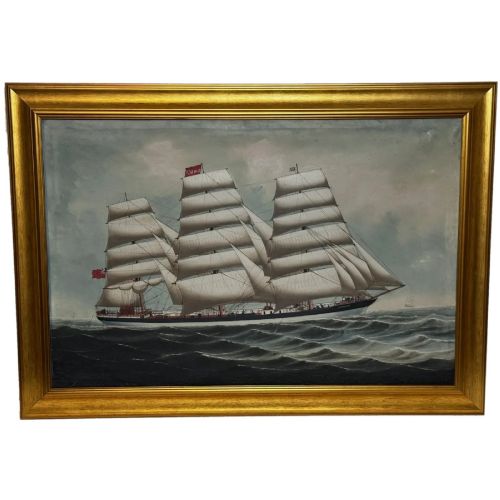
When you search for oil canvas maritime artwork, you encounter historical depictions of ships, coastal harbours, and turbulent seas rendered in oil paint. The pieces available here span from early works through to mid-20th-century creations, capturing everything from quiet river scenes on the Thames to dramatic shipwrecks in heavy gales.
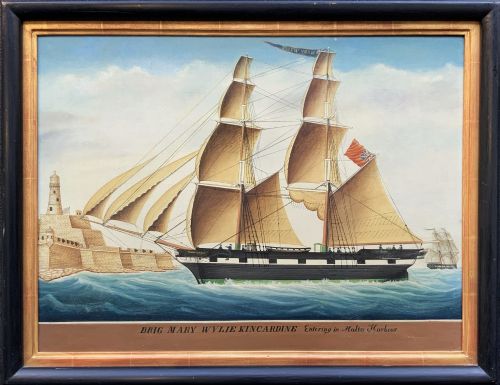
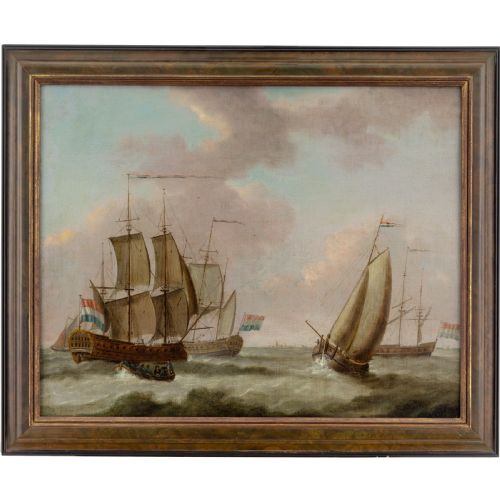
You will frequently meet 19th-century canvases depicting British and European shipping, alongside Victorian marine art and Edwardian coastal views. These paintings record specific vessels, merchant ships, and naval engagements, often framed in period giltwood.
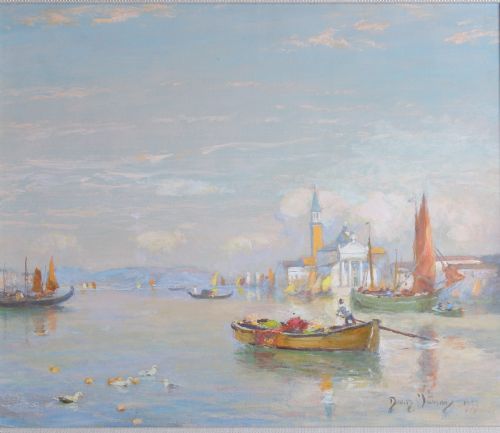
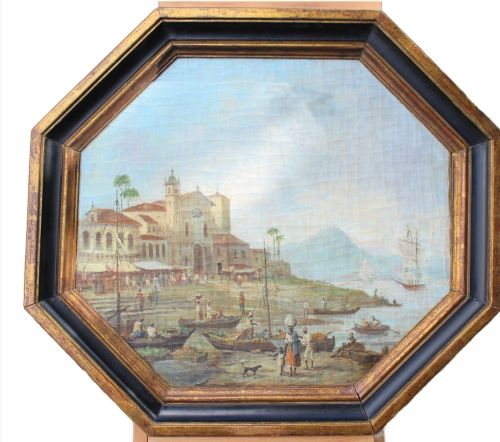
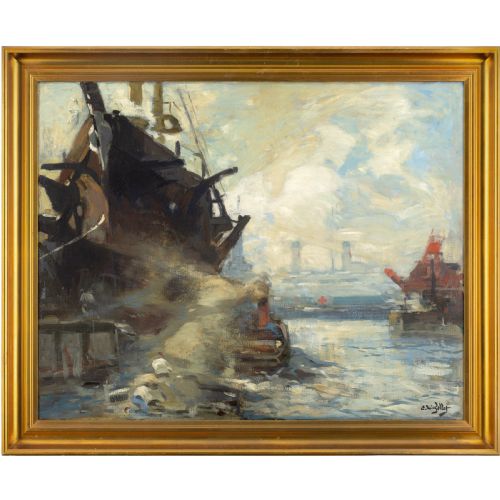
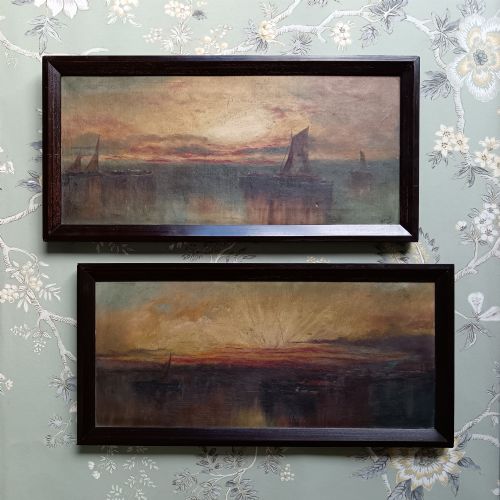
The subjects range from tranquil Venetian canals and calm sunset water views to gritty depictions of dockside unloading and wartime hospital ships. Each piece offers a window into maritime heritage, executed with varying degrees of academic precision or impressionistic brushwork.
How they were made
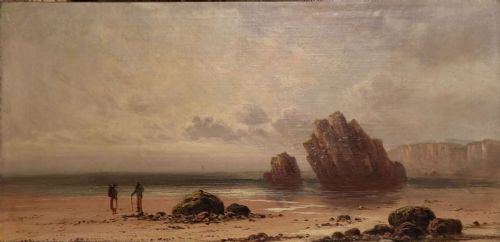
These works are painted using oil pigments applied to stretched canvas or wooden boards, utilising the slow-drying nature of oil to build depth, luminosity, and realistic water reflections. Artists built up the surface using traditional brush techniques, and occasionally thick impasto layers to give texture to crashing waves and rocky shorelines.
Frames play a crucial role in the presentation of these works, with many historical pieces housed in ornate giltwood frames that complement the warm tones of the oil paint. The ground materials consist primarily of durable woven canvas supported by wooden stretchers, ensuring the structural survival of the artwork across generations.
Listings feature oil paintings on canvas and wood, spanning periods from the 17th century through to the mid-20th century, created by various British and European schools.
What varies in quality
Quality in these maritime paintings rests upon the artist's command of light, atmosphere, and maritime architecture, where accurate rigging and hull construction distinguish professional marine painters from amateur recorders. Superior examples demonstrate a confident handling of turbulent water and shifting coastal light, rather than stiff, formulaic representations of vessels.
The integrity of the canvas and the preservation of the original oil pigment also dictate the standing of a piece, alongside the presence of a skilled hand in the brushwork. Works that capture genuine movement and atmospheric tension achieve a much higher level of artistic success than static topographical records.
Eugène-Louis Gillot·William McAlpine·Reginald Arthur Borstel·Bernard Gribble·Bonaventura Peeters·Peter Brannan·Francis Moltino·Paul Bret·Bernard Benedict Hemy·Thomas Creswick·Willem Bos·John Wilson Carmichael·Abraham Cooper·Thomas Hodgson Liddell·Richard B. Spencer
The Oil Canvas Maritime Artwork Glossary
- Impasto
- Paint applied thickly to a canvas, standing out in relief from the plane and giving tangible texture to elements like churning sea foam or stormy clouds.
- Giltwood
- Wood carved and covered with a thin layer of gold leaf, commonly found on the traditional antique frames enclosing these marine paintings.
- Barque
- A sailing ship with three or more masts, frequently depicted in 19th-century maritime art navigating heavy seas or entering port.
- Provenance
- The documented history of a painting's ownership and origin, which helps verify the attribution to specific Victorian or Edwardian artists.
Oil Canvas Maritime Artwork: Frequently Asked Questions
How do I identify a 19th-century maritime painting?
Nineteenth-century marine works usually feature traditional sailing vessels like barques and three-masted schooners rendered with meticulous attention to nautical rigging. Examining the canvas preparation, stretcher frames, and artist signatures often provides clear clues to the period.
Many pieces from this era also exhibit characteristic Victorian or Edwardian framing styles, using heavy giltwood that matches the aesthetic of the period.
What subjects are common in maritime art?
Common subjects include merchant ships navigating rough seas, naval engagements, bustling harbour scenes, and quiet coastal landscapes. Artists frequently documented specific historical events, such as troop transports heading to the Crimea or famous ships off the coast.
River views featuring bridges and urban shipping traffic along waterways like the Thames also appear regularly in these collections.
How should I care for an oil painting on canvas?
Keep oil paintings away from direct sunlight and dramatic fluctuations in temperature and humidity to prevent the canvas from sagging and the paint from cracking. Dust the surface very gently with a soft, dry brush, avoiding any moisture or chemical cleaners.
Ensure the painting hangs securely on a stable wall where it is protected from accidental bumps and environmental pollutants.
What is the difference between marine art and landscape art?
Marine art focuses specifically on the sea, ships, beaches, and shorelines, requiring the artist to possess a deep understanding of nautical architecture and maritime weather. Landscape art encompasses a broader range of inland terrestrial scenery, from forests to agricultural fields.
While marine paintings often include land, their primary subject remains the water and the vessels that navigate it.