



Oil Canvas Landscape Art
Oil canvas landscape art captures open country, coastal views and rural scenes across centuries of painting tradition.
Oil Canvas Landscape Art
Oil canvas landscape art encompasses centuries of painted rural views, coastal scenes and pastoral settings rendered in oil paint. These works span from seventeenth-century European traditions to twentieth-century British and French modernist interpretations.
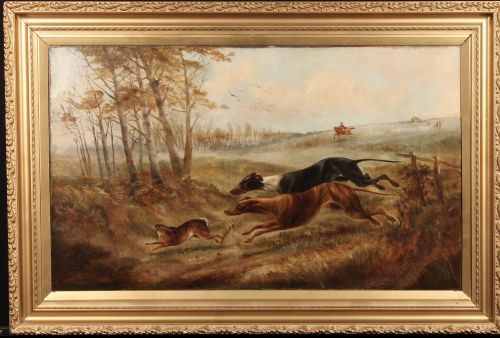
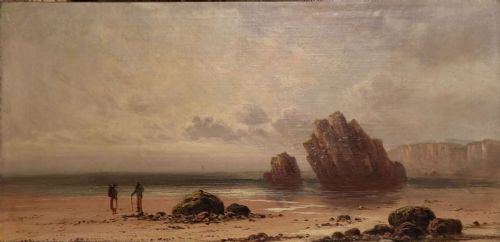
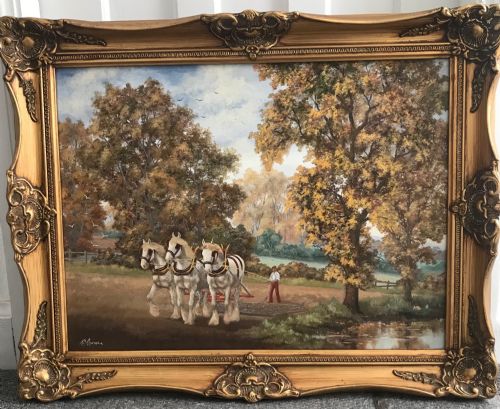
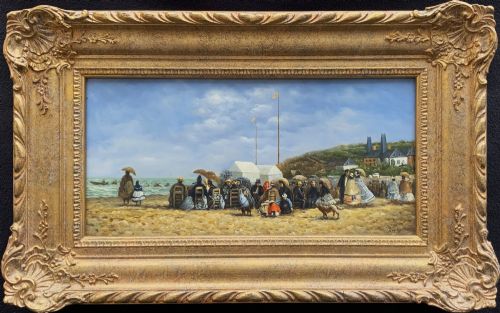
The selections on this page feature coastal shores, woodland paths, river estates and mountainous expanses executed by named artists and regional schools. Buyers encounter nineteenth-century Realism, Victorian narratives, Post-Impressionist strokes and Barbizon-inspired farmyards.
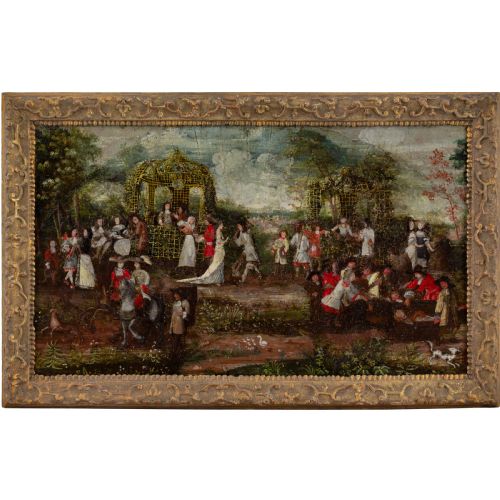
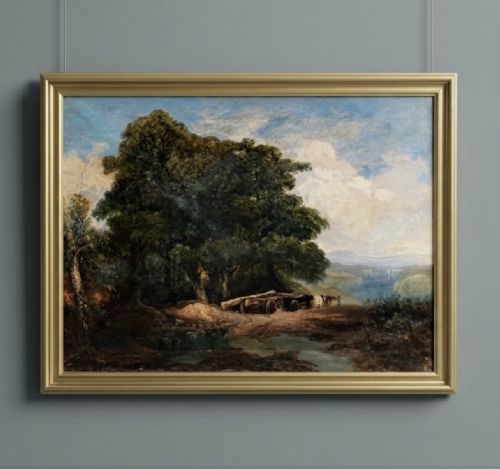
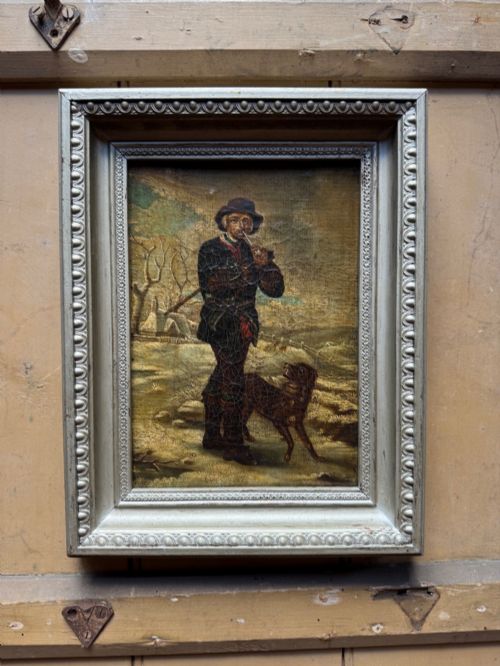
Framed canvases dominate the offerings, occasionally accompanied by works on board or fan leaves. Works frequently integrate figures, livestock or architectural ruins within expansive natural backdrops.
How They Were Made
Artists applied oil paint using brushes and palette knives onto stretched canvas or wooden panels, sometimes building thick impasto textures or smooth glazes. Canvas provided a flexible, durable foundation that held pigment across decades of environmental shifts.
Frames historically utilised carved wood, gesso and giltwood to complement the visual depth of the painted scenery. Guilds and makers constructed these surrounds to protect the perimeter of the canvas while enhancing the presentation of the artwork.
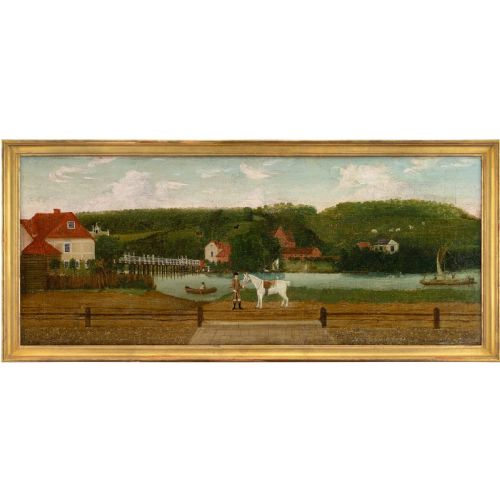
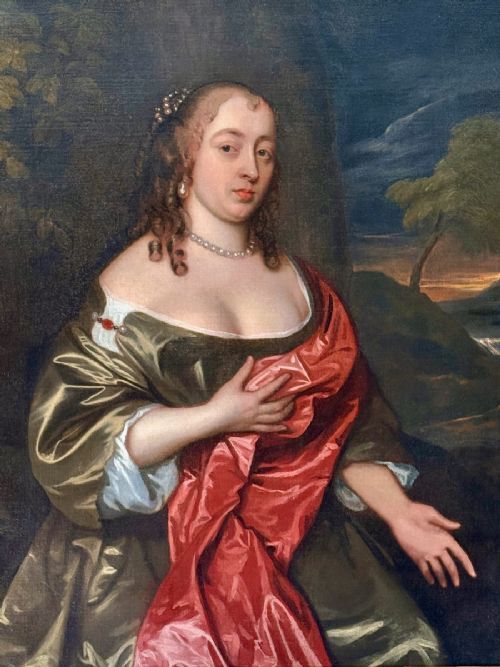
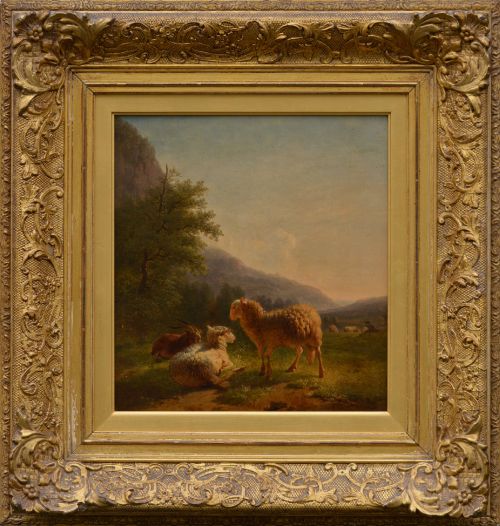
Gentlemen pose with horses by riverside estates while sheep and goats quietly graze beneath centuries of European skies.
What Varies in Quality
The sophistication of brushwork and the handling of natural light distinguish exceptional paintings from standard decorative examples. Masterful depictions capture atmospheric depth, tonal nuance and convincing spatial relationships within the landscape.
The integrity of the original canvas, the stability of the oil pigment layer and the preservation of period framing contribute significantly to a piece's artistic standing. Works demonstrating distinct compositional energy by established regional schools or named painters command greater attention.
Kenneth Cozens·Eugène Verboeckhoven·Richard Sebastian Bond·William Beattie-Brown·William H Myers·Clifford Hanney·Frederick Marriott·Arthur Wardle·Angelo Maria Crivelli·John Horace Hooper·Reginald Arthur Borstel·Hendrik Willem Schweickhardt·Alfred Fontville de Breanski Jr·George Houston·Herbert Royle·Robert Morson Hughes·Thomas Barker of Bath·Thomas W Lascelles·James Kay·Augusto Alberici
The Oil Canvas Landscape Art Glossary
- Impasto
- Paint applied thickly to a canvas, standing out from the surface so that texture and brush marks remain visible. This technique adds tactile dimension and captures light dynamically across the landscape.
- Giltwood
- Wood that has been covered with a thin layer of gold leaf or gilt paint. Antique frames frequently utilise this material to provide an ornate and reflective border.
- Gesso
- A paint mixture consisting of a neutral binder mixed with chalk, gypsum, or pigment. It served as a prepared surface layer on wooden panels and frames before gilding or painting.
- Barbizon School
- A French art movement forming part of an art trend toward realism in landscape painting. Painters in this group focused on rural farmyards and unidealised natural settings.
- Post-Impressionism
- A predominantly French art movement developing subsequent to Impressionism that extended its limitations. Artists rejected strict naturalism in favour of expressive colours and structural forms.
Oil Canvas Landscape Art: Frequently Asked Questions
What periods do these landscape paintings cover?
The available artworks span from the seventeenth century through to the mid-twentieth century, reflecting evolving artistic movements.
Examples range from early European pastoral compositions to later British and French Post-Impressionist interpretations.
What subjects typically appear in these artworks?
Common subjects include rural farmyards, coastal sea stacks, woodland paths, grazing livestock and pastoral river estates.
Artists frequently integrated human figures, agricultural workers or architectural elements to provide scale within the expansive natural scenery.
How do I identify different regional schools?
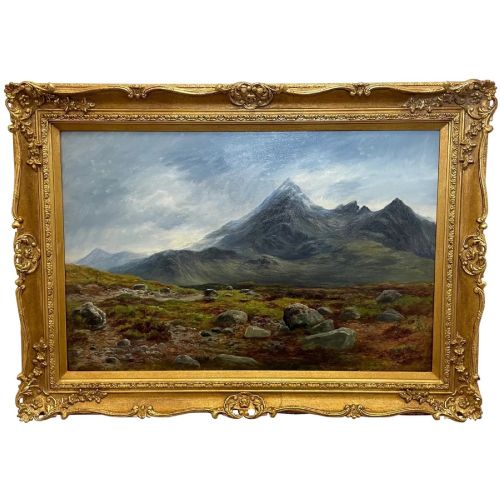
Regional styles often reveal themselves through specific handling of light, brushwork density and local topography, such as Scottish mountain ranges or English river valleys.
Signatures, historical attributions and framing details further help locate a work within traditions like the Norwich School or Barbizon movement.