


Oil Canvas Horse Artwork
These oil canvas horse artwork pieces capture centuries of equine depiction, from spirited sporting portraits to quiet rural scenes, offering collectors a direct link to historical animal painting.
Oil Canvas Horse Artwork
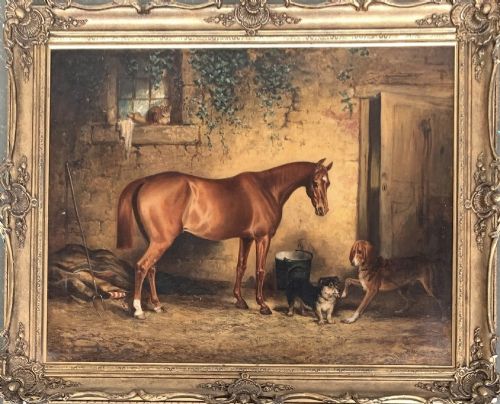
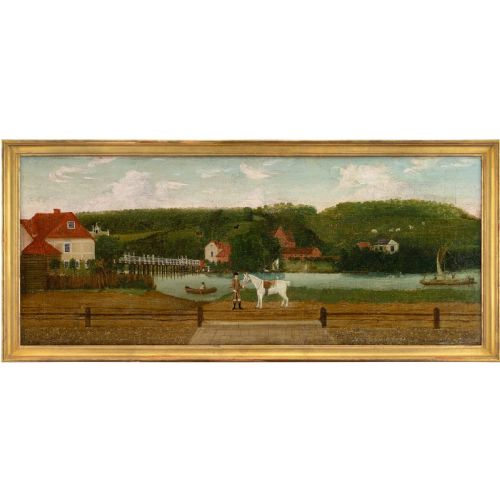
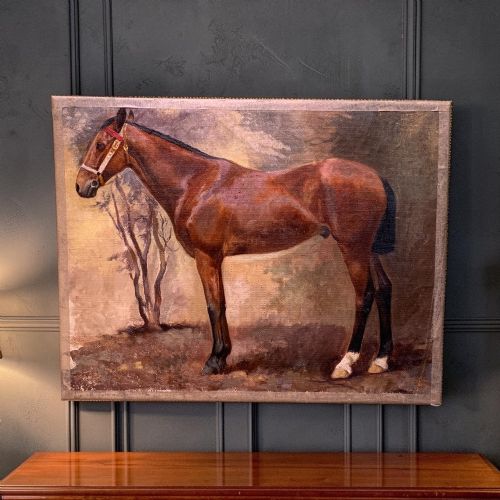
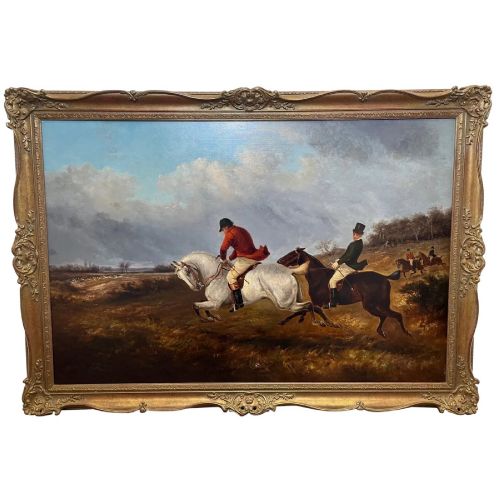
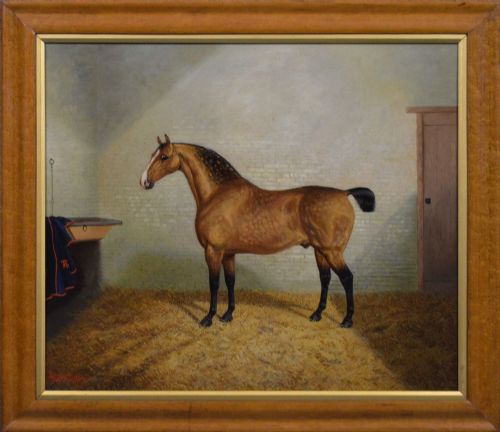
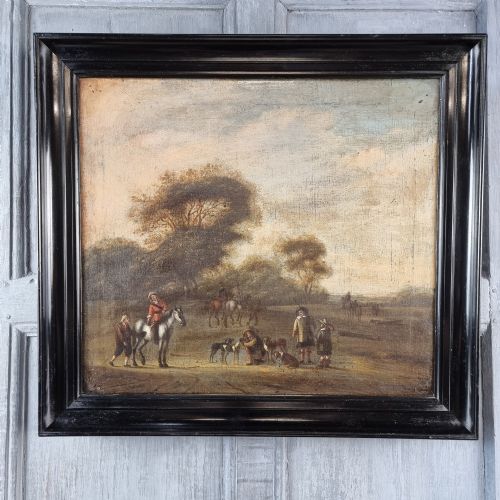
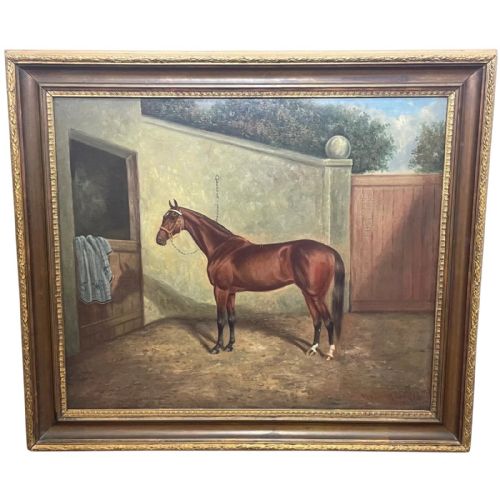
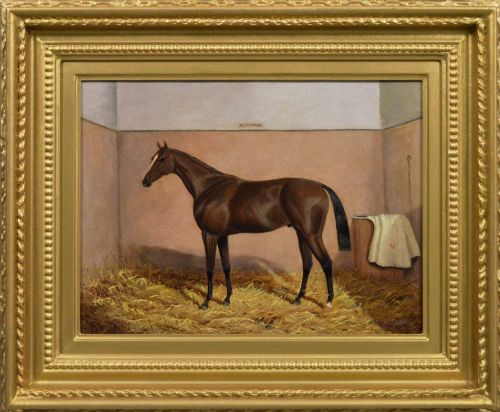
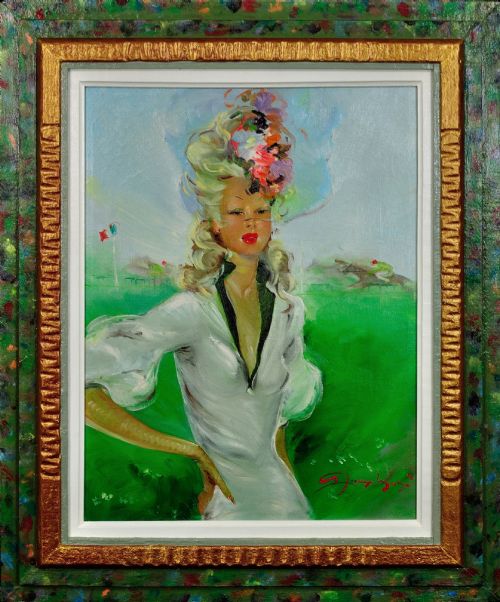
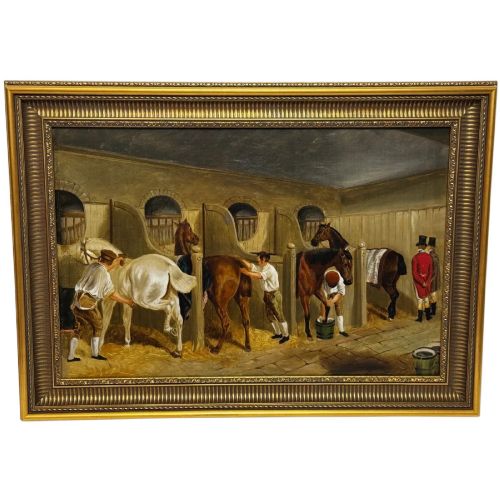
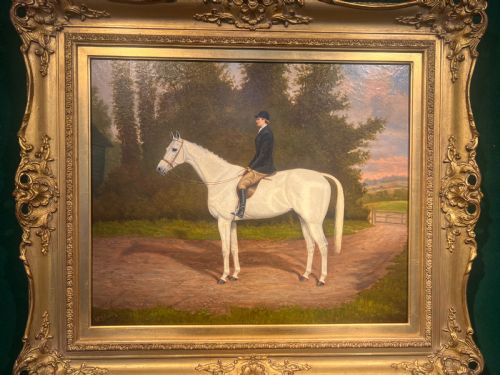
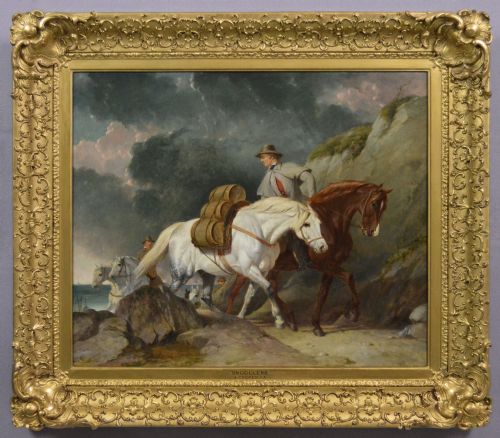
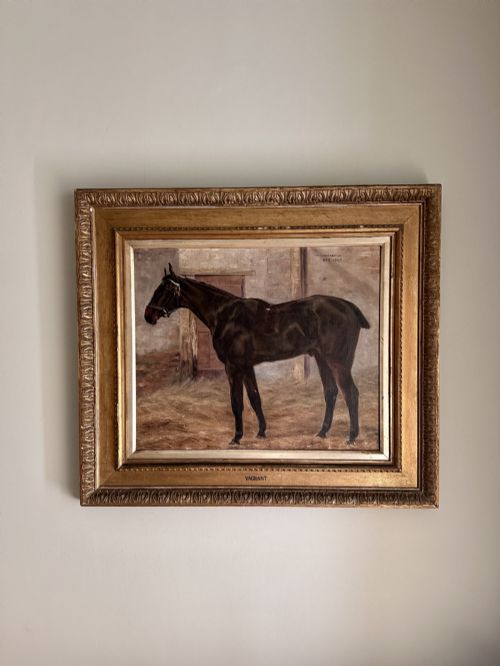
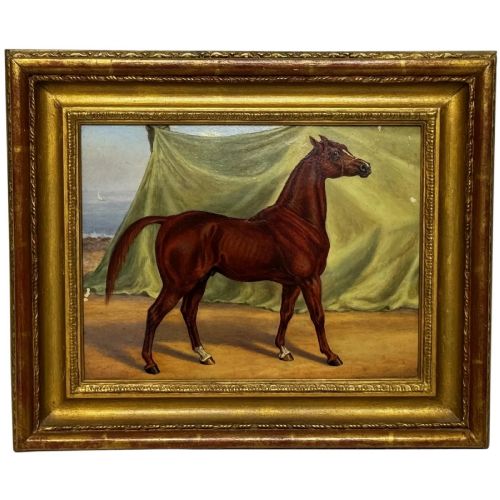
When you search for oil canvas horse artwork, you examine a rich tradition of equine depiction spanning the seventeenth century through to the mid-twentieth century. The works on this page encompass detailed portraits of named racehorses, hunting scenes, ploughing teams, and rural landscapes featuring horses.
You are most likely to meet nineteenth-century and mid-twentieth-century examples on this page, reflecting periods when equestrian painting flourished across Britain and Europe. These paintings range from intimate depictions of stable inhabitants to expansive canvases showing hounds and huntsmen across countryside estates.
The subjects serve various historical purposes, recording prized bloodlines, sporting victories, and the vital labour of working horses before mechanisation. Painters applied oils to stretched canvas, frequently housing these works in period wood or giltwood frames that complement the traditional subjects.
Materials and Technique
Artists relied primarily on oil paint applied to woven canvas stretched over wooden frames, a combination that allowed for subtle blending and rich tonal depth in rendering horse musculature and coats. Painters built up layers of pigment to capture the sheen of a bay or grey coat, the texture of manes, and atmospheric landscape backgrounds.
Wood and giltwood served as the standard materials for framing these paintings, often featuring ornate moulding that defined the visual boundary of the artwork. The physical support provided stability for heavy oil applications, while the framing protected the canvas edges over generations of display.
Listings feature works spanning the nineteenth and twentieth centuries, executed in oil on canvas and housed in wood and giltwood frames.
Distinctions in Execution
Anatomy and proportion separate standard decorative equestrian paintings from works of true artistic merit. Master painters captured the precise skeletal structure, tension, and fluid movement of a galloping horse or resting hunter, whereas lesser hands produced stiff, unconvincing animal forms.
The treatment of light and background detail also determines the calibre of an oil canvas horse artwork. Superior pieces integrate the animal naturally into its environment, whether a sunlit paddock, a stable interior, or a vast racing circuit, with confident brushwork across both subject and setting.
Thomas Smythe·Albert Clark·Abraham Cooper·Fred Fitzpatrick·John Alfred Wheeler·John Ferneley Senior
The Oil Canvas Horse Artwork Glossary
- Equestrian
- Pertaining to horses, horse riding, or the representation of horses in art. This term groups together racing scenes, hunting portraits, and working animal studies.
- Giltwood
- Wood carved and covered with a thin layer of gold leaf or gilt gesso. Many traditional oil paintings feature frames made from this reflective material.
- Oil paint
- Pigment mixed with a drying oil, most commonly linseed oil. This medium offers slow drying times, allowing artists to achieve smooth gradations of colour and realistic coat textures.
- Provenance
- The chronology of the ownership or location of a historical object. Documented history enhances the academic and collectible value of older canvases.
- Sporting art
- Depictions of rural sports including horse racing, fox hunting, and shooting. This genre forms a significant portion of nineteenth-century British painting.
Oil Canvas Horse Artwork: Frequently Asked Questions
How do I identify the age of an oil canvas horse artwork?
Examine the canvas weave, the type of stretcher frame behind the painting, and the style of the giltwood or wood frame. Pigment analysis and historical clues within the clothing or architecture depicted also help narrow down the period.
Signatures, dates inscribed on the reverse, and artist records provide the most reliable dating evidence. Many nineteenth-century works bear plaques or handwritten notes identifying the horse, owner, or artist directly on the stretcher.
What subjects are most common in equestrian oil paintings?
Named racehorses, hunting scenes with hounds and riders, and working farm horses dominate the historical record. Portraits of individual hunters in stable settings also appear frequently across the Victorian era.
Artists frequently recorded specific winners of famous races, local agricultural labour, and estate landscapes. These subjects reflect the central role of horses in transport, sport, and agriculture prior to the mid-twentieth century.
How should I care for an antique oil painting on canvas?
Keep the canvas away from direct sunlight, high humidity, and extreme temperature fluctuations to prevent the oil paint from cracking or warping. Professional framing with proper backboards protects the reverse from dust and moisture.
Avoid touching the painted surface directly, as natural oils from skin can damage the varnish layer. Dust the frame gently with a soft, dry brush and consult a professional conservator if the canvas requires cleaning.
Why do some horse paintings feature named subjects?
Commissioned portraits celebrated valuable livestock, prized racehorses, and beloved hunters owned by gentry and aristocracy. Naming the horse elevated the painting from a generic landscape to a specific record of achievement.
Owners often hired accomplished artists to document winning racehorses or exceptional hunting stock for posterity. These inscriptions typically appear in the lower corners of the canvas or on the original frame plaque.