




Oil Canvas Dog Painting
When you search for an oil canvas dog painting, you are looking at historical canine portraits rendered in oil upon woven fabric.
Oil Canvas Dog Painting
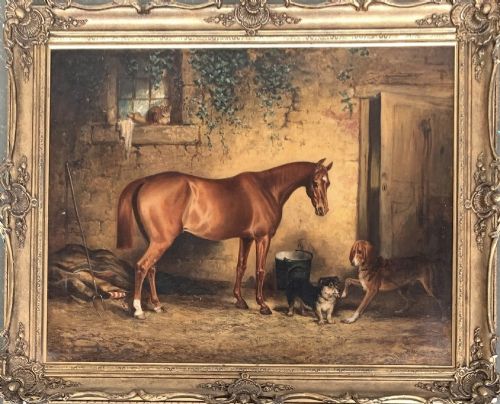
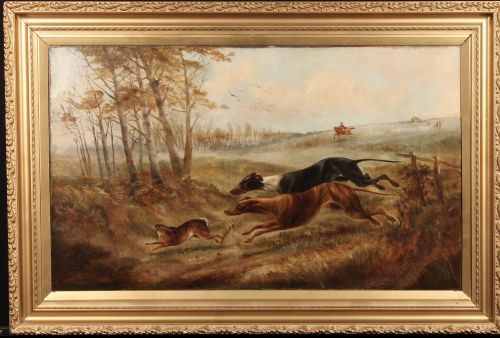
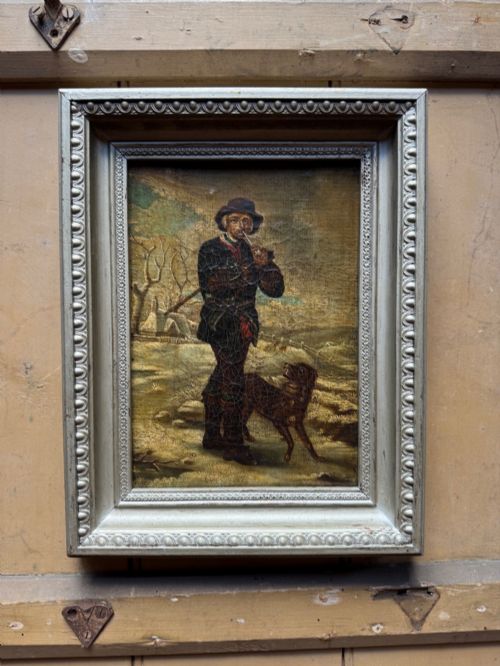
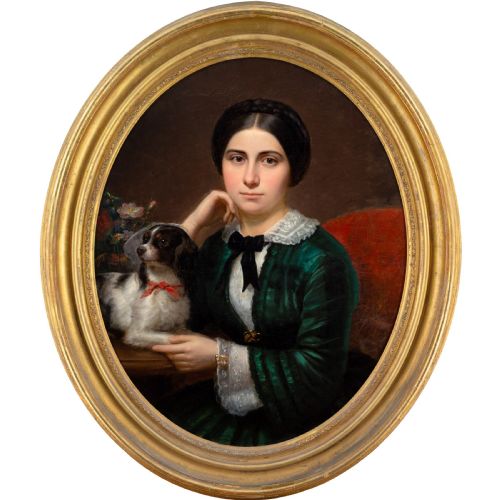
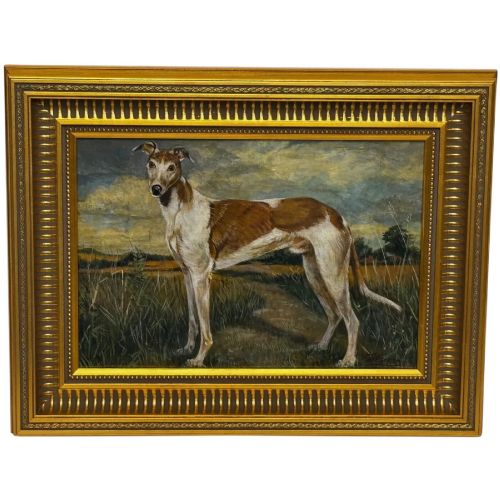
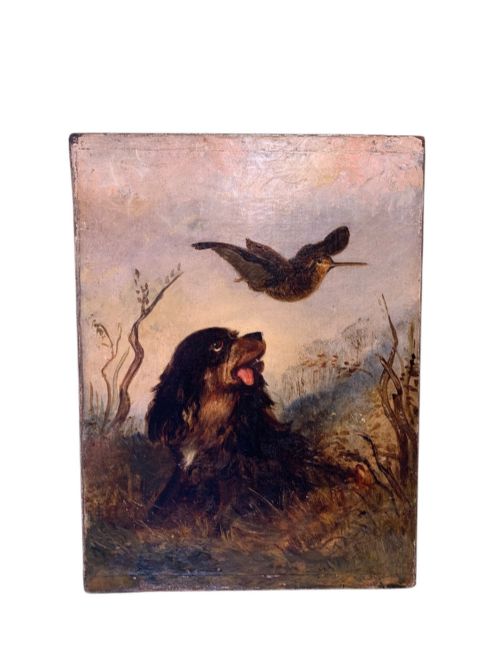
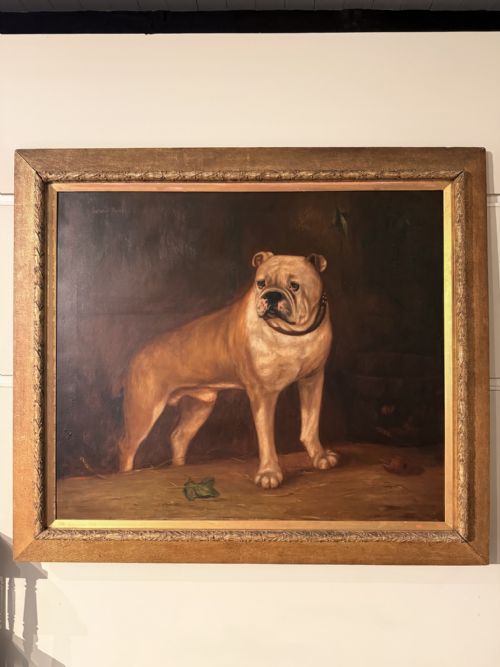
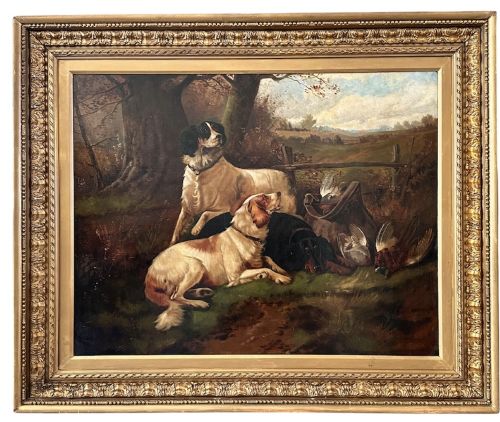
An oil canvas dog painting captures specific canine breeds, working animals and beloved pets across several centuries of artistic tradition. You will most frequently encounter nineteenth-century and Victorian examples depicting gundogs, terriers and sporting hounds within rural or domestic settings.
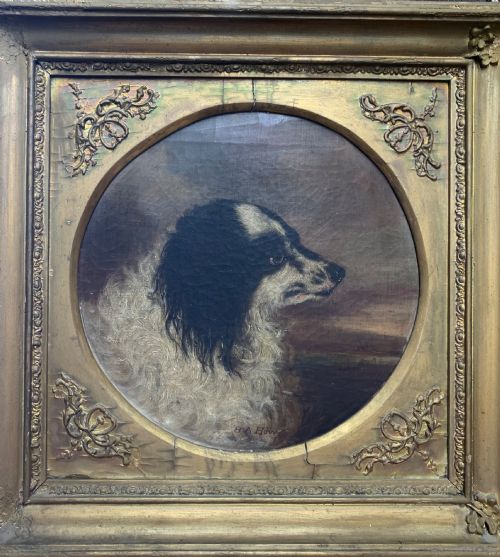
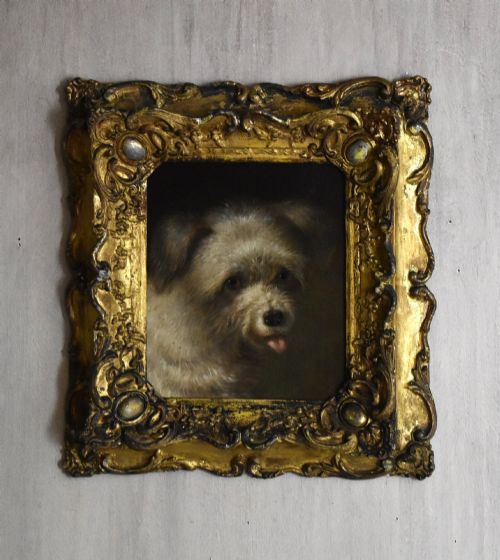
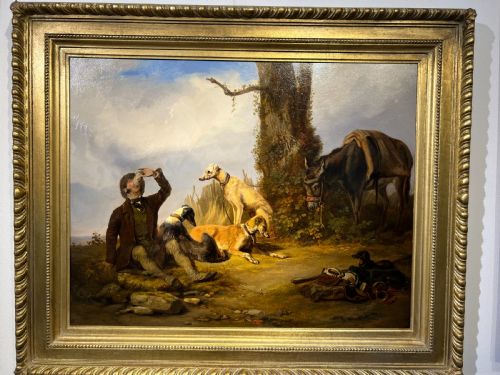
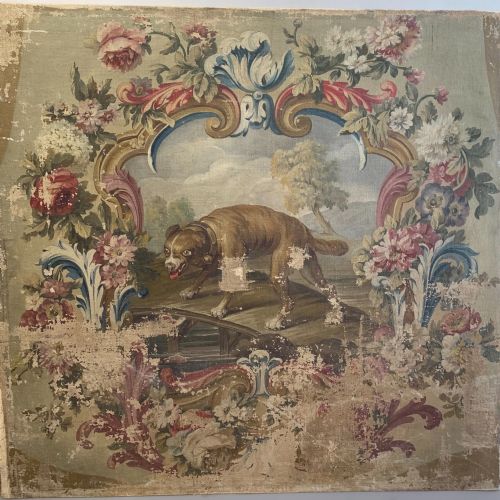
These works range from intimate head studies of individual pets to larger canvases depicting hounds in field sports or accompanying human subjects. The selection spans naive interpretations, regional British and European schools, and detailed portraits bearing the signatures of named animaliers.
Materials and construction
Artists painted these subjects using oil paint applied to stretched canvas supported by wooden frames or stretchers. The medium allowed for subtle blending of animal coats, expressive textures and atmospheric backgrounds.
Many of these works retain their original gilt, gold leaf or gilded wood frames, which complement the darker palettes and varnishes typical of period oil paintings.
One cheerful nineteenth-century canvas records a dog attempting a self-portrait.
Factors determining quality
The anatomical accuracy of the canine subject and the expressiveness in the rendering of the eyes and coat distinguish finer works from simpler naive efforts. Skilled brushwork captures the tension of a working dog or the soft texture of a spaniel's fur with distinct realism.
The integration of the dog within its landscape or interior setting, alongside the execution of the supporting frame, influences the overall character and visual balance of the piece.
Henry Barraud·George Armfield·Valentine T. Garland·David Bates·Sir Edwin Henry Landseer·Martin Theodore Ward·John Sargent Noble·John Emms·Thomas Hicks·LM Webb·Claude Cardon·Frans Snyders·William Barraud·George E Sharpe·Colin Graeme Roe·John Trivett Nettleship·John Horsburgh·Mary Beale·W Whitehead·E Tyrell·Robert Surtees Snr·Frank Page
The Oil Canvas Dog Painting Glossary
- Canvas
- A heavy woven fabric stretched across a wooden frame to serve as the foundation for oil paintings. It provides a flexible yet durable surface that accepts multiple layers of pigment and varnish.
- Giltwood
- Wood carved and coated with gold leaf or metallic gilt powder to create an ornate decorative frame. These frames often accompany Victorian and nineteenth-century portraits.
- Sporting Art
- A genre of painting dedicated to field sports, horses, hunting dogs and rural pastimes. It encompasses works depicting gundogs, terriers and hounds in action.
- Naive
- A term describing art created by self-taught painters lacking formal academic training. These pieces often feature charming perspective quirks and direct, unpretentious compositions.
Oil Canvas Dog Painting: Frequently Asked Questions
How do I identify the period of an oil canvas dog painting?
Examine the style of the canvas stretching, the preparation layers on the reverse, and the framing techniques alongside the clothing or setting of any human figures.
Stylistic conventions of canine depiction also shift from the formal portraiture of the early nineteenth century to the more naturalistic sporting scenes of the late Victorian era.
What is the difference between sporting art and pet portraits?
Sporting art typically depicts working dogs such as setters, pointers and hounds actively engaged in hunting or field pursuits within wide landscapes.
Pet portraits focus more narrowly on an individual named companion, often posed indoors or within an intimate domestic enclosure.
How should I care for an antique oil painting?
Keep the canvas away from direct sunlight, excessive heat sources, and damp environments that can cause the wood frame to warp or the paint to crack.
Dust the surface gently with a soft, dry brush and avoid using water or chemical cleaners on the painted canvas.
Are these paintings usually signed by the artist?
Many works bear artist signatures, monograms or inscriptions detailing the dog's name and the date on the front or reverse of the canvas.
Unsigned pieces are frequently attributed to specific regional schools based on brushwork, palette and subject matter.