
Office Storage Cabinet
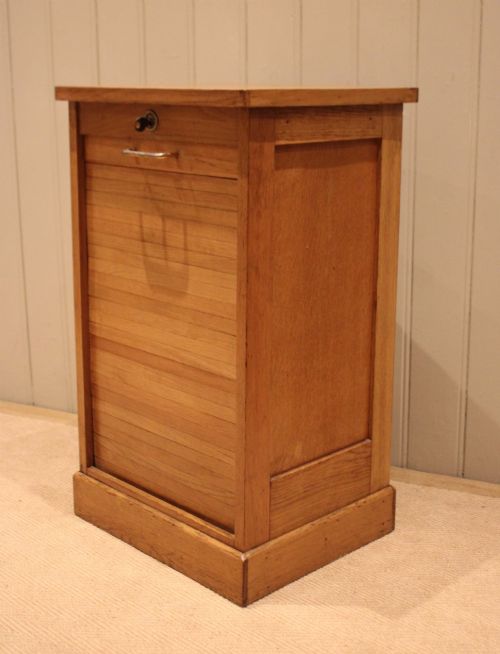
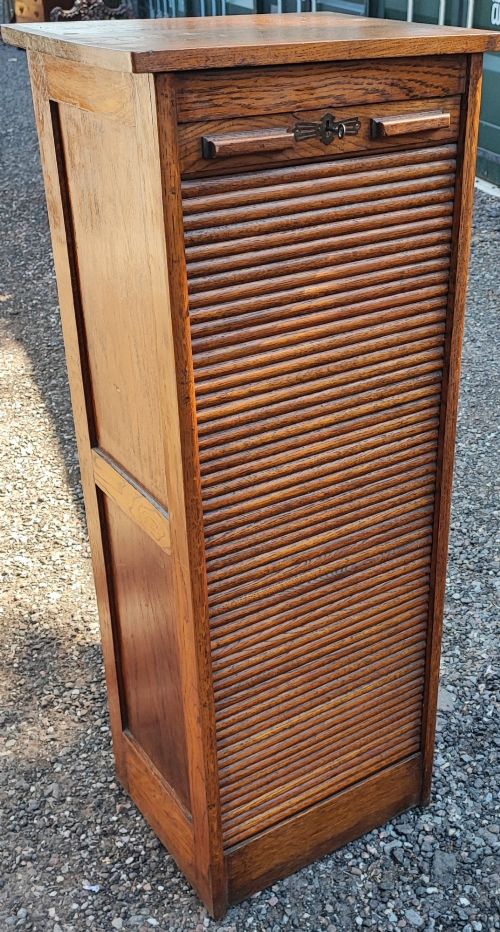
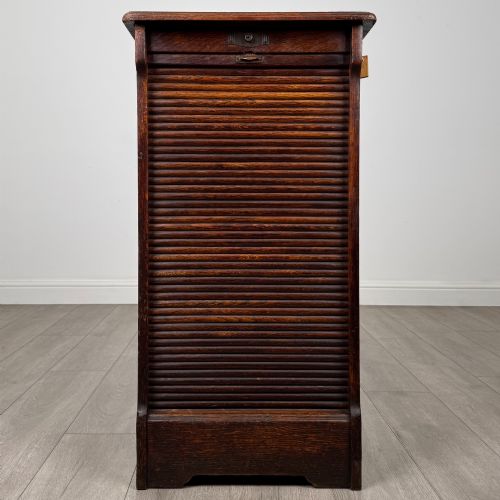
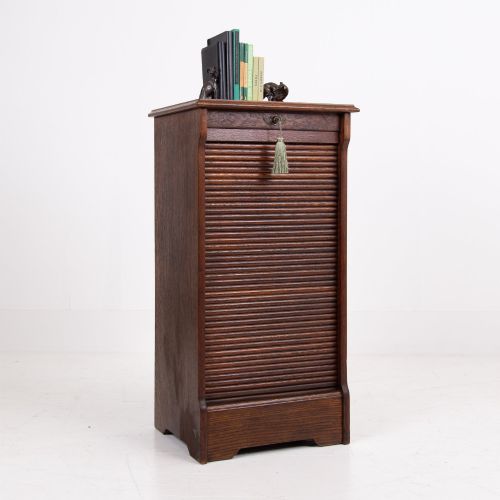
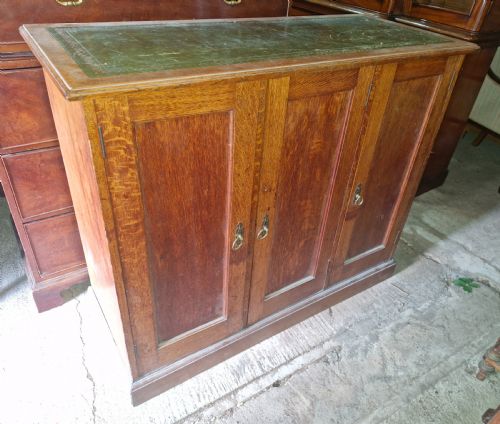
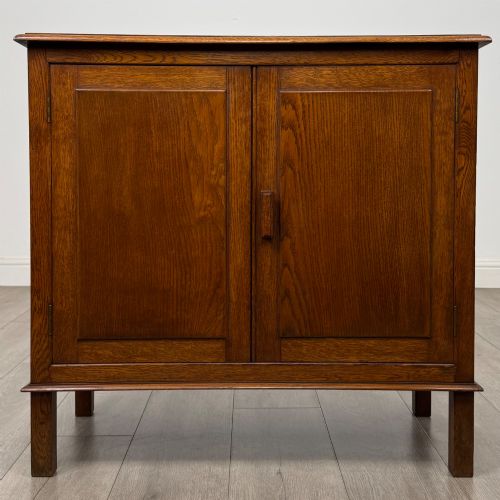
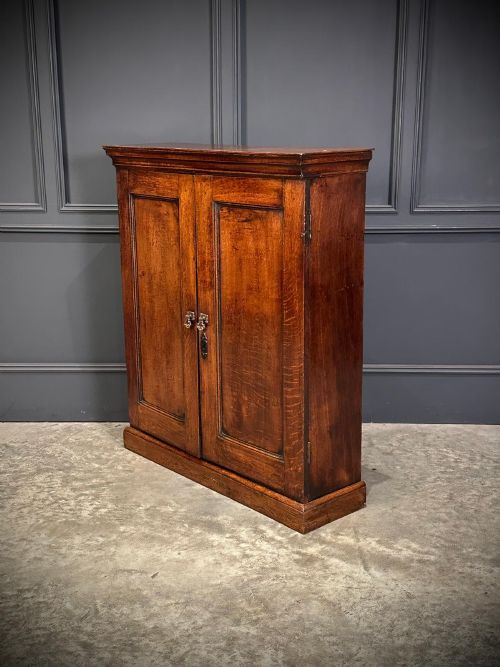
Office storage cabinet designs range from compact oak tambour units to expansive Victorian mahogany pieces built for serious organisation.
Office Storage Cabinet
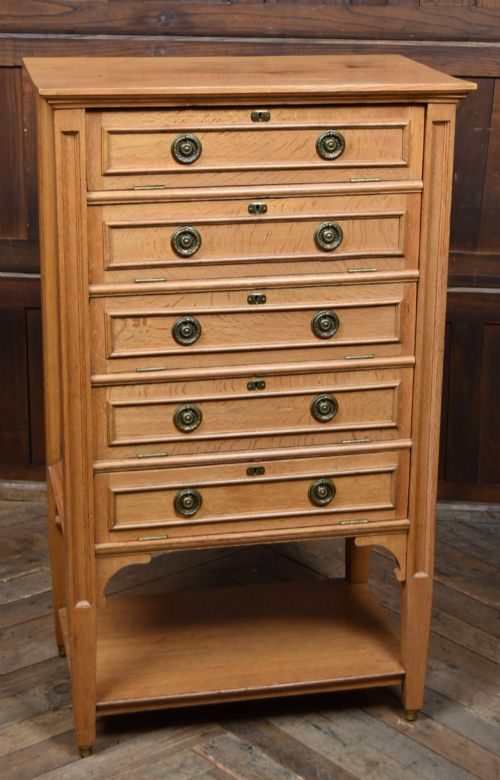
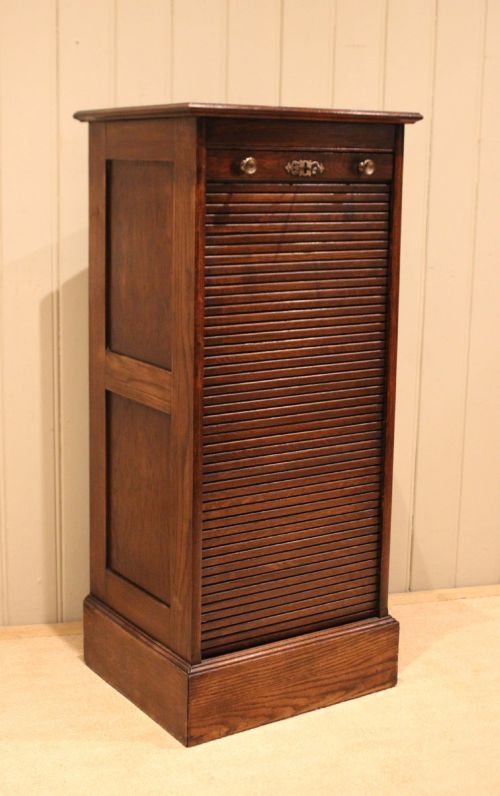
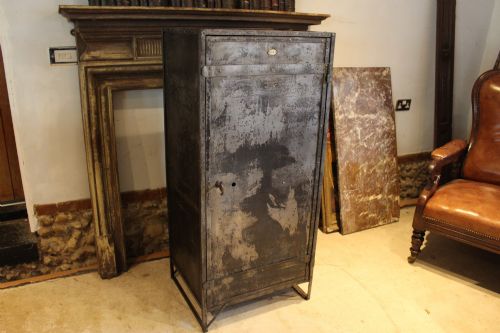
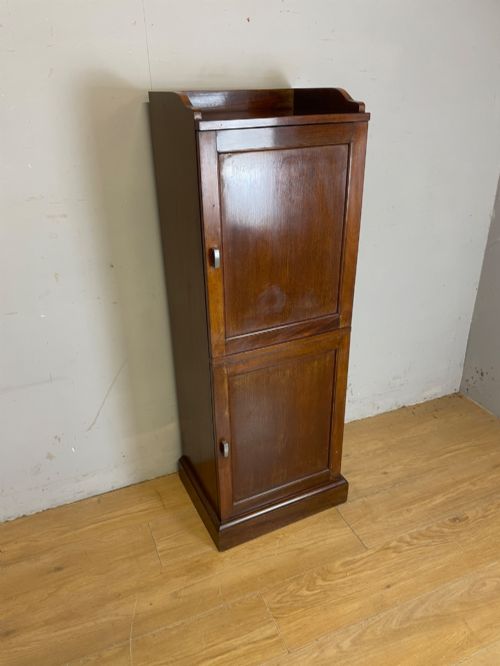
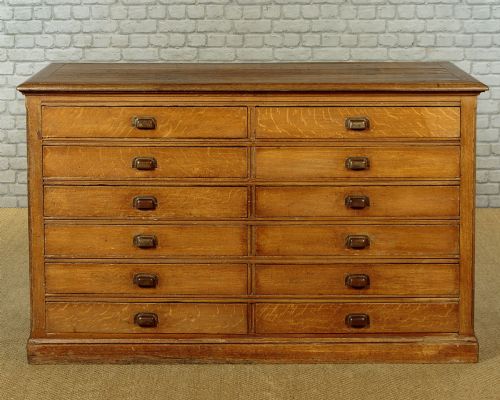
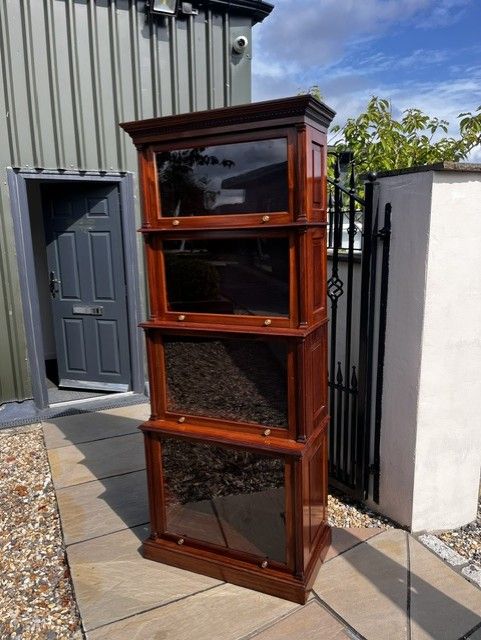
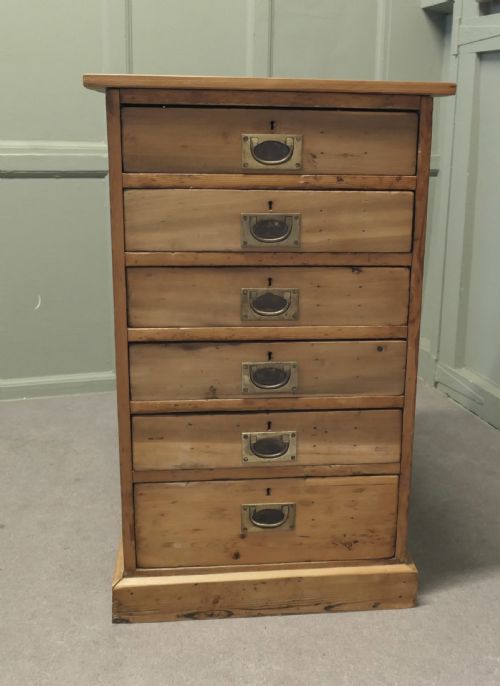
Oak and mahogany versions dominate the listings, frequently appearing with tambour doors, multiple small drawers or pigeon holes. You also meet industrial metal cupboards, pine filing drawers, walnut bookcases and specialised pieces like plan chests and music filing cabinets originating from England, France and India.
Materials and construction
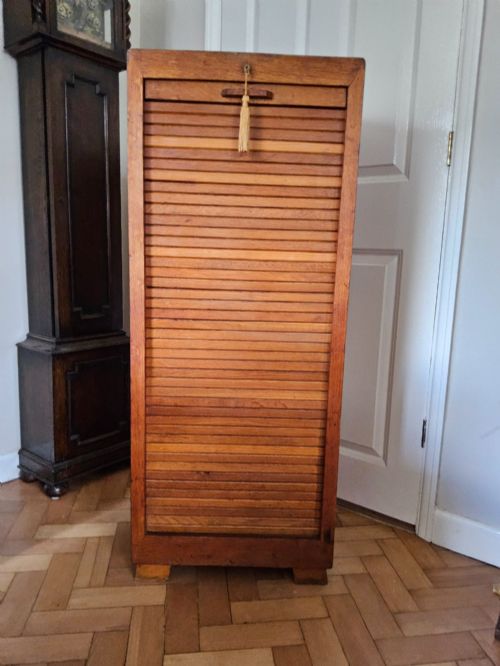
Carpenters utilised solid hardwoods including oak, mahogany and walnut alongside pine and metal to construct durable carcasses. Tambour fronts feature narrow wooden slats glued to fabric backings, allowing the door to slide smoothly around a curved track.
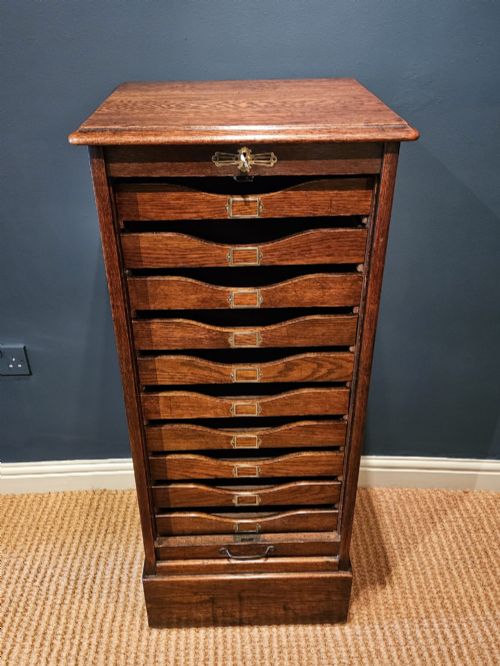
Fittings incorporate brass for handles, label holders and shell pulls, while interiors utilise canvas and leather detailing. Joinery methods prioritize sturdy carcass construction to support heavy loads of paper and files over decades of daily use.
Listings feature office storage cabinets constructed from oak, mahogany, walnut, pine and metal, spanning the Victorian, Edwardian and early twentieth century periods.
Distinctions in grade
The standard of timber selection and interior configuration marks the difference between utilitarian workshop furniture and high quality estate pieces. Finely figured mahogany and quarter-sawn oak sit alongside simpler pine and industrial metal.
Original hardware such as brass label holders, shell pulls and functioning patent locking mechanisms elevate a piece. The smoothness of sliding tambour doors and the precise fit of multiple small drawers indicate superior initial manufacture.
Maple & Co·Amberg
The Office Storage Cabinet Glossary
- Tambour
- A flexible door made of narrow wood strips attached to canvas, designed to slide around a track and conceal interior shelves or filing slots.
- Plan chest
- A wide, shallow set of drawers originally designed for storing architectural blueprints and large maps flat.
- Pigeon holes
- A series of small open compartments stacked in grids for sorting correspondence and documents.
- Shell pull
- A convex, semi-circular metal handle shaped like a seashell, commonly found on early twentieth century filing drawers.
- Quarter-sawn oak
- Timber cut radially across the growth rings, producing distinctive decorative fleck patterns often seen in Edwardian office furniture.
Office Storage Cabinet: Frequently Asked Questions
How do tambour doors work?
Tambour doors operate by sliding along hidden tracks set into the sides of the cabinet carcass. The flexible wooden slats bend around corners to open and close smoothly without swinging outward into the room.
This mechanism allowed manufacturers to save valuable floor space in cramped Victorian and Edwardian offices while keeping contents secure.
What were pigeon holes used for?
Pigeon holes served as sorting compartments for incoming and outgoing daily mail, memoranda and active client files before the widespread adoption of vertical filing systems.
Clerks used these open slots for rapid document sorting in commercial businesses, schools and estate offices.
How do I identify Edwardian office furniture?
Edwardian office pieces typically feature medium to dark oak timber, clean architectural lines and functional brass hardware like label holders. They often combine tambour doors with internal pull-out trays or document slots.
Builders of this era focused on maximising utility for growing administrative workplaces while retaining traditional cabinet-making standards.
Can I use an antique filing cabinet today?
Antique filing cabinets integrate well into modern workspaces for organising stationery, notebooks and contemporary paperwork. Many vintage drawers accommodate standard paper sizes while adding distinct character to a room.
Careful measurement of internal drawer dimensions ensures your specific storage requirements match the vintage format.