

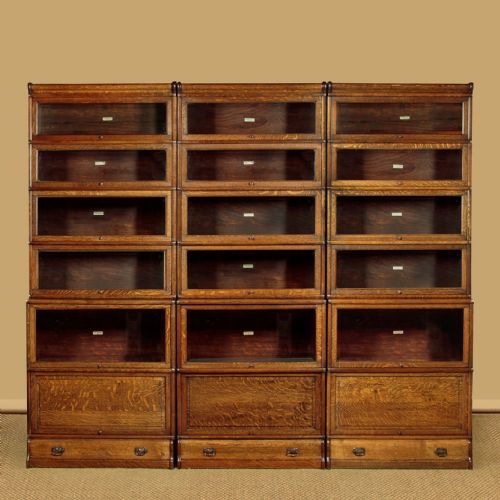


Office Glazed Cabinet
An office glazed cabinet is a functional storage piece for paperwork and volumes, combining timber frames with transparent doors.
Office Glazed Cabinet
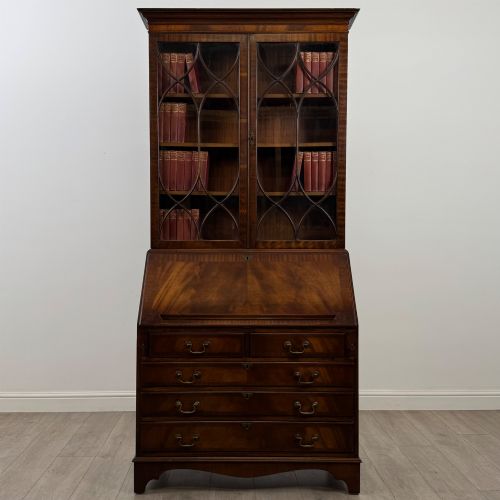
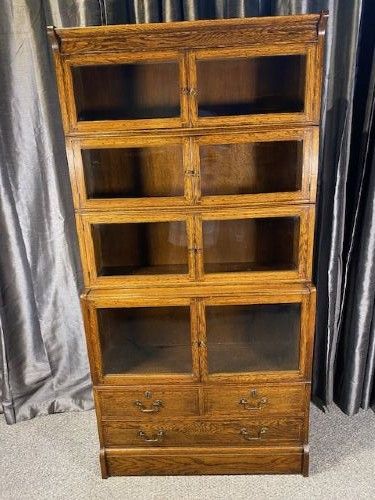
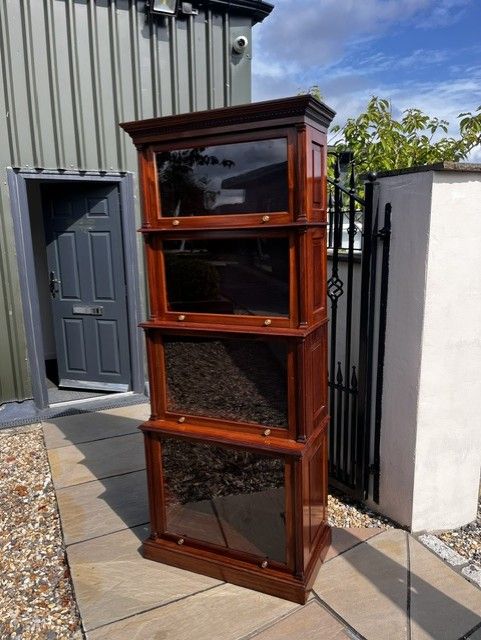
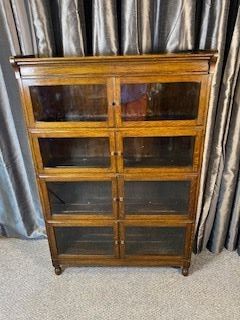
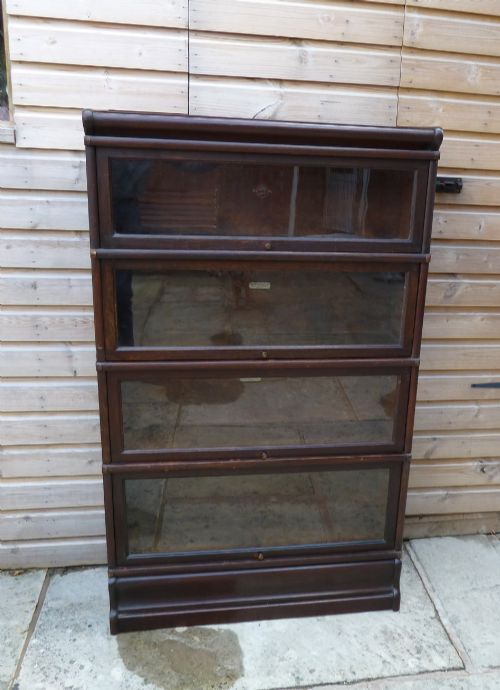
When you search for an office glazed cabinet, you are looking at practical storage furniture designed for work spaces, libraries and studies. The pieces matching this phrase span several distinct forms, including bureau bookcases, stacking barristers bookcases and upright writing cabinets.
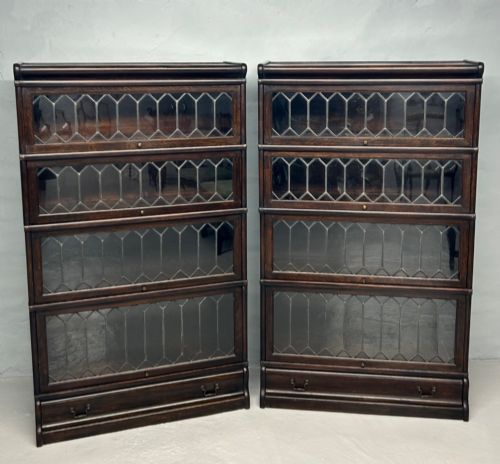
You are most likely to meet oak and mahogany examples originating from the Edwardian era and the early twentieth century. These include modular stacking sections with glass doors alongside writing desks combined with shelving.
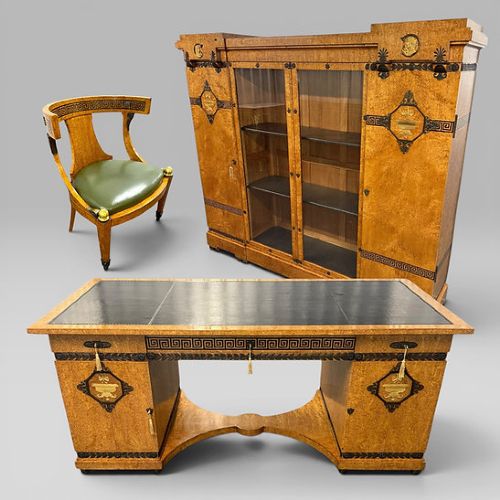
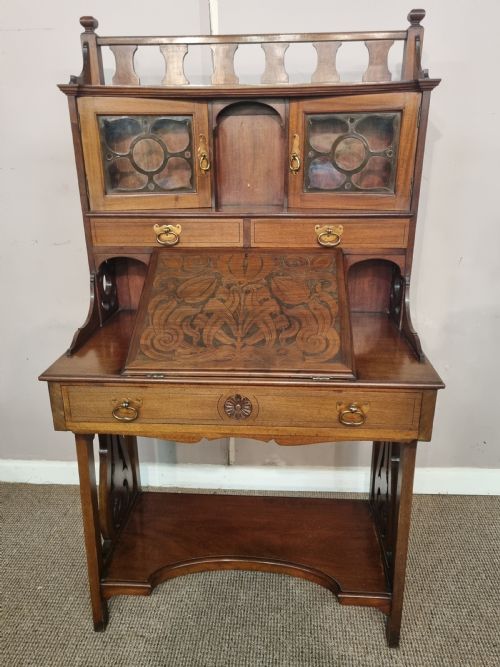
The selection ranges from French neoclassical office sets to arts and crafts bureau cabinets and art deco walnut variants. Each version serves the dual purpose of displaying bound volumes while keeping working materials dust-free and organised.
Materials and Construction
Cabinet makers relied primarily on oak and solid mahogany, occasionally utilising walnut or satinwood for decorative grain patterns. These timbers provided the structural strength required for heavy shelving and modular stacking units.
Glass panels, sometimes held in place with lead came, were fitted into doors to protect the contents while maintaining visibility. Brass hardware such as handles, hinges and stacking brackets completed the functional assembly of these working pieces.
Listings span the nineteenth century through to the art deco period of the nineteen thirties, featuring oak, mahogany and walnut.
Distinctions in Quality
The division between standard workshop production and finer craftsmanship lies in the selection of timber and the precision of the joinery. Solid mahogany or quarter-sawn golden oak displays superior figuring and stability compared to simpler utility pieces.
Quality also shows in the mechanism of glazed doors, whether they lift and slide within stacking barrister modules or swing smoothly on brass hinges within Edwardian and art deco frames.
Globe Wernicke·Mercier Freres·Gunn
The Office Glazed Cabinet Glossary
- Barrister bookcase
- A modular office cabinet featuring stacked shelf sections with glazed upward-lifting doors. These units were designed for easy dismantling and relocation.
- Bureau bookcase
- A combination furniture form uniting a sloping writing desk with enclosed shelving above. The desk section typically drops down to reveal pigeonholes and small drawers.
- Lead glazing
- A method of securing small individual panes of glass within strips of lead. This technique appears on specific period cabinet doors.
- Quarter-sawn oak
- Timber cut radially to the growth rings, producing a distinct decorative figuring known as medullary rays. It is frequently found on quality Edwardian office furniture.
- Secretaire
- A writing cabinet or desk containing a drawer or fold-down panel that conceals a writing surface and inner compartment. It serves a similar function to a bureau.
Office Glazed Cabinet: Frequently Asked Questions
How do I date an oak cabinet?
Dating relies on observing stylistic details, construction methods and hardware choices across Edwardian and early twentieth-century examples. Arts and crafts pieces display carved motifs, while art deco items show streamlined geometric forms.
Modular stacking variants with leaded glass doors typically point towards the period around nineteen hundred up to the nineteen twenties.
How were bureau bookcases used?
Bureau bookcases combined a writing desk with upper display shelving for reference volumes and ledgers. The drop-front flap provided an immediate workspace for correspondence.
Once finished, the user folded the writing surface back up and locked the compartment, keeping documents secure behind timber and glass.
Where should I place a glazed cabinet?
These cabinets suit studies, home offices and libraries where books and papers require dust-free containment. Their glazed doors allow for easy identification of contents without opening the unit.
Ensure placement avoids direct sunlight to protect antique timber finishes and paper contents from fading over time.