




Octagonal Wine Cooler
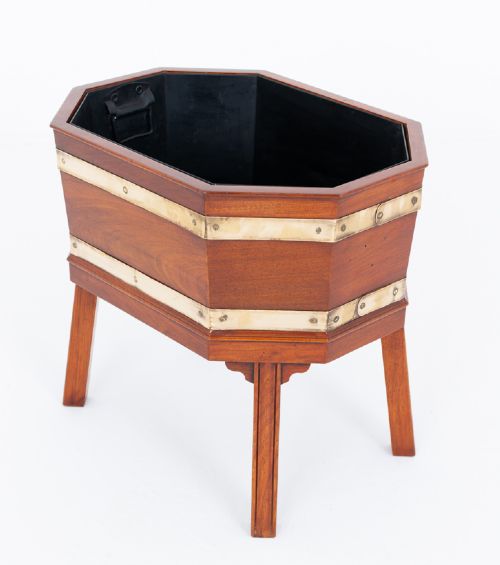
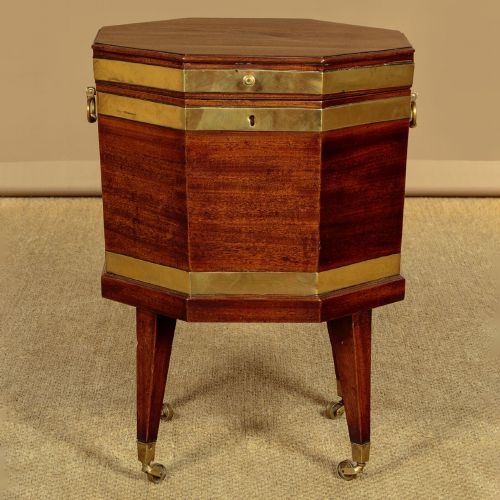
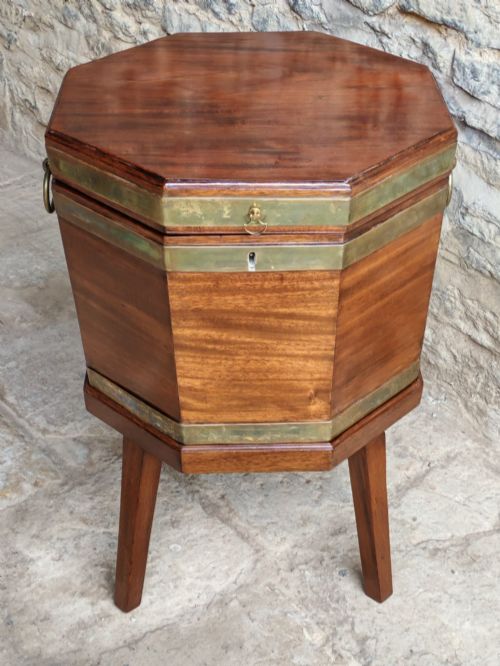
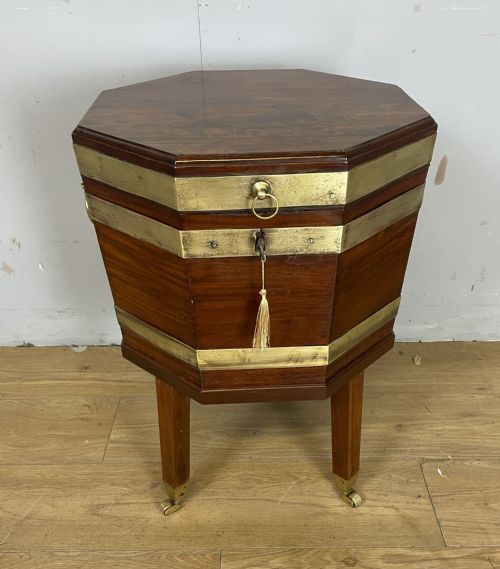
An octagonal wine cooler is a sturdy period drinking vessel designed to chill bottles, combining utility with stately Georgian design.
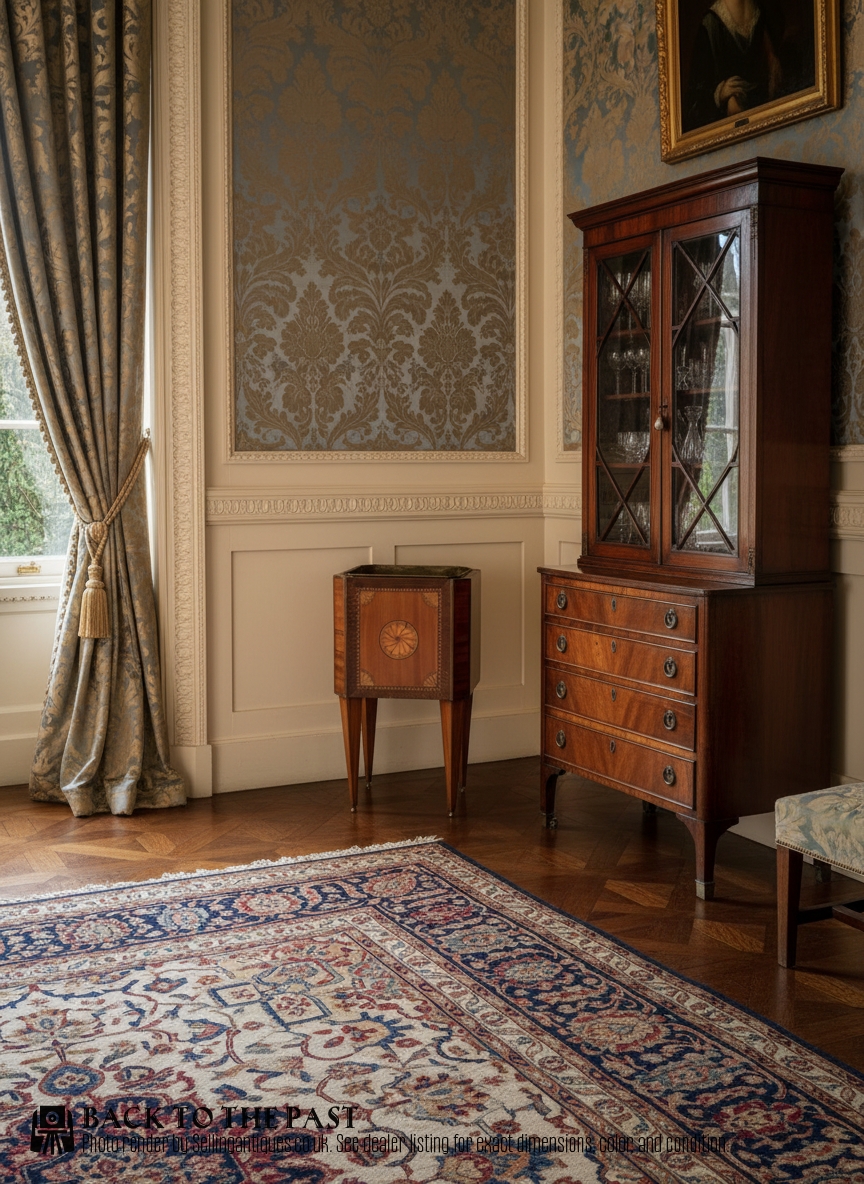
Octagonal Wine Cooler
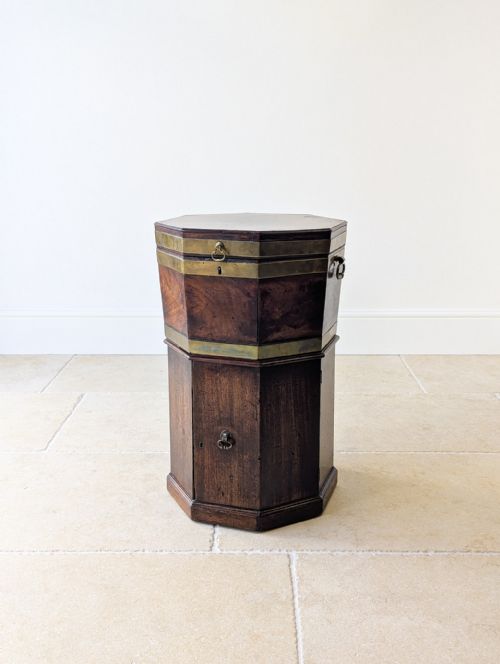
When you search for an octagonal wine cooler, you are looking at substantial timber drinking vessels designed to hold bottles and ice in formal dining rooms. The pieces gathered here span the Georgian, Regency, and early twentieth century periods, reflecting enduring classical proportions.
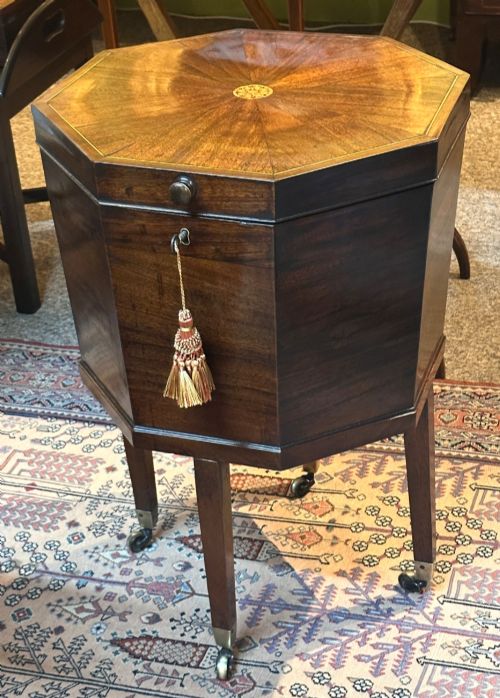
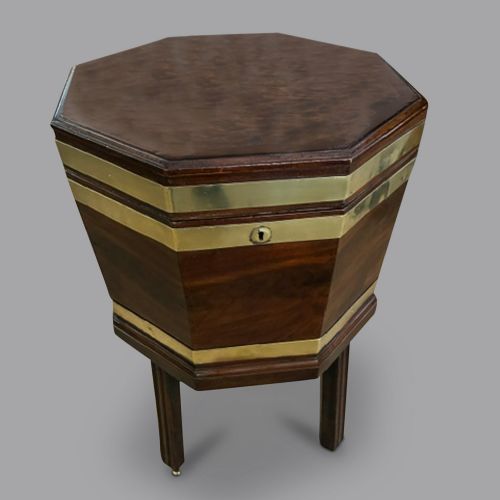
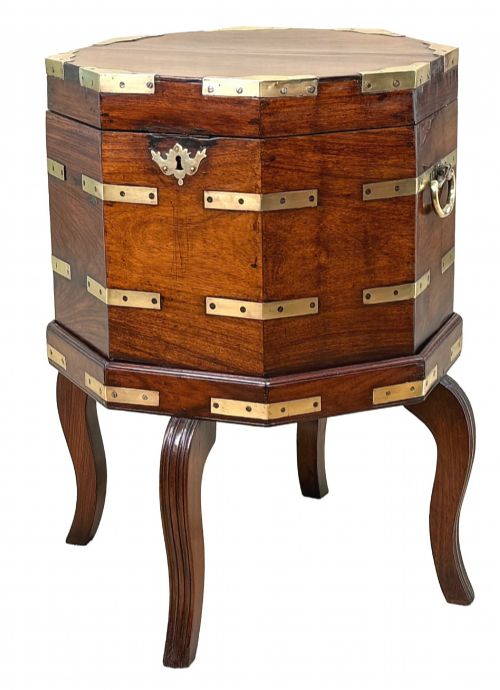
The version you are most likely to meet on this page is the George III mahogany cellarette, frequently bound in brass and shaped with eight distinct sides. These containers range from freestanding floor models to examples raised on stands, alongside later revivals from the nineteen-twenties.
Origins stretch from British workshops to Anglo-Indian colonial production using exotic timbers like padouk. Collectors also encounter variations featuring satinwood inlay or sterling silver, demonstrating how the basic octagonal form adapted to changing decorative tastes across the centuries.
How they were made
Cabinetmakers constructed these vessels primarily from solid mahogany or wood veneers applied to a sturdy core, often selecting padouk for overseas commissions. Wood inlay and satinwood banding provided crisp contrast along the eight panelled sides.
Heavy brass bands were forged and fitted tightly around the wooden staves to hold the container rigid against damp conditions and shifting ice. Metal linings protected the internal timber structure from direct contact with melting ice and bottled wine.
Octagonal Wine Cooler Retail Price Guide 2026
Typical asking prices for octagonal wine cooler among the pieces listed under this phrase on Sellingantiques today, from the lower quarter to the upper quarter. They describe what is for sale here now, not the wider market.
Listings feature mahogany, padouk, satinwood, and metal, spanning the Georgian period through to the nineteen-twenties.
What varies in quality
The division between standard examples and the finest pieces rests upon timber selection and decorative restraint. Superior specimens utilise richly grained mahogany with precise brass binding that integrates seamlessly into the eight-sided body.
Refinement of detail dictates value, seen in crisp wood inlay, original metal liners, and well-proportioned stands rather than plain or heavy-handed revival work. The integrity of the internal construction determines how successfully the piece held water and ice.
The Octagonal Wine Cooler Glossary
- Cellarette
- A lockable container used for storing wine bottles near the dining table. These wooden chests often featured internal divisions to separate individual bottles.
- Brass bound
- A method of reinforcing wooden staves with metal bands. This technique added structural strength and decorative contrast to drinking vessels.
- Padouk
- A dense tropical hardwood valued for its deep reddish colour and durability. British colonial makers utilised this material for export furniture.
- Satinwood
- A light yellowish timber used for decorative inlays and banding. Cabinetmakers applied veneers of this wood to create geometric contrasts on dark surfaces.
- Jardiniere
- An ornamental pot or stand designed to hold plants or flowers. Some brass-bound vessels served this secondary purpose after their wine-chilling days ended.
Octagonal Wine Cooler: Frequently Asked Questions
What is a cellarette?
A cellarette is a lockable container designed to hold wine bottles near the dining table.
These pieces kept beverages secure and cool during formal meals before refrigeration existed.
How were they used?
They were filled with ice and water to chill wine bottles prior to serving.
Servants placed them on the floor or on dedicated stands beside the dining furniture.
How do I date one?
Dating relies on timber choices, brass binding styles, and structural proportions.
Eighteenth-century examples display hand-cut joinery and aged mahogany, while later revivals show twentieth-century manufacturing traits.
Are they all mahogany?
Mahogany is the dominant timber seen across these listings, alongside padouk.
Some pieces incorporate satinwood inlay or metal elements for decorative variation.
Did they have stands?
Some vessels stood directly on the floor, while others rested upon purpose-built stands.
These raised variations elevated the heavy containers for easier access during dinner service.