



Octagonal Porcelain Dish
An octagonal porcelain dish offers geometric precision combined with the delicate utility of ceramic art, making it a prized addition to any serious table setting or cabinet collection.
Octagonal Porcelain Dish
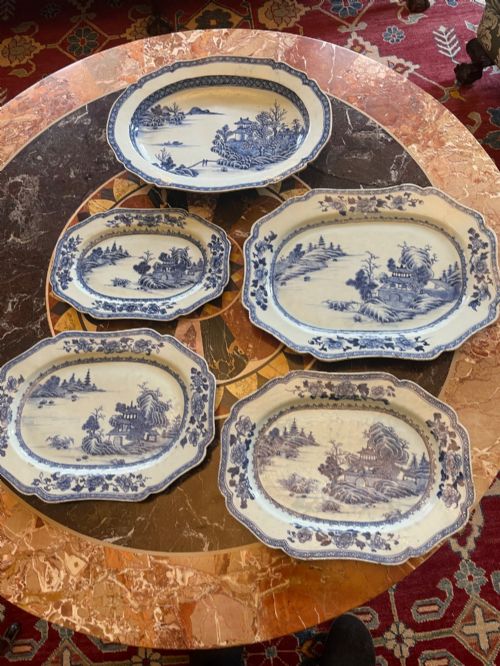
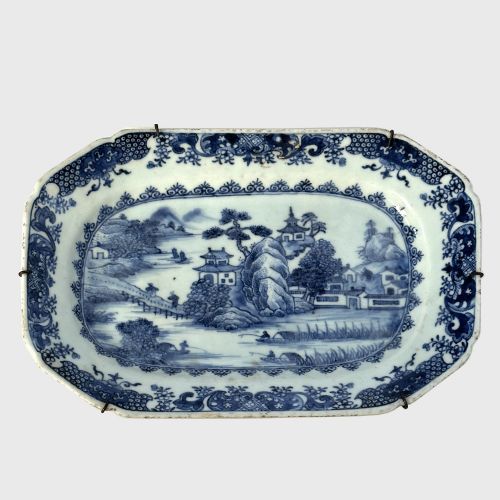
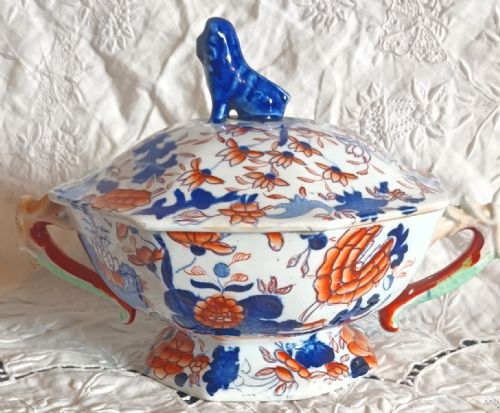
An octagonal porcelain dish represents a specific geometric form executed in ceramic materials, spanning decorative bowls, serving platters, tureen covers, and cabinet plates. When exploring an octagonal porcelain dish on this page, collectors frequently encounter eighteenth-century English soft-paste porcelain, nineteenth-century Chinese export wares, and early twentieth-century lustre pottery.
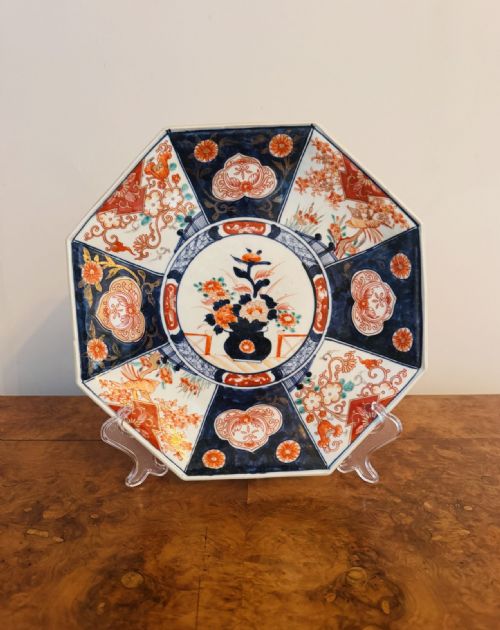
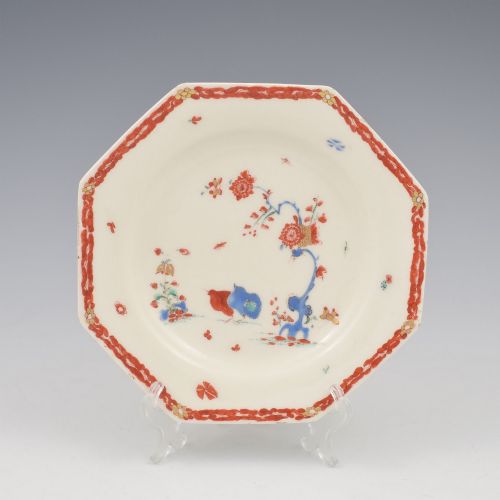
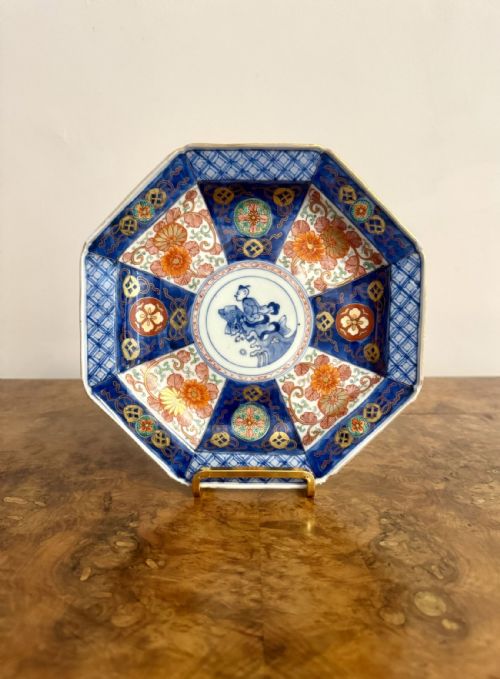
The selection ranges from eighteenth-century Bow porcelain decorated with Kakiemon quail patterns to early twentieth-century Wedgwood Fairyland lustre bowls designed by Daisy Makeig-Jones. Pieces emerge from diverse global traditions, including Japanese Imari, Chinese Qianlong period blue and white, and European factories such as Royal Vienna and German workshops.
Forms vary from deep serving dishes and substantial tureens to flat cabinet plates and decorative bowls. Buyers encounter both eighteenth-century Asian export pieces created for Western markets and later British interpretations utilising traditional shapes and glaze techniques.
How they were made
Potters constructed these items using hard-paste porcelain, soft-paste porcelain, bone china, and ironstone, shaping the eight-sided profile by hand or moulding. Artisans applied cobalt blue pigments under the glaze or painted detailed scenes directly onto the fired ceramic using vibrant enamels.
Decorators enhanced selected surfaces with gold leaf accents and rich lustre glazes that required specialised kiln firings to achieve their characteristic metallic sheen. Chinese export pieces and English factories alike relied on precise temperature control during firing to vitrify the paste and set the intricate hand-painted motifs.
Octagonal Porcelain Dish Retail Price Guide 2026
Typical asking prices for octagonal porcelain dish among the pieces listed under this phrase on Sellingantiques today, from the lower quarter to the upper quarter. They describe what is for sale here now, not the wider market.
Listings feature hard-paste porcelain, soft-paste porcelain, bone china, and ironstone across periods spanning the mid eighteenth century to the early twentieth century.
What varies in quality
Excellence in an octagonal porcelain dish rests upon the crispness of the eight-sided moulding and the precision of the hand-painted or transfer-printed decoration. Early eighteenth-century examples exhibit finer potting and more deliberate brushwork, particularly in detailed Kakiemon or blue and white compositions.
The complexity of the glaze work also distinguishes exceptional pieces, such as the multi-layered lustre applications and gilt detailing designed by prominent twentieth-century artists. Clarity of the ceramic body and the preservation of delicate enamel colours over centuries separate standard utilitarian wares from superior cabinet specimens.
Mason·Royal Vienna·Wedgwood·Helena Wolfsohn·Bow
The Octagonal Porcelain Dish Glossary
- Kakiemon
- A style of Japanese porcelain decoration characterised by asymmetrical designs, fine enamel colours, and motifs such as quails or flowering branches. Eighteenth-century European factories frequently copied these distinct patterns.
- Lustre Glaze
- A metallic ceramic finish that creates an iridescent, shimmering surface effect when fired in a reducing kiln. This technique produced rich visual depths on early twentieth-century art bowls.
- Qianlong Period
- The era of Chinese history spanning from seventeen thirty-six to seventeen ninety-five, noted for high standards in porcelain production and export blue and white wares. Pieces from this time often feature intricate floral and landscape scenes.
- Soft-paste Porcelain
- A ceramic composition developed in Europe before the discovery of true hard-paste porcelain, utilising a mixture of white clay and glass frit. It produces a slightly warmer tone and a softer glaze appearance.
- Ironstone
- A heavy, durable type of earthenware patented in nineteenth-century England to imitate true porcelain. It provided a robust alternative for serving platters and tureens.
Octagonal Porcelain Dish: Frequently Asked Questions
How do I date an octagonal porcelain dish?
Dating relies on examining the ceramic paste, the characteristics of the glaze, and any factory marks stamped or painted on the base. Eighteenth-century pieces often display softer pastes and hand-potted irregularities, whereas twentieth-century items feature standardised forms and distinct artist signatures.
Comparing the decorative style, such as eighteenth-century Kakiemon patterns or Art Deco lustre finishes, provides further chronological context. Reference to historical kiln practices helps narrow the decade of manufacture.
Were these dishes used for dining?
Many octagonal dishes served practical functions at the dining table, acting as serving platters, vegetable dishes, or tureens for large feasts. Their sturdy construction in ironstone and porcelain made them suitable for daily household service.
Smaller examples and cabinet plates were primarily decorative, intended for display in formal rooms. The presence of deep wells and covers indicates utility for hot foods.
What is Chinese export porcelain?
Chinese export porcelain refers to ceramics manufactured in China specifically for trade and consumption in European and American markets. These pieces frequently combined traditional Asian forms and motifs with Western heraldic designs or shape requests.
Items such as blue and white serving dishes and Famille Rose armorial plates reflect this cross-cultural exchange. They demonstrate the high skill of Chinese potters working to foreign commission.
How should I display my dish?
Displaying an octagonal dish safely involves using stable plate stands designed for heavy ceramics or mounting bowls securely within cabinet shelving. Adequate spacing prevents edge-to-edge friction between neighbouring pieces.
Keeping items away from direct sunlight preserves the vibrancy of delicate enamel colours and gold leaf accents. Proper interior lighting highlights the geometric angles of the eight-sided profile.