

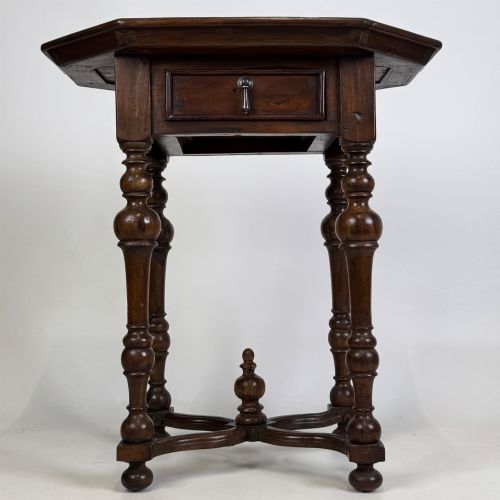


Octagonal Base Lamp
An octagonal base lamp brings geometric form and period character to a room, offering distinct silhouettes shaped by brass, silver, marble and timber.
Octagonal Base Lamp
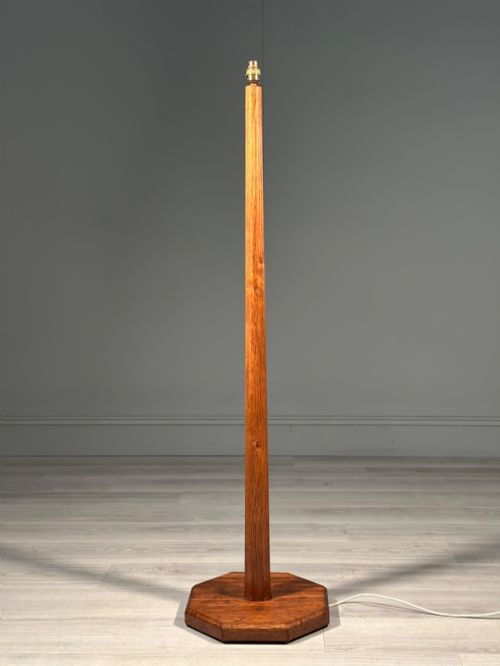
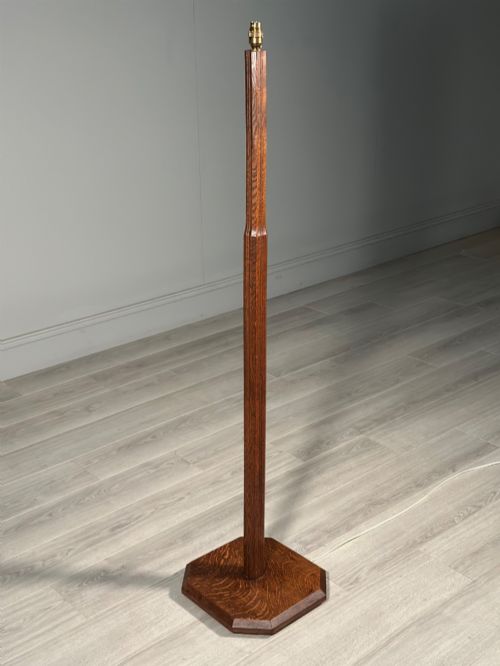
An octagonal base lamp combines functional illumination with geometric architectural presence, appearing across various historical periods from the nineteenth century into the twentieth. When looking for an octagonal base lamp, buyers encounter pieces fashioned as table lamps and floor-standing standard lamps rather than uniform designs.
The materials span polished brass, sterling silver, silver plate, bronze, and rich hardwoods including oak, mahogany, and pollard oak. Certain examples incorporate marble effects or porcelain de biscuit elements to elevate the decorative scheme.
Materials and Construction
Makers utilised solid metals like brass and sterling silver, often casting or mounting them with geometric precision to create stable eight-sided foundations. Silver pieces frequently bear hallmarks and stamps indicating their origins in workshops such as Sheffield.
Timber versions employ turned and carved hardwoods, pairing mahogany, oak, and pollard oak with contrasting details like ebony. Stone and ceramic components, including marble effects and porcelain de biscuit, add weight and visual texture to the finished bodies.
Octagonal Base Lamp Retail Price Guide 2026
Typical asking prices for octagonal base lamp among the pieces listed under this phrase on Sellingantiques today, from the lower quarter to the upper quarter. They describe what is for sale here now, not the wider market.
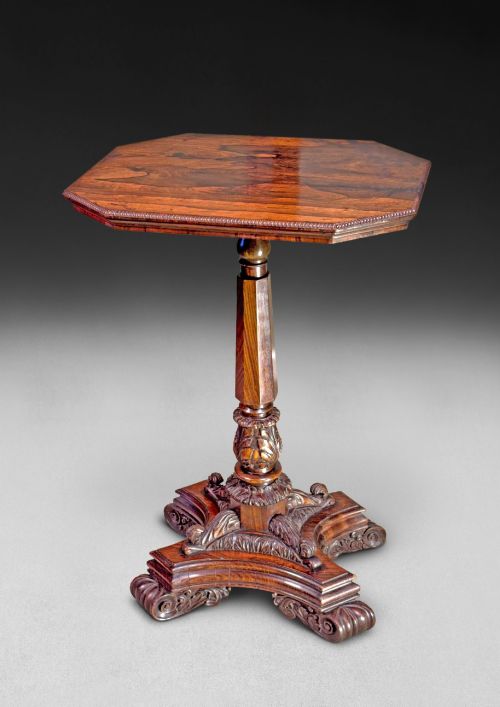
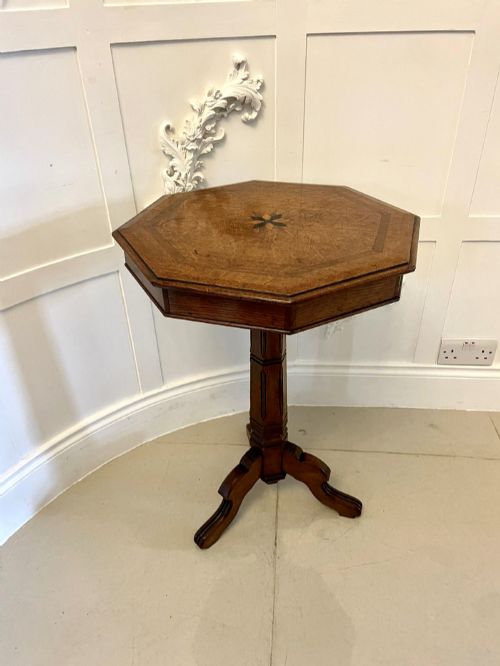
Some lamps secretly double as converted wine tables, proving that Victorians loved a tipple as much as good reading light.
Distinctions in Quality
The standard of an octagonal base lamp rests upon the crispness of its geometric angles and the integrity of its material combination. Finer examples display meticulous casting in metal or precise carving in hardwoods, ensuring balanced proportions from the base up to the shade.
Material selection dictates the upper tier of pieces, where solid sterling silver, substantial bronze, or highly figured pollard oak distinguish superior examples from simpler brass or wooden constructions. Original stamps, hallmarks, and integrated mounting details further elevate the workmanship.
Hawksworth Eyre & Co
The Octagonal Base Lamp Glossary
- Octagonal base
- A foundation formed with eight distinct sides, providing structural stability and geometric symmetry to the lighting fixture.
- Sterling silver
- A precious metal alloy containing a high purity of silver, frequently utilised for high-status table lamps and marked with official hallmarks.
- Pollard oak
- Timber taken from trees that have been pollarded, producing a richly figured and mottled grain highly prized in decorative furniture and lamp bases.
- Porcelain de biscuit
- Unglazed ceramic porcelain possessing a matte, fine-grained texture similar to marble, employed in decorative lamp bodies.
- Standard lamp
- A tall floor-standing lighting piece designed to illuminate a room from an upright position.
Octagonal Base Lamp: Frequently Asked Questions
What materials make up an octagonal base lamp?
These lamps appear in metals such as brass, bronze, sterling silver, and silver plate, alongside solid hardwoods like mahogany, oak, and pollard oak. Certain designs incorporate marble effects or porcelain de biscuit.
Material choice often reflects the period of manufacture, moving from nineteenth-century timber and silver craftsmanship into twentieth-century art deco metal and ceramic combinations.
How do I identify the period of a lamp?
Dating relies on stylistic clues, construction methods, and any accompanying hallmarks or stamps. Pieces range from nineteenth-century Regency and William IV forms to Edwardian and Art Deco designs from the nineteen-twenties and thirties.
Examining the turning of the timber, the casting quality of the metal, and the presence of maker marks helps place the piece within its historical era.
Were these always used as lighting?
While many were produced specifically as table lamps or standard floor lamps, some forms adapt furniture elements or incorporate vessel designs into electrified fittings. Certain period tables and columns serve dual decorative and functional roles in interior spaces.
Conversion from oil or candle to electricity is common in older examples, preserving the original stand while updating the operational capability.
Where should I place a standard lamp?
Floor-standing standard lamps suit corners or seating areas where they provide ambient illumination without cluttering tabletop surfaces. Their vertical presence anchors furniture arrangements in larger rooms.
Table-mounted variants sit effectively on side tables, occasional tables, or buffets, introducing layered lighting at a lower eye level.