



1930s Oak Standing Lamp
A 1930s oak standing lamp brings architectural presence and warm illumination to a room, embodying the bold geometry of the interwar years.
1930s Oak Standing Lamp
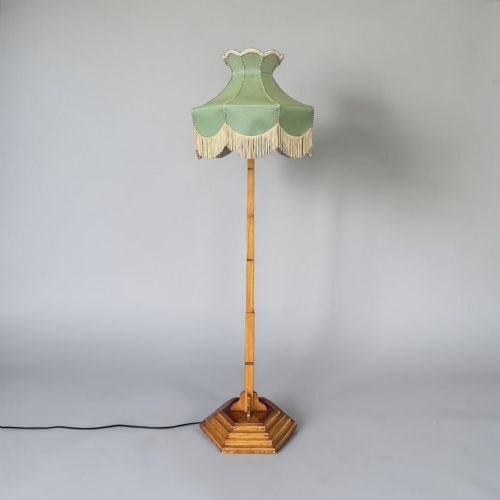
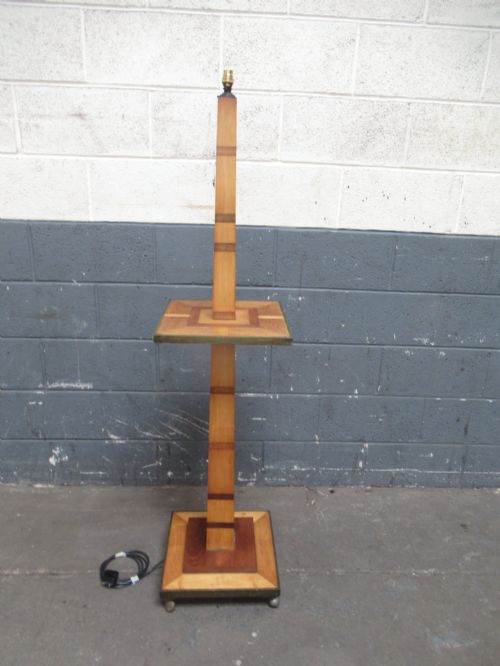
When you search for a 1930s oak standing lamp, you find vertical lighting pieces shaped by the design movements of the interwar period. The examples seen here include floor lamps and standard lamps originating from the 1920s and 1930s.
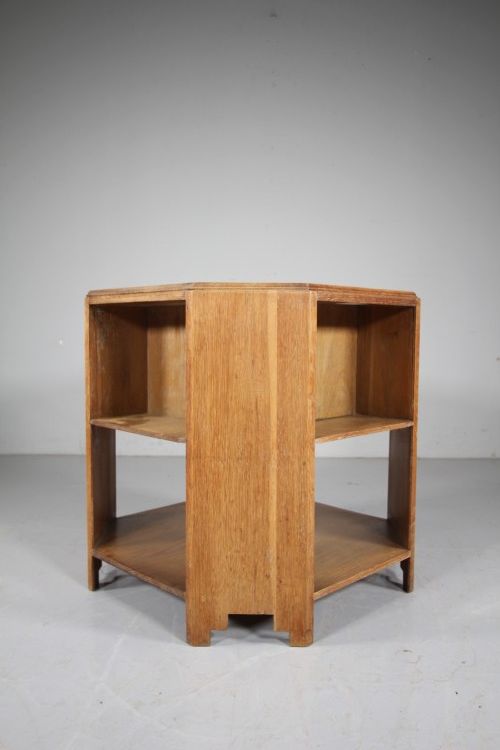
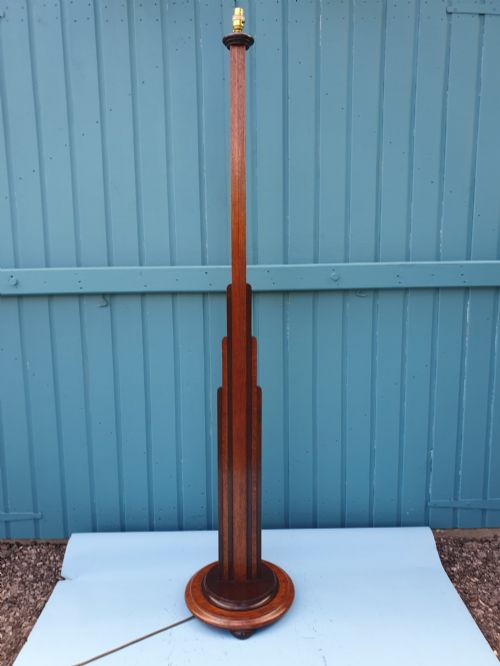
The most common versions combine golden oak with contrasting details, often reflecting an Art Deco or skyscraper aesthetic. Alongside these upright lights, the selection includes related occasional furniture sharing the same material vocabulary.
How they were made
These lamps rely primarily on solid oak, frequently paired with ebonised wood or contrasting brass elements to create distinct visual lines. Cabinetmakers shaped the timber into strong vertical standards, sometimes incorporating limed finishes to accentuate the grain.
Makers integrated functional surfaces such as attached shelving or combined tables into the structural design of the uprights. Textile components like fabric and fringe completed the upper portion, holding the illumination.
1930s Oak Standing Lamp Retail Price Guide 2026
Typical asking prices for 1930s oak standing lamp among the pieces listed under this phrase on Sellingantiques today, from the lower quarter to the upper quarter. They describe what is for sale here now, not the wider market.
Listings show oak combined with brass, walnut, and ebonised wood across standard lamps and occasional tables.
What varies in quality
The distinction between standard examples and exceptional pieces rests upon the precision of the woodwork and the strength of the stylistic execution. Bold geometric massing in the skyscraper tradition commands greater visual authority than simpler turned shafts.
The integration of contrasting materials, such as ebony or ebonised wood details against golden oak, separates run-of-the-mill production from ambitious interwar design.
Heals
The 1930s Oak Standing Lamp Glossary
- Standard Lamp
- A floor-standing lighting fixture designed to illuminate a room from a vertical timber post. These objects elevate the light source above table height.
- Art Deco
- A design style dominant in the 1920s and 1930s characterised by symmetrical geometric shapes and streamlined forms. It is seen here in skyscraper and stepped lamp profiles.
- Ebonised Wood
- Timber treated to resemble ebony, providing a deep black contrast to lighter woods. This technique highlights structural lines on interwar furniture.
- Limed Oak
- Wood treated with a whitish finish to pick out the open grain patterns. This surface treatment brightens the tone of the timber.
1930s Oak Standing Lamp: Frequently Asked Questions
What defines a 1930s oak standing lamp?
These lamps are vertical lighting fixtures constructed from oak, often exhibiting the geometric lines typical of the Art Deco period. They serve as both functional illumination and sculptural room elements.
Many examples incorporate contrasting materials like ebony or brass, reflecting the distinctive design priorities of the interwar decades.
How do I place one in a room?
A standard lamp works effectively beside seating areas or in corners where vertical height balances low furniture. Their architectural presence anchors a room without demanding excessive floor space.
Ensure the scale of the lamp aligns with surrounding tables and seating to maintain visual proportion.
How do I distinguish 1920s from 1930s styles?
Pieces from this era transition from transitional revival styles into bolder modernist geometry. The introduction of skyscraper silhouettes marks the height of the 1930s aesthetic.
Material combinations also shift, with ebonisation and limed finishes becoming prominent alongside golden oak surfaces.
What maintenance do these lamps require?
Timber surfaces benefit from occasional dusting and the application of suitable wax to preserve the finish. Avoid placing them in direct sunlight to protect the natural tone of the oak.
Electrical components should be checked by a qualified professional to ensure safety during daily use.