


Ochre Country Painting
Ochre country painting gathers works and painted surfaces capturing rural life through warm earthen pigments.
Ochre Country Painting
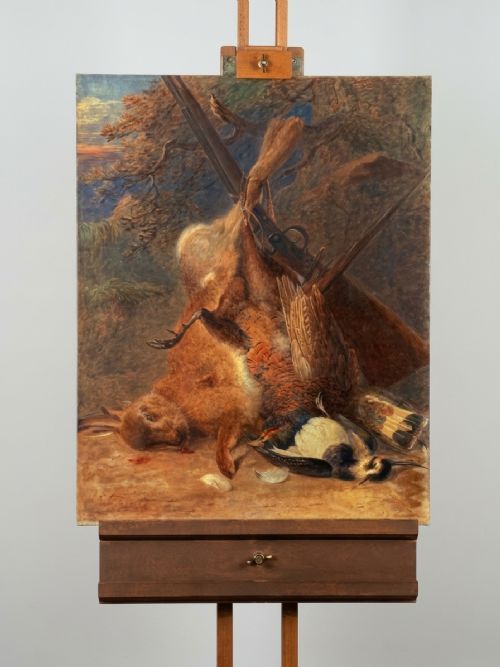
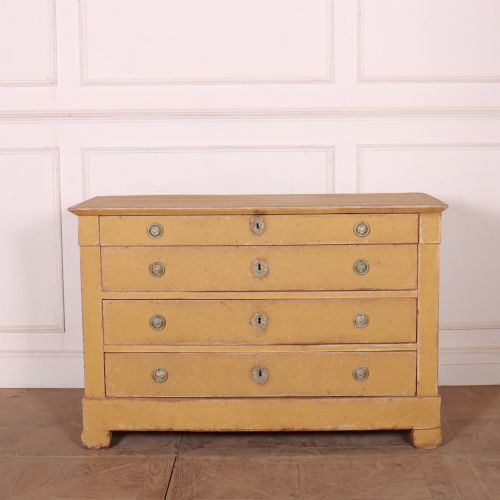
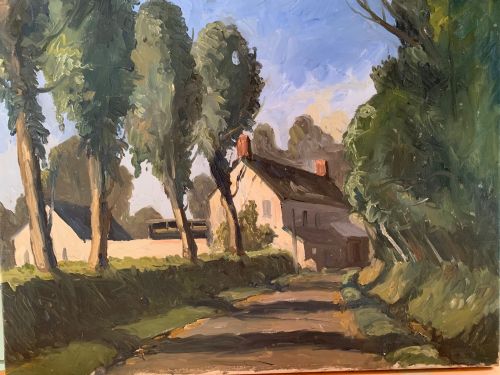
When searching for ochre country painting, buyers encounter a mix of fine art watercolours and oils alongside rustic painted furniture finished in earthy yellow and mustard tones. The selection spans the nineteenth century up to the mid-twentieth century, recording agricultural scenes, landscapes, and domestic items from Britain, France, Sweden, and Eastern Europe.
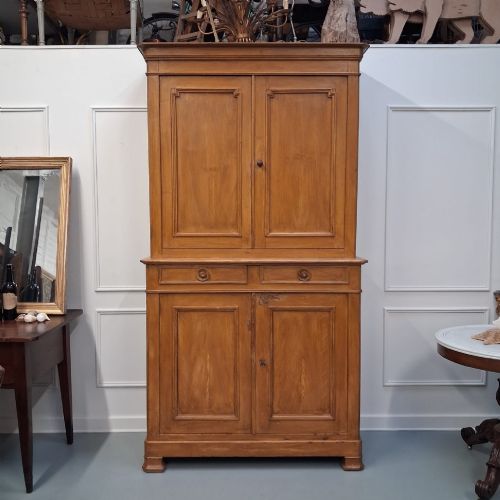
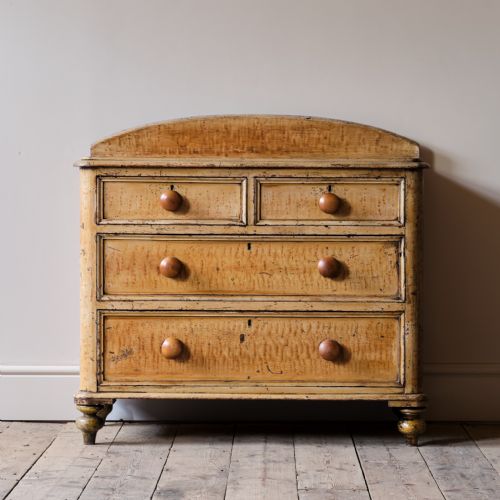
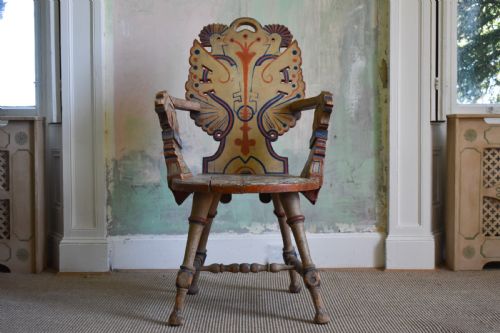
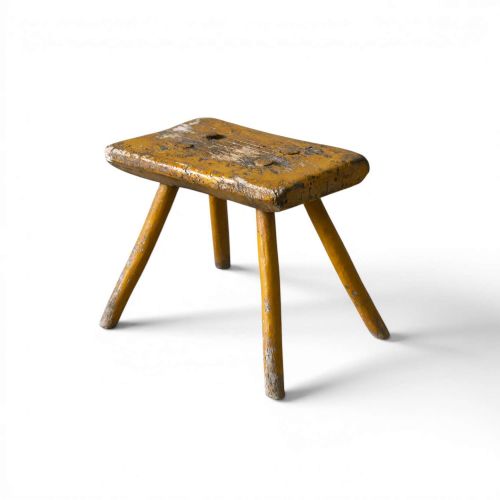
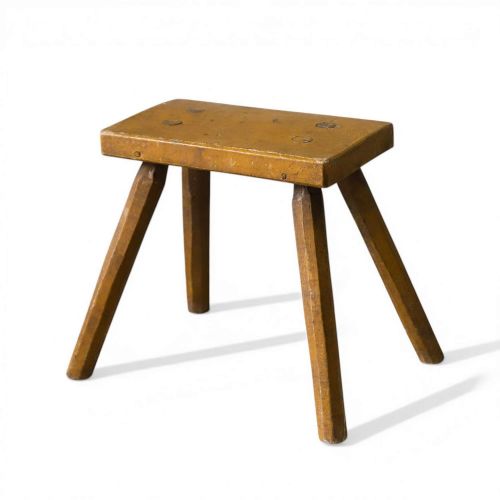
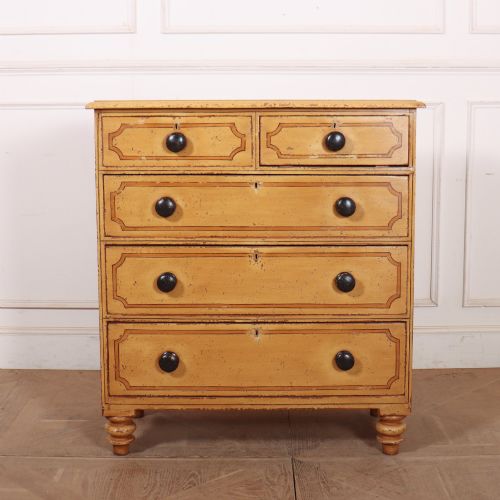
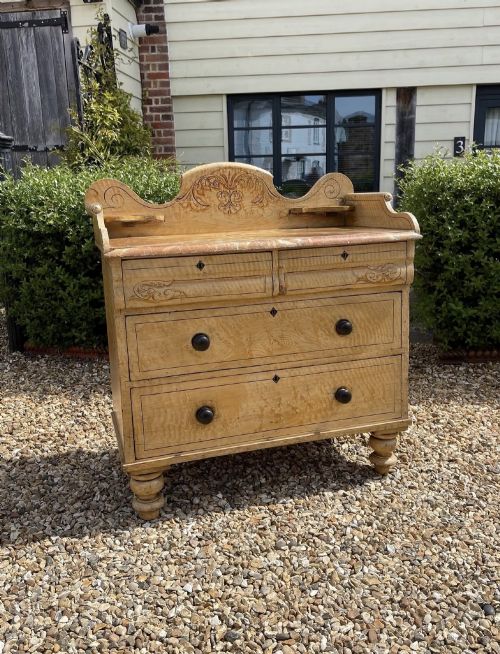
The painted objects share ground with fine art, uniting canvas and paper depictions of harvest fields and cottages with pine cupboards, milking stools, and chests carrying original scumble or ochre coats. These pieces reflect regional domestic traditions where utilitarian wooden forms received durable decorative finishes.
Materials and construction
The pieces rely on native softwoods such as pine for furniture, paired with traditional supports for the artworks including canvas, panel, paper, and board. Makers applied oil paint, bodycolour, and watercolour to build rich surfaces.
Painted surfaces frequently utilise scumble glazes, original yellow ochre pigment layers, and brushwork executed in plein air or studio settings. This combination of straightforward carpentry and layered pigments defines the physical character of the group.
The site listings combine nineteenth-century watercolours on paper with Victorian pine chests and Eastern European milking stools in matching yellow paint.
Assessing the pieces
Quality rests in the survival of the original pigment surfaces on both the canvases and the wooden items. Pieces retaining their untouched scumble, mustard, or ochre paint without extensive overpainting command greater interest.
Artistic execution and structural integrity divide the examples. Strong draughtsmanship in the watercolours and solid joinery in the country furniture elevate individual pieces above standard utility grades.
George Sydney Shepherd·Arthur Winter Shaw·David Woodlock·Fred Stead·William Lucas·Frederick William Jackson·Arthur Claude Strachan·George Hamilton Constantine·William Greaves·Fred Lawson·Francis Wall·Robert Thorne Waite·Charles Ashmore
The Ochre Country Painting Glossary
- Scumble paint
- A translucent or semi-opaque layer of pigment dragged over a lighter base colour to create broken colour effects. It appears frequently on nineteenth-century furniture surfaces.
- Bodycolour
- Watercolour mixed with a dense white pigment to produce an opaque finish. This medium gives highlights greater solidity on paper supports.
- Plein air
- Painting executed outdoors directly in front of the subject. This method captures natural light conditions common in rural landscapes.
- Scandi folk art
- Decorative crafting traditions originating from Scandinavian rural communities. These objects often display bright regional palettes and painted motifs.
Ochre Country Painting: Frequently Asked Questions
What periods do these pieces date from?
The selection spans from the Victorian era and the nineteenth century through to the 1930s and mid-century periods.
Most items originate from regional European workshops and British rural communities during the height of pastoral painting.
Are the painted finishes original?
Many items retain their original scumble, yellow, or ochre paint layers applied decades ago.
Surfaces show natural wear consistent with daily domestic and agricultural use over generations.
What subjects appear in the artworks?
The artworks focus primarily on pastoral landscapes, harvest times, and rural cottages.
Scenes capture haymaking, coastal cliffs, and everyday village life across Britain and continental Europe.
How do I care for original painted wood?
Keep painted furniture out of direct sunlight and away from rapid temperature changes to protect the pigment.
Dust gently with a dry cloth and avoid harsh chemical cleaners that might lift the historic surface.