



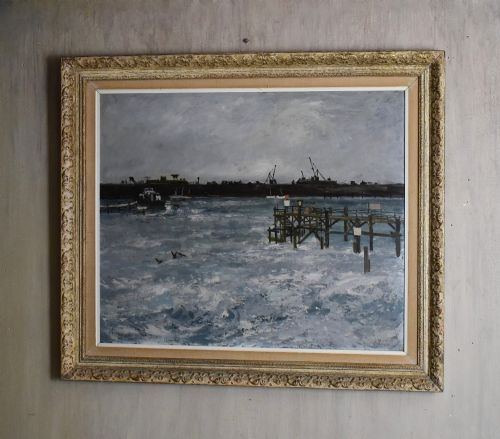
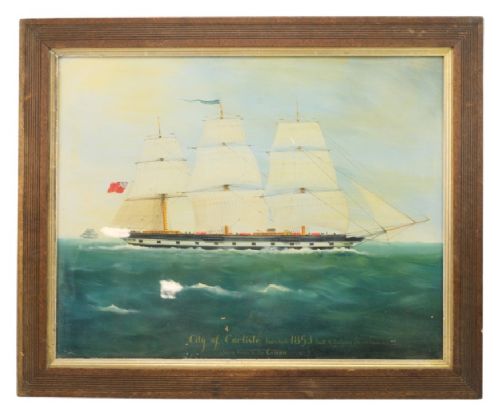
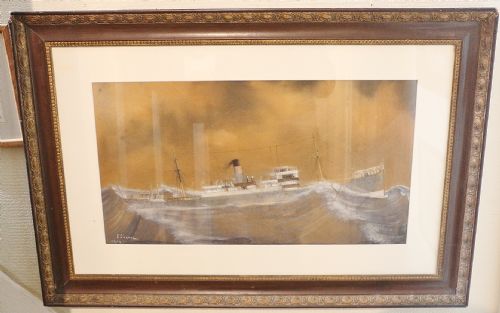
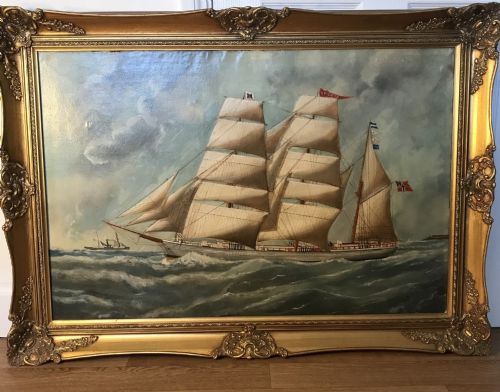
Ocean Seascape Painting
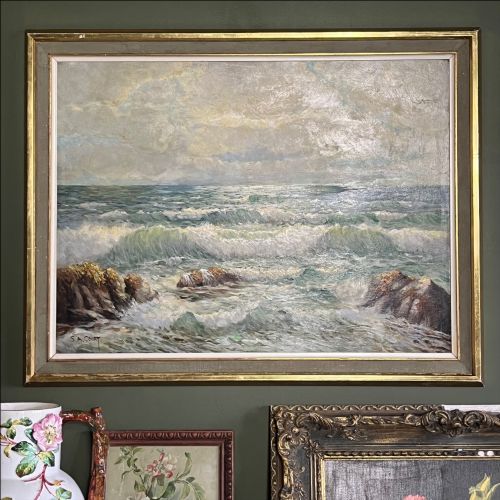
An ocean seascape painting captures the power and atmosphere of open water, from rocky shores to distant shipping lanes.
Ocean Seascape Painting
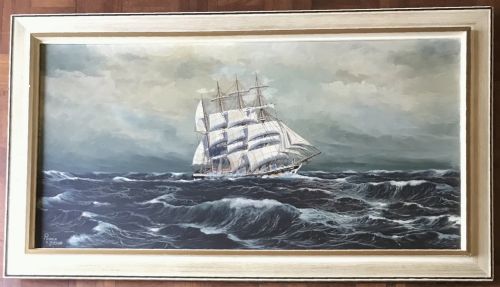
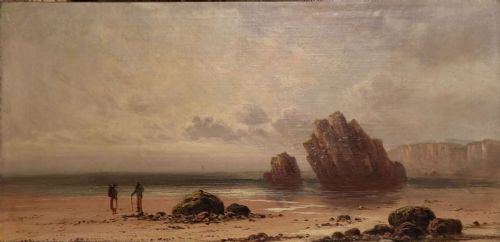
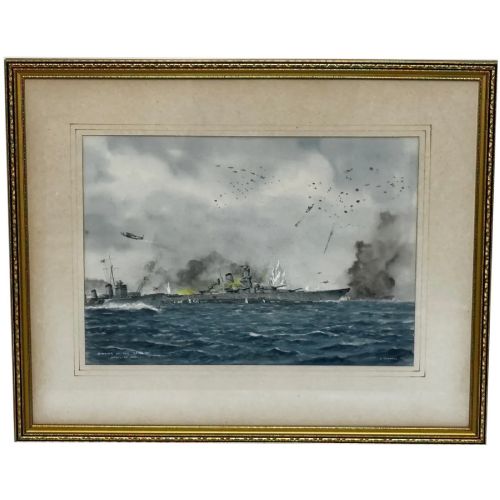
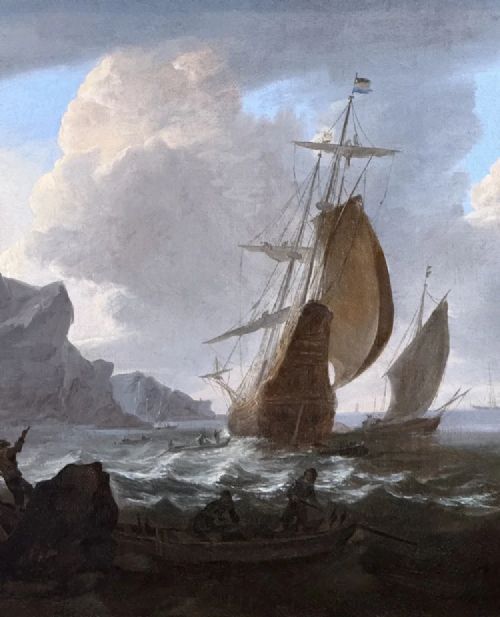
An ocean seascape painting depicts marine views, coastal landscapes, and maritime scenes through various historical lenses. Collectors searching this phrase encounter works ranging from nineteenth-century Victorian pieces to mid-twentieth-century modern interpretations.
The inventory spans several decades, with nineteenth-century and early twentieth-century examples appearing frequently alongside later modernist and British impressionist works.
How they were made
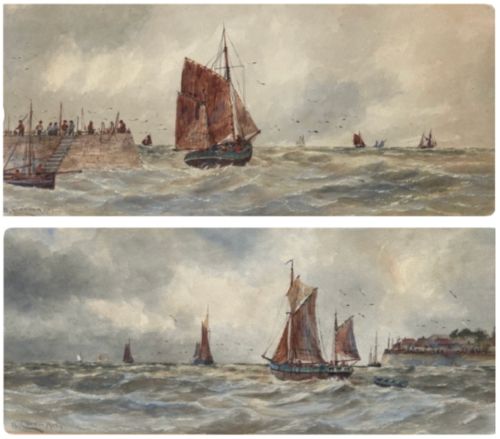
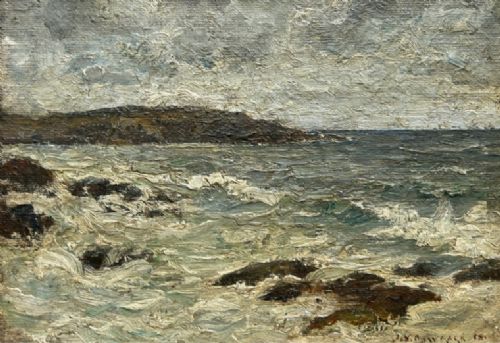
Artists painted primarily in oil on canvas or applied watercolour to paper, occasionally utilising gouache on board or impasto techniques to build physical texture in the water and sky. Pigments were worked with brushes or palette knives, sometimes en plein air directly along coastal locations to capture changing light.
Support materials include traditional wooden stretchers, canvas panels, and heavy paper, often housed within original gilt wood frames that complement the maritime subject matter.
Listings span from the seventeenth century through to the late twentieth century, utilising oil, watercolour, gouache, and impasto on canvas, paper, and board.
What varies in quality
The strength of composition and the artist's handling of light and atmospheric pressure determine the distinction between ordinary topographical records and compelling marine art. Superior works convey the movement of water and the weight of stormy skies with confident brushwork and tonal balance.
Framing and preservation also influence the standing of a piece, particularly the survival of original gilt wood surrounds and the stability of the canvas or paper support against environmental exposure.
William Cannon·Clifford Hanney·Charles Edward Dixon·Eric Tufnell·William Banks Fortescue·John Rose Miles·Bonaventura Peeters·F. Corpuz·Peter Brannan·Thomas Hodgson Liddell·William Henry Williamson·George Stanfield Walters·Henry Barlow Carter·John Moxon·Elisabeth Bardon·Charles William Adderton·Charles Napier Hemy·Gustave De Bréanski·Thomas Bush Hardy·Daniel Sherrin
The Ocean Seascape Painting Glossary
- Impasto
- Paint applied thickly to a canvas, standing out from the surface so that the texture of the brush or palette knife remains visible.
- En plein air
- The act of painting outdoors, allowing the artist to observe direct natural light and weather conditions firsthand.
- Gouache
- An opaque water-based paint that dries to a matte finish, frequently used on paper or board for marine illustrations.
- Sea stack
- A geological landform consisting of a steep and often vertical column or columns of rock in the sea, common in coastal views.
Ocean Seascape Painting: Frequently Asked Questions
What subjects appear in these paintings?
The works depict coastal cliffs, fishing boats, merchant ships, and open ocean swells under various weather conditions. Scenes range from calm harbours to dramatic storms at sea.
Many pieces record specific locations along British, French, and Norwegian coastlines, documenting historical vessels and maritime life.
How are nineteenth-century works identified?
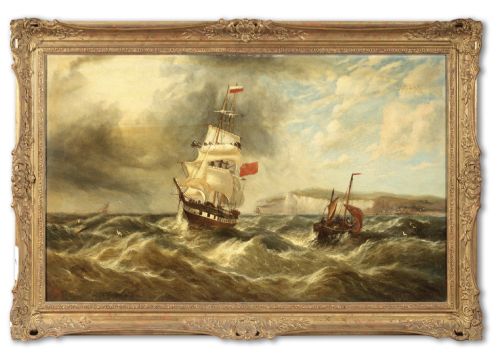
Nineteenth-century pieces often feature traditional Victorian maritime styles, detailed rigging on sailing ships, and heavier gilt wood frames. Signatures, dates, and canvas stamps help confirm the period.
Subject matter also points to the era, particularly depictions of steamships, three-masted schooners, and naval encounters typical of the nineteenth century.
Where should these artworks be hung?
These paintings suit rooms with stable humidity and indirect natural light to protect the canvas, paper, and gilt frames. Wall placement should avoid direct heat sources and prolonged direct sunlight.
Secure wall fixings are essential, particularly for heavier framed oil paintings on canvas.
What is the difference between watercolour and oil paintings here?
Watercolour paintings use water-soluble pigments on paper, presenting a lighter, more transparent finish that typically requires protective glass framing. They capture delicate atmospheric effects in coastal skies.
Oil paintings utilise pigmented oils on canvas or board, offering deeper textures, richer colour saturation, and greater durability over time.