

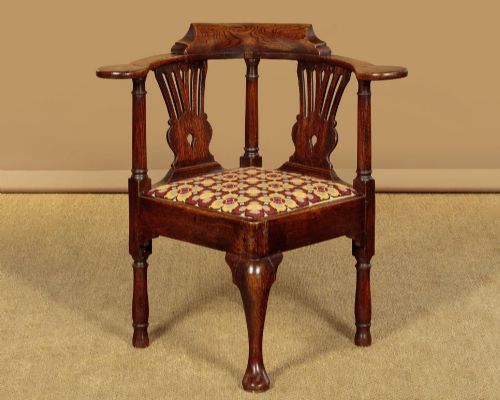
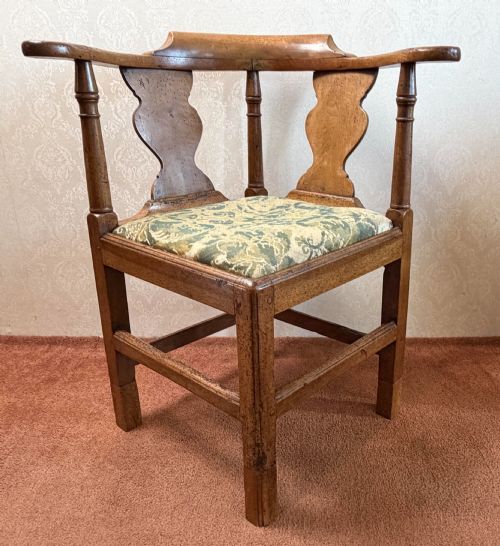


Oak Writing Desk Chair
An oak writing desk chair brings sturdy timber and honest joinery to your study, offering a dependable seat for daily correspondence.
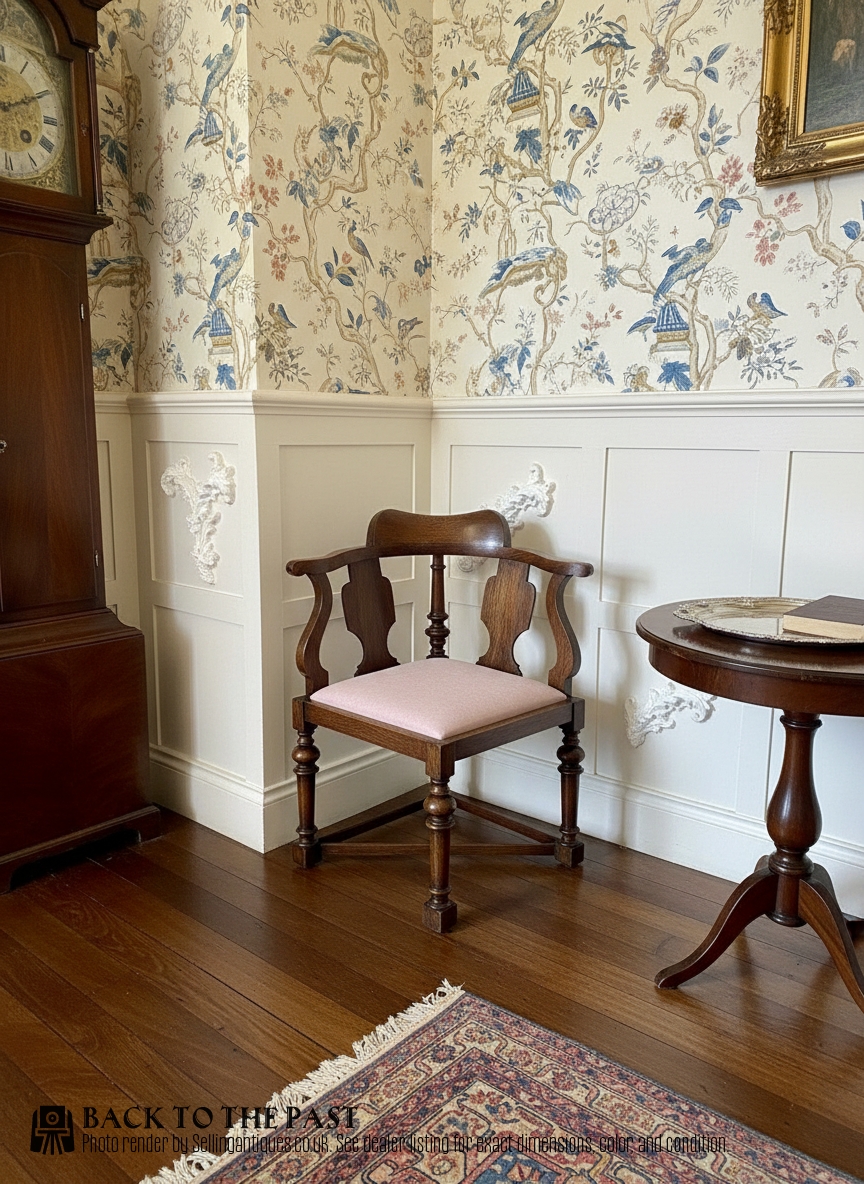
Oak Writing Desk Chair
When you search for an oak writing desk chair, you encounter a selection of sturdy seating designed for practical use in studies and libraries. The examples seen here span multiple eras, notably the eighteenth century and the Victorian period, reflecting long traditions of British furniture making.
The most common forms on this page include corner chairs and library desk chairs fashioned from solid timber. These pieces often feature traditional materials like leather, fabric, and rush, serving both domestic and utilitarian purposes in period interiors.
Originating from periods such as the Georgian and Edwardian eras, these chairs combine functional desk seating with robust joinery. Their enduring forms suit both traditional workspaces and modern rooms seeking period character.
How they were made
Maker construction relies heavily on solid oak and fruitwood frames, sometimes enhanced with marquetry inlay or intricate carving. These materials provide the structural integrity required for daily seating at a desk.
Upholstery methods incorporate leather, fabric, and rush seats to ensure comfort during writing or reading. Brass details occasionally appear as functional hardware or decorative accents on library desk chairs.
Oak Writing Desk Chair Retail Price Guide 2026
Typical asking prices for oak writing desk chair among the pieces listed under this phrase on Sellingantiques today, from the lower quarter to the upper quarter. They describe what is for sale here now, not the wider market.
Current listings feature oak and fruitwood materials across Georgian, Victorian, and Edwardian styles.
What varies in quality
Quality differences emerge in the selection of timber and the crispness of any carved detailing on the frame. Superior examples demonstrate careful grain matching and well-executed joinery that withstands centuries of use.
The treatment of secondary materials, such as supple leather upholstery or neatly woven rush seats, distinguishes finer pieces from simpler utilitarian seating.
Lamb of Manchester
The Oak Writing Desk Chair Glossary
- Corner chair
- A type of chair designed to fit into the corner of a room, featuring a curved backrest supported by multiple posts and a square seat. These pieces often serve as desk or writing chairs.
- Fruitwood
- A dense timber harvested from fruit-bearing trees, used alongside oak in regional furniture making. It provides a smooth grain and warm tone.
- Marquetry inlay
- Decorative patterns formed by fitting contrasting pieces of wood veneer into a recess on the furniture surface. This technique requires high skill from the cabinetmaker.
- Rush
- Dried marsh grass twisted into cords and woven to create flexible, resilient chair seats. It appears frequently on traditional vernacular seating.
Oak Writing Desk Chair: Frequently Asked Questions
What periods do these chairs come from?
The inventory on this page spans several distinct eras, beginning in the eighteenth century with Georgian designs and continuing through the Victorian and Edwardian periods.
Buyers will find pieces reflecting the styles of specific decades, including items from the eighteen-eighties and eighteen-nineties alongside earlier eighteenth-century examples.
How were these chairs used historically?
These chairs were primarily built for practical use in studies, libraries, and home offices, providing comfortable seating for writing and correspondence.
Corner chairs and library desk chairs were specifically placed in rooms where space optimisation or sturdy daily seating was required.
What materials are most common?
Solid oak forms the primary structural material for nearly all pieces, occasionally supplemented by fruitwood frames and detailed marquetry inlay.
Seating surfaces frequently incorporate leather, woven rush, or fabric upholstery, while brass hardware appears on select library desk chairs.
How do I care for antique oak?
Maintain your chair by keeping it away from direct heat sources and dramatic humidity fluctuations, which can cause timber to split.
Apply a traditional beeswax polish sparingly to nourish the wood grain and preserve the natural finish over time.