

Oak Wood Buffet
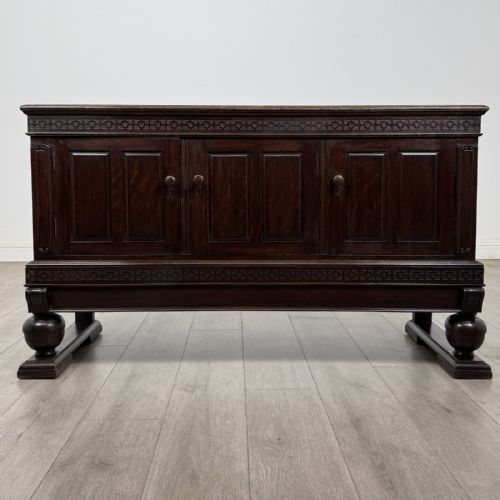
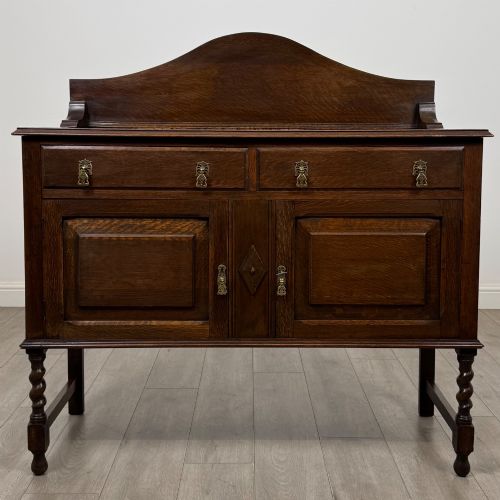
An oak wood buffet provides substantial storage and a commanding presence, drawing upon centuries of robust cabinet-making traditions.
Oak Wood Buffet
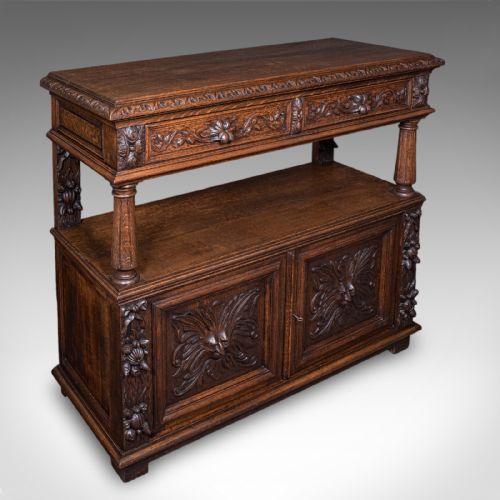
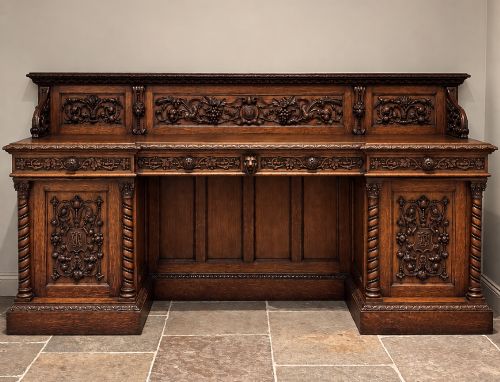
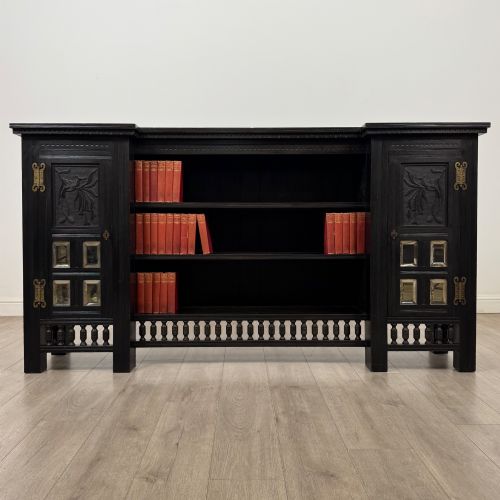
An oak wood buffet encompasses heavy sideboards, dresser bases, and cabinets designed for dining rooms and large hallways. Buyers encounter pieces spanning from the 17th century through to the mid 20th century, reflecting shifting domestic needs over generations.
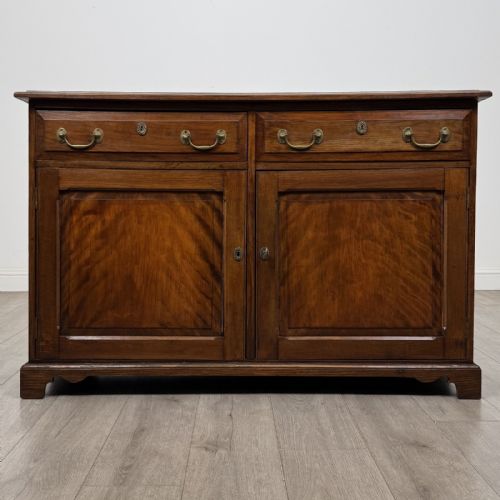
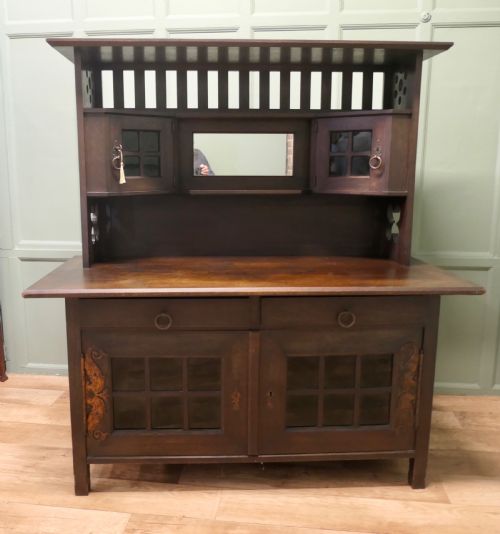
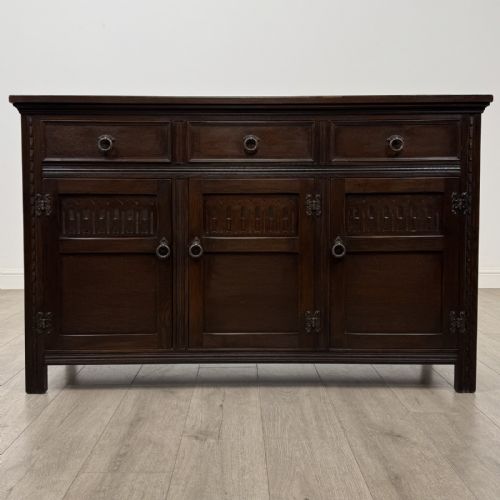
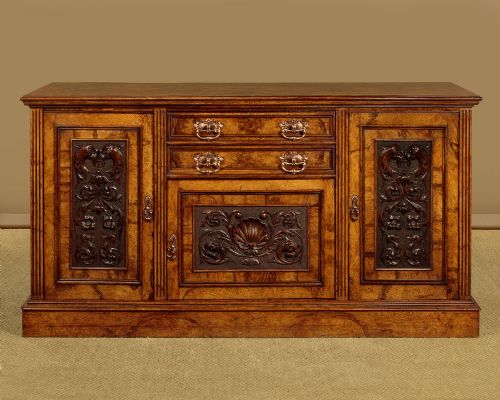
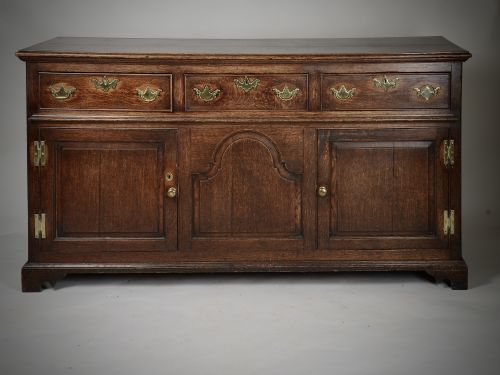
The selection on this page leans heavily toward Victorian and Edwardian examples, alongside earlier Georgian and 18th century country house pieces. Sideboards and dresser bases dominate the offerings, often featuring functional drawer and cupboard arrangements.
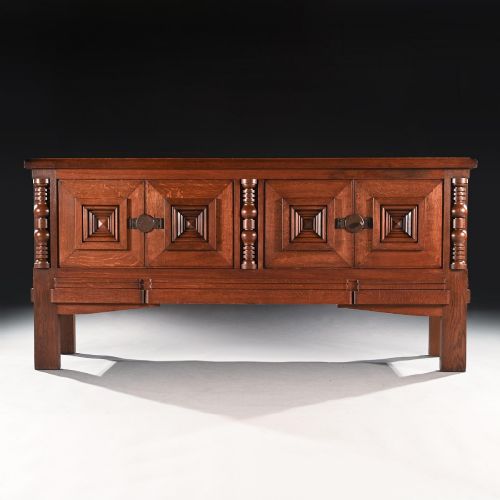
Origins vary from English country workshops to continental makers, bringing regional quirks like potboards, linenfold panels, and geometric mouldings to the form.
Materials and Construction
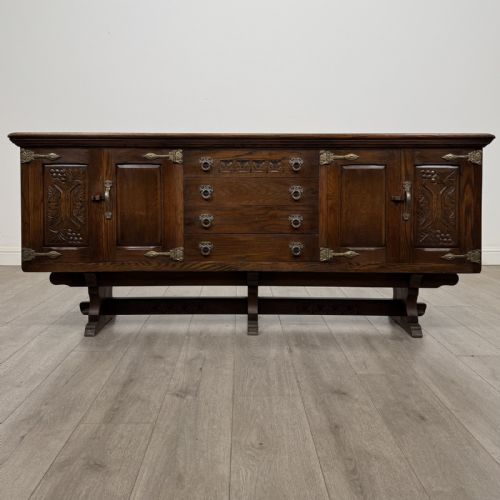
Solid oak serves as the primary timber, occasionally paired with pollard oak, walnut, or burr elm for decorative contrast. Cabinetmakers utilised traditional joinery, integrating brass hardware, iron fittings, and glass panels into the heavier frameworks.
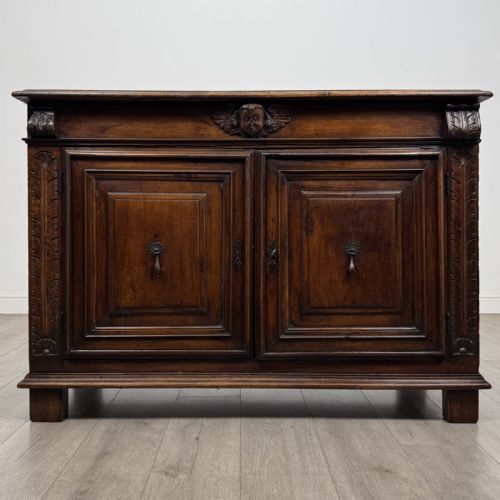
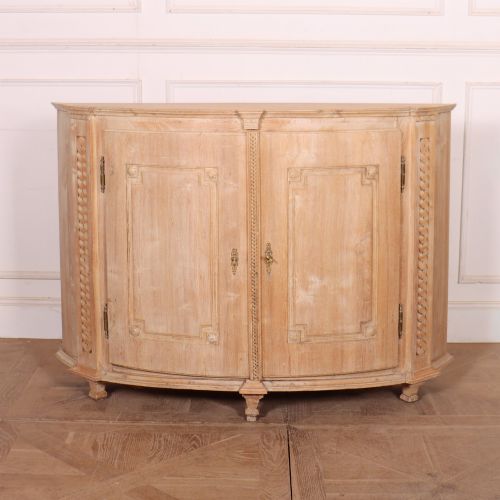
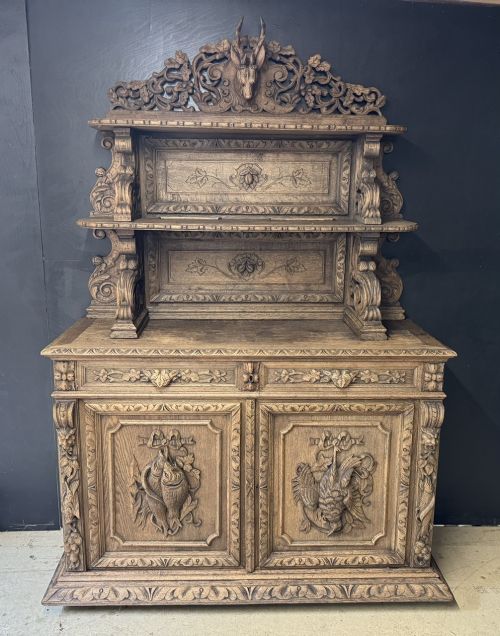
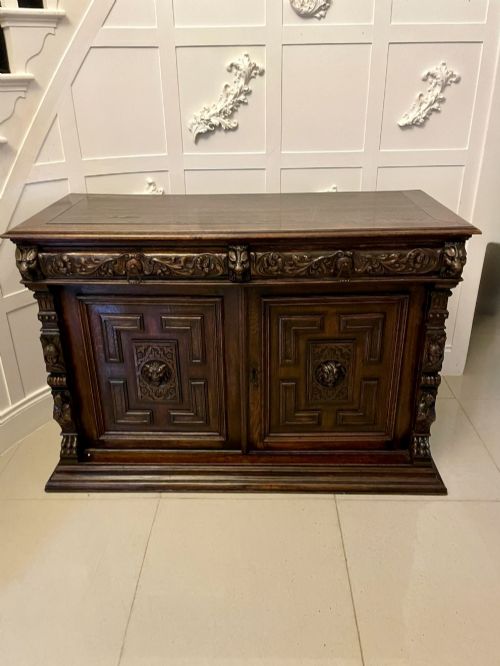
Carving defines many surfaces, from shallow geometric panels to deep relief work depicting cherubs, lions, and Green Man motifs. Finishes range from natural bleached tones to ebonised highlights and French polish.
Oak Wood Buffet Retail Price Guide 2026
Typical asking prices for oak wood buffet among the pieces listed under this phrase on Sellingantiques today, from the lower quarter to the upper quarter. They describe what is for sale here now, not the wider market.
Listings feature oak alongside brass, iron, glass, and walnut across periods spanning the 17th century to the mid 20th century.
Assessing Craftsmanship
Quality rests upon the depth of the carving, the selection of timber grain, and the integrity of the original construction. Finer pieces display crisp, hand-chiseled details rather than mechanical tooling, alongside well-figured oak boards chosen for the drawer fronts and top panels.
The treatment of secondary timbers and the retention of original hardware, locks, and keys elevate an example above standard utility items.
Leonard Wyburd for Liberty and Co.·Charles Dudouyt
The Oak Wood Buffet Glossary
- Dresser base
- A lower cabinet featuring drawers and cupboards, originally designed for food preparation and storage in large kitchens.
- Potboard
- An open slatted lower shelf on a dresser base, traditionally used for storing pots and heavy earthenware.
- Pollard oak
- Timber taken from trees that were cut back close to the trunk, producing a tightly clustered, highly decorative grain pattern.
- Green Man
- A sculptural architectural ornament depicting a human face intertwined with leaves, vines, and foliage.
Oak Wood Buffet: Frequently Asked Questions
How do I date an oak buffet?
Dating relies upon examining construction methods, timber selection, and stylistic cues such as hardware and panel thickness. Earlier pieces from the 17th and 18th centuries typically display hand-pegged joints and simpler board construction.
Later Victorian and Edwardian revivals introduce machine-sawn elements, heavier carved ornamentation, and standardised drawer runners.
Are these buffets suitable for modern dining rooms?
These robust sideboards offer exceptional storage capacity for modern living spaces, accommodating dinnerware, linens, and contemporary media equipment. Their deep surfaces function effectively as serving areas during gatherings.
Consider the room dimensions carefully, as many of these pieces possess deep proportions and heavy architectural weight.
What is the difference between a buffet and a sideboard?
Historically, buffets served as lower serving tables or cupboards specifically intended for food presentation in dining halls. Sideboards evolved to include more extensive drawer configurations and enclosed cabinet space for tableware storage.
In modern categorisation, the terms often overlap significantly when describing heavy oak case furniture.
How should I care for antique oak furniture?
Maintain the timber by keeping it away from direct heat sources and sudden humidity shifts that can cause splitting. Regular dusting with a dry, soft cloth preserves the finish.
Apply a quality beeswax sparingly only when the wood appears dry, buffing it gently to maintain the natural sheen.