





Oak Wall Art Plaques
These oak wall art plaques bring centuries of intricate timber carving and relief work into your rooms.
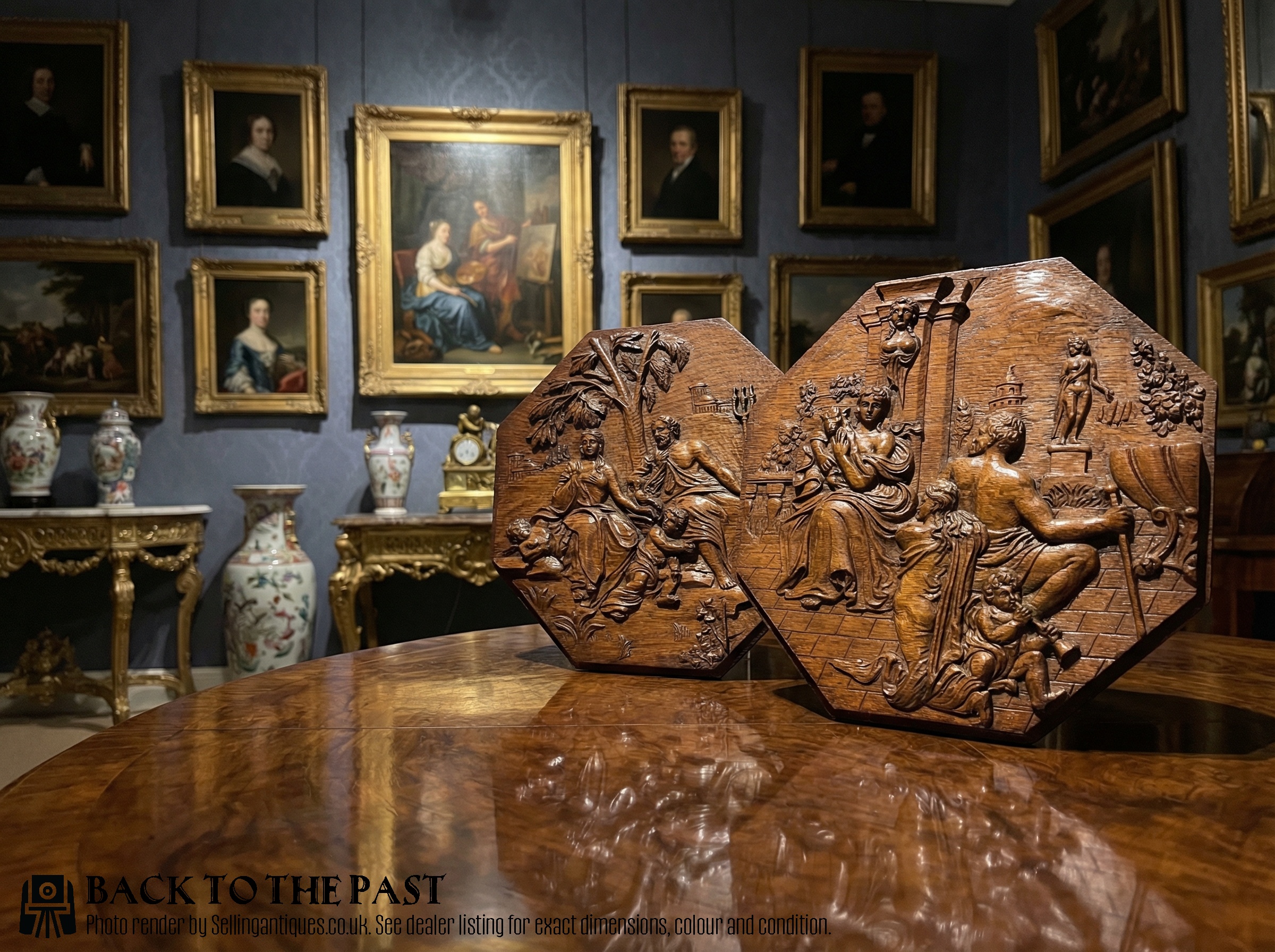
Oak Wall Art Plaques
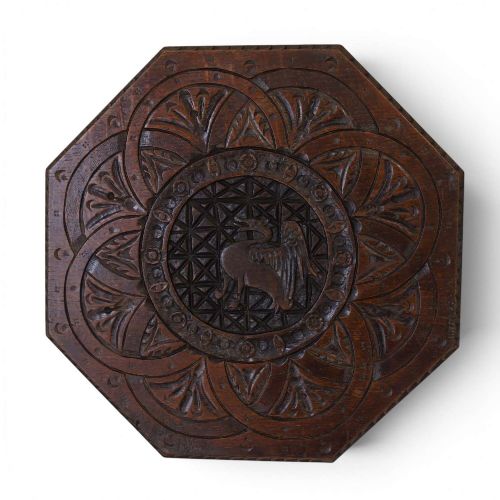
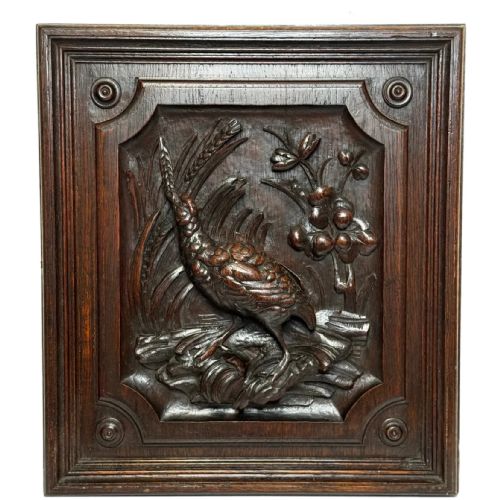
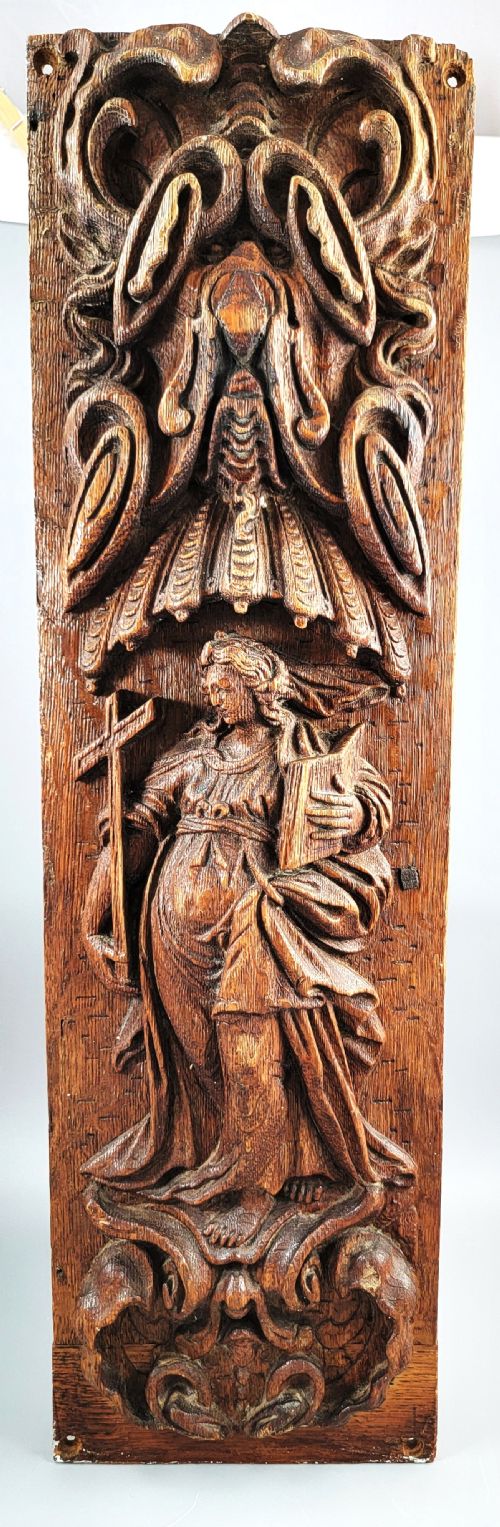
When you search for oak wall art plaques, you are looking at carved wooden panels, architectural salvage, and framed reliefs originating from the seventeenth century through to the early twentieth century. The selection ranges from primitive serpent carvings and baroque allegorical panels to Arts and Crafts motto signs and Victorian hunting sculptures.
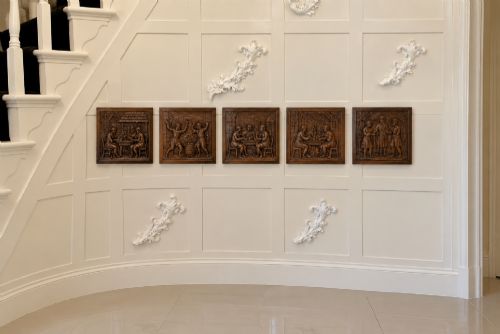
The version you are most likely to meet on this page is a nineteenth-century carved panel, often sourced from domestic furniture, church interiors, or architectural settings before being adapted for wall hanging. These pieces frequently showcase regional European carving traditions, including German folk art, Dutch baroque, and English gothic revival styles.
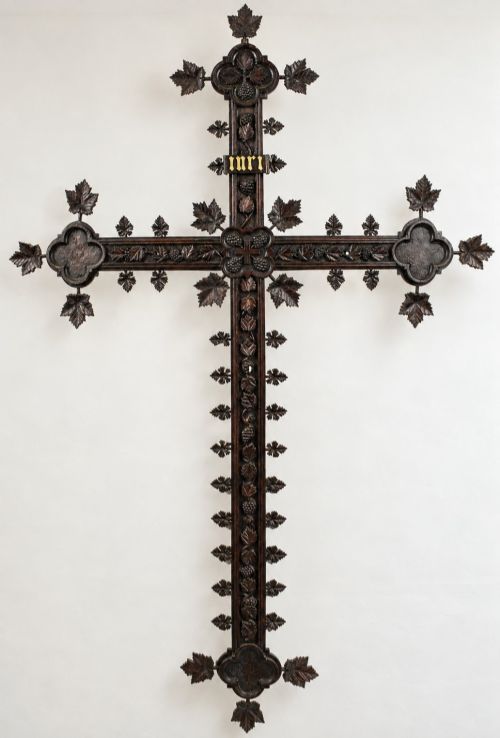
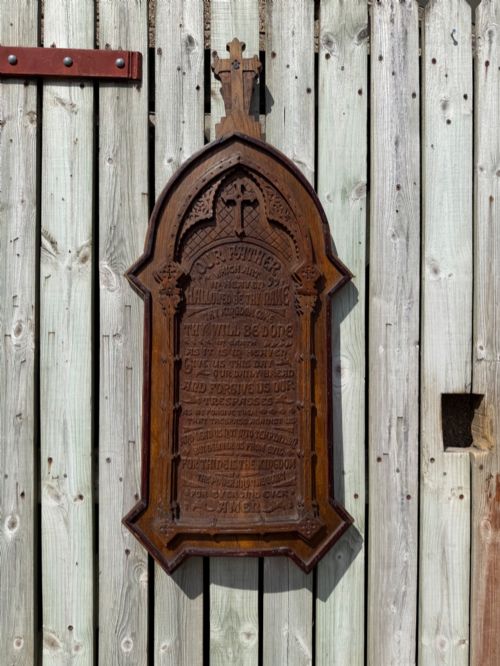
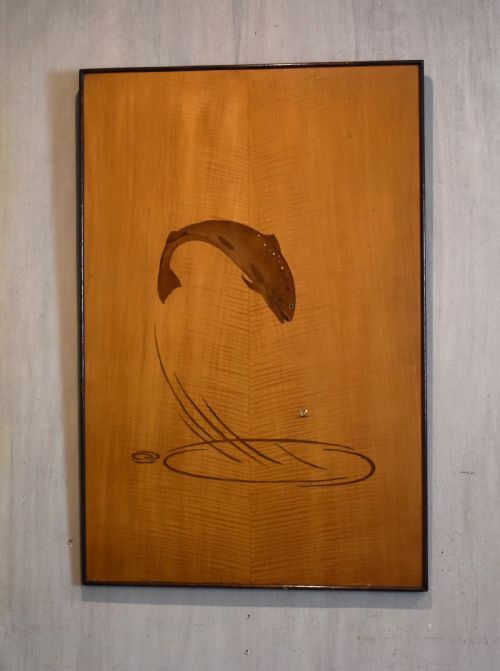
Beyond standard decorative panels, the category encompasses specialised forms such as crests inset into brass frames, marquetry depictions of wildlife, and religious texts rendered in timber and mother of pearl. Each piece carries the distinct weight of its original architectural or domestic context.
How they were made
The makers of these pieces relied primarily on solid oak timber, chosen for its durability and responsiveness to deep relief carving. Artisans utilised hand chisels and gouges to build up three-dimensional scenes, achieving depth and shadow entirely through timber manipulation.
Many works incorporate contrasting materials to accent the primary oak construction. Examples integrate beaten copper, brass frames, glass elements, and mother of pearl inlay to catch the light and create tonal variety across the surface.
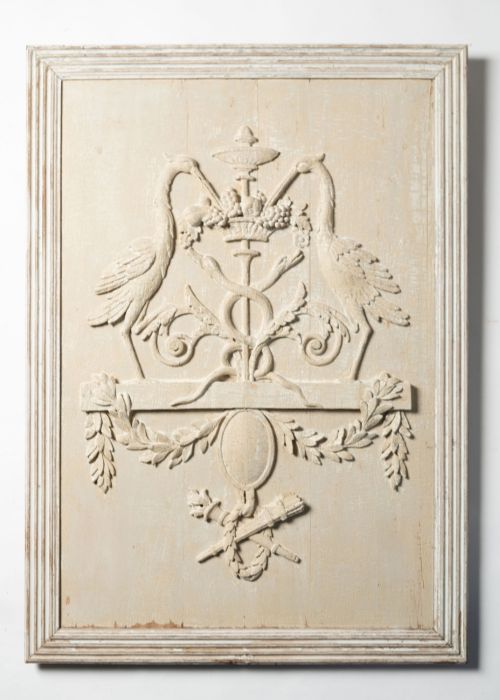
Certain panels feature applied paint or remnants of historic finishes, highlighting the grain and preserving the timber against atmospheric changes. Construction techniques often reflect centuries-old joinery methods appropriate to wall mounting and architectural framing.
Oak Wall Art Plaques Retail Price Guide 2026
Typical asking prices for oak wall art plaques among the pieces listed under this phrase on Sellingantiques today, from the lower quarter to the upper quarter. They describe what is for sale here now, not the wider market.
Listings feature oak wall art spanning six centuries, incorporating materials such as brass, mother of pearl, painted wood, and beaten copper.
What varies in quality
The distinction between ordinary and exceptional work rests entirely on the execution of the carving. Master carvers achieved anatomical precision, fluid drapery, and a convincing sense of perspective within shallow timber depths, whereas lesser pieces rely on stiff, formulaic repetition.
Proportion and architectural harmony also dictate the caliber of a panel. Pieces that retain their original framing and structural integrity sit above fragments that have suffered aggressive alterations or mismatched adaptations over the centuries.
The Oak Wall Art Plaques Glossary
- Relief
- A sculptural technique where the figures project from a background plane. High relief projects significantly, creating strong shadows.
- Marquetry
- The art of applying pieces of veneer to a structure to form decorative patterns. This technique uses natural wood grains for pictorial effect.
- Architectural salvage
- Building components rescued from demolition or alteration. These elements are frequently repurposed as decorative wall hangings.
- Baroque
- A period style characterised by ornate detail and dramatic movement. Panels from this era display theatrical compositions and deep undercut carving.
Oak Wall Art Plaques: Frequently Asked Questions
Are these plaques from original buildings?
Many of these pieces began life as structural elements, furniture components, or decorative architectural salvage. They were subsequently adapted for wall display during various periods of restoration.
Examining the reverse sides often reveals historic joinery marks, peg holes, or mounting points that indicate their former structural lives.
How should I clean antique oak carvings?
Dust the carved surfaces regularly using a soft, dry brush to prevent dirt settling in the recesses. Avoid chemical polishes and damp cloths, which can damage historic finishes.
Maintain stable indoor humidity levels to prevent the oak from drying out, warping, or splitting over time.
How do I tell seventeenth-century panels from nineteenth-century revivals?
Seventeenth-century panels typically exhibit hand-riven oak with tool marks appropriate to period practices, alongside deep, patinated surfaces developed through centuries of exposure. The carving style tends to reflect authentic baroque or primitive vernacular motifs of the era.
Nineteenth-century revival pieces often display mechanical sawing marks on the reverse and a more theatrical execution influenced by Victorian romanticism.