

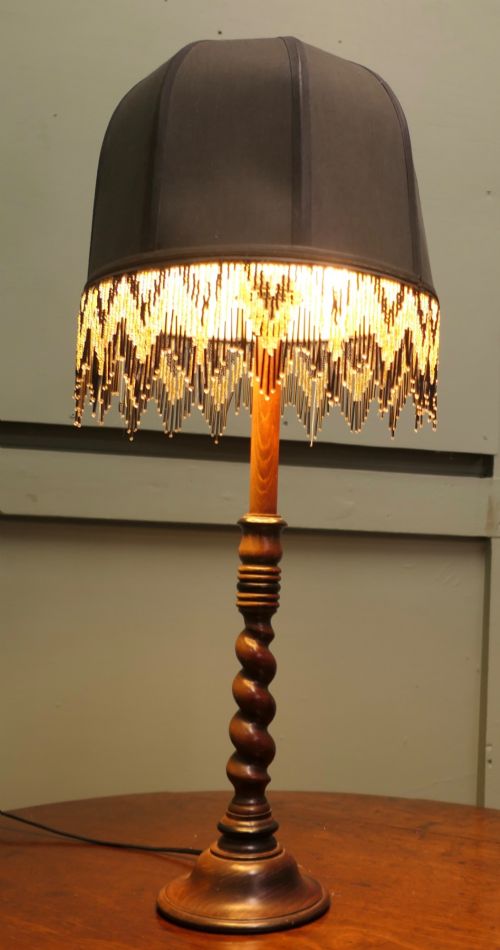
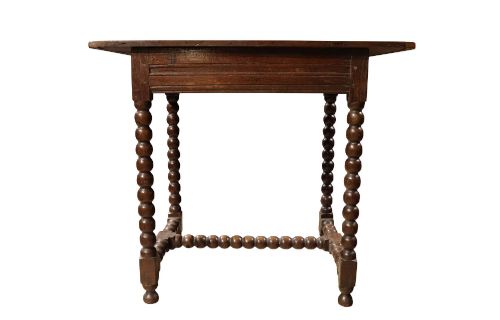
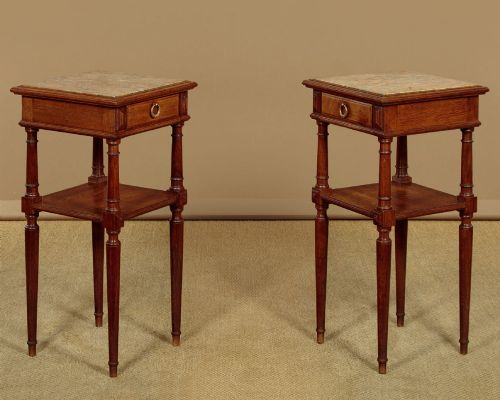
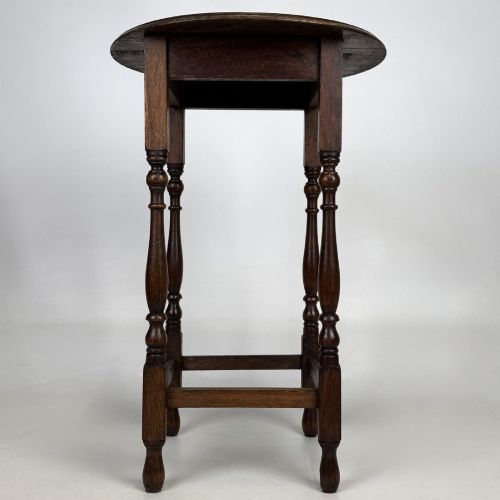
Oak Turned Lamp Table
An oak turned lamp table brings robust vernacular character and practical surface space to a room, drawing on centuries of British cabinet-making.
Oak Turned Lamp Table
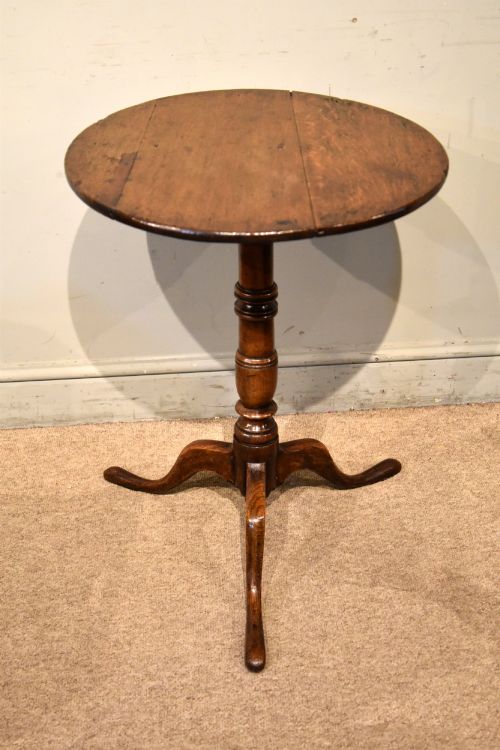
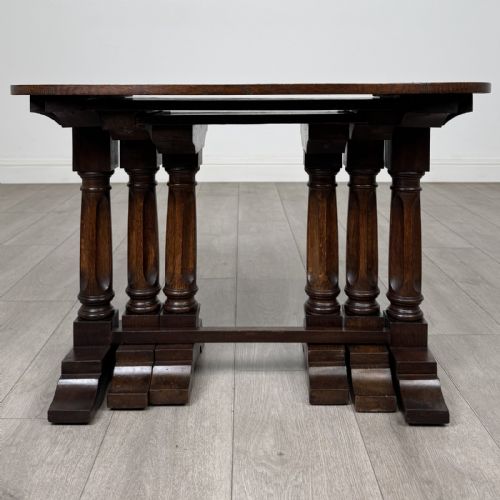
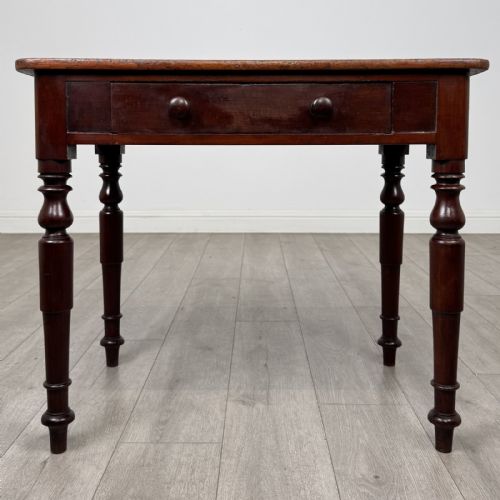
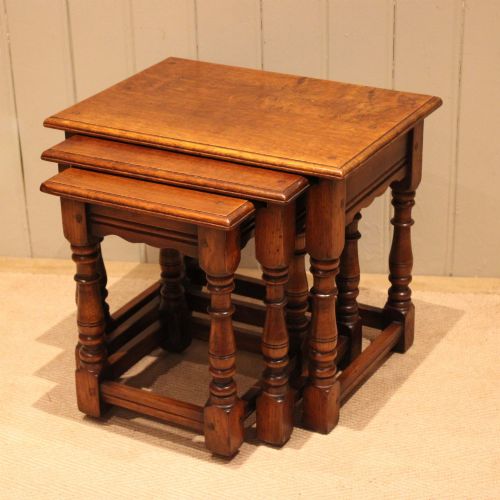
When you search for an oak turned lamp table, you meet compact occasional furniture designed to hold illumination and small objects. These pieces take the form of side tables, tripod wine tables, and nests of tables.
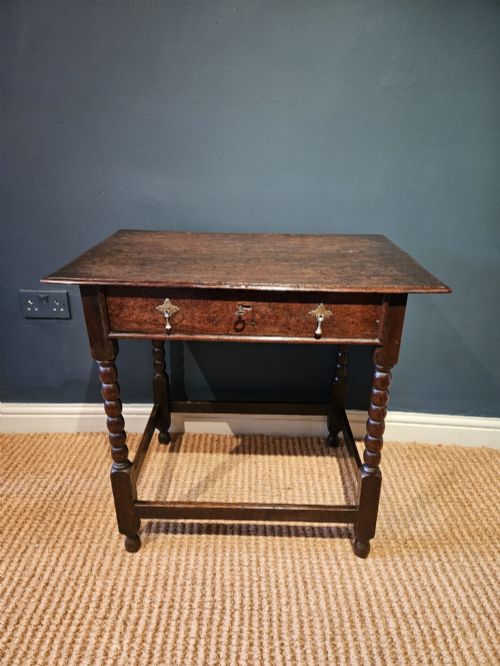
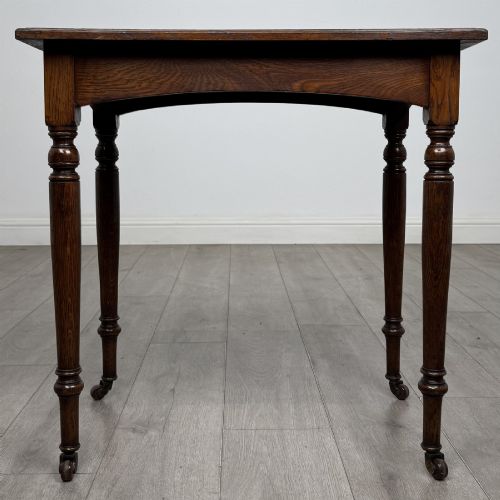
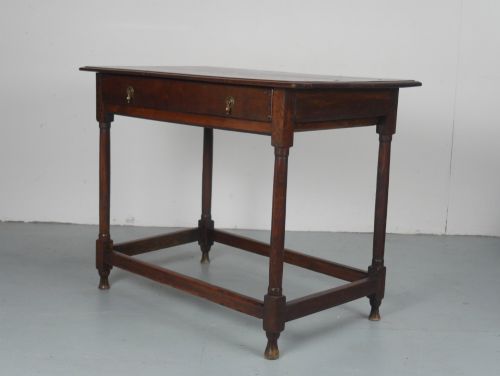
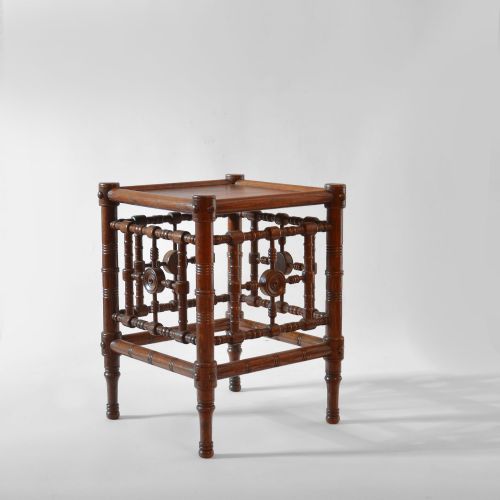
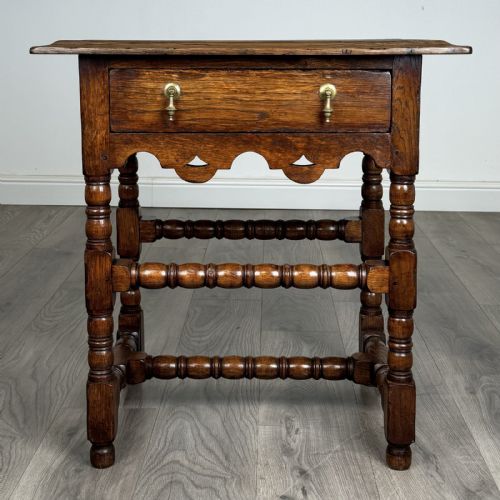
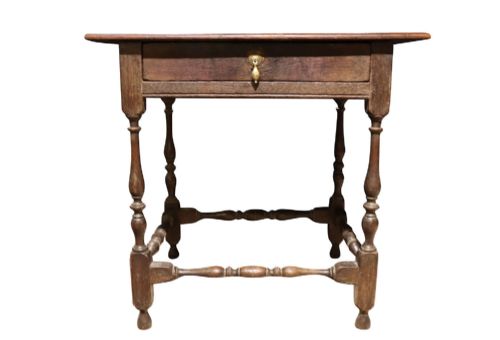
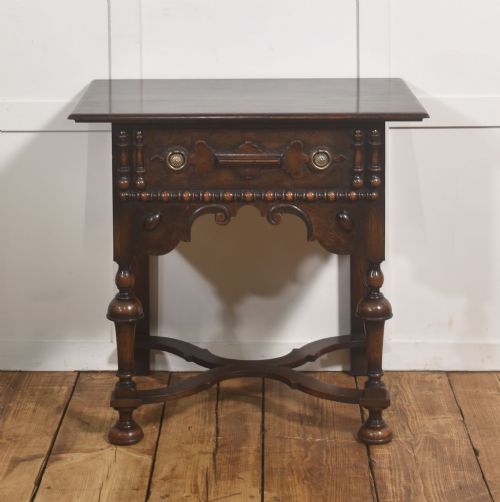
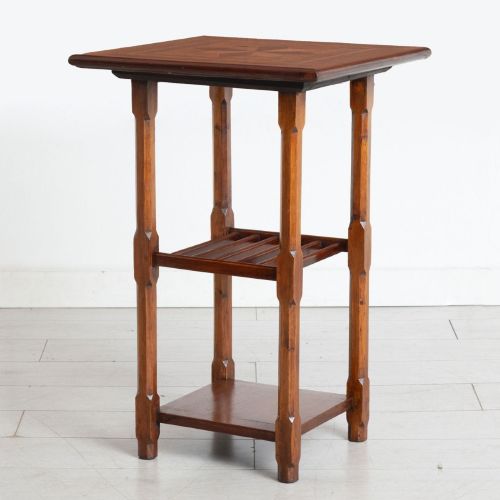
The versions most common on this page span several periods, from 17th-century bobbin-turned designs to Edwardian and 1920s golden oak iterations. They serve as versatile surfaces beside seating or in hallways, utilising solid timber and sturdy turnery.
Makers through the centuries constructed these items for domestic utility, employing local hardwoods suited to everyday family life. Their proportions remain modest, allowing them to fit narrow spaces and corners without dominating a scheme.
What varies in quality
Quality rests in the crispness of the turnery and the selection of timber grain, where burr veneers or finely figured oak distinguish superior examples. Subtlety in proportion and the integrity of original joints separate workshop standards.
Surface treatment and patination dictate the visual weight of the piece, with natural wax finishes revealing depth in the grain compared to flat modern applications. Original hardware and uncompromised structural unity elevate the standing of any table.
Oak Turned Lamp Table Retail Price Guide 2026
Typical asking prices for oak turned lamp table among the pieces listed under this phrase on Sellingantiques today, from the lower quarter to the upper quarter. They describe what is for sale here now, not the wider market.
Several centuries ago, a cricket table earned its name not from the sport, but because its three sturdy legs stood firm on uneven farmhouse floors.
Liberty of London·William Birch
The Oak Turned Lamp Table Glossary
- Bobbin-turned
- A form of lathe work producing a series of rounded spheres or discs resembling a string of beads, seen on 17th-century frames.
- Barley twist
- A helical turning technique resembling a twisted rope, popular in Jacobean and later revival periods.
- Tripod table
- A small occasional table supported by three legs radiating from a central pillar, often featuring a tilt mechanism.
- Cricket table
- A small three-legged vernacular table with a triangular or circular top, traditionally used on uneven floors.
- Patina
- The surface sheen and colour acquired by wood through age, handling, and polishing over many decades.
Oak Turned Lamp Table: Frequently Asked Questions
What is an oak turned lamp table?
An oak turned lamp table is a compact occasional table featuring shaped legs produced on a lathe. These items provide a sturdy surface specifically suited for placing table lamps and decorative objects in domestic interiors.
Originating in various centuries, they combine functional utility with traditional woodworking styles such as bobbin and barley twist turnery. Their modest footprint makes them adaptable to diverse room layouts.
How do I date an oak table?
Dating relies on observing construction methods, timber selection, and the style of the turnery. Earlier pieces from the 17th century display hand-cut joinery and dense, dark oak boards.
Later Edwardian or 1920s examples often utilise lighter golden oak and machine-assisted turning techniques. Examining the underside and joint construction reveals the manufacturing era.
Where should I place a lamp table?
These tables find natural placement beside armchairs, sofas, or in awkward corners requiring a functional surface. Their compact dimensions allow them to slot neatly into smaller spaces without cluttering a room.
Pairing them with a matching table lamp or ceramic base enhances both illumination and the decorative balance of the interior.
What is a tripod wine table?
A tripod wine table is a small circular or oval table raised on a central pillar supported by three legs. They were historically utilised for holding glasses or small items during evening gatherings.
Many examples feature a tilt-top mechanism, allowing the surface to be stored vertically against a wall when not in use.