

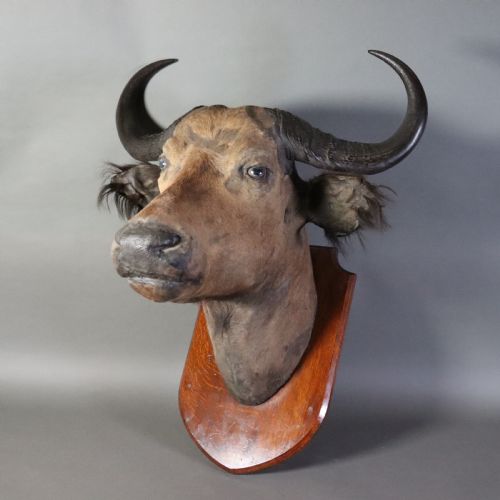


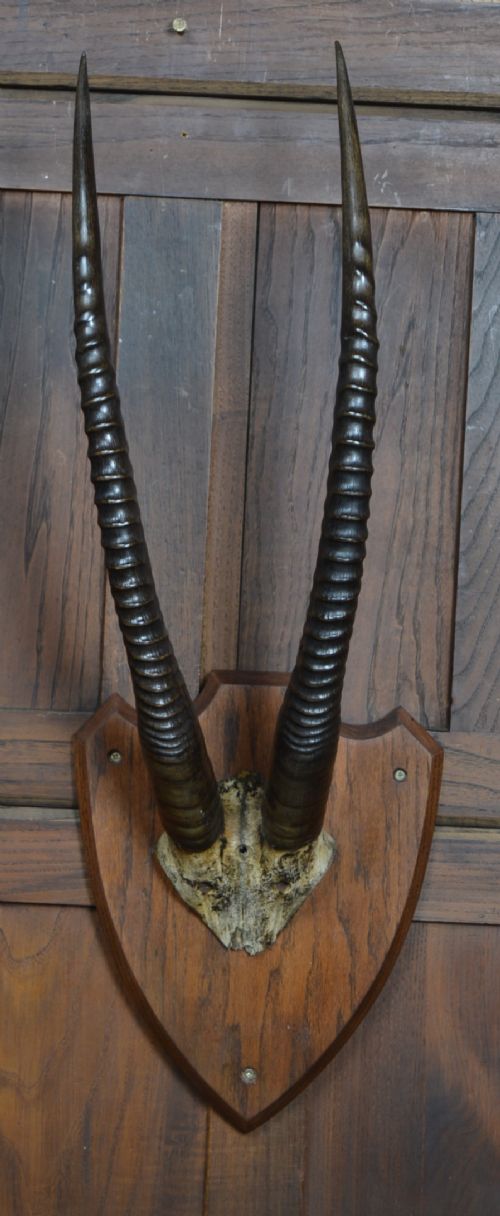
Oak Trophy Shield
An oak trophy shield brings traditional sporting history into a room, mounting antlers, horns, and taxidermy specimens directly onto solid timber panels.
Oak Trophy Shield
An oak trophy shield serves as a traditional backing board for animal mounts and sporting trophies, designed to be hung on interior walls. When searching for an oak trophy shield, buyers encounter pieces originating from the Victorian and Edwardian eras through to the mid-twentieth century.
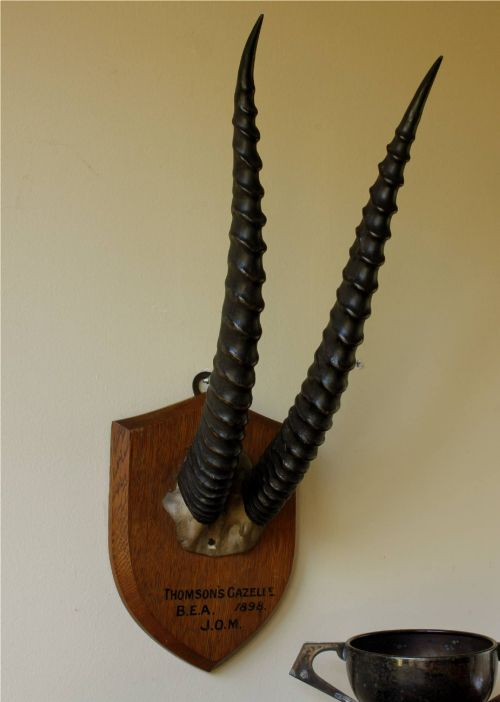
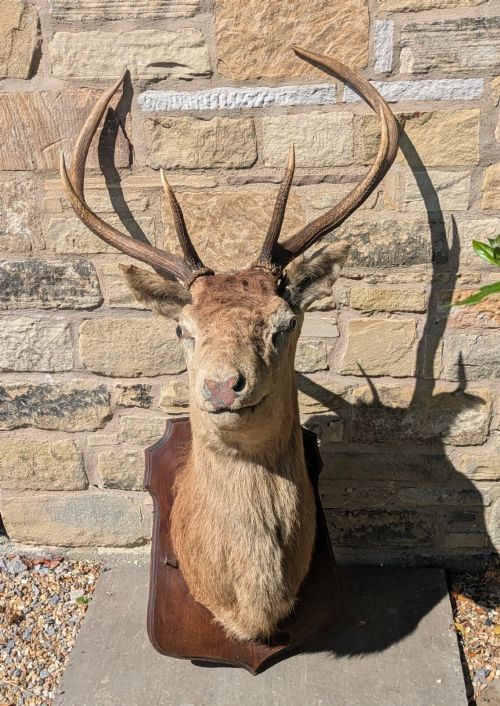
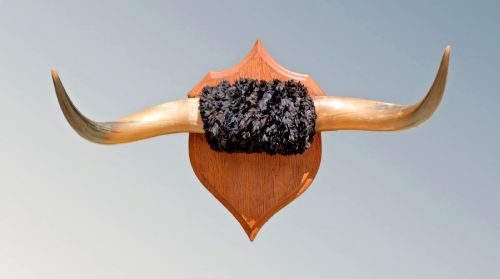
The format combines carved or plain timber shields with various forms of taxidermy, ranging from stags' heads and roebucks to fox masks, steer horns, and exotic antelope or oryx horns.
Most examples align with British sporting and highland lodge aesthetics, reflecting the country house traditions of their respective periods.
Assessing Quality and Craftsmanship
The standard of an oak trophy shield depends significantly on the skill of the taxidermist responsible for the specimen and the execution of the wooden mount. Finer examples display lifelike detailing in the taxidermy work and substantial, well-figured timber backboards.
Attribution to notable taxidermy firms elevates the standing of a piece, as does the preservation condition of the natural materials, fur, and bone over time.
Listings feature oak shields combined with glass, horn, bone, antler, natural fur, and natural hide across Victorian and Edwardian sporting styles.
Peter Spicer & Sons·Gerrard & Sons London·P. Spicer & Sons of Royal Leamington Spa
The Oak Trophy Shield Glossary
- Oak
- A durable hardwood utilised for the shield backings, valued for its strong grain and traditional appearance in British interiors.
- Taxidermy
- The art of preserving, stuffing, and mounting animal skins and horns to create realistic display specimens.
- Shield
- The shaped wooden plaque, typically carved from oak, upon which horns, antlers, or animal masks are mounted for wall display.
- Mask
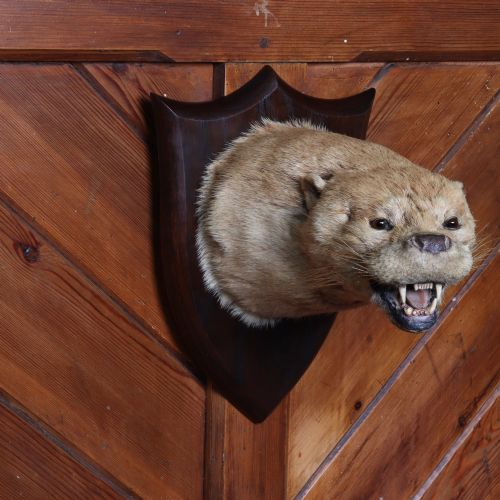
- The head and facial portion of a hunted animal, such as a fox or otter, preserved and mounted as a wall trophy.
- Antlers
- The bony growths shed and regrown annually by members of the deer family, frequently mounted on wooden shields.
Oak Trophy Shield: Frequently Asked Questions
How do I hang an oak trophy shield safely?
These shields require secure wall fixings due to the combined weight of the dense oak timber and the mounted taxidermy specimen.
Utilise sturdy wall plugs and appropriate screws matching the weight distribution of the specific shield.
What periods do these shields date from?
The pieces span the late nineteenth century, the Edwardian era, and well into the twentieth century.
Stylistic shifts reflect Victorian sporting traditions moving towards later twentieth-century preservation methods.
How should I care for the taxidermy elements?
Keep mounted specimens away from direct sunlight and excessive moisture to protect natural fur, hide, and horn.
Gentle dusting with a soft brush helps maintain the condition of the hair and timber over time.
What animals are commonly found on these shields?
Common subjects include British sporting animals such as stags, roebucks, and fox masks, alongside exotic horns.
Pieces also feature steer horns, oryx horns, and occasional aquatic mammals like otter masks.