
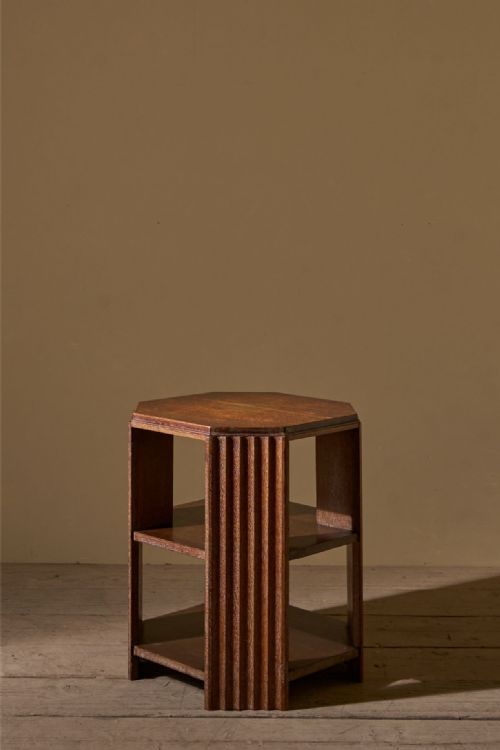
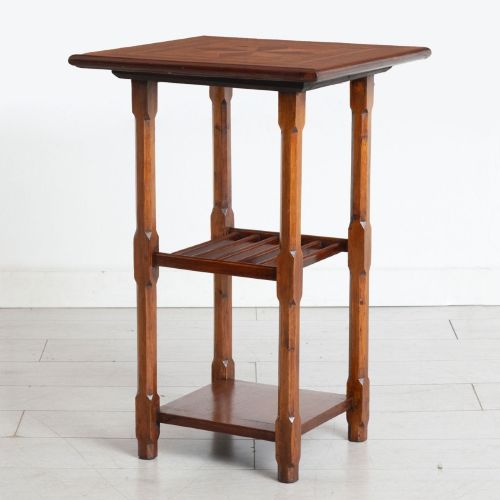
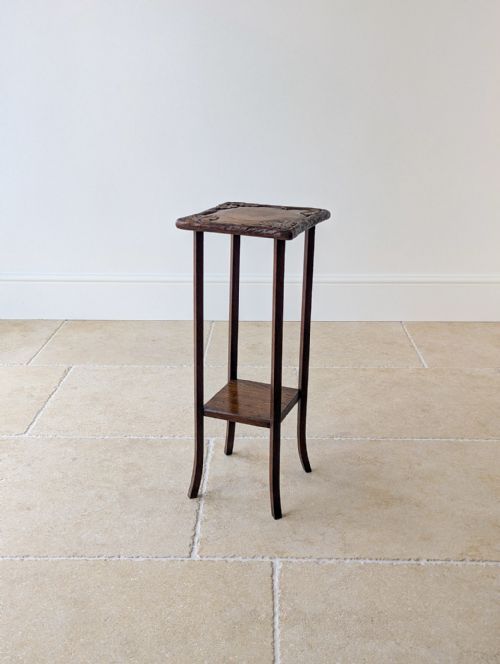
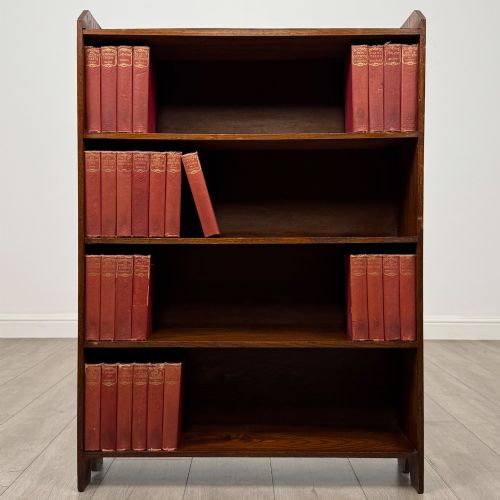
Oak Tiered Stand
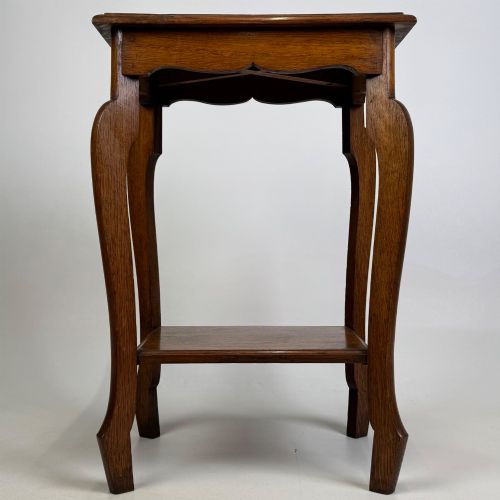
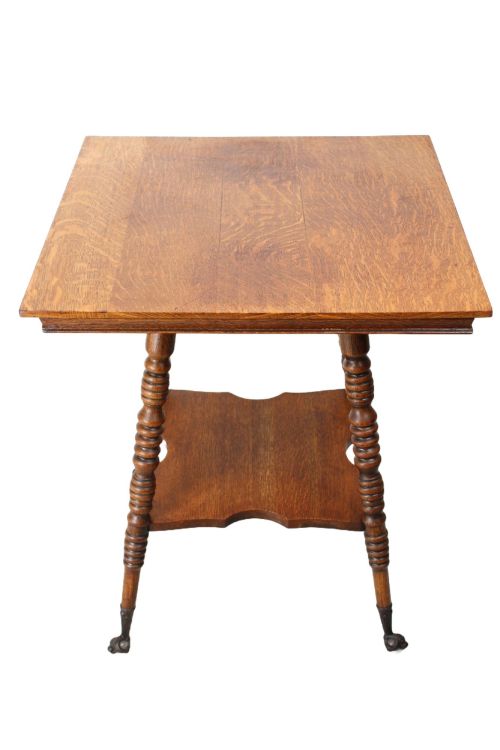
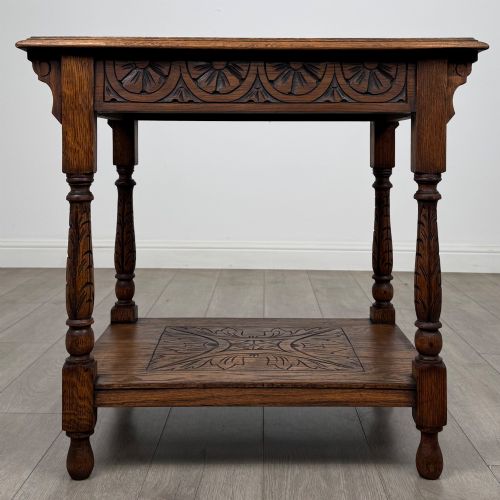
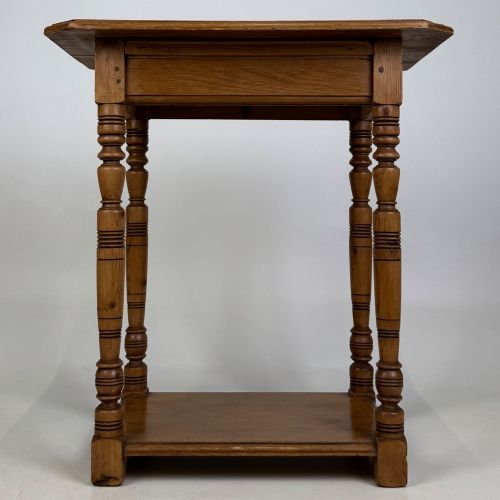
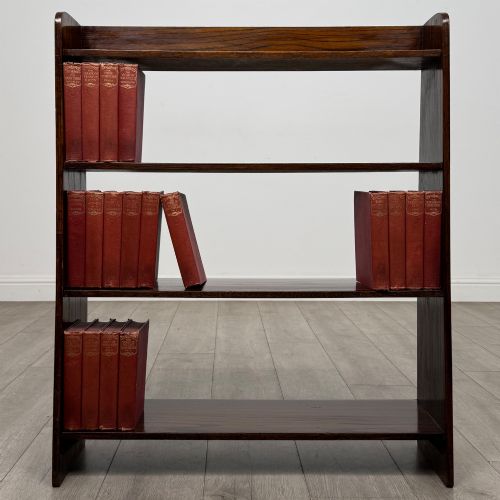
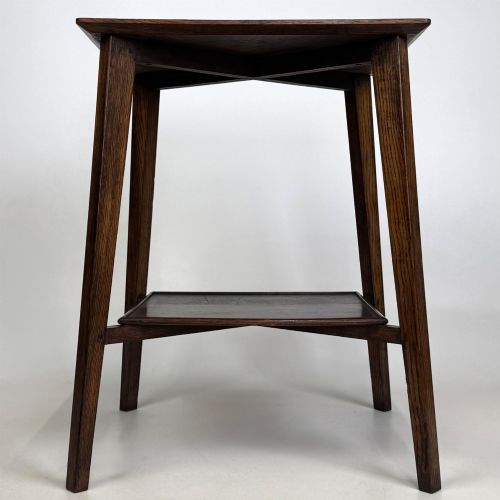
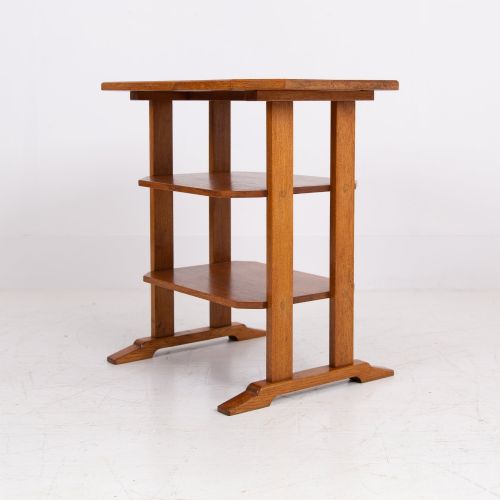
An oak tiered stand brings practical levels and sturdy timber into a room, spanning Edwardian cake stands, Arts and Crafts tables and Victorian bookcases.
Oak Tiered Stand
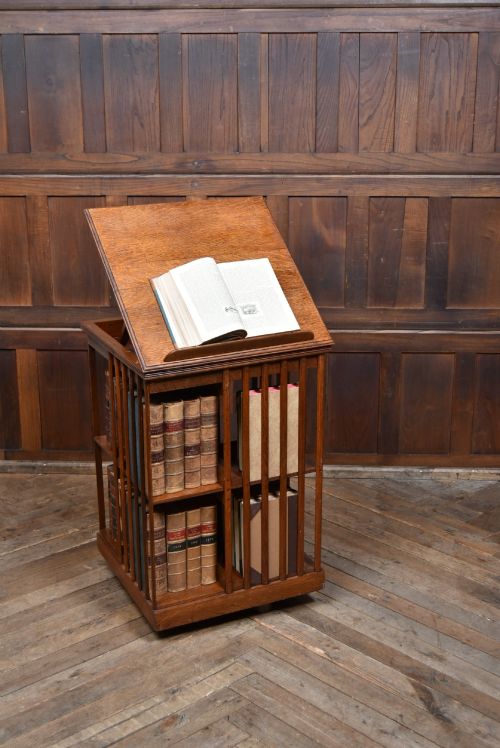
An oak tiered stand serves as a versatile piece of furniture designed with multiple levels for display, storage or serving. When exploring this selection, buyers most frequently encounter Edwardian cake stands, Arts and Crafts occasional tables and revolving bookcases.
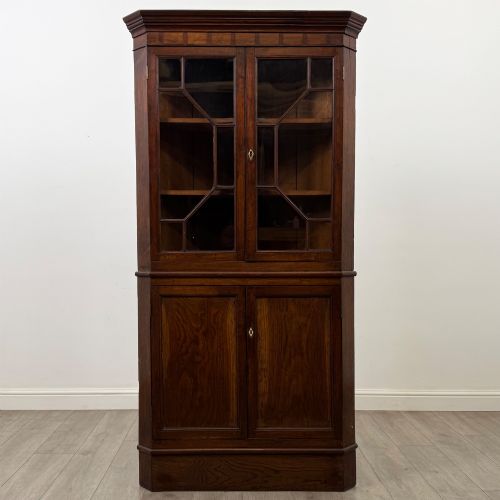
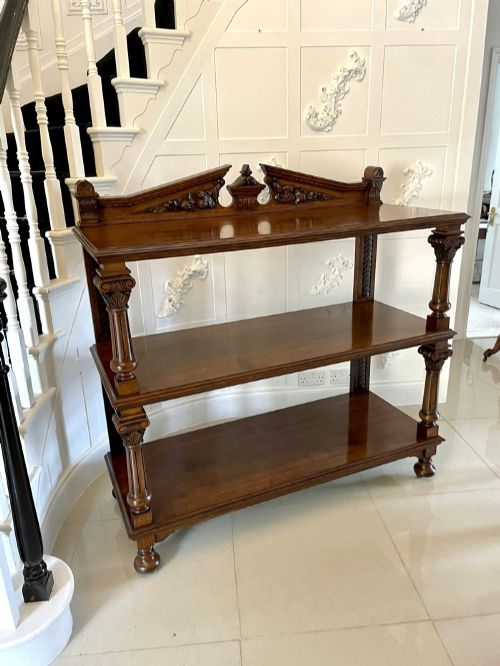
The pieces emerge from periods ranging from the Georgian era through the Victorian epoch and into the Edwardian years. Forms vary from side tables and plant stands to dumbwaiters, corner cabinets and library carts.
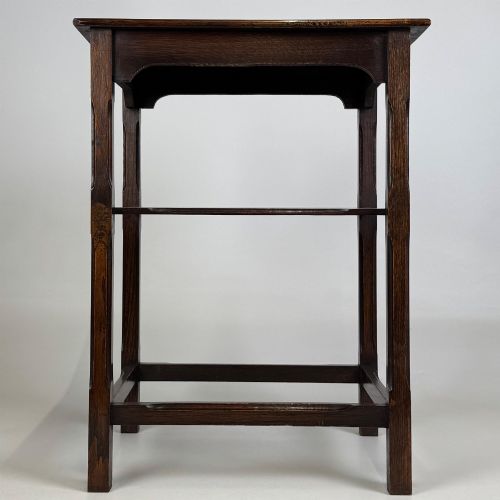
Makers and designers from the Arts and Crafts movement, alongside French workshops, contribute distinct multi-level forms in solid oak. Each variant fulfils a practical purpose while showcasing the grain and colour of the timber across its separate tiers.
Materials and construction methods
Solid oak provides the primary structural foundation, complemented by highlights of mahogany, brass fittings, iron elements and ceramic tile inserts. Cabinet makers utilised traditional joinery techniques to secure multiple shelves and rotating mechanisms.
Surface treatments range from natural waxed finishes to limed oak applications, particularly on pieces originating from the Art Deco period. Metal fixings such as brass hinges and cast iron details offer structural support to folding cake stands and revolving book structures.
Listings feature oak alongside supplementary materials including brass, glass, ceramic and cast iron across Edwardian and Victorian forms.
Judging the standard of execution
Quality reveals itself in the selection of the timber and the precision of the joinery connecting the multiple tiers. Superior examples display carefully chosen oak grain and stable construction across folding mechanisms or revolving book drums.
The integration of decorative elements such as carved ornamentation, ceramic tiles or specialist metalwork separates standard utility pieces from finer studio and school productions. Structural integrity across every level ensures the stand remains balanced under weight.
Liberty of London·William Birch·Liberty and Co
The Oak Tiered Stand Glossary
- Dumbwaiter
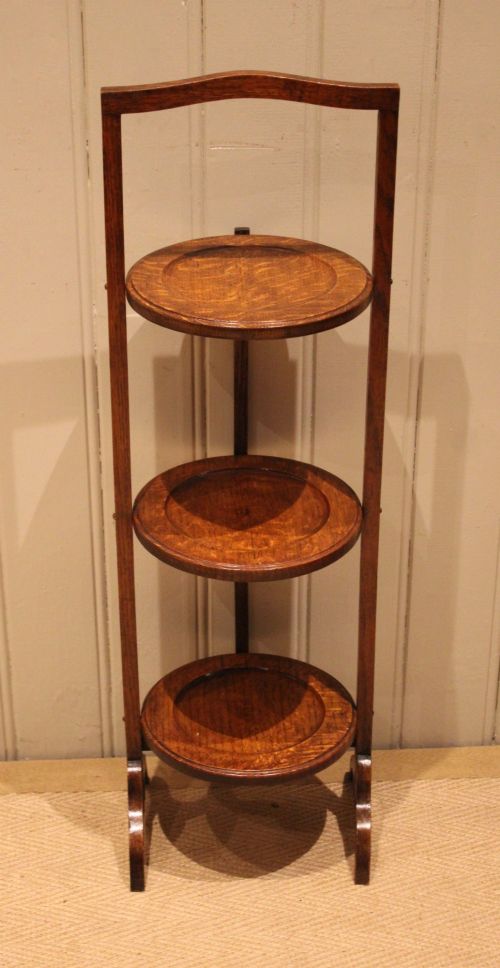
- A multi-tiered stand traditionally used for serving food or holding tableware without the need for constant attendance. These pieces feature circular or square shelves graduated in size from top to bottom.
- Revolving bookcase
- A tiered shelving unit mounted on a rotating pivot base to allow access to books from any angle. They frequently appear in compact square or circular formats from the Edwardian period.
- Arts and Crafts
- A design movement prioritising handcraftsmanship, simple forms and honest materials over mass production. Pieces from this style often display exposed joints and subtle carved details.
- Limed oak
- A finishing technique applied to timber where a white pigment fills the grain pores to create a pale, textured surface. This finish appears on later pieces from the early twentieth century.
- Jardinière
- An ornamental stand or container specifically designed to hold plants and flowers. Examples in oak often incorporate protective linings to handle moisture.
Oak Tiered Stand: Frequently Asked Questions
How do I use an oak tiered stand at home?
These stands suit corners, beside seating or in hallways where vertical space matters more than a large footprint. Use the shelves for books, plants or small decorative objects.
Folding versions store away easily when not in use, while revolving models give quick access to reading material in a study or living room.
What periods do these stands come from?
The selection spans from Georgian and Victorian times through Edwardian designs up to the 1920s and 1930s. Arts and Crafts examples from around 1900 are particularly common.
Earlier pieces often feature heavier carved detailing, while Edwardian and later items tend towards lighter frames and folding mechanisms.
Are folding cake stands sturdy enough for daily use?
Period folding stands utilise hinged wooden joints designed to lock securely into place when opened. When handled with care, they provide stable platforms for lighter items.
Inspect the pivot pins and hinges to ensure the frame opens smoothly and rests evenly on all feet without wobbling.
How do I care for antique oak timber?
Dust the tiers regularly with a dry cloth and apply a quality beeswax periodically to nourish the wood and maintain its lustre. Avoid placing oak furniture in direct sunlight or near heat sources.
Keep surfaces dry, particularly on plant stands or items featuring ceramic tile inserts, to prevent moisture rings from forming on the finish.