

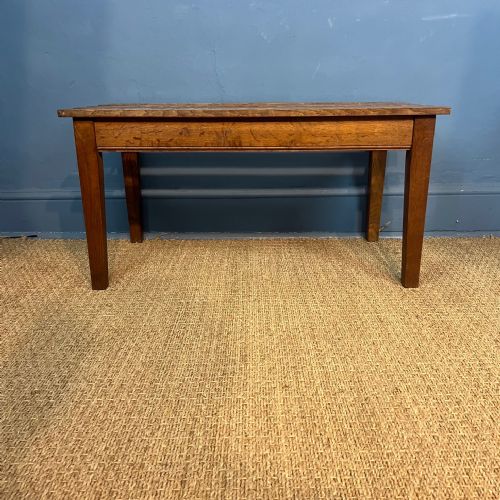
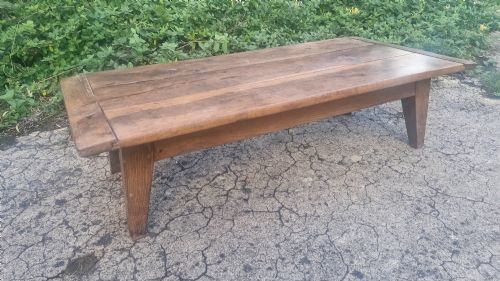
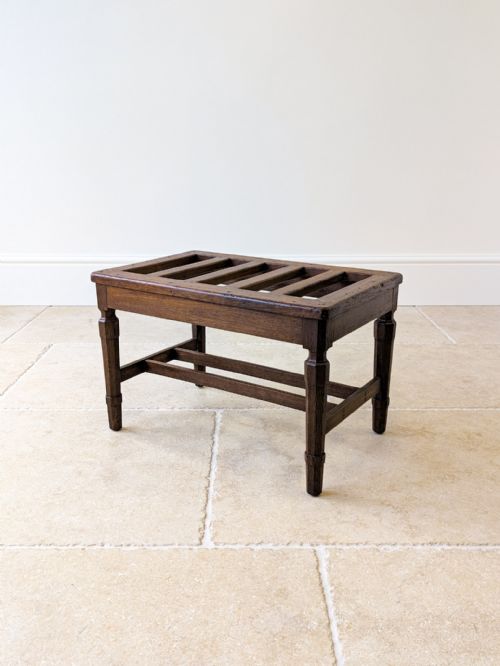


Oak Table with Benches
These oak table with benches sets combine solid timber construction with versatile seating, offering robust utility and traditional style for modern dining.
Oak Table with Benches
An oak table with benches brings together heavy wooden dining surfaces and matching seating options in various historical revival styles. Pieces span from the 17th century through the Victorian, Edwardian, and later periods up to 1930, reflecting enduring rural and formal domestic traditions.
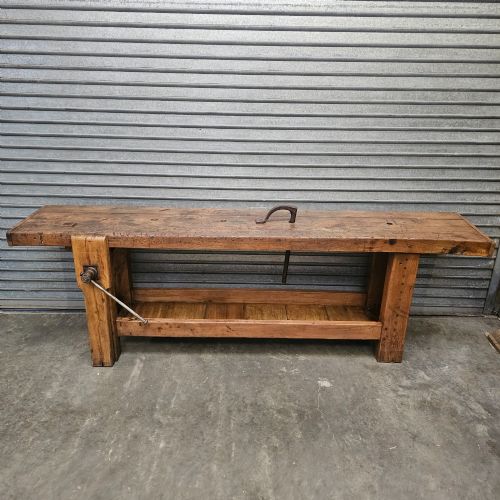
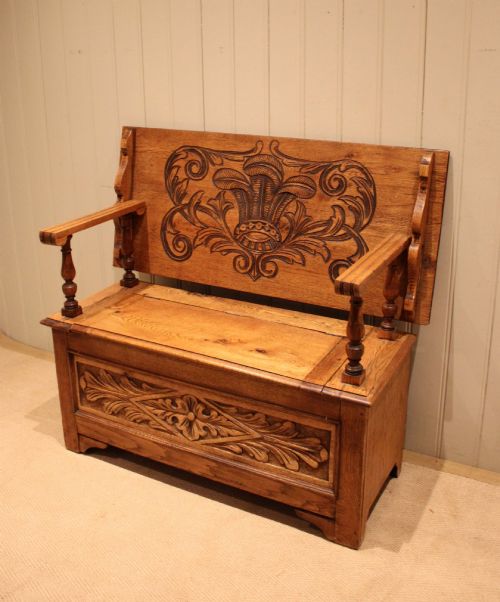
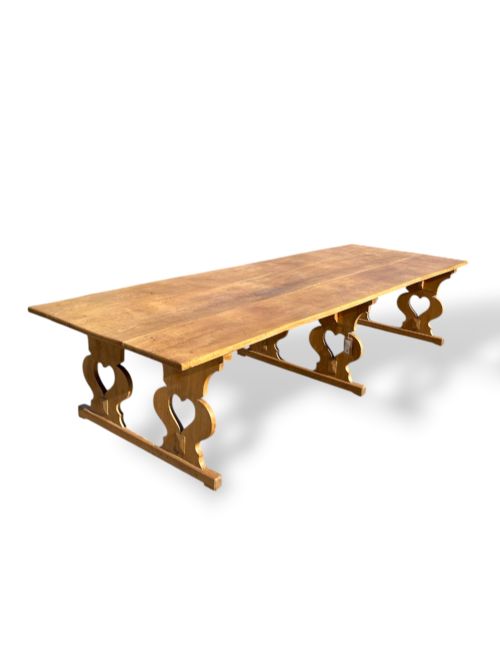
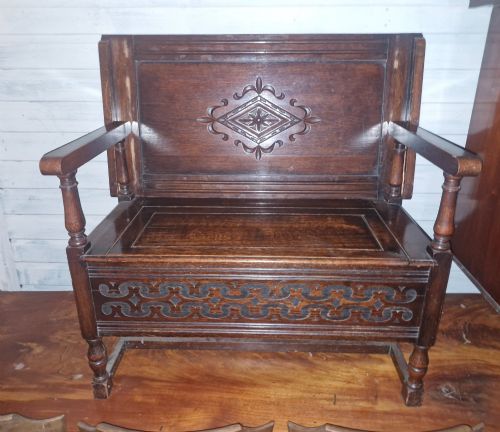
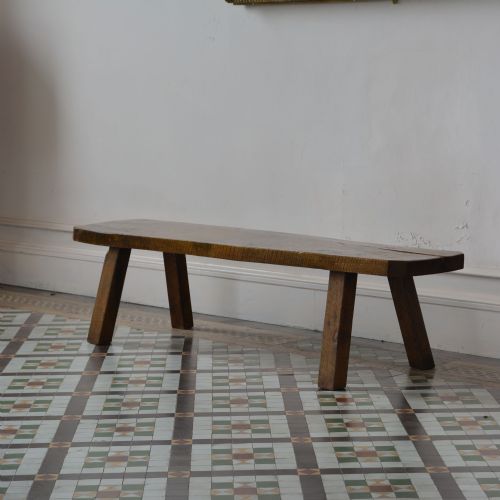
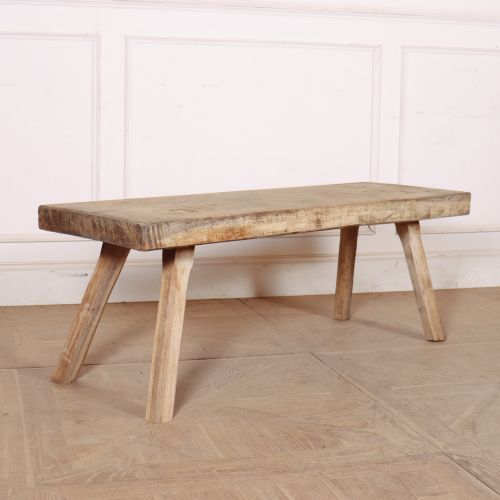
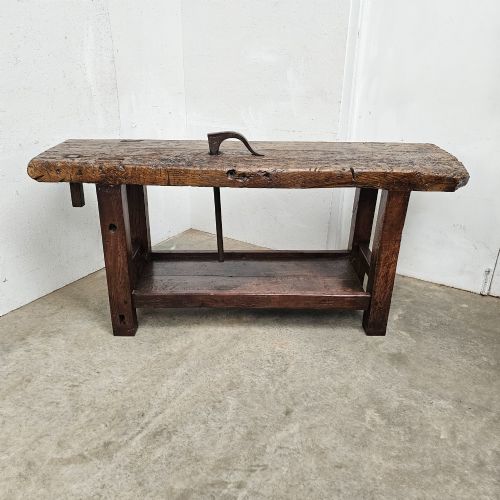
Buyers frequently encounter variants such as monks benches that convert into hall seats, refectory dining sets with trestle ends, and artisanal workbenches adapted for domestic use. These forms incorporate lift-up compartments, drawers, and fold-over tops alongside standard dining configurations.
Origins represented across these examples include rustic farmhouse and French provincial designs, as well as Flemish Renaissance and Victorian Gothic revivals. The common thread is the use of sturdy timber frameworks suited to heavy daily use.
Materials and Construction
Construction relies heavily on solid oak timber, selected for its density and durability across centuries of domestic and workshop application. Carpenters utilised traditional joining methods to build stable table tops, benches, and multi-functional seating.
Metal components appear in the form of forged iron, cast iron, and standard iron elements. These metals provide structural reinforcement, functional vices on workbenches, and secure hinges for moving parts.
Decorative work on these pieces includes panelled surfaces and detailed carving featuring motifs such as the Green Man. Artisans shaped trestle ends and carved seat backs by hand, giving each item distinct character.
Oak Table with Benches Retail Price Guide 2026
Typical asking prices for oak table with benches among the pieces listed under this phrase on Sellingantiques today, from the lower quarter to the upper quarter. They describe what is for sale here now, not the wider market.
Listings feature items spanning from the 17th century through the Victorian and Edwardian eras up to the 1930s, built primarily from solid oak with iron and cast iron fittings.
Factors Determining Quality
Quality in an oak table with benches rests on the depth of hand carving and the integrity of the original timber construction. Finely carved examples display crisper detailing on panels and backrests compared to plain or heavily worn alternatives.
The sophistication of integrated mechanics, such as smooth-operating hinges on fold-over table tops and secure lift-up seat compartments, distinguishes superior utility pieces. Workbenches with intact clamping bars and vices also demonstrate higher functional preservation.
Proportion and scale influence the overall presence of a set, with larger refectory tables and substantial trestle benches maintaining balanced architectural lines. The harmony between the table and its matching benches indicates whether they were conceived as a unified suite.
The Oak Table with Benches Glossary
- Monks Bench
- A dual-purpose piece of furniture featuring a backrest that folds down to create a table top over a box seat. This design maximised space in smaller historical interiors.
- Refectory Table
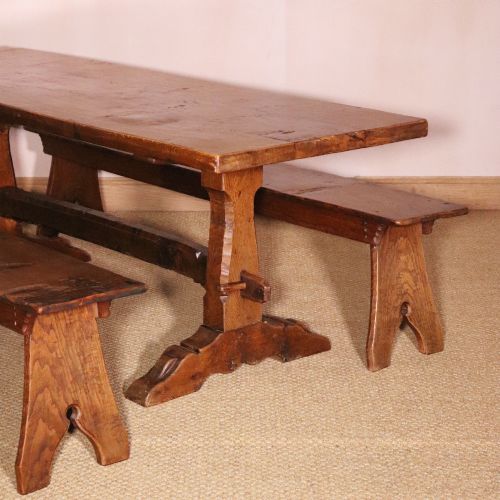
- A long dining table traditionally used in communal dining halls, characterised by sturdy legs connected by longitudinal stretchers. These tables often feature heavy oak construction.
- Trestle
- A structural support consisting of a horizontal beam fixed to two splayed vertical feet. This support system provides stable clearance beneath table tops and long benches.
- Green Man
- A decorative architectural motif depicting a human face disgorged from foliage or entirely made of leaves. This symbol of rebirth appears frequently in carved Victorian and Flemish revivals.
- Workbench
- A sturdy carpentry table fitted with vices and clamping bars for holding wood steady during manual work. Artisans utilised these heavy wooden benches in daily trade.
Oak Table with Benches: Frequently Asked Questions
What is a monks bench used for?
A monks bench serves as a dual-purpose item that functions as a hall seat with a high back during the day. By folding the back over, it converts into a small table surface.
Historically, this multi-functional design saved valuable floor space in smaller homes and entrance halls while providing integrated storage beneath the lift-up seat.
How do I care for antique oak furniture?
Antique oak benefits from regular dusting with a dry, soft cloth to prevent dirt accumulation on carved surfaces and panels. Avoid placing timber near direct heat sources or in fluctuating humidity to protect the wood grain.
Applying a traditional beeswax polish occasionally helps maintain the natural lustre of the oak without building up artificial residues.
Are these benches comfortable for daily dining?
Benches provide firm seating and allow multiple people to sit along one side of a table without the restriction of individual chair legs. Many historical examples feature shaped trestle ends or supportive backs for added stability.
For extended seating periods, many owners add loose cushions to match their interior comfort preferences while preserving the wood underneath.
How can I tell the period of an oak table?
Dating relies on examining the construction methods, such as hand-cut joints, timber thickness, and the style of decorative carving present on the piece. Revivals from the Victorian and Edwardian eras often reinterpret earlier 17th-century Jacobean motifs with heavier proportions.
Hardware details like iron hinges and the wear patterns on seat tops also offer clues regarding the age and operational history of the set.