


Oak Side Table Tray
These oak side table tray pieces combine sturdy timber with practical removable serving surfaces, offering a versatile mix of historic utility and decorative character for modern interiors.
Oak Side Table Tray
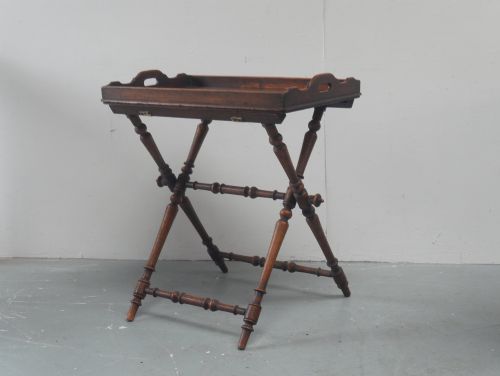
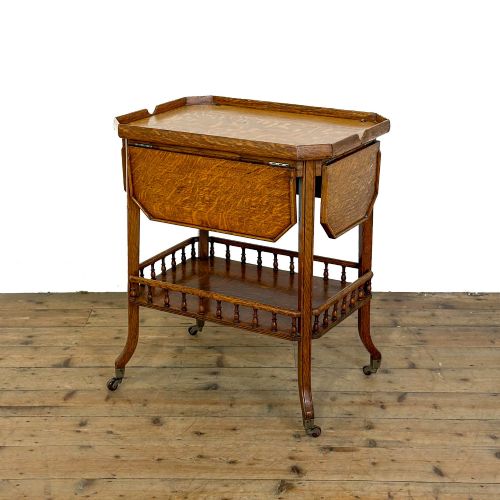
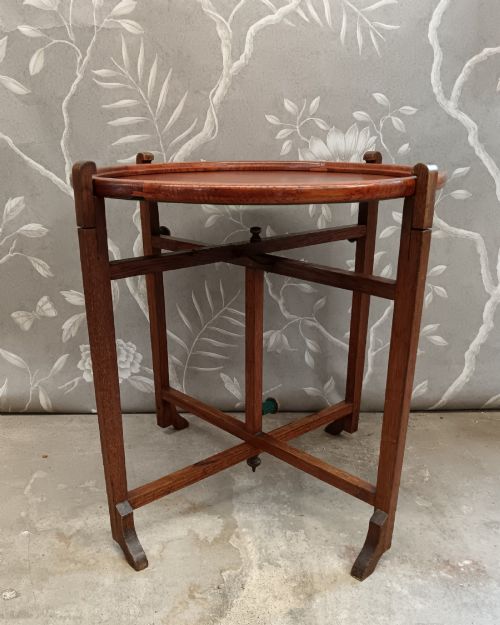
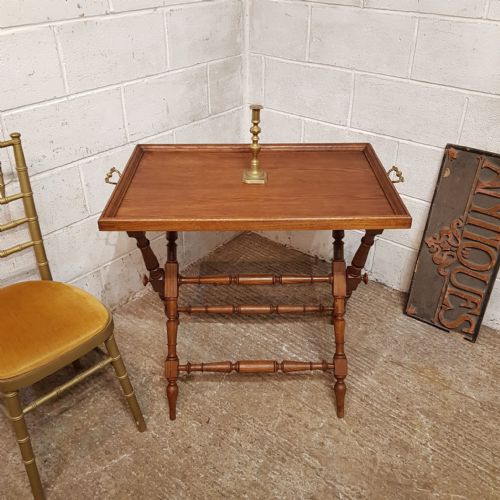
An oak side table tray brings together functional serving equipment and stable furniture frames, typically presenting a removable wooden top resting upon a folding or fixed base. Buyers searching for an oak side table tray encounter a variety of forms including butler trays on stands, tea trolleys, and reversible coffee table designs.
The objects span multiple eras from the nineteenth century through to the 1930s, reflecting shifts in domestic hospitality and casual dining habits. Pieces range from straightforward Victorian and Edwardian iterations to more decorative Gothic Revival or Arts and Crafts expressions.
Most examples rely on solid oak or limed oak construction, frequently paired with dedicated stands that elevate the surface for convenient service or display. The dual nature of these items allows the top to function independently as a platter or serving tray when lifted from its support.
Materials and construction
Makers utilised solid oak as the primary timber, sometimes supplemented by secondary woods such as beech or exotic hardwoods. Metal elements like brass and copper appear frequently in handles, hinges, or inset surfaces.
Joinery methods range from traditional hand-carved details on nineteenth-century frames to engineered folding mechanisms on campaign and coaching style tables. Surface finishes include polished wood, limed treatments, and occasional baize or glass inserts.
Materials recorded across the inventory include oak, brass, copper, baize, glass, paper, beech, and various woods.
What separates examples
Quality rests heavily on the integrity of the timber and the precision of the stand mechanism, with superior pieces showing tight joinery and well-balanced proportions. The distinction between a standard utility item and a finer version often lies in thoughtful carving, matched grain, and substantial brass or copper hardware.
Condition of the removable tray top relative to its base dictates the overall cohesion of the piece, as matching periods and original fittings command greater interest from collectors.
The Oak Side Table Tray Glossary
- Butler tray
- A portable wooden tray with panelled sides or hinged flaps, designed to rest upon a folding wooden stand. It allowed domestic staff to transport refreshments between rooms before placing the tray directly onto a supportive frame.
- Campaign table
- Portable furniture constructed with folding or removable parts for military transport. These pieces often feature brass corners and recessed handles for durability during travel.
- Reversible top
- A dual-purpose surface that can be flipped over to reveal a different material, such as a baize gaming surface or a flat serving platter. This adaptability was particularly popular in early twentieth-century multi-use furniture.
- Tea trolley
- A wheeled serving table featuring multiple tiers for transporting cups, pots, and plates. They became common in Edwardian and later households to facilitate parlour service.
- Gothic Revival
- A nineteenth-century design style drawing on medieval architectural motifs. Pieces in this aesthetic typically feature pointed arches, heavy linenfold carving, and robust framing.
Oak Side Table Tray: Frequently Asked Questions
What is an oak side table tray used for?
These pieces function as portable serving trays paired with dedicated stands, allowing them to act as occasional tables or cocktail bars in living spaces. The removable top makes them practical for serving drinks or displaying decorative objects.
In daily use, the stand remains stationary while the tray travels between kitchen and sitting areas, combining surface space with portability.
How do I date an antique tray table?
Dating relies on examining the construction methods, hardware materials, and stylistic cues present in the wood and frame. Nineteenth-century examples often feature hand-cut joints and heavier carved detailing, while 1930s pieces lean towards streamlined, multi-functional formats.
Comparing the wear patterns on the underside of the tray and the top of the stand also helps confirm whether the components originated together.
Are the tray tops removable?
Most trays lift freely from their folding or fixed bases to serve as independent platters or serving surfaces. This dual functionality is the defining characteristic of the form.
Certain variations include retaining clips or ledges to secure the tray firmly to the stand during use as a static table.
How should I care for an oak tray table?
Maintain the wood by applying occasional beeswax and avoiding excessive moisture on unsealed surfaces. Protect the antique finish from direct heat sources and harsh cleaning chemicals.
Check folding stands periodically to ensure hinges and pins remain secure without stressing the surrounding oak grain.