


Carved Oak Drinks Stand
These carved oak drinks stand selections offer sturdy timber furniture designed to hold glassware and bottles with period character.
Carved Oak Drinks Stand
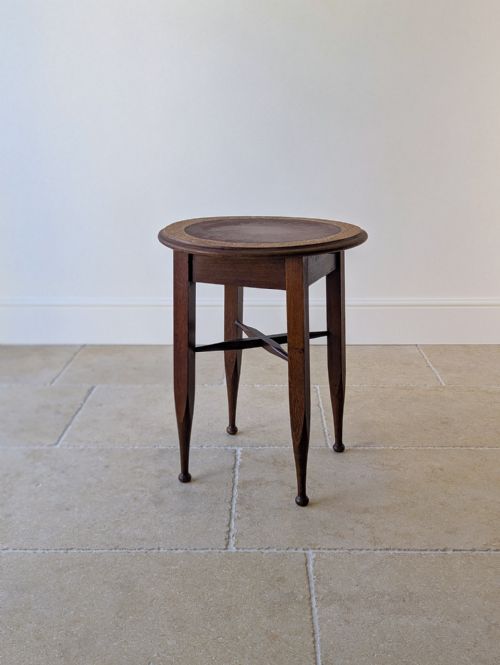
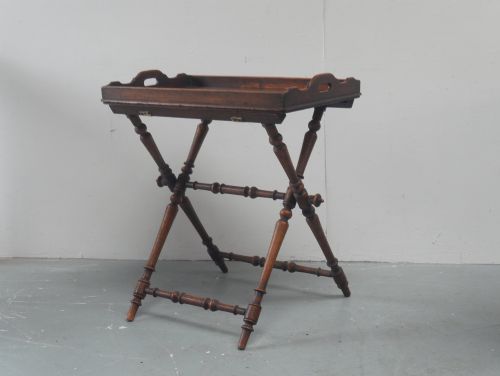
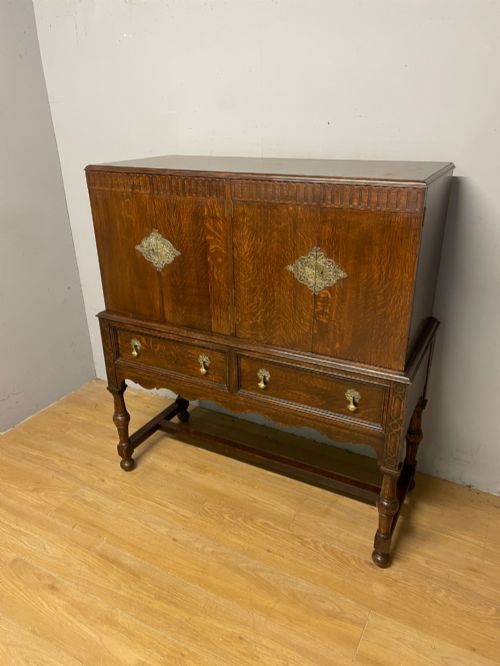
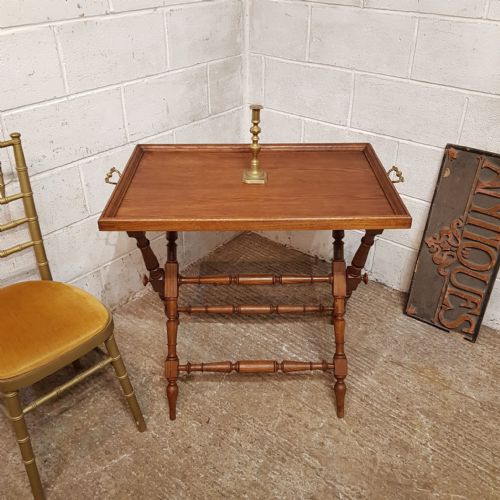
A carved oak drinks stand combines solid timber construction with functional surfaces designed for entertaining and hospitality. Buyers seeking a carved oak drinks stand encounter various forms, including butler trays on folding stands, occasional tables, cabinets on stands, and tantalus sets.
The pieces on this page span several historical periods, notably the Victorian era, Edwardian period, and the 1920s. Stylistic influences range from Jacobean Revival and Gothic Revival to Arts and Crafts and Flemish Renaissance Revival.
Butler trays and tray tables dominate the practical offerings, while cabinets on stand and side cabinets provide enclosed storage for bottles and barware. Most examples rely on oak, frequently enhanced with brass hardware, mirror glass, or cut glass inserts.
How they were made
Makers utilised solid oak and hardwood timbers, applying hand-carving techniques that produced distinctive motifs such as lion masks and geometric revival panels. The joinery relies on traditional methods appropriate for furniture intended to bear the weight of decanters and heavy glassware.
Metalwork played a structural and decorative role, with brass mounts, hinges, and handles securing doors and folding frames. Glass elements, including cut glass and mirror glass panels, were integrated into cabinets and serving surfaces to reflect light.
Listings feature oak combined with brass, cut glass, and mirror glass across Victorian, Edwardian, and 1920s periods.
What varies in quality
The depth and crispness of the hand-carving separate ordinary production from superior examples, particularly on panels featuring lion masks or revival ornamentation. Timber selection also matters, as dense, well-figured solid oak retains structural integrity better than softer secondary woods.
Hardware quality distinguishes finer items, with heavy cast brass mounts and original locking mechanisms marking out better workshops. The integration of specialised components like fitted cut glass decanters or mirror glass backs elevates the overall execution of a piece.
Waring & Gillows
The Carved Oak Drinks Stand Glossary
- Butler tray
- A portable wooden tray with raised sides, often fitted with cut-out handles, designed to rest on a folding or fixed wooden stand.
- Tantalus
- A locked wooden cabinet frame holding decanters with visible necks, originally designed to prevent unauthorized access to spirits while displaying the bottles.
- Jacobean Revival
- A style popular in the nineteenth and early twentieth centuries that reinterprets seventeenth-century English furniture characteristics, featuring heavy turnings and geometric panels.
- Cabinet on stand
- A freestanding storage compartment raised on a distinct supporting framework or base structure, often utilised for display and serving purposes.
Carved Oak Drinks Stand: Frequently Asked Questions
What is a butler tray and stand?
A butler tray and stand consists of a removable wooden tray resting upon a folding or rigid support frame. This design allowed Victorian and Edwardian households to transport drinks and tableware easily between rooms.
Today, these versatile stands function well as portable cocktail stations or occasional tables in living spaces.
How do I identify a tantalus?
A tantalus is a locking wooden frame that secures decanters across their stoppers, preventing them from being removed without a key. They typically feature brass hardware and hold two or three glass bottles.
Victorian makers produced these to keep fine spirits secure from domestic staff while displaying the cut glass contents.
What styles are common in these stands?
The pieces span several revival styles, including Jacobean, Gothic, and Flemish Renaissance, alongside Arts and Crafts designs. These movements drew inspiration from earlier centuries, applying deep carving and dark timber finishes.
Edwardian and 1920s examples often balance traditional timber craftsmanship with practical utility for entertaining.
Where should I place a drinks stand?
These stands suit living rooms, studies, or dining areas where they can function as cocktail surfaces or display areas for glassware. Folding tray versions offer flexibility for rooms with limited space.
Keep solid oak furniture away from direct heat sources to protect the finish and timber.