

Oak Secretary Cabinet
An oak secretary cabinet combines a practical writing desk with enclosed storage, offering timeless utility across Georgian, Victorian and Edwardian periods.
Oak Secretary Cabinet
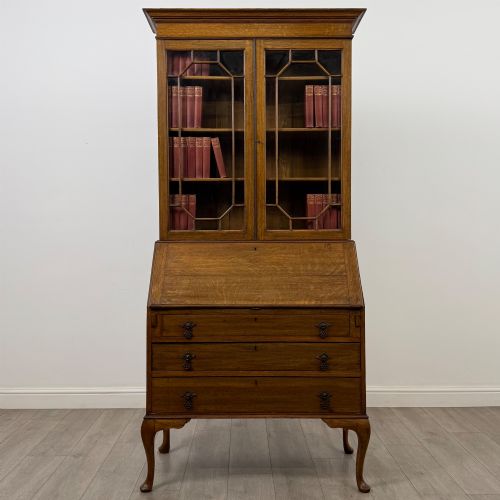
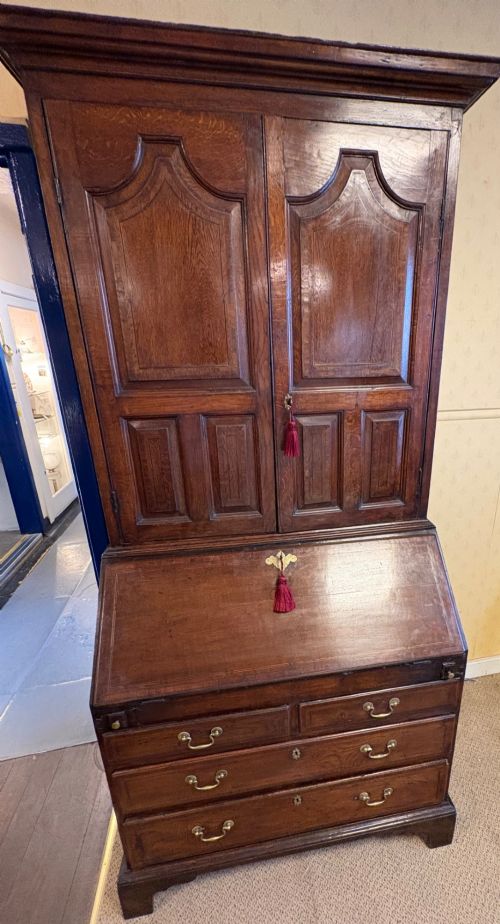
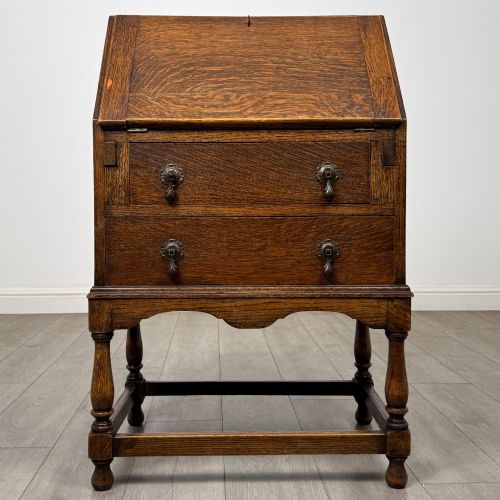
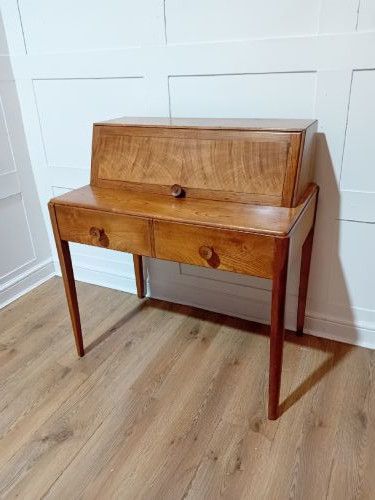
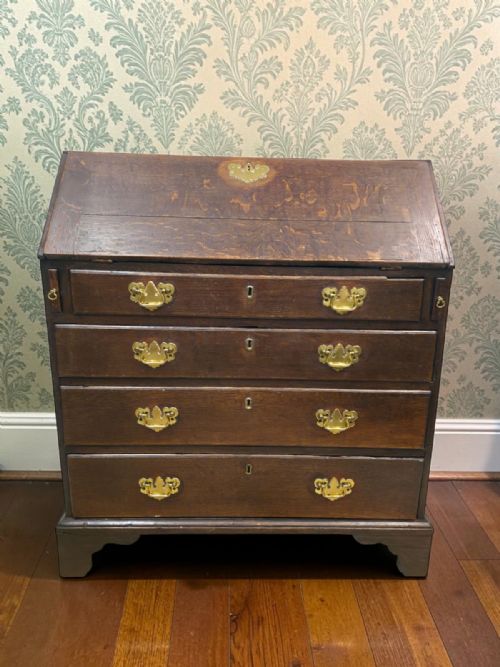
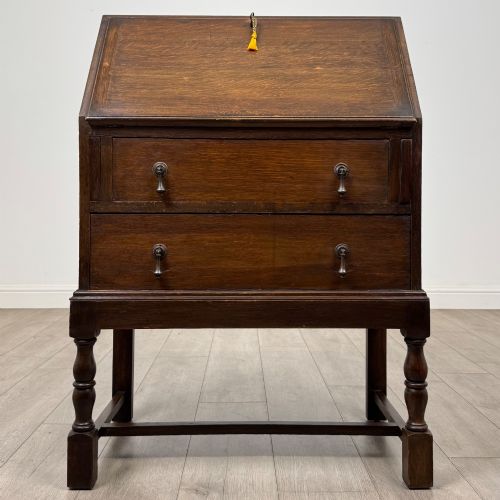
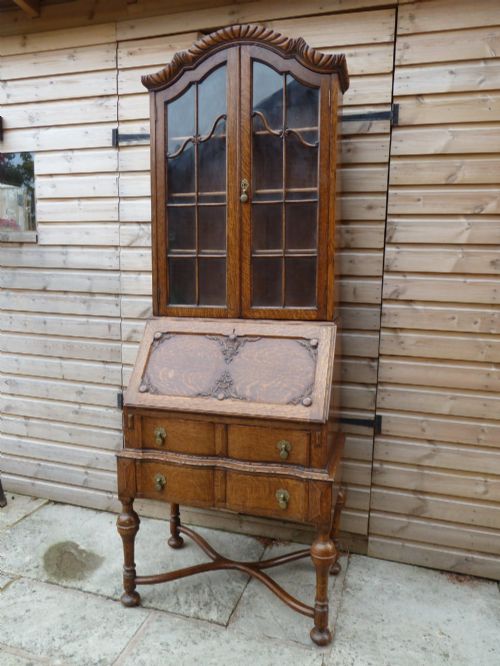
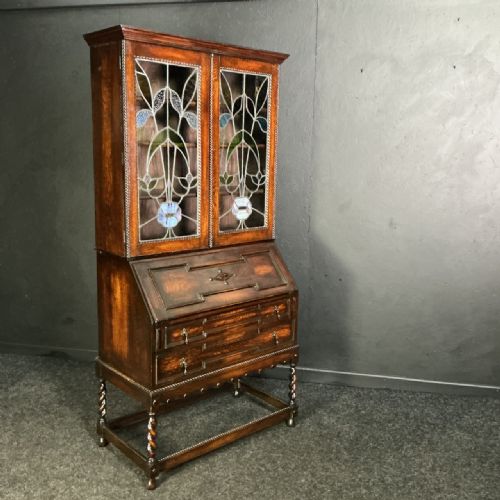
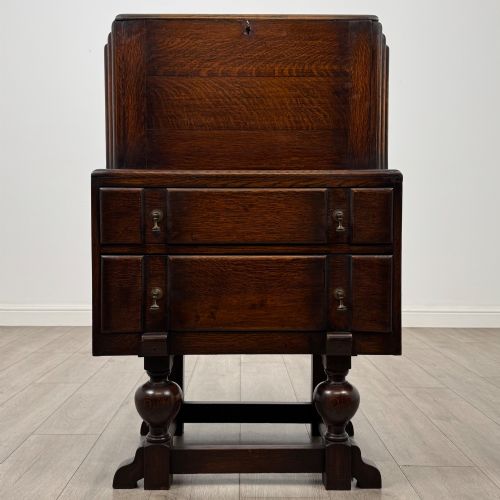
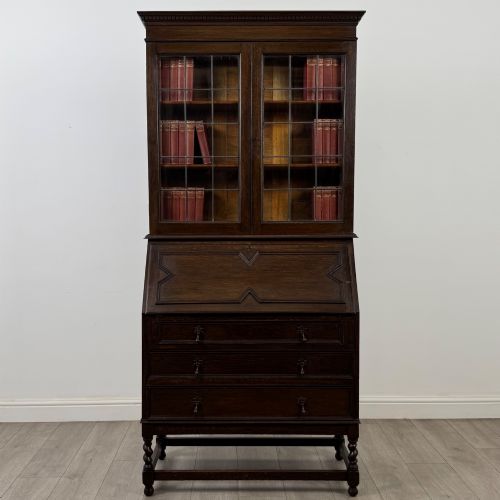
When you search for an oak secretary cabinet, you encounter a versatile hybrid furniture piece designed for correspondence and storage. The form typically combines a fall-front writing flap with drawers below and sometimes a glazed bookcase above.
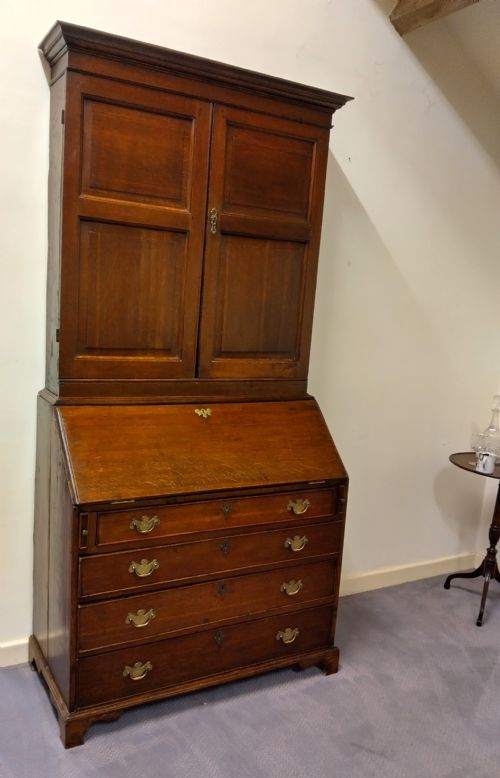
The pieces appearing in these listings span several centuries, reaching from early 18th-century Georgian designs to later Edwardian and 1930s interpretations. You meet simpler writing desks alongside substantial bureau bookcases.
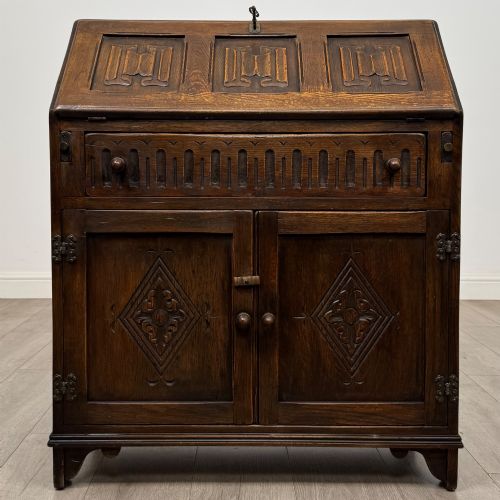
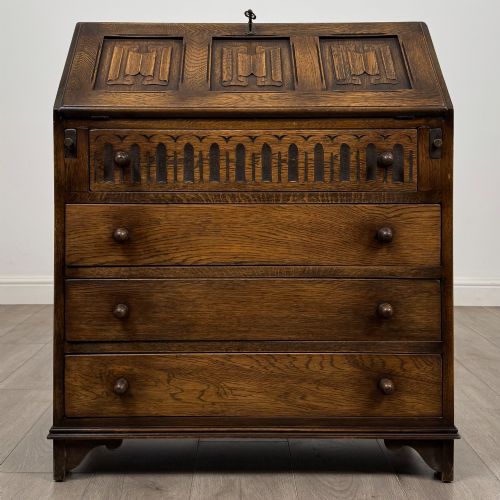
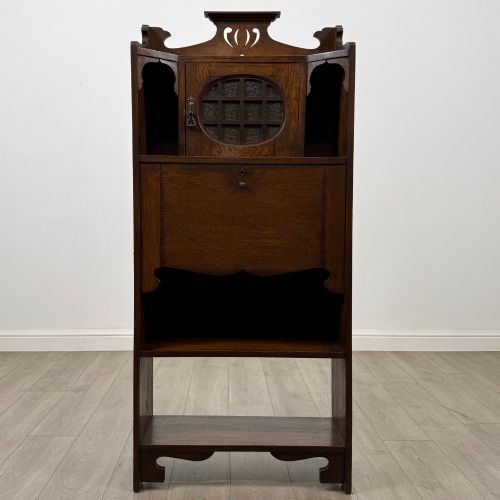
Stylistic influences range widely across the selection. Examples show Jacobean Revival, Arts and Crafts, and Tudor Revival details applied to the foundational oak carcass.
Materials and construction methods
Solid oak and golden oak form the primary structural material across the pieces, occasionally supplemented by pollard oak veneers or wood inlay for decorative contrast. Cabinetmakers constructed these heavy carcases to withstand daily writing use.
Interior components often reveal fine craftsmanship through stepped drawers, pigeonholes and secret compartments hidden behind the main fall-front writing surface.
Listings incorporate pieces spanning from the 18th century through the Georgian, Victorian, Edwardian and Arts and Crafts periods.
Distinguishing quality in construction and design
The distinction between standard production and superior craftsmanship rests in timber selection and the execution of interior joinery. Finer examples display carefully figured grain, dovetailed drawer construction and well-balanced proportions.
Makers' marks or attribution to notable workshops elevate a piece, distinguishing standard commercial output from distinctive Arts and Crafts or Cotswold School commissions. Original hardware and undisturbed surface patination also separate better-preserved items from heavily altered ones.
ARTHUR BASIL REYNOLDS·GEORGE W JACK·HARRIS LEBUS·ROBERT MOUSEMAN THOMPSON
The Oak Secretary Cabinet Glossary
- Bureau bookcase
- A writing bureau combined with an upper section designed for storing books, usually enclosed by wooden or glazed doors. This dual-purpose form became popular during the Georgian period.
- Fall-front
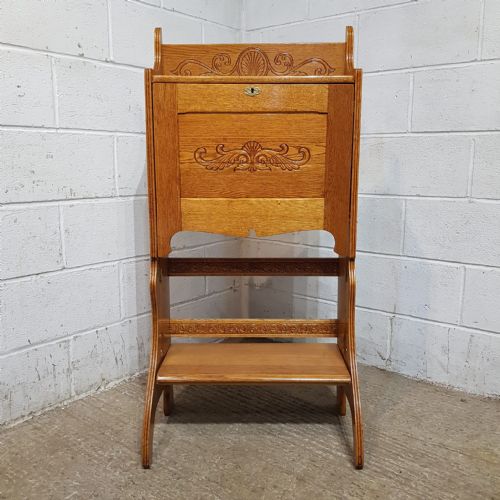
- A hinged writing flap that pulls down to create a horizontal desk surface and lifts up to conceal the interior pigeonholes and drawers. It rests on wooden supports or side the gags when opened.
- Linenfold
- A carved wood panel motif resembling folded cloth, frequently seen on Edwardian and revival furniture pieces. This decorative relief work draws on Tudor and Elizabethan stylistic traditions.
- Secretaire
- An alternative term for a writing cabinet or desk containing a pull-out or drop-down writing surface. It often describes pieces where the writing drawer is disguised as a standard drawer.
- Pigeonhole
- A small open compartment within the desk interior used for sorting letters and papers. These compartments are frequently arranged in stepped tiers around a central small cupboard.
Oak Secretary Cabinet: Frequently Asked Questions
How do I use a bureau in a modern home?
These cabinets function effectively as compact home workstations, providing a concealed desk surface that folds away when not in use.
The upper shelves and lower drawers offer practical storage for books, stationery and modern office supplies while maintaining a traditional aesthetic.
How can I tell a Georgian oak bureau from an Edwardian copy?
Georgian pieces generally display hand-cut dovetails, solid timber construction methods and internal drawer configurations typical of the 18th century. Their patination reflects long periods of natural use and polishing.
Edwardian and later revival pieces often incorporate machine-cut elements, standardised hardware and lighter oak finishes influenced by Arts and Crafts ideals.
What does fall-front mean?
The fall-front refers to the hinged writing flap that opens downward to form a flat desk surface. Internal stays or pull-out lopers support the weight of the flap during writing.
When closed, the fall-front secures the interior pigeonholes and small drawers, keeping writing materials out of sight.