
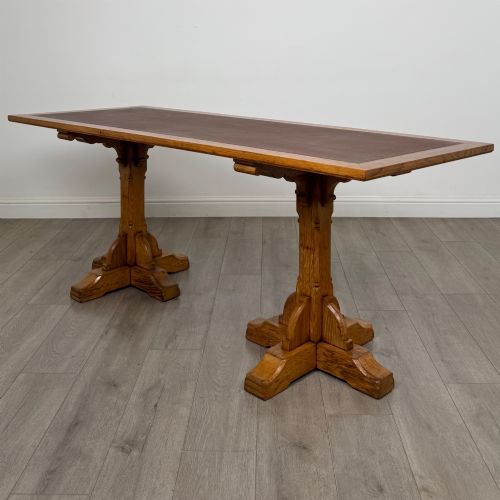
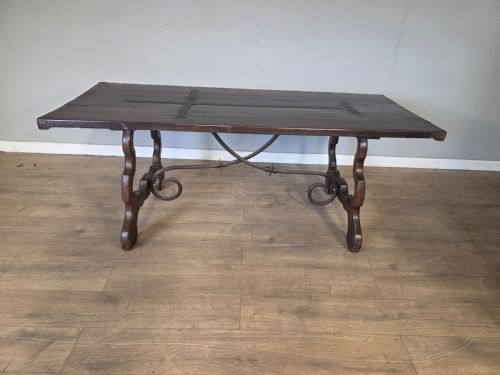
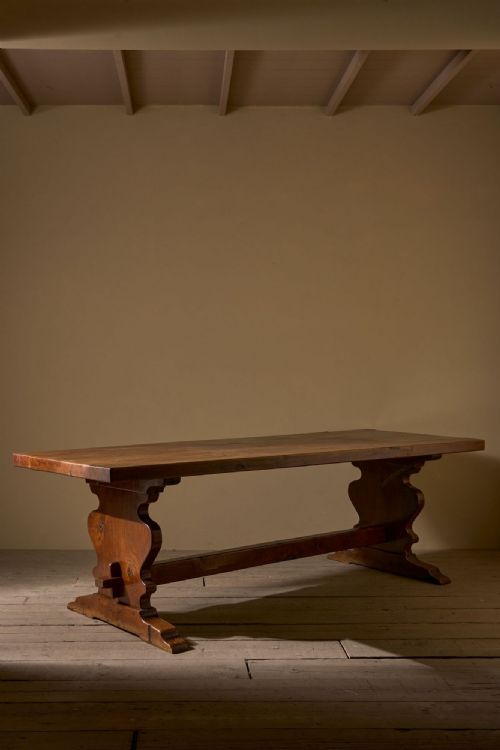
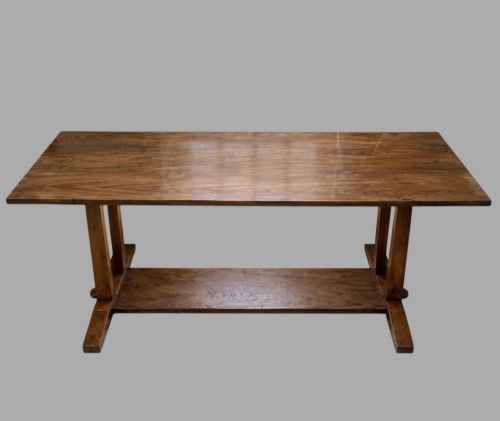
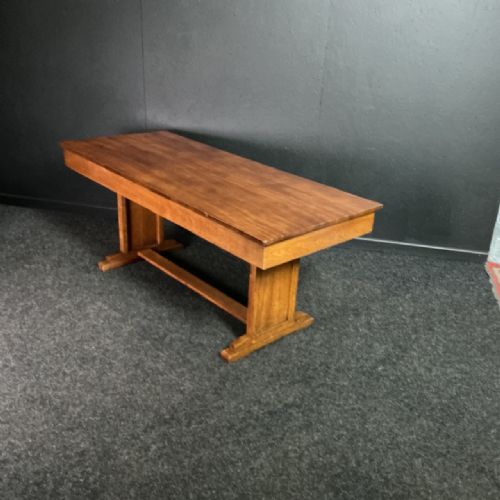
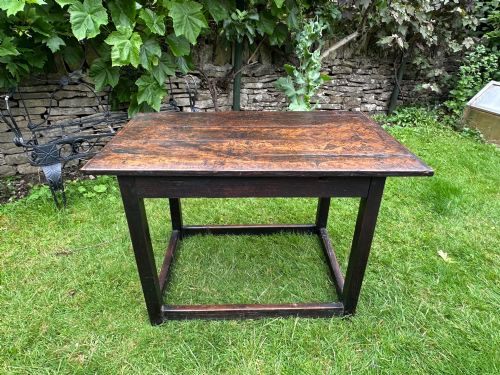
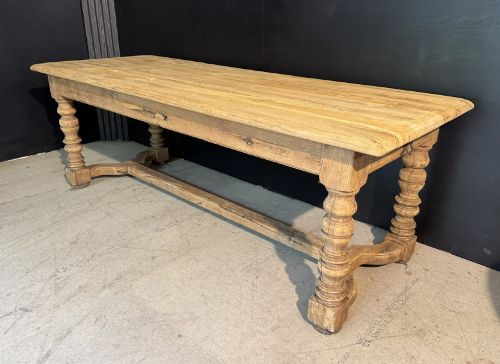

Oak Refectory Desk
An oak refectory desk delivers honest timber utility, bringing long boards and steady construction straight from historic halls into modern rooms.
Oak Refectory Desk
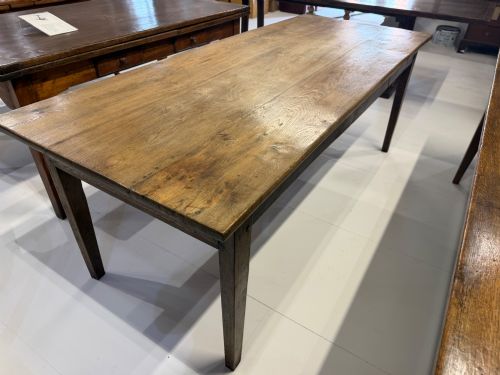
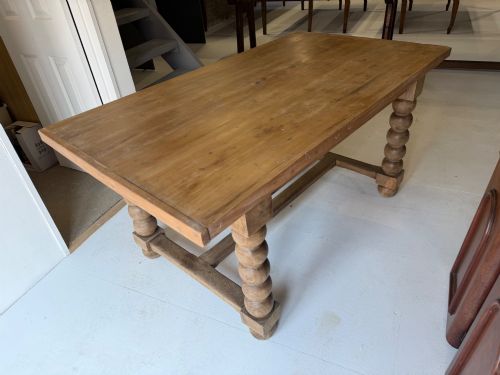
The oak refectory desk and its close dining relatives stem from long communal tables, translated through centuries into sturdy working surfaces. You meet them most often in solid oak, occasionally paired with beech, pine, or poplar, carrying the weight of decades of use.
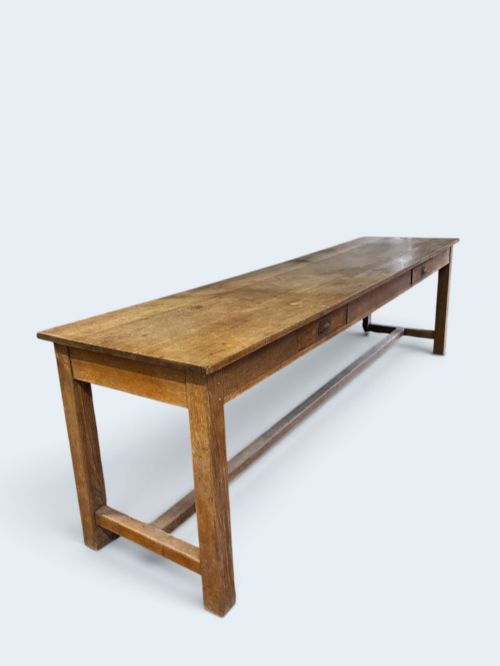
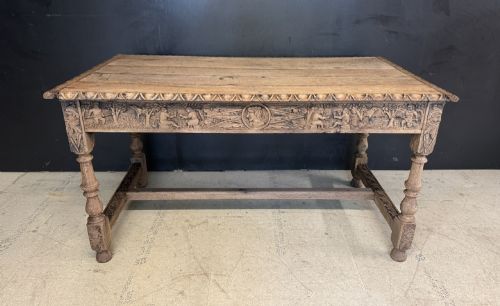
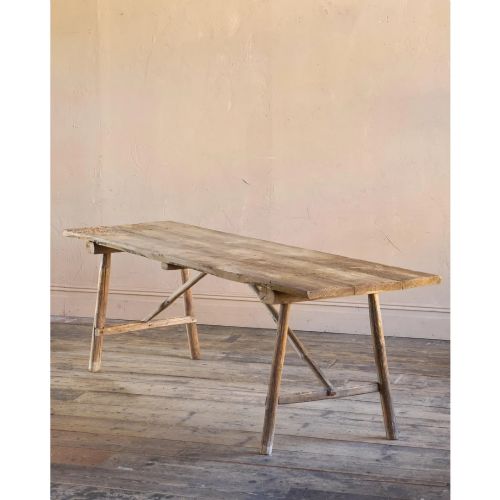
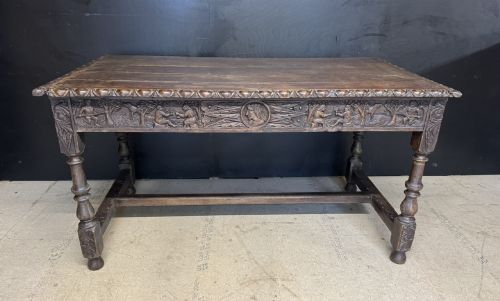
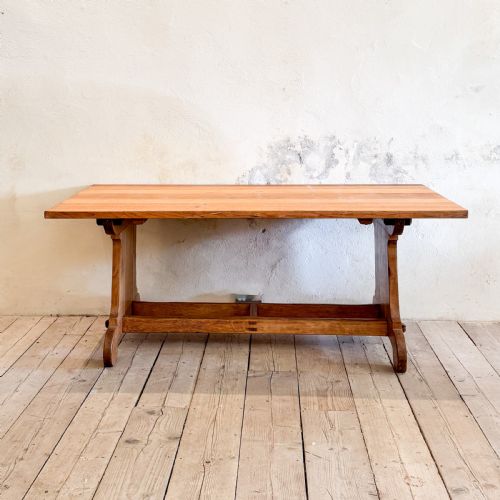
The selection ranges from 18th century plank top examples to 19th century traditional pieces and Edwardian or 1930s revivals. Forms stretch from simple trestle tables to library desks fitted with drawers for practical daily storage.
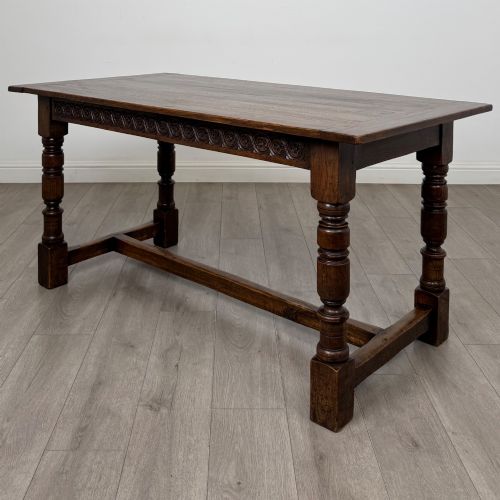
Makers drew on rustic farmhouse, Gothic revival, Arts and Crafts, and Jacobean styles to shape these surfaces. Their origins span local vernacular traditions as well as institutional workshops, creating substantial pieces built for longevity.
What varies in quality
The integrity of the timber forms the primary distinction in these pieces, separating honest quartered oak boards from softer secondary woods. Superior examples maintain original plank tops and sturdy underframes without excessive replacement timber.
Carving depth and the crispness of architectural details separate standard utilitarian tables from finer Arts and Crafts or Gothic revival commissions. Proportion and balance in the leg placement dictate whether a long surface feels light or overly cumbersome.
Listings feature oak alongside beech, pine, and poplar, spanning 18th century planks to 1930s institutional furniture.
Heals
The Oak Refectory Desk Glossary
- Refectory table
- A long, narrow table originally designed for monastic dining halls. These pieces now serve as substantial desks or large work tables.
- Trestle table
- A table supported by two or more upright frames connected by a horizontal stretcher. This design maximises legroom along the length of the top.
- Plank top
- A surface constructed from wide boards joined edge to edge. Older examples often display distinct grain patterns and shrinkage gaps earned through age.
- Quartered oak
- Timber cut radially from the log to reveal prominent medullary rays. This method produces a stable board with a distinctive decorative flake pattern.
- Arts and Crafts
- A design movement valuing honest construction, visible joinery, and natural materials. Pieces from this tradition avoid excessive machine ornamentation.
Oak Refectory Desk: Frequently Asked Questions
How do I date an oak refectory desk?
Dating relies on examining the construction methods, tool marks on the underside, and the style of the legs and stretcher. 18th century pieces typically show pegged mortise and tenon joints with hand-sawn board variations.
Later Edwardian and 1930s revivals often incorporate standardised fixings or machine-planed timbers while imitating earlier Gothic or farmhouse aesthetics.
Can I use a refectory desk for daily work?
These pieces were built for heavy communal use, making them naturally suited as large working desks or library tables. Their generous surface area easily accommodates modern writing equipment and computers.
Check the knee clearance beneath the aprons or drawers before purchase to ensure comfortable daily seating.
What is the difference between a refectory table and a desk?
Refectory tables were originally long dining boards, whereas desks often incorporate drawers for stationery storage. Many historic refectory tables function as desks today simply due to their proportions and height.
Listings may use the terms interchangeably depending on whether drawers are present beneath the top.
How do I care for an antique oak surface?
Maintain the wood by applying a natural beeswax polish occasionally to nourish the dry timber. Avoid placing the desk near direct heat sources or in strong sunlight to prevent splitting in the old planks.
Use coasters and felt pads to protect the historic finish from moisture rings and daily wear.