
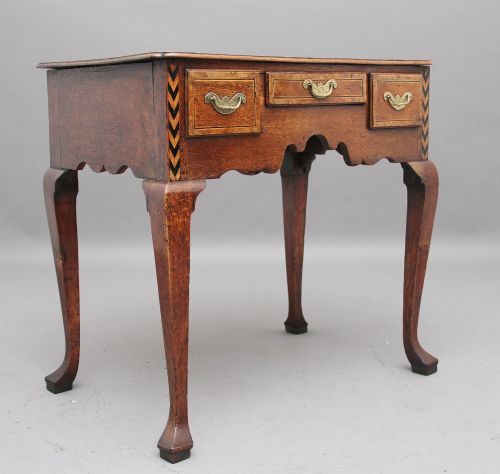
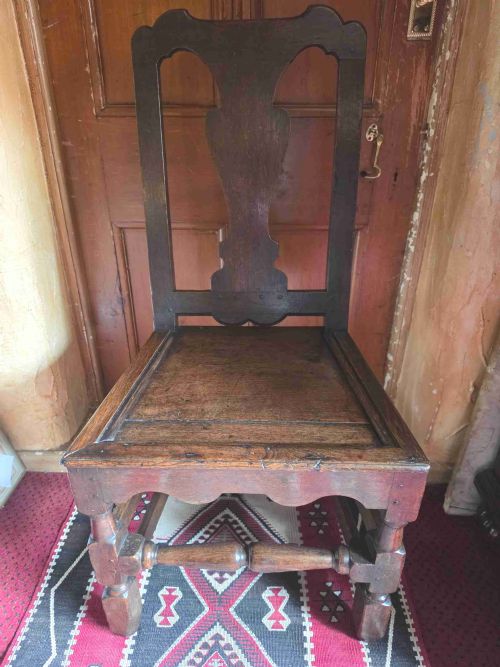


Oak Queen Anne Desk
An oak queen anne desk brings the understated grain and quiet proportion of early eighteenth-century provincial craftsmanship straight into a modern study.
Oak Queen Anne Desk
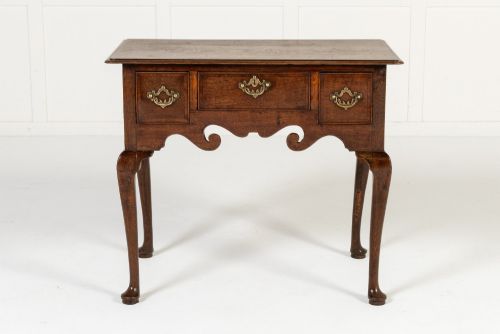
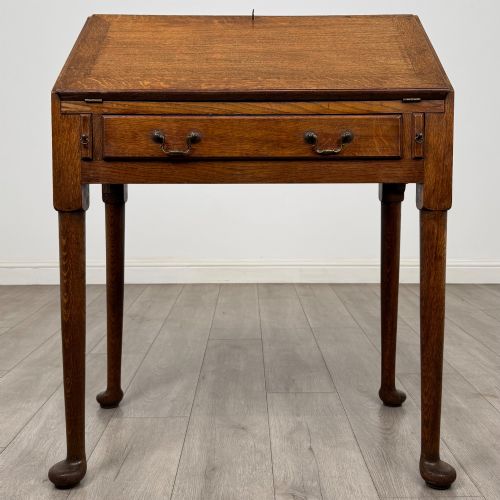
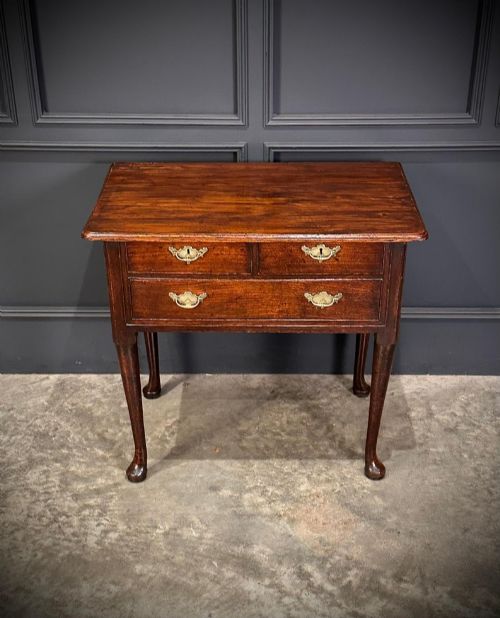
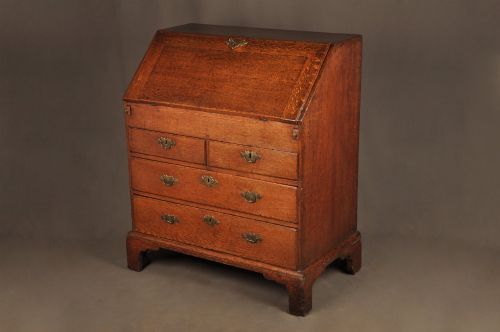
When you search for an oak queen anne desk, you encounter forms that merge utility with restrained domestic elegance. The selection ranges from compact writing tables and lowboys to fitted bureaux and kneehole desks.
Most examples belong to the eighteenth century, alongside later revivals from the nineteenth and twentieth centuries. Country-made pieces sit alongside more finished urban iterations, reflecting diverse regional workshops.
These items served primarily for correspondence and private accounts. Their survival demonstrates the enduring appeal of solid timber construction paired with functional drawer arrangements.
Materials and construction methods
Makers relied heavily on solid oak, frequently enhanced by secondary timbers such as fruitwood inlay, walnut, and burr oak veneers. Brass hardware, including drop handles and escutcheons, provides functional contrast to the dark timber ground.
Joinery techniques prioritised sturdy frame construction, often utilising pegged mortise and tenon joints for structural longevity. Drawer linings and internal partitions reveal hand-cut dovetails executed with simple bench tools.
Listings span the seventeenth, eighteenth, and nineteenth centuries, featuring oak, walnut, burr oak, and brass hardware.
Markers of quality and execution
Superior examples distinguish themselves through the choice of timber figure and the crispness of surviving mouldings. Selection of quarter-sawn oak displays subtle medullary rays that elevate the surface appearance.
Proportion and untouched patination define the upper tier of surviving pieces. Heavy restoration or replaced structural elements alter the visual harmony established by the original maker.
The Oak Queen Anne Desk Glossary
- Lowboy
- A small table with one or more drawers, commonly used as a dressing table or writing surface during the early eighteenth century.
- Bureau
- A sloping desk lid opening to reveal fitted interior compartments above a chest of drawers.
- Kneehole desk
- A writing table featuring a central recessed space flanked by pedestals of small drawers.
- Escutcheon
- A protective brass plate surrounding a keyhole, designed to prevent the surrounding timber from splitting.
Oak Queen Anne Desk: Frequently Asked Questions
How do I identify a genuine period piece?
Examine the timber shrinkage, hand-cut dovetails, and surface patination accumulated over centuries of domestic use.
Secondary woods and construction marks on the interior further help confirm the period of manufacture.
What is the difference between a lowboy and a desk?
A lowboy is a small table with drawers at knee height, whereas a desk or bureau incorporates a writing surface and internal compartments.
Both forms served administrative duties in country houses and town residences.
How should I care for antique oak surfaces?
Maintain a stable room atmosphere away from direct heat sources and sudden humidity shifts to prevent timber movement.
Apply traditional wax sparingly to nourish the grain without building up heavy chemical layers.
Are revival pieces as collectible as eighteenth-century originals?
Revival pieces from later centuries offer robust construction and traditional styling at a different level of historical interest.
Original eighteenth-century examples command greater attention from collectors due to their age and original joinery.