


Oak Panel Chest
An oak panel chest anchors a room with centuries of timber grain, offering sturdy storage fashioned by hands long gone.
Oak Panel Chest
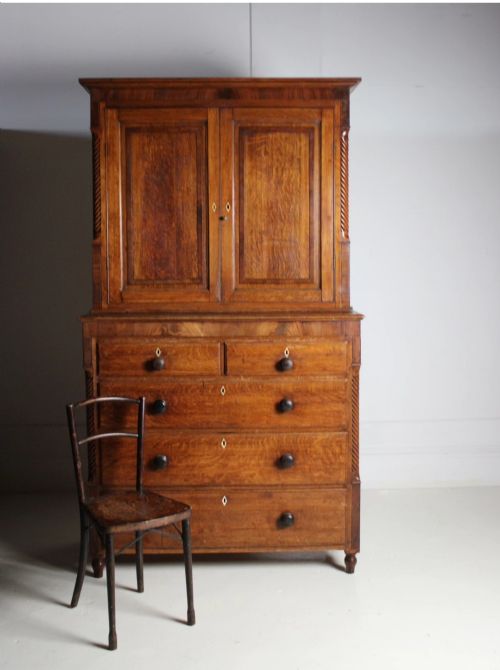
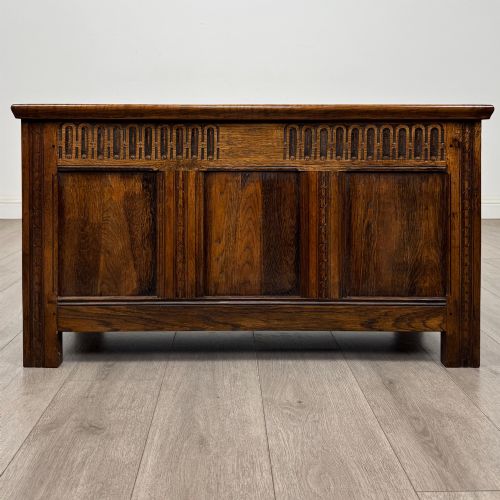
An oak panel chest represents a sturdy storage container built from timber, commonly found in forms such as coffers, blanket boxes, and mule chests spanning the seventeenth and eighteenth centuries.
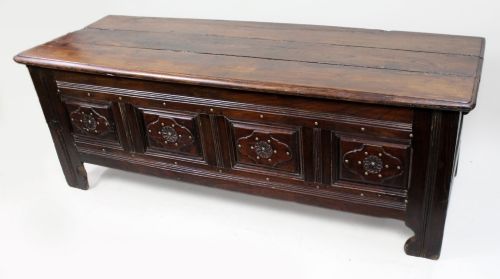
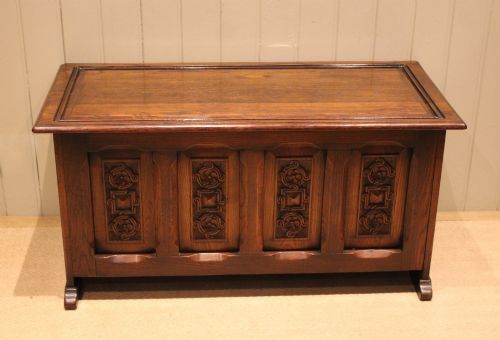
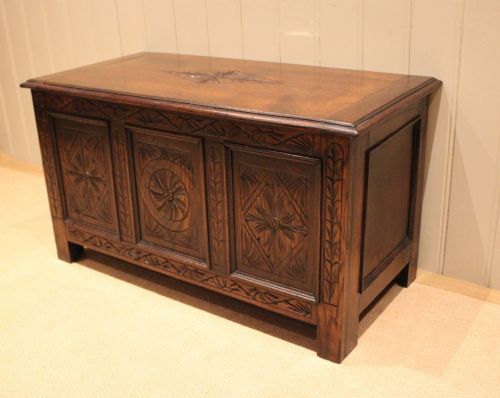
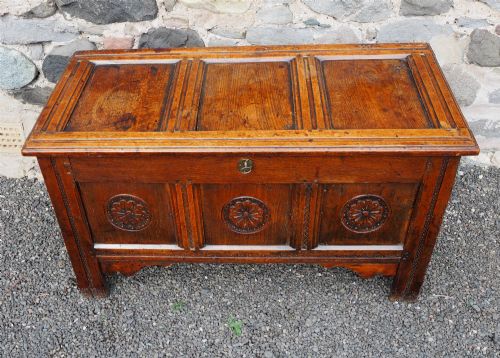
The pieces appearing most frequently range from seventeenth-century joined examples featuring carved triple panels to eighteenth-century Georgian variants with plain or fielded designs.
Buyers seek these forms to provide functional storage while introducing historic presence and visible timber figure into modern or traditional interiors.
How they were made
Joiners constructed these pieces using solid oak frames assembled with mortise and tenon joints, holding thin panels that could expand and contract safely with atmospheric changes.
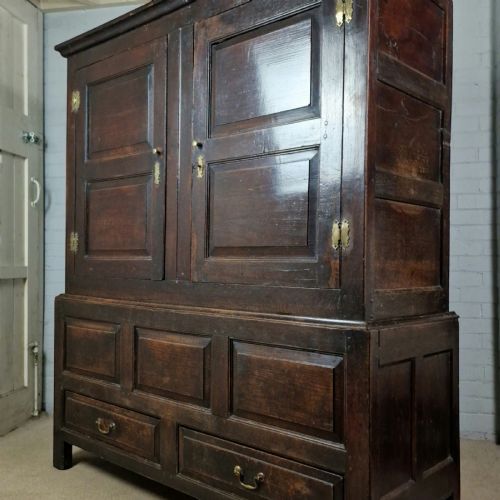
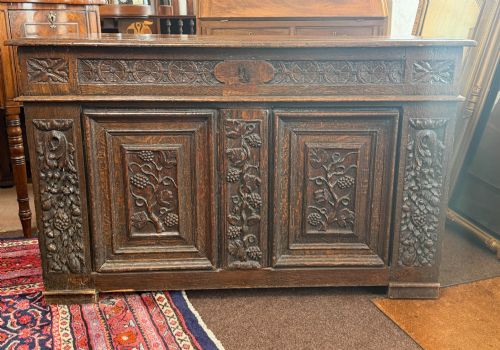
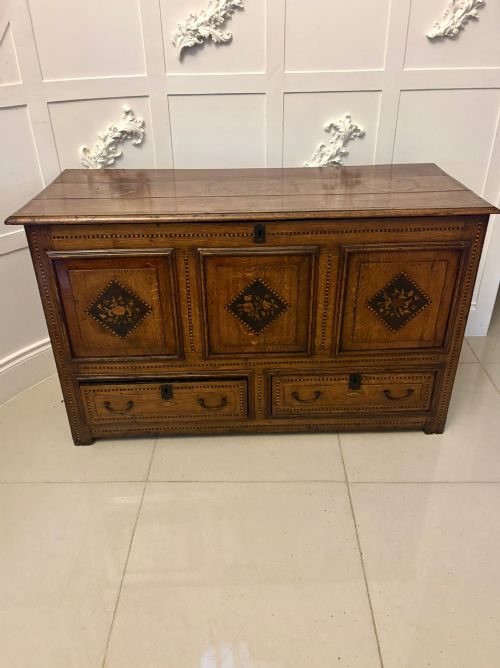
Many examples incorporate decorative surface work, utilising iron hardware, brass fixings, carved ornamentation, and occasionally marquetry or wood inlay to enrich the primary timber.
Surface finishing relied on historic hand scraping and wax polishing, which develops depth and character over long periods of domestic use.
Some early Welsh coffers carry names reflecting their tiny proportions, offering a glimpse into domestic life where storage had to fit beside the hearth.
What varies in quality
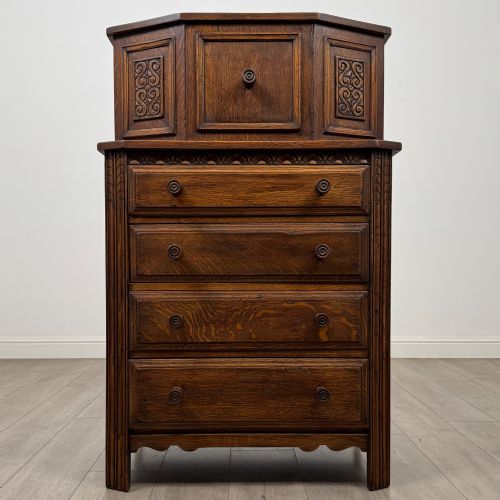
The degree of hand-carved detail and the complexity of panel configuration separate simple utility boxes from ambitious artisan commissions.
The survival of original timber surfaces, untouched patination, and early iron or brass hinges dictate the historic integrity of a surviving survivor.
Proportions also govern desirability, as smaller scaled pieces and unusual regional variations command distinct attention from collectors compared to standard domestic sizes.
The Oak Panel Chest Glossary
- Panel
- A flat piece of wood fitted within a grooved frame to allow for natural movement without splitting. This construction method defines traditional joined furniture.
- Mule chest
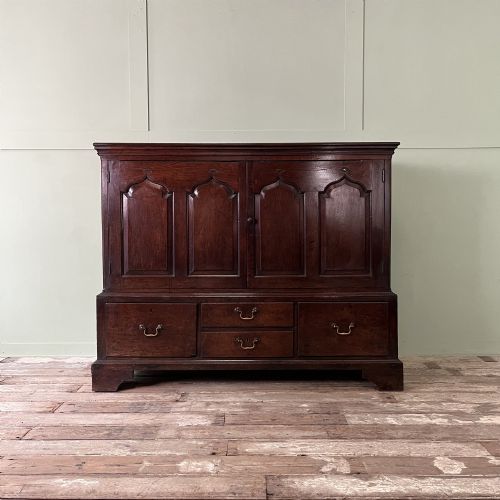
- A storage chest fitted with one or more drawers at the base beneath the main compartment. This hybrid form bridges the evolution between simple coffers and drawer chests.
- Fielded panel
- A central panel with bevelled edges raised above the surrounding frame. This technique adds depth and shadow play to the facade.
- Coffer
- A heavy wooden box used primarily for storing valuables, linens, or documents. Early versions often sat directly on the floor or short stile extensions.
- Patina
- The surface sheen and colour acquired by timber through age, light exposure, and handling. Good examples show deep warmth developed over generations.
Oak Panel Chest: Frequently Asked Questions
How do I date an oak panel chest?
Dating relies on observing construction methods, joinery types, and the style of carving present on the frame. Early seventeenth-century pieces typically display pegged mortise and tenon joints with geometric or strapwork carving.
Later eighteenth-century examples often introduce cleaner lines, fielded panels, and integrated bottom drawers. Examining the timber shrinkage and tool marks provides further clues to the period of manufacture.
What was a mule chest used for?
A mule chest served as a dual-purpose piece of furniture for storing household textiles in the main upper compartment while keeping smaller garments or accessories neatly organised in the lower drawers.
This design bridged the transition from basic blanket chests to drawer-based storage cabinets in domestic English and Welsh homes.
How do I care for historic oak furniture?
Historic oak requires stable indoor humidity and protection from direct heat sources to prevent the dry timber from splitting or warping. Applying traditional beeswax periodically nourishes the wood and maintains the protective surface sheen.
Avoid modern liquid polishes containing silicones, which can degrade the historic finish over time.
What is the difference between a coffer and a chest?
A coffer traditionally refers to a heavily constructed storage box used for valuables, often featuring secured lid mechanisms and robust stiles. The term chest is frequently used interchangeably but can also describe taller drawer-based case furniture.
In historic contexts, panelled coffers served multiple household roles including seating and transport.