
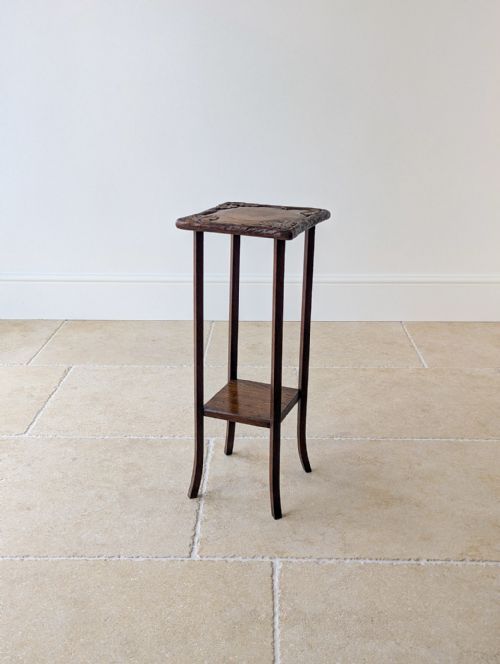
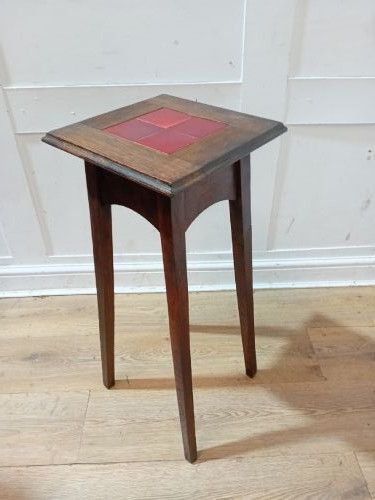


Oak Jardiniere Stand
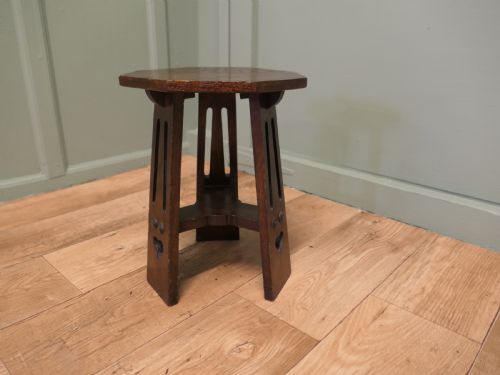
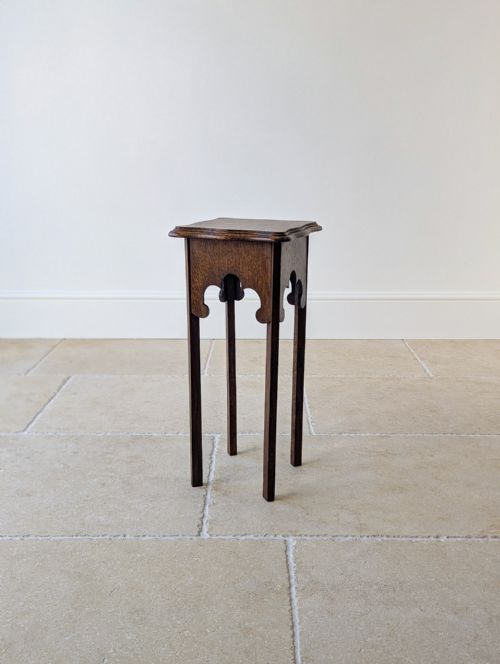
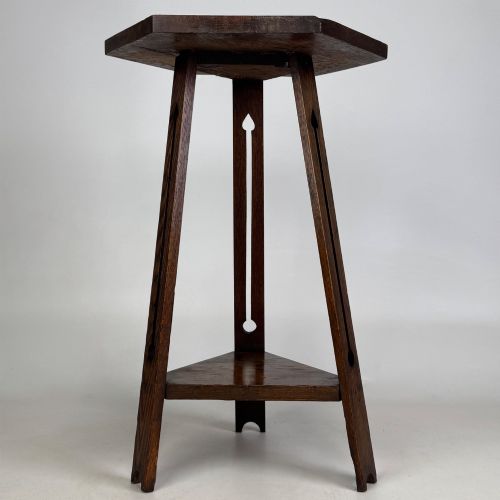
An oak jardiniere stand holds heavy potted ferns and flowering plants, bringing architectural timber and living greenery together in the room.
Oak Jardiniere Stand
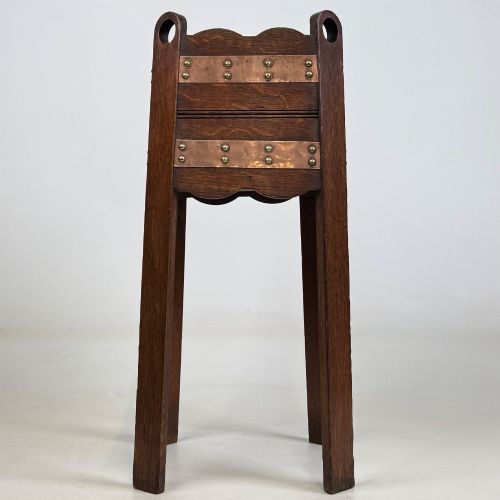
An oak jardiniere stand is a sturdy furniture form designed specifically to elevate plants, combining structural timber with functional vessels. These pieces range from simple round pedestals to elaborate multi-tiered plant tables and coopered barrel planters.
Beyond holding foliage, these stands double as display surfaces for lamps, busts, and decorative objects. Their compact footprints allow them to fit neatly into corners or beside seating areas where they add vertical interest.
How They Were Made
Carpenters constructed these stands using solid oak, sometimes golden or dark-toned, shaped through traditional joinery, turning, and coopered stave construction. Coopered examples feature tightly fitted wooden staves bound with metal hoops, much like miniature barrels, to hold water safely.
Metal components such as brass and copper bands, liners, and mounts appear frequently to protect the wood from damp soil and provide decorative contrast. Turned elements like barley twist legs and fluted columns demonstrate the proficiency of period woodturners.
The archive records versatile forms functioning as plant stands, side tables, torchere columns, and wash stands.
What Varies in Quality
Quality rests in the weight of the timber, the tightness of the joinery, and the integrity of any metal liners or bindings. Superior examples display thoughtful proportions and careful turning that balance the heavy weight of wet earth.
Makers known for distinct retail output or specific cooperative manufacturing methods distinguish certain pieces from standard workshop production. The presence of original metalwork and well-preserved coopered staves elevates the integrity of a stand.
Liberty and Co·Lister and Co
The Oak Jardiniere Stand Glossary
- Jardiniere
- An ornamental pot or stand for holding plants or flowers. It derives from the French word for gardener.
- Coopered
- Made by assembling curved wooden staves bound with metal hoops, a technique borrowed from barrel-making. This method ensures waterproof strength for holding damp soil.
- Barley Twist
- A turned wooden furniture leg resembling a twisted rope or spiral. It was a popular decorative feature during the seventeenth century and later revived in Victorian and Edwardian design.
- Arts and Crafts
- A design movement promoting handcraftsmanship, simple forms, and natural materials. It emerged in the late nineteenth century as a reaction against mass-produced industrial goods.
- Torchere
- A tall, slender stand originally designed to hold a torch or candle, later adapted for lamps or plant displays. These pieces emphasise vertical line and small footprint.
Oak Jardiniere Stand: Frequently Asked Questions
What is the difference between a plant stand and a jardiniere stand?
A plant stand generally provides a flat surface or tiered shelves to support a potted plant. A jardiniere stand specifically incorporates a fitted container, often metal-lined or coopered, designed to hold soil and plants directly.
While both share a similar silhouette and height, the jardiniere version accommodates damp root systems within its integrated vessel.
How do I protect the wood from water damage?
Most period jardiniere stands feature original metal liners made of zinc, copper, or brass to contain moisture. Using a separate plastic or ceramic saucer inside the metal liner prevents standing water from touching the wood.
Regularly wiping away condensation preserves the integrity of the oak staves and prevents interior staining.
Where should I place an oak plant stand in my home?
These stands suit bright corners, window recesses, or beside armchairs where they receive adequate light for plants. Their compact circular or octagonal tops make them practical for filling awkward vertical spaces.
They also function effectively as display pedestals for small sculptures, lamps, or decorative bowls.
How can I tell an Edwardian stand from a Victorian one?
Victorian stands often lean towards heavier Revival styles, such as Gothic or Renaissance influences, with dark finishes and dense carving. Edwardian pieces generally reflect lighter Arts and Crafts principles, favouring clean golden oak and simpler joinery.
Construction techniques overlap, but overall weight and decorative restraint help distinguish the decades.