
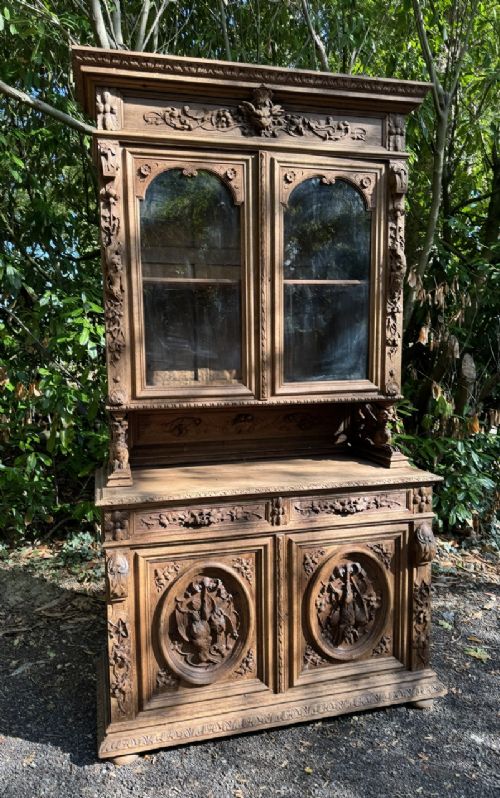
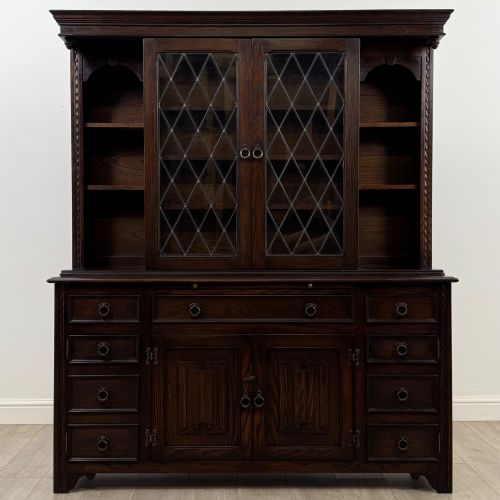
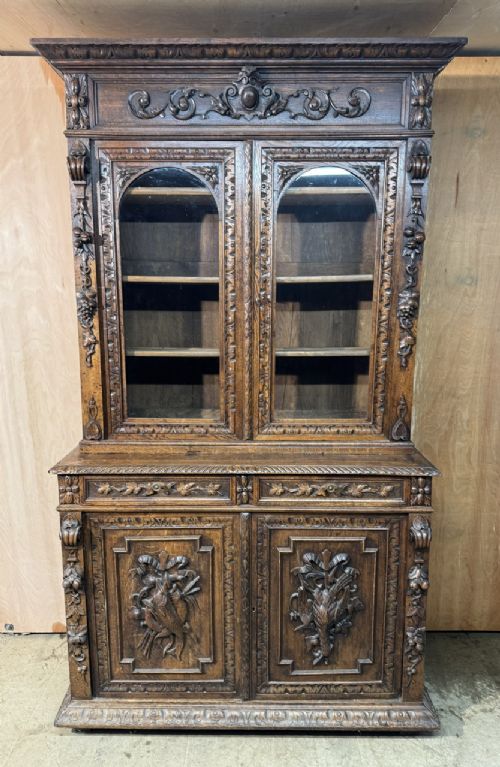
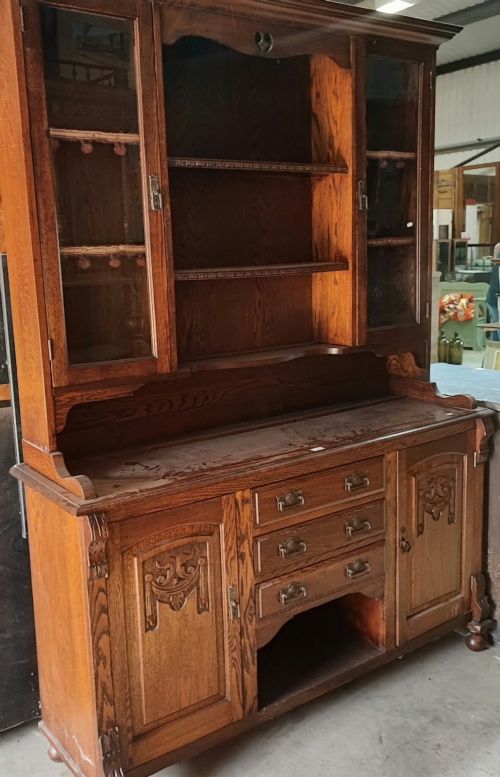



Oak Hutch Display Cabinet
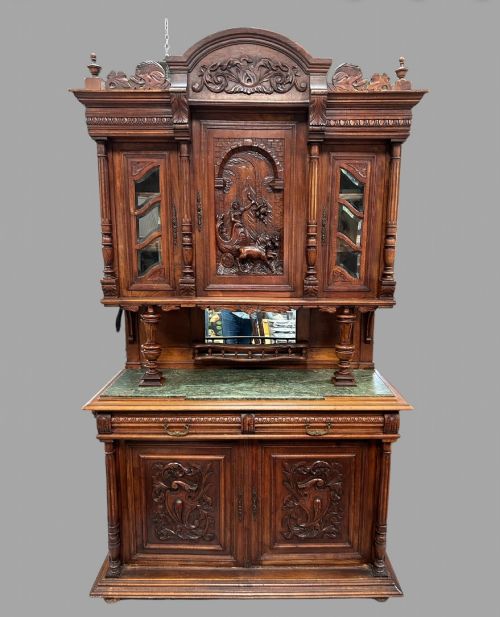
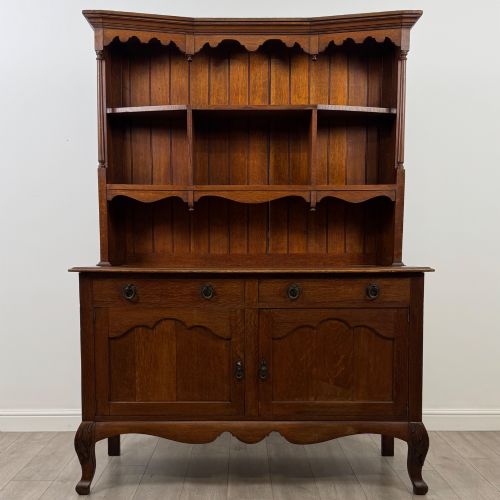
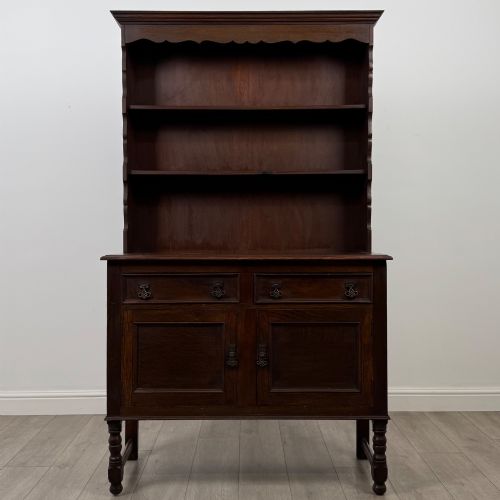
An oak hutch display cabinet combines storage and display, bringing substantial timber storage and plate racks into country houses and period rooms.
Oak Hutch Display Cabinet
When you search for an oak hutch display cabinet, you encounter sturdy timber storage units that typically combine lower cupboards with upper plate racks, open shelving or glazed display sections. These pieces span centuries of regional craftsmanship, originating as functional kitchen and dining room storage before evolving into decorative display furniture.
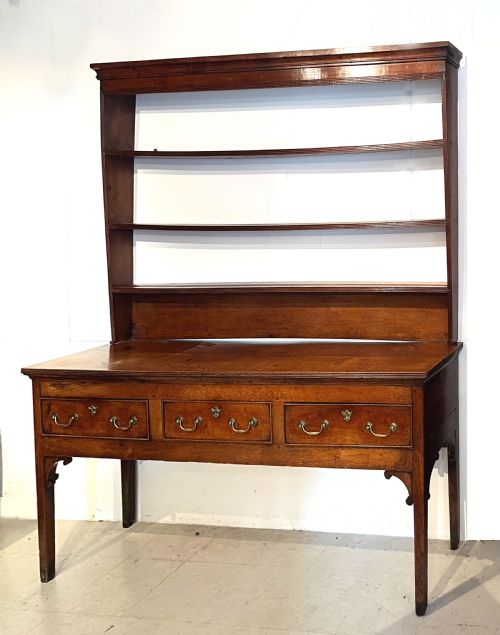
The pieces appearing on this page most frequently take the form of Welsh dressers, country dressers, and two-part cabinets originating from the eighteenth and nineteenth centuries. You will also find revival styles such as Jacobean and Arts and Crafts interpretations alongside Edwardian and later twentieth-century iterations.
Regional variations shape these cabinets significantly, ranging from Cornish and Welsh vernacular designs to French provincial pieces and English country examples. They serve primarily to house dinnerware, display ceramics, and store household goods behind wooden doors or beneath glazed panels.
How they were made
Cabinet makers utilised solid oak timbers, often selecting golden, tiger, or country oak varieties for their durability and pronounced grain patterns. Secondary materials like walnut occasionally appear alongside brass hardware, iron fittings, lead cames holding glass panels, and marble inserts.
Joinery methods rely on traditional pegged joints, hand-carved panels, and dovetailed drawers built to withstand heavy daily use in domestic kitchens and dining rooms. Glazed doors incorporate leaded glass panes, while upper plate racks feature fixed wooden grooves designed to support ceramic plates upright.
Materials paired with oak across these selections include brass, iron, lead, walnut, and marble.
What varies in quality
The degree of hand-carving and decorative detailing sets superior examples apart, particularly when panels display intricate motifs like Green Man carvings or French hunting scenes. Original hardware, including brass drop handles and working iron locks, maintains the integrity of the piece far better than replaced fittings.
Timber selection and construction depth dictate overall longevity, with dense golden or tiger oak holding patination and structural rigidity more gracefully than later commercial pine-backed alternatives. The crispness of vernacular joinery and the survival of original glass panes in glazed cabinet doors also determine the standing of each piece.
Shapland and Petter·Heals of London
The Oak Hutch Display Cabinet Glossary
- Welsh dresser
- A traditional two-part dining room or kitchen storage unit featuring a base of drawers and cupboards surmounted by an open plate rack.
- Tiger oak
- Oak timber exhibiting intense, irregular medullary ray figuring that resembles the stripes of a tiger when polished.
- Leaded glass
- Glass panes held together within narrow strips of lead, commonly utilised in cabinet doors to secure decorative window segments.
- Breakfront
- A piece of furniture where the central section projects forward past the flanking sections, adding architectural depth.
- Plate rack
- An upper tier of open wooden shelving fitted with grooves or rails specifically designed to display plates upright.
Oak Hutch Display Cabinet: Frequently Asked Questions
What is an oak hutch display cabinet used for?
These cabinets serve to store tableware, linens, and provisions in lower cupboards while exhibiting decorative ceramics and plates on upper open or glazed shelves.
They function as both practical storage furniture and focal display pieces within kitchens, dining rooms, and living spaces.
How do I identify an eighteenth century oak dresser?
Early pieces typically exhibit hand-planed surfaces, pegged frame construction, and deep patination accumulated over centuries of domestic use.
They often feature vernacular joinery traits and simpler regional designs distinct from later Victorian revival styles.
What is the difference between a dresser and a hutch?
A traditional dresser combines a solid cupboard or drawer base with an open plate rack tier mounted on top.
Cabinets described with hutch elements frequently incorporate enclosed upper shelving behind wooden or glazed doors rather than purely open shelves.
How do I care for antique oak furniture?
Maintain antique oak by keeping it away from direct heat sources and sudden humidity changes that cause timber to split.
Apply traditional beeswax periodically to nourish the wood and preserve the natural patination without using modern silicone polishes.