


Oak Housekeeper Cabinet
An oak housekeeper cabinet offers substantial storage with utilitarian charm, originating from periods spanning the seventeenth to the early twentieth century.
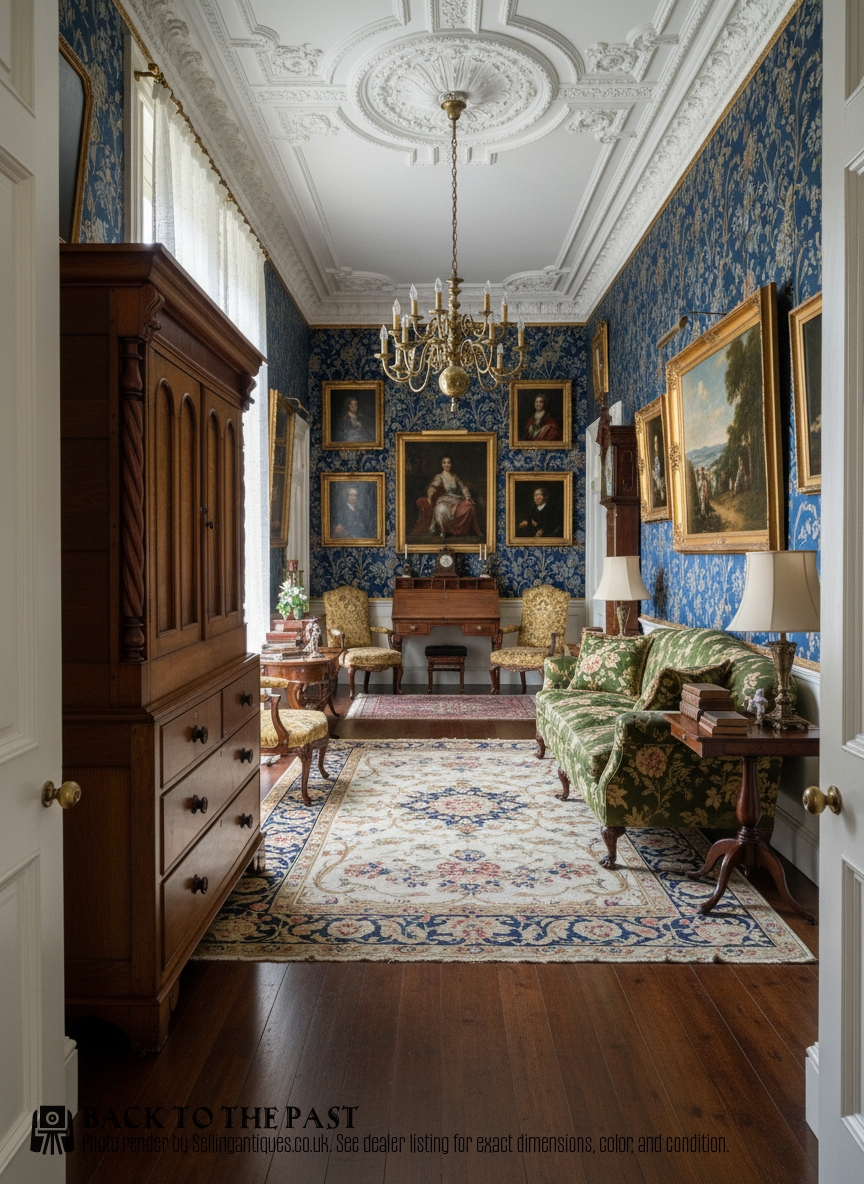
Oak Housekeeper Cabinet
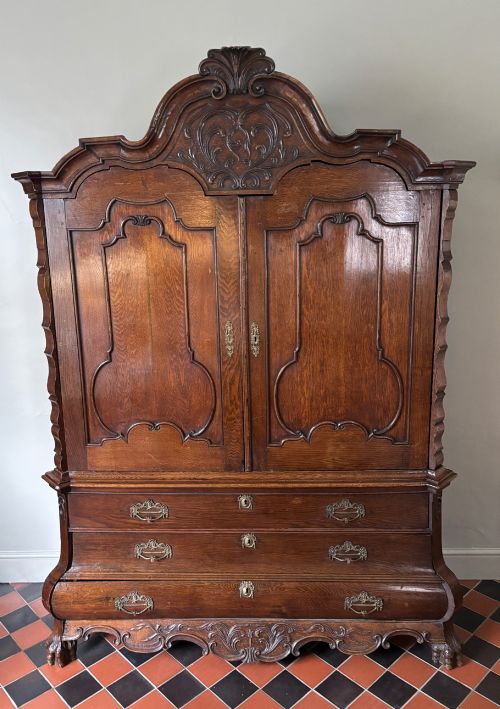
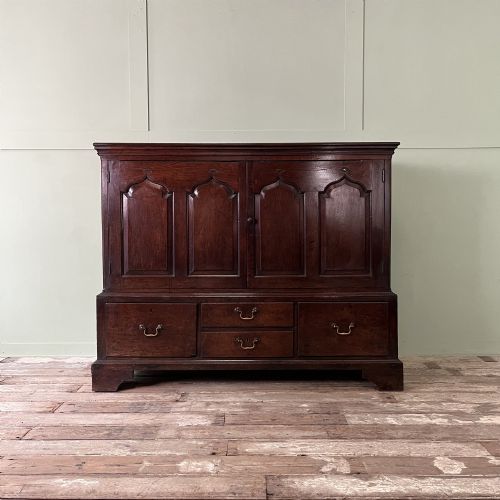
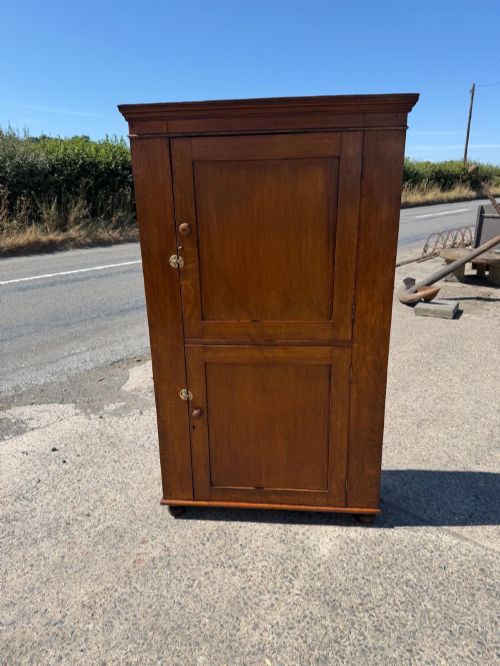
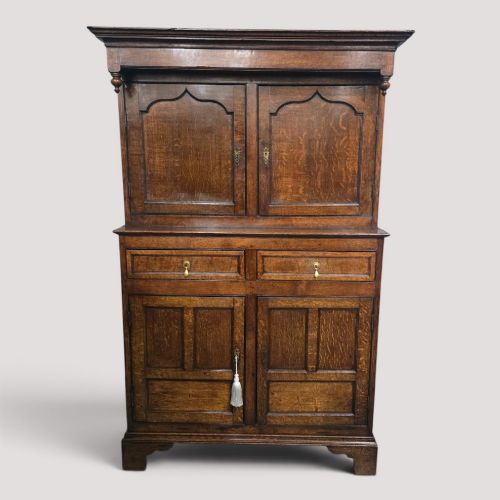
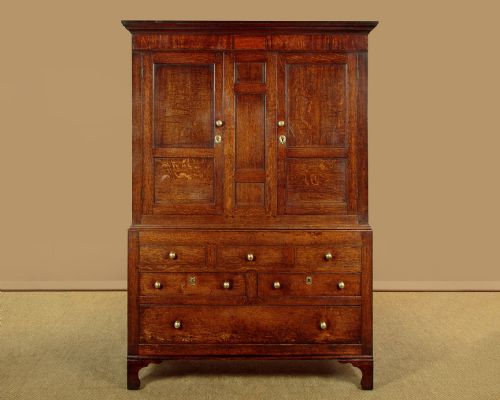
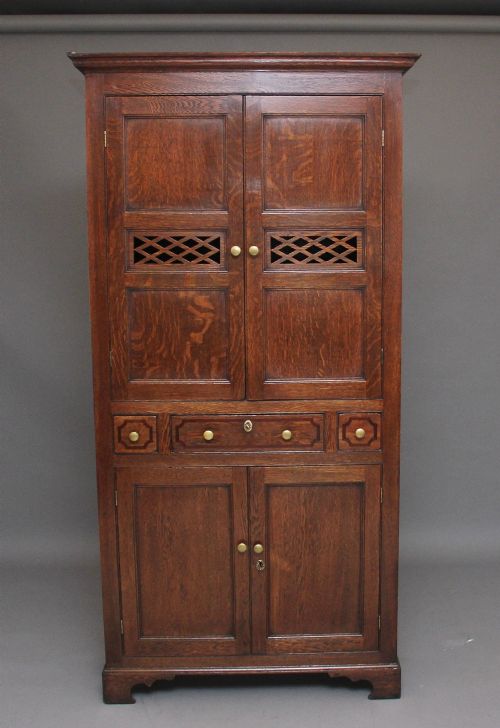
An oak housekeeper cabinet is a large storage piece historically used for household linens, provisions, and dry goods. When searching for an oak housekeeper cabinet, buyers encounter forms ranging from tall linen presses and two-stage press cupboards to food cupboards and regional Welsh deuddarn designs.
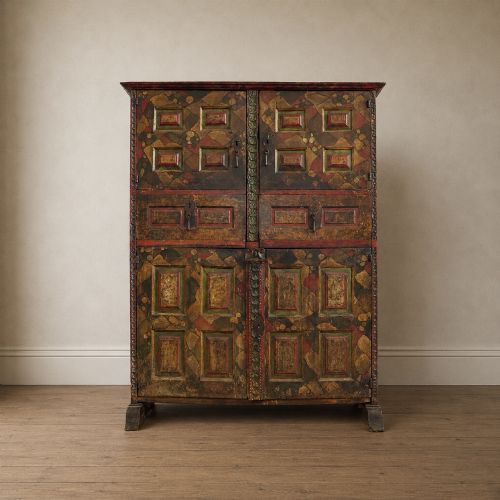
The pieces on this page span several centuries, with a strong representation of eighteenth-century Georgian examples alongside nineteenth-century Victorian and Edwardian iterations. Regional vernacular pieces from Wales, France, Spain, and England demonstrate how domestic storage adapted to local rural and estate needs.
Most items combine deep lower drawer bases with enclosed upper shelving or hanging space, serving practical functions in large country houses and farmhouses. Buyers often meet regional variations such as bread and cheese cupboards, tack cupboards, and estate storage units.
Materials and construction methods
Solid oak serves as the primary structural material across these pieces, frequently complemented by secondary timbers and detailed with brass hardware, iron hinges, and glass panels. Craftspeople utilised durable joining techniques to build heavy carcases capable of bearing substantial domestic weight over generations.
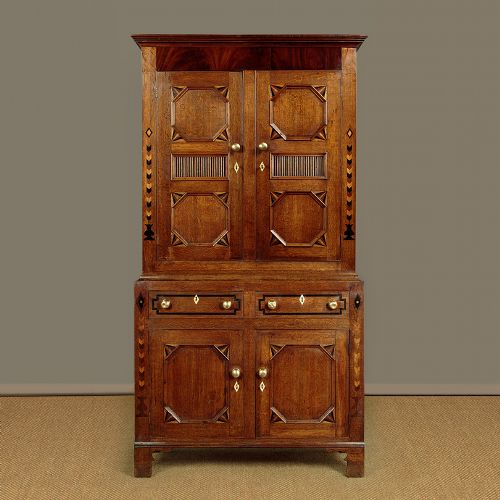
Surface treatments vary from plain waxed finishes to polychrome painted decoration, pigment, cross-banded mahogany details, and inlaid decoration using ebony and holly. Regional workshops applied distinct regional styles, from Gothic Revival mouldings to Dutch Baroque proportions and Welsh vernacular framing.
Listings feature oak storage pieces spanning from the seventeenth century through the Georgian and Victorian eras up to the twentieth century.
Distinguishing quality in storage furniture
Quality in these large storage pieces rests on the integrity of the timber selection, the crispness of panel work, and the survival of original hardware such as brass handles and iron hinges. Pieces that retain their original feet, cornices, and surface patination stand apart from heavily restored examples.
Proportion and regional character dictate desirability, with vernacular details like cross-banding, inlay, or polychrome painted surfaces marking out finer craftsmanship. The tightness of joinery in large two-stage carcases indicates the skill of the original provincial or estate maker.
The Oak Housekeeper Cabinet Glossary
- Deuddarn
- A traditional Welsh two-tier cupboard featuring enclosed upper and lower compartments, commonly constructed in oak during the seventeenth and eighteenth centuries.
- Linen Press
- A tall piece of furniture designed specifically for storing folded garments and household linens, typically combining sliding trays in the upper section with drawers below.
- Press Cupboard
- A heavy storage carcase with enclosed shelving or hanging space, often built in two stages for domestic utility in large country houses.
- Cross-banded
- A decorative framing technique where veneer is applied across the grain around the perimeter of panels or drawer fronts.
- Vernacular
- Furniture built by regional craftsmen to local traditions and domestic requirements rather than following metropolitan academic designs.
Oak Housekeeper Cabinet: Frequently Asked Questions
What is an oak housekeeper cabinet used for?
These cabinets served historically to store household linens, foodstuffs, and dry provisions in large domestic settings.
Today, they provide substantial wardrobe or pantry storage in modern homes while retaining period character.
How do I date an oak housekeeper cabinet?
Dating relies on examining construction methods, timber thickness, hardware types, and stylistic indicators such as Georgian proportions or Victorian Gothic mouldings.
Regional variations and secondary woods also offer clues to the approximate decade of manufacture.
Are these cabinets modular for moving?
Many larger examples, particularly two-stage press cupboards and deuddarn designs, separate into upper and lower sections for transport.
Solid oak construction makes these pieces extremely heavy, requiring careful handling during relocation.
What is a Welsh deuddarn?
A deuddarn is a traditional two-section Welsh cupboard featuring panelled doors and distinct regional joinery details.
These pieces represent a specific vernacular tradition within rural British furniture making.