

Oak Hall Dresser
An oak hall dresser brings centuries of practical storage and rich timber grain into an entrance space.
Oak Hall Dresser
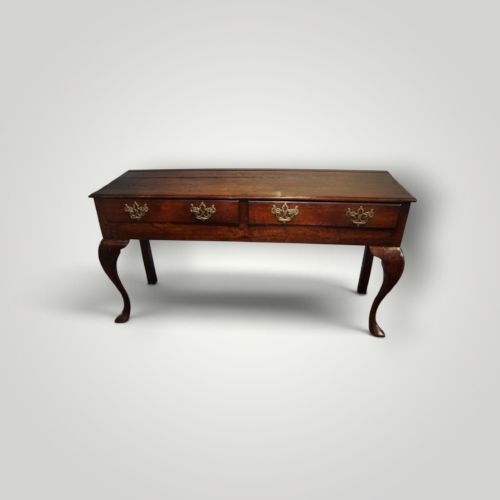
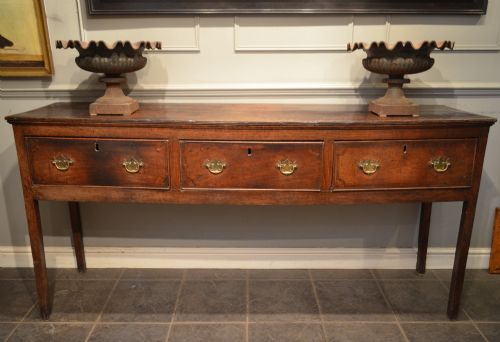
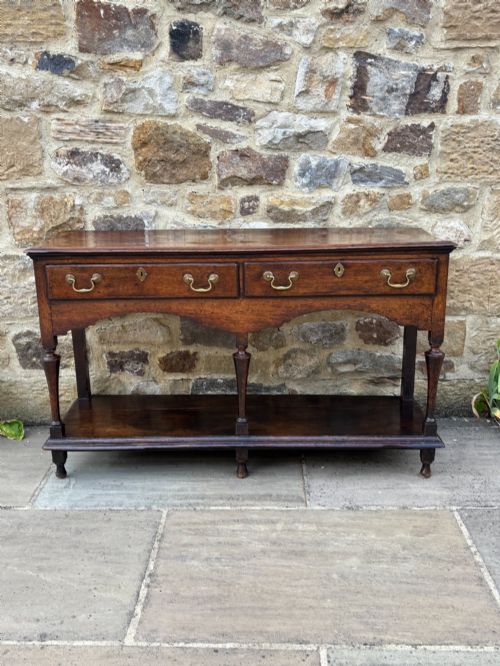
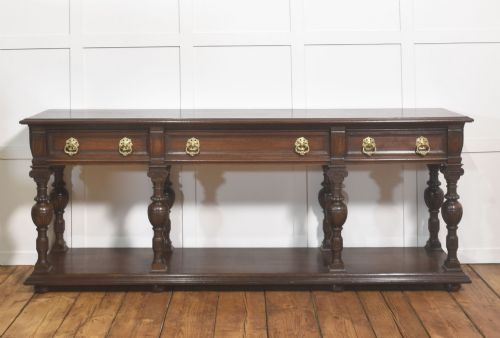
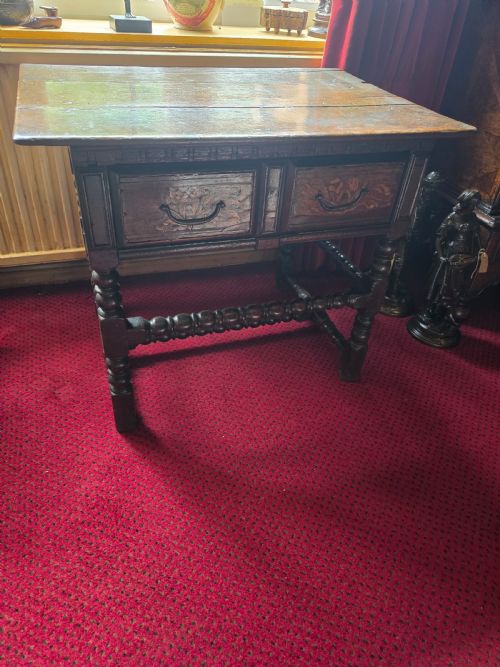
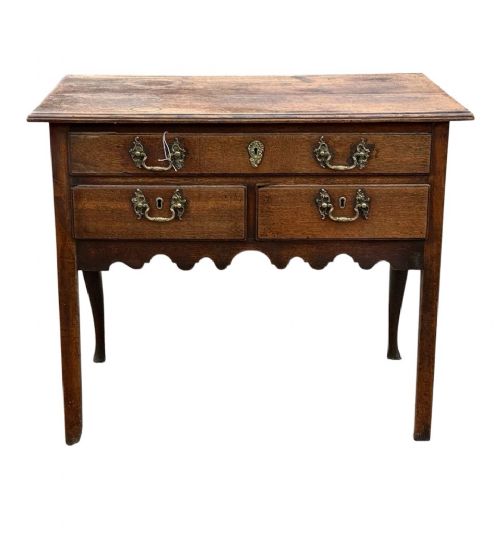
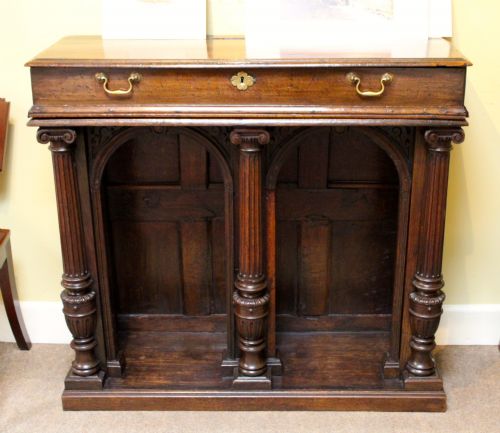
When searching for an oak hall dresser, buyers encounter low-profile furniture primarily originating from the seventeenth, eighteenth, and nineteenth centuries. These pieces function as narrow sideboards, console tables, and dresser bases suited to narrow corridors.
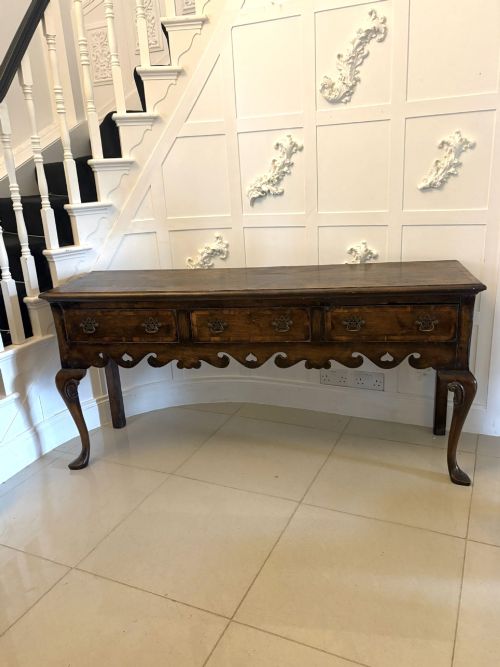
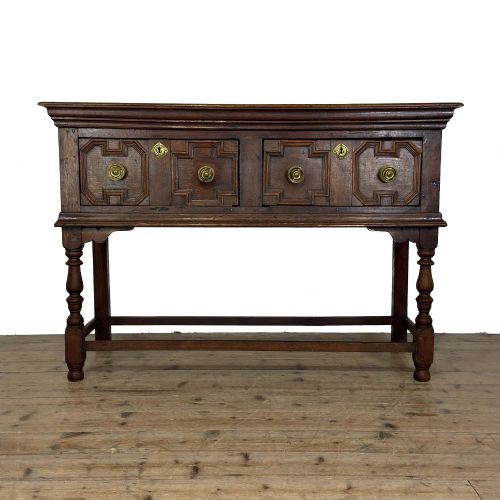
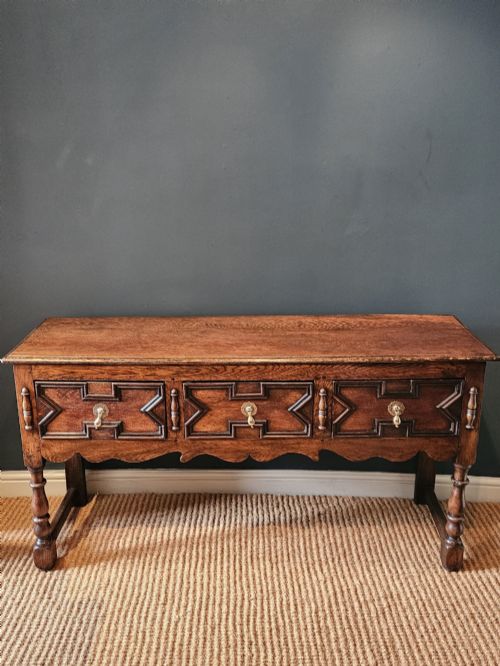
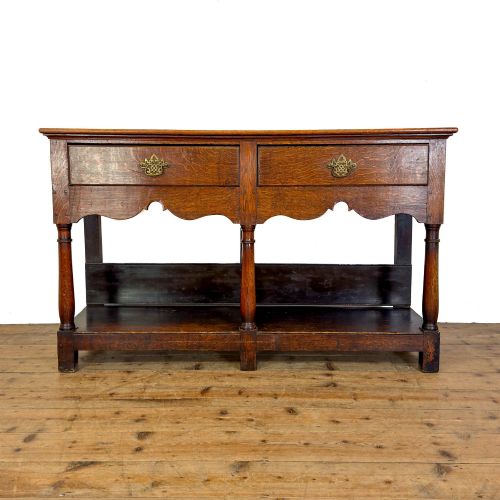
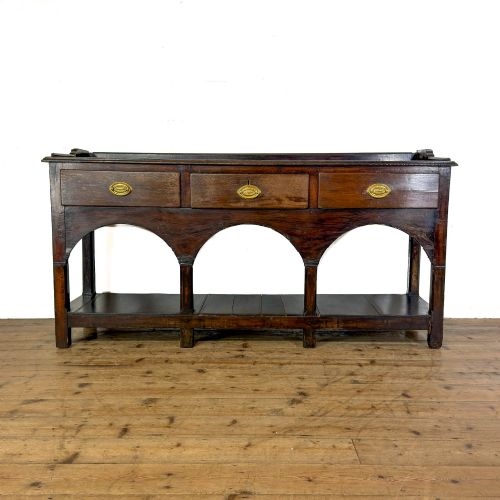
The version most commonly met on this page is the dresser base, often featuring two or three drawers above a potboard or cupboard space. Regional variations such as Welsh vernacular forms appear alongside Georgian country and Jacobean revival styles.
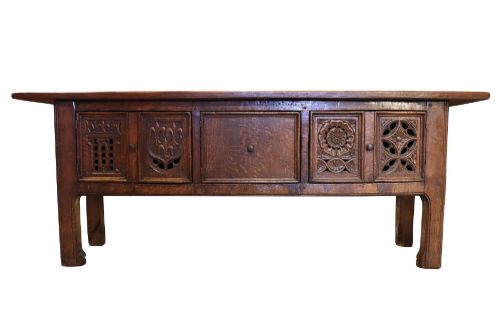
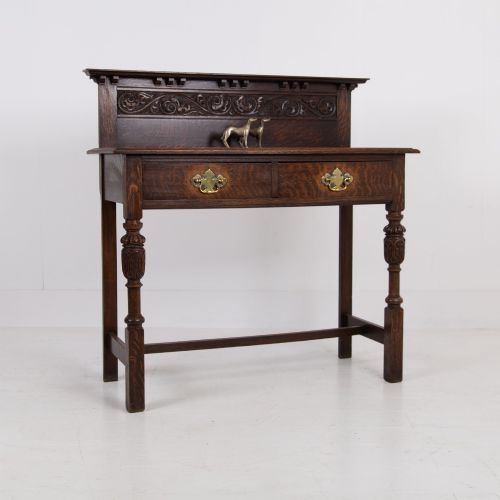
Constructed predominantly from solid timber, these items range from simple utilitarian side tables to heavily carved examples influenced by Gothic and Renaissance revivals. Their compact depths make them practical for modern hallways while retaining period character.
Materials and construction
Makers relied on solid oak as the primary timber, occasionally complemented by elm, cherry wood, pine, and painted wood for secondary framing or panels. Iron and brass hardware, including drop handles and keyplates, secure the drawers and doors.
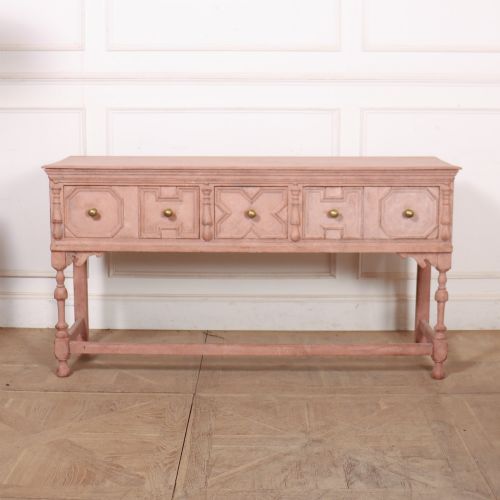
Joinery methods utilise traditional pegged mortise and tenon frames, hand-carved mouldings, and geometrically moulded drawer fronts that reflect the period of manufacture. Surfaces often show the natural ageing of timber, alongside historic painted finishes or bleached patinas.
Several examples retain centuries of kitchen grease and ink stains deep within their oak drawers.
Assessing quality and proportion
Quality rests upon the integrity of the timber selection and the restraint of the carving. Pieces featuring well-figured oak grain and balanced proportions stand apart from heavier, later revivals.
The refinement of drawer construction, original hardware retention, and the crispness of geometric mouldings or carved details dictate the standing of an individual piece within its period.
The Oak Hall Dresser Glossary
- Dresser base
- A low cabinet featuring drawers above an open potboard or enclosed cupboard space. These items served food preparation and storage roles in historic kitchens before moving into hallways.
- Potboard
- An open lower shelf situated beneath the main body of a dresser base. This platform traditionally held pots, pans, and serving dishes.
- Lowboy
- A small table with drawers, standing on relatively tall legs. This form often functions as a compact side table or dressing surface.
- Geometric moulding
- Raised ornamentation applied to drawer fronts in repeating symmetrical patterns. This technique defines much of the joinery from the seventeenth century.
- Vernacular
- Regional furniture built by local cabinetmakers using traditional methods and native timbers. These pieces prioritise functional utility over metropolitan style.
Oak Hall Dresser: Frequently Asked Questions
What is an oak hall dresser?
An oak hall dresser is a narrow timber cabinet or table designed for narrow living spaces and hallways. It provides surface display and drawer storage.
These pieces combine historical utility with compact proportions suited to contemporary entryways.
How were these dressers originally used?
Historic households utilised these furniture pieces for food preparation, storing tableware, and serving meals in kitchens or dining rooms.
Over time, their surface utility and narrow depths made them natural choices for holding household items in entrance halls.
How do I tell an 18th century piece from a revival?
Eighteenth-century examples display natural timber patina, hand-cut joinery marks, and wear patterns consistent with extended use. Revival pieces from the Victorian and Edwardian eras often feature machine-sawn elements and sharper, deeper carved decoration.
Examining the internal drawer linings and timber shrinkage helps clarify the period of origin.
Will an oak hall dresser fit a narrow hallway?
Many listed examples are specifically chosen for their shallow proportions and narrow depths. Dresser bases and console tables are built precisely to occupy corridor spaces without blocking passage.
Checking the specific depth measurements ensures the piece clears interior doorways and stairs.