



Oak Green Velvet Chairs
These oak green velvet chairs combine sturdy timber frames with rich textile upholstery, offering solid construction and comfortable seating for any room.
Oak Green Velvet Chairs
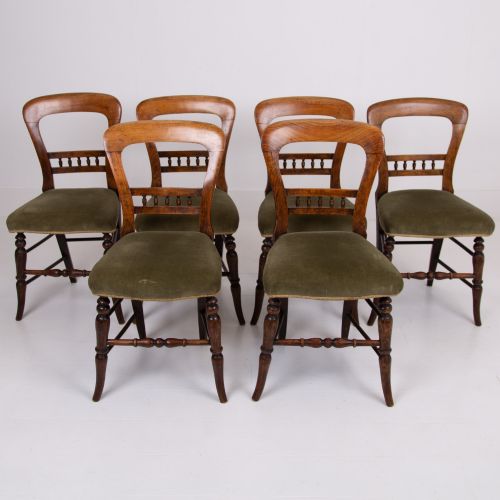
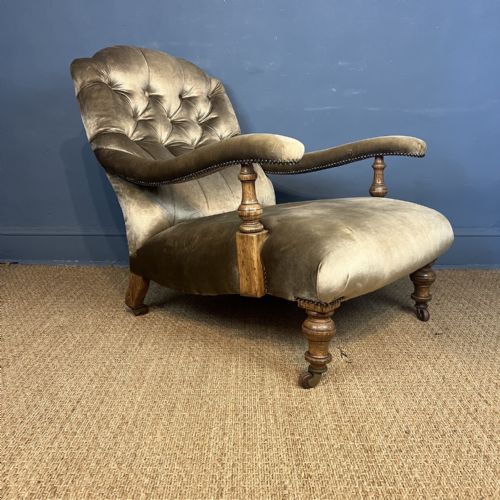
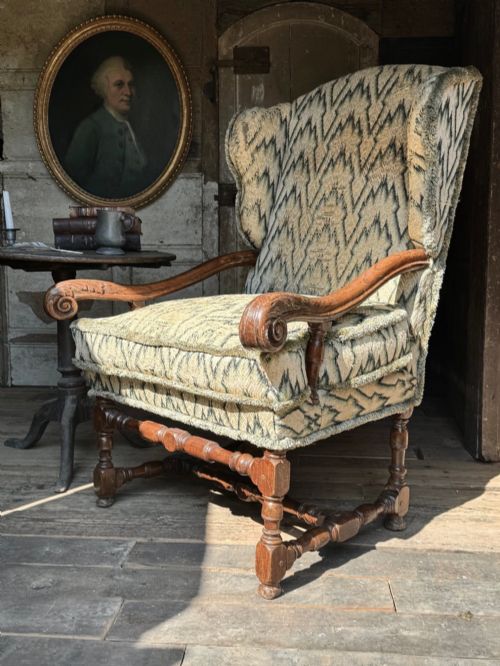
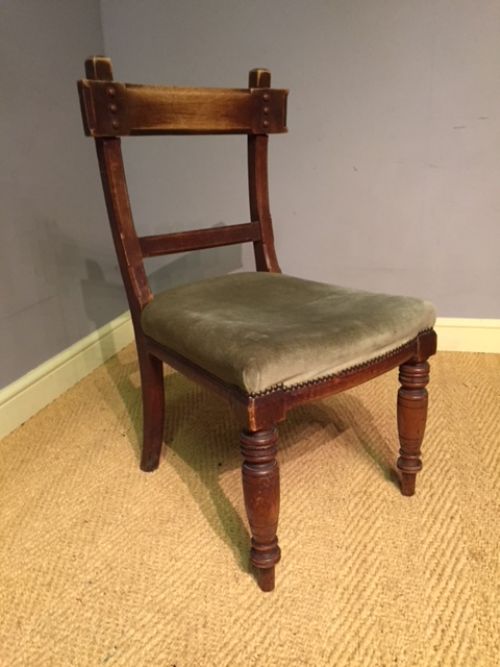
When you search for oak green velvet chairs, you encounter a robust selection of seating options spanning multiple centuries and regional designs. The inventory includes dining sets, open armchairs, rocking chairs, and wingbacks constructed from timber and textiles.
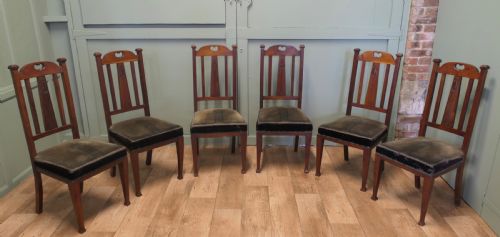
The pieces on this page range from Victorian and Arts and Crafts examples to earlier 18th-century forms. You will find single armchairs alongside larger sets of dining chairs suitable for daily use or period room settings.
How they were made
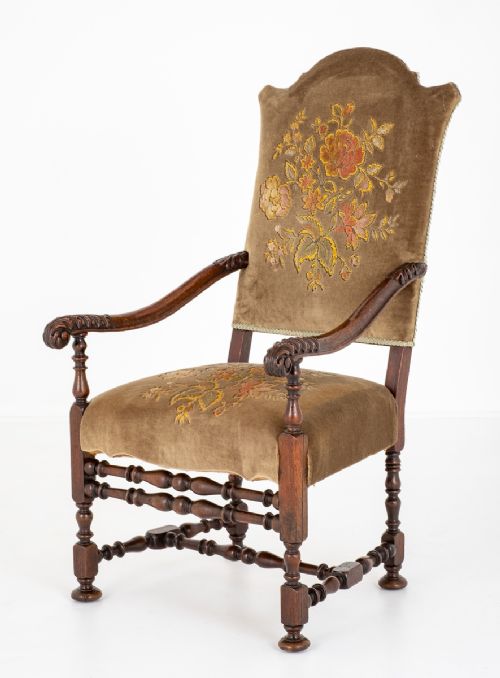
The primary structural material across these listings is oak, occasionally supplemented by other hardwoods, beech, or steel elements depending on the specific period. Timber frames provide the structural skeleton, shaped into styles such as Jacobean, Carolean revival, or French provincial.
Upholstery relies on textiles, specifically velvet fabric applied over padding, sometimes accented with brass details. The combination of dense hardwood and tactile fabric creates substantial seating designed for durability.
Oak Green Velvet Chairs Retail Price Guide 2026
Typical asking prices for oak green velvet chairs among the pieces listed under this phrase on Sellingantiques today, from the lower quarter to the upper quarter. They describe what is for sale here now, not the wider market.
Among the heavy oak timbers and stately velvet cushions rests a traditional rocking chair, ready for a slower pace of life.
What varies in quality
Quality differences lie in the fidelity of the period style and the integration of the wooden frame with the textile upholstery. Pieces showing cohesive regional vernacular design or careful revival details sit at the higher end.
The handling of the timber, whether through carved ornamentation or simple turned members, dictates the distinction between standard utilitarian seating and finer artisan production.
The Oak Green Velvet Chairs Glossary
- Wingback armchair
- An upholstered chair with high sides attached to the arms, designed to shield the sitter from draughts. These often appear in 18th-century and 19th-century French or English variations.
- Arts and Crafts
- A design movement emphasising handcraftsmanship and simple vernacular forms. Pieces from this tradition often feature plain oak construction without excessive ornamentation.
- Monopodia
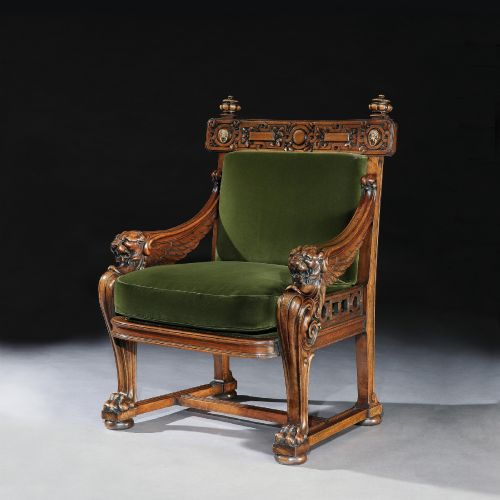
- A furniture support taking the form of a single lion's leg and foot. This classical motif appears on revival armchairs influenced by Regency design.
- Jacobean style
- A heavy, rectangular furniture style popular in the 17th century and later revived. It typically utilises dark oak with turned legs and robust framing.
- Open armchair
- A seat with exposed wooden arms and no upholstered side panels. These frames showcase the grain and turning of the hardwood.
Oak Green Velvet Chairs: Frequently Asked Questions
What periods do these chairs come from?
The selection encompasses items from the early 18th century through the Victorian era and into the early 20th century. You will encounter pieces dated around 1800, 1850, 1870, 1880, 1920, and the 1930s.
Style influences vary widely from French provincial and chateau designs to traditional American forms and English country models.
Are these chairs sold as sets or singles?
Both options appear in the inventory depending on the specific type of seating. Dining chairs are frequently offered in sets of four, six, or larger groupings.
Armchairs, rocking chairs, and wingback chairs are typically listed individually or as pairs.
What materials are used in the frames?
Oak is the predominant timber utilised for the structural framework of these pieces. Other listings incorporate general hardwood, beech, and occasional steel components.
Upholstery materials consist primarily of textile velvet stretched over the padded seats and backs.
How do I identify a revival style?
Revival pieces borrow decorative vocabulary from earlier centuries, such as Jacobean turning or Regency monopodia supports. They combine historical forms with the manufacturing techniques of the 19th or 20th century.
Examining the timber and construction methods helps distinguish a later revival from an original period piece.