



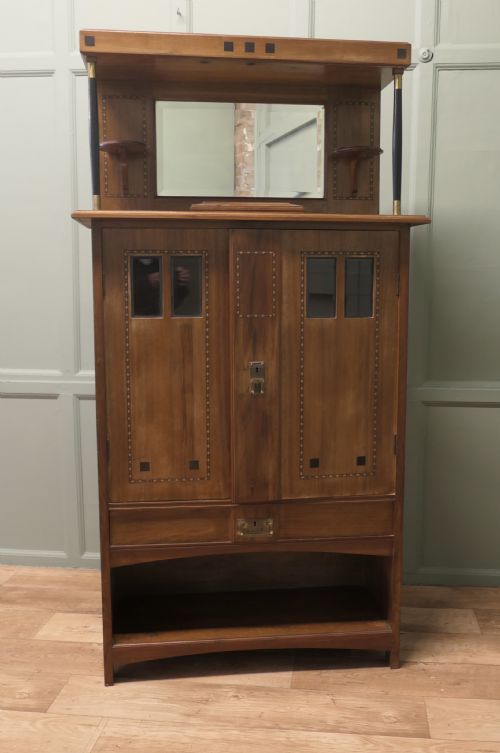
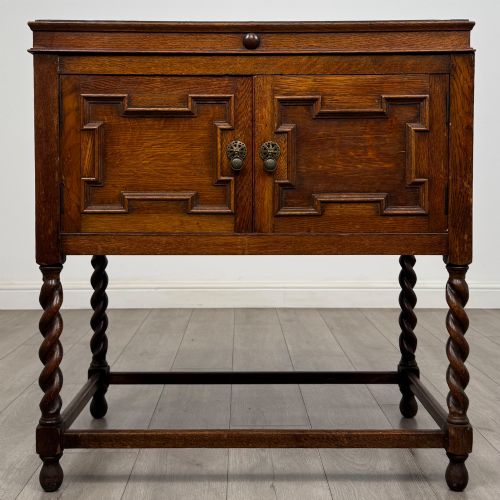
Oak Geometric Cabinet
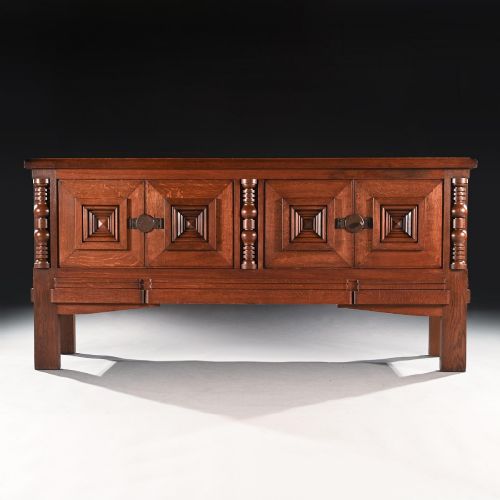
An oak geometric cabinet brings rich timber texture and structured moulding to a room, offering both practical storage and striking period character.
Oak Geometric Cabinet
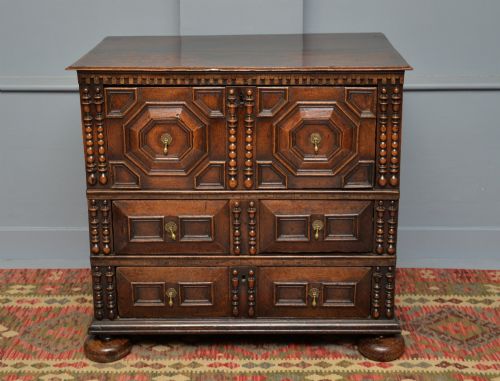
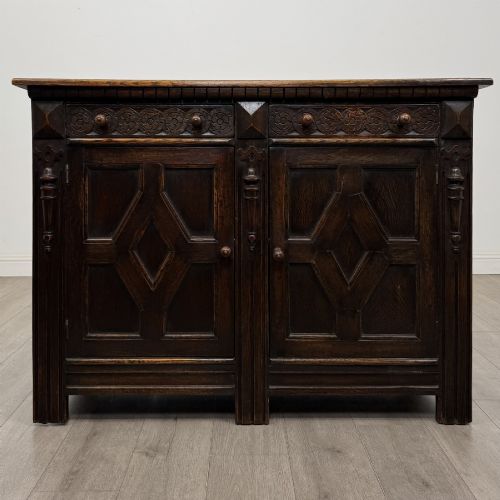
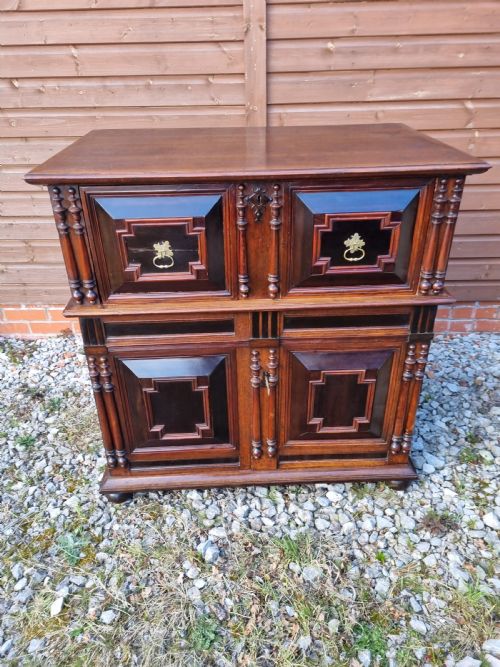
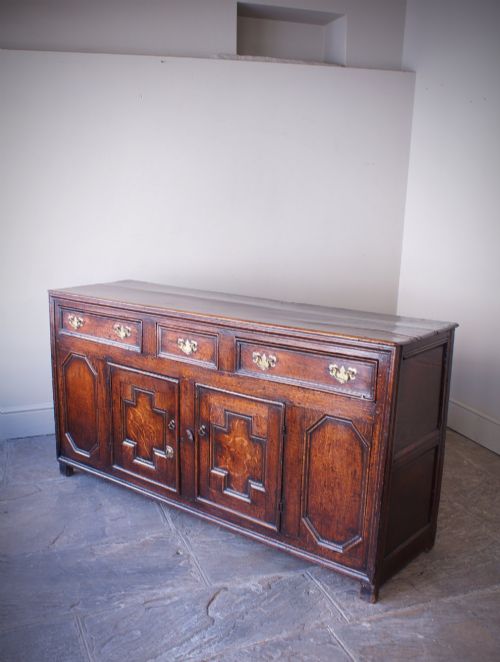
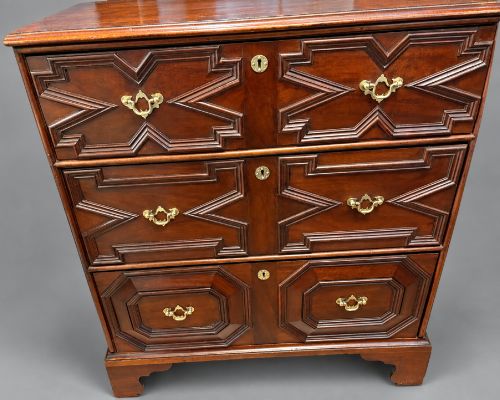
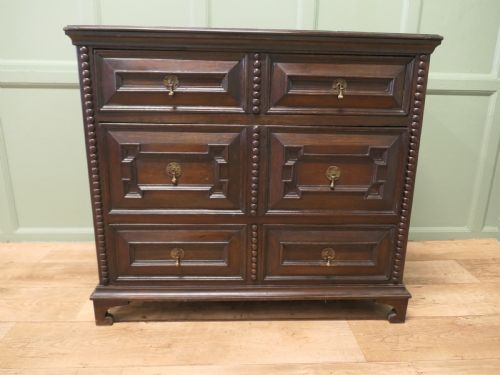
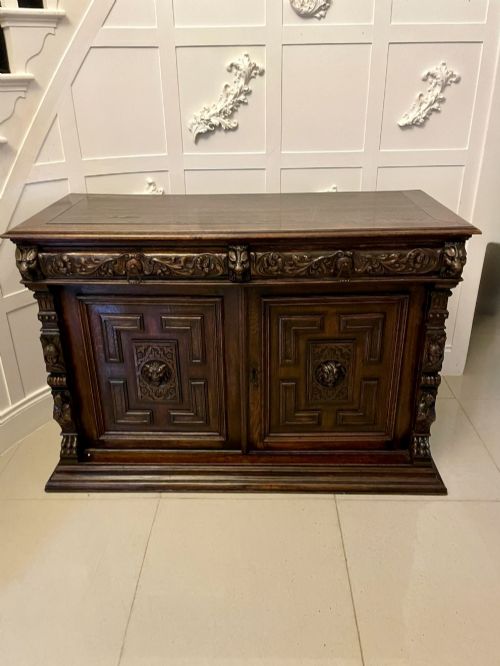
An oak geometric cabinet represents a tradition of storage furniture defined by applied mouldings, panel work, and timber construction. When exploring this selection, buyers encounter formats ranging from chests of drawers and bureau bookcases to dressers and sideboards.
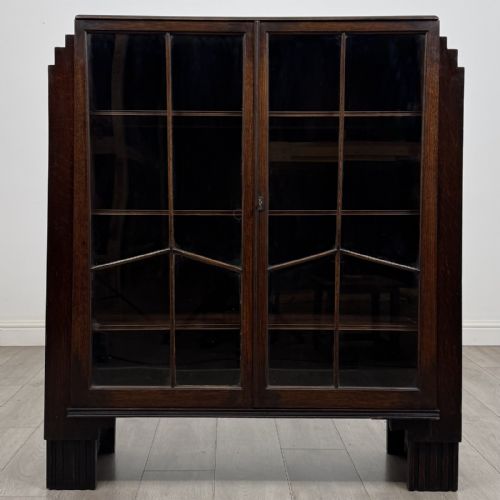
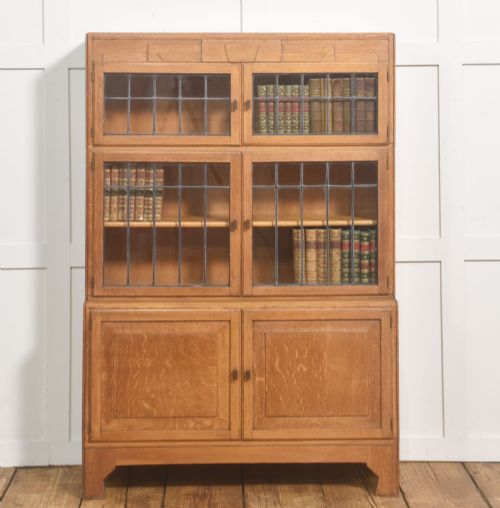
The pieces span multiple periods, touching upon 17th-century craftsmanship alongside later revivals from the Edwardian era, the 1920s, and the 1930s. Alongside true seventeenth-century examples featuring moulded drawer fronts, the inventory includes Jacobean style cupboards and Art Deco display units.
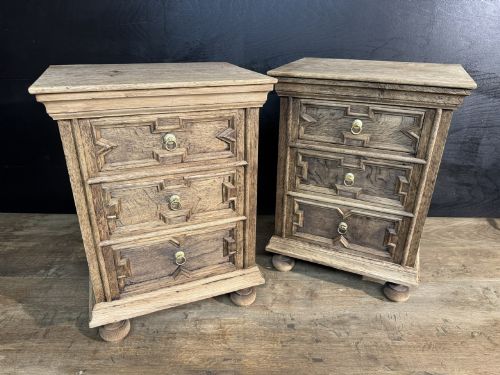
Forms vary from compact side cabinets and corner units to large two-part dressers and bureau presentation desks. Oak serves as the primary structural timber, frequently augmented by contrasting woods and glass panels.
How they were made
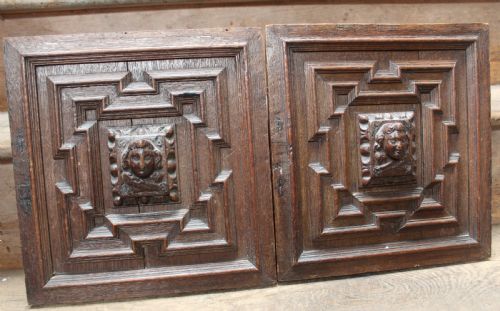
Construction relies heavily on solid oak timber, often enhanced with secondary woods such as fruitwood, sycamore, walnut, ebony, and snakewood for decorative contrast. Makers utilised traditional joinery alongside applied geometric mouldings to create texture and depth on drawer fronts and cabinet doors.
Surface details incorporate brass and iron hardware, leaded glass doors, and intricate wood inlay work. Finishes range from dark polished surfaces to lighter waxed treatments that highlight the natural grain of the timber.
Oak Geometric Cabinet Retail Price Guide 2026
Typical asking prices for oak geometric cabinet among the pieces listed under this phrase on Sellingantiques today, from the lower quarter to the upper quarter. They describe what is for sale here now, not the wider market.
Several cabinets manage to look simultaneously ancient and modern, proving that seventeenth-century geometry and 1930s styling share a surprising fondness for straight lines.
What varies in quality
The standard of an oak geometric cabinet depends on the crispness of its applied mouldings and the integrity of its timber. Superior examples display precise joinery and thoughtful contrast between the primary oak and secondary decorative woods like ebony or fruitwood.
Age and authenticity also influence distinction, separating seventeenth-century originals with period hardware from later Jacobean revival interpretations. The balance of proportions, survival of original glass panels, and retention of period brass or iron work further define the upper tier.
E Gomme·Charles Dudouyt
The Oak Geometric Cabinet Glossary
- Geometric moulding
- Applied wooden strips arranged in repeating geometric patterns across drawer fronts and doors. This technique defines much of the ornamentation on seventeenth-century case furniture.
- Jacobean style
- A revival aesthetic drawing on early seventeenth-century English design motifs. Pieces in this style often incorporate turned legs, panelled doors, and heavy cornices.
- Bureau bookcase
- A dual-purpose form combining a sloping writing desk compartment with enclosed shelving above. These units served as functional home office furniture in period interiors.
- Dresser base
- A low sideboard or serving table featuring drawers and sometimes cupboards beneath a flat top. They originate from vernacular dining spaces and kitchens.
- Leaded glass
- Small panes of glass held together by strips of lead within a window or cabinet door. This glazing method appears frequently on early twentieth-century display cabinets.
Oak Geometric Cabinet: Frequently Asked Questions
What is an oak geometric cabinet?
An oak geometric cabinet is a storage piece characterised by patterned mouldings applied to its exterior surfaces. These designs create a textured facade using contrasting woods.
Such furniture encompasses various forms, including chests of drawers, cupboards on stands, and bureau bookcases spanning several centuries of craftsmanship.
How do I date an oak cabinet?
Dating relies on examining construction techniques, timber selection, and hardware style. Seventeenth-century pieces typically feature hand-split oak, pegged joinery, and heavy moulded panels.
Later revival pieces from the Edwardian period or the 1920s often utilise machine-sawn timber and different interior fittings while imitating earlier decorative motifs.
Where were these cabinets used?
These cabinets functioned primarily as storage furniture in principal rooms of period homes, holding linens, documents, or tableware. Bureau variants provided a dedicated writing space for household correspondence.
Display versions later found placement in living spaces to showcase china, books, and decorative objects behind glass doors.
How do I care for antique oak?
Maintaining antique oak involves keeping the timber away from direct heat sources and sudden humidity changes to prevent splitting. Regular dusting with a soft, dry cloth preserves the finish.
Occasional application of traditional beeswax helps nourish the grain without building up heavy chemical residues on the surface.