






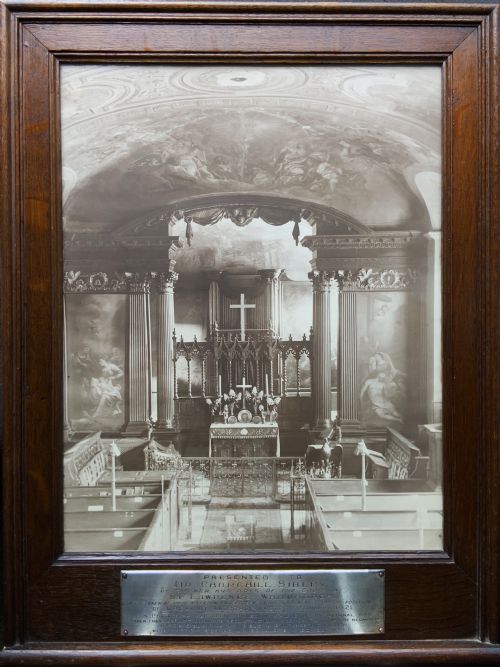

Oak Framed Plaque
These oak framed plaque examples bring together solid wood surrounds and varied metal, painted or photographic panels to anchor a room.
Oak Framed Plaque
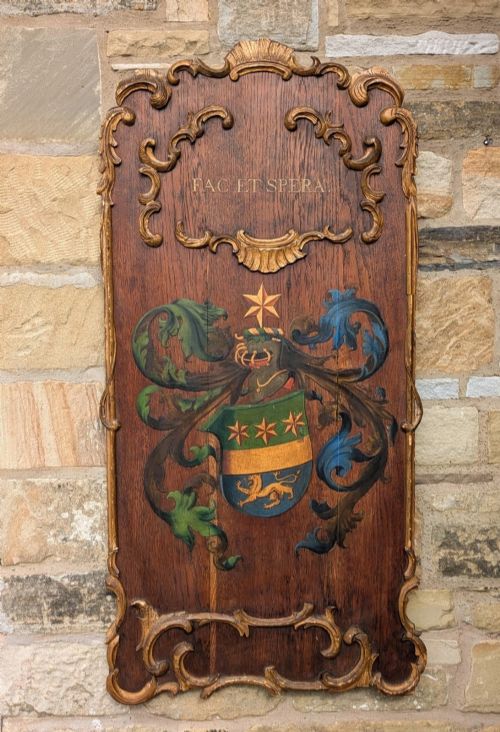
When you search for an oak framed plaque, you encounter a diverse group of wall-hung items spanning the nineteenth and twentieth centuries. These pieces combine robust timber surrounds with inset panels of brass, copper, bronze, glass, faience, marquetry, oil paint or photographic media.
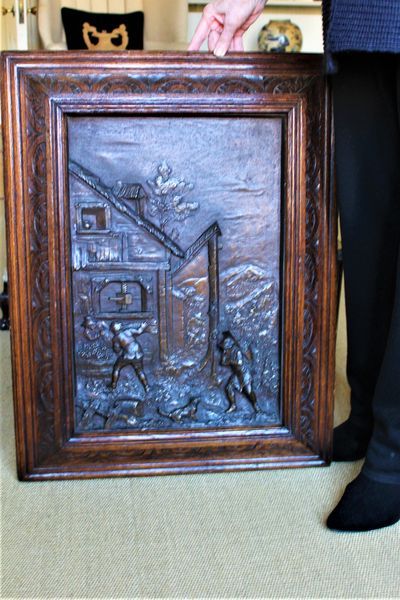
The selections range from ecclesiastical church altar remnants and trade signs to portraits, religious mottoes, and relief castings. The oak framing provides a sturdy structural border that unifies disparate artistic mediums, from Victorian Gothic Revival details to Arts and Crafts metalwork.
You are most likely to meet examples incorporating beaten metal panels, religious texts, or portraits within stepped or moulded timber profiles. These objects served commemorative, decorative, or advertising purposes in domestic, ecclesiastical, and commercial spaces.
Materials and construction
The primary structural material is oak, utilised for its durability and strong grain, forming stepped, flat, or moulded frames around the central display. This timber is occasionally carved directly or fitted with plaques and inscriptions.
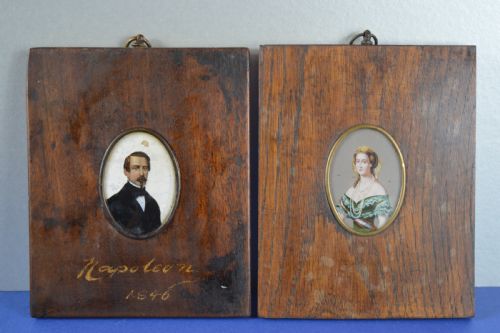
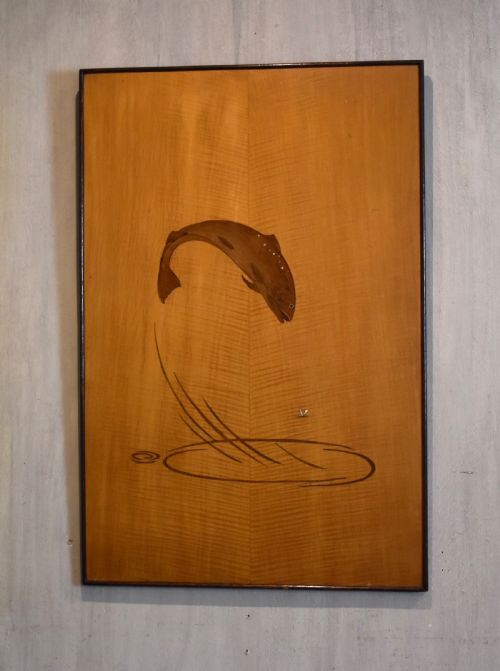
Central panels employ metals such as bronze, brass, and copper, frequently worked in relief or beaten and embossed to create textured surfaces. Other examples incorporate oil on canvas, glazed portrait miniatures, marquetry wood panels, and sepia photographs.
Assembly methods rely on traditional joinery for the wooden surrounds, while metal elements are typically pinned, inset, or secured with backing plates. The interplay between the warm timber frame and the contrasting metal or painted centre defines the physical construction.
Oak Framed Plaque Retail Price Guide 2026
Typical asking prices for oak framed plaque among the pieces listed under this phrase on Sellingantiques today, from the lower quarter to the upper quarter. They describe what is for sale here now, not the wider market.
Listings feature oak frames combined with brass, copper, bronze, glass, oil, and ceramic faience across various nineteenth and twentieth-century styles.
Variations in quality
Quality reveals itself in the harmony between the wooden frame and the inset panel, where precision in joinery meets artistry in the central medium. Superior examples demonstrate crisp chasing in metal reliefs, skilled brushwork in oils, or careful marquetry alignment.
The selection and treatment of the oak frame contribute significantly to the overall merit, with well-figured grain and thoughtful proportions elevating the piece. Lesser items may feature mismatched components or later pairings of frames and panels that lack original integration.
C. Ravier·Kershaw Schofield
The Oak Framed Plaque Glossary
- Faience
- Tin-glazed earthenware popular in Italian and European ceramic traditions. It provides a smooth, colourful surface for painted wall plaques.
- Marquetry
- The art of applying pieces of veneer to a structure to form decorative patterns. It creates detailed pictorial scenes using contrasting wood tones.
- Relief
- A sculptural technique where elements project from a background plane. Bronze and copper panels often utilise this method to create three-dimensional depth.
- Ecclesiastical
- Relating to the Christian Church or clergy. Items from this category often originate from altars or church interiors.
- Portrait miniature
- A small, highly detailed painting or photograph depicting a person. These are frequently glazed and housed within protective wooden frames.
Oak Framed Plaque: Frequently Asked Questions
What periods do these pieces come from?
The pieces span from the late nineteenth century through the Edwardian era and into the 1920s. You will find Victorian Gothic Revival items alongside Arts and Crafts and mid-century modern examples.
Each period brings distinct stylistic choices, from heavy ecclesiastical oak surrounds to refined beaten copper and portrait miniatures.
How were these items originally used?
They served multiple functions, ranging from religious devotion and commemorative memorials to trade advertising and interior decoration. Many hung in domestic spaces, while others marked corporate milestones or church spaces.
Trade signs and dentist displays show commercial uses, whereas painted portraits and mottoes fulfilled personal and spiritual roles.
What metals are found in the frames and panels?
Common metals include bronze, brass, and copper, appearing either as the central relief panel or as inset framing elements. These materials were chosen for their durability and ability to take patination.
Beaten copper panels and cast bronze reliefs are frequently paired with the solid oak borders to create contrasting textures.
How should I hang an oak framed plaque?
Due to the combination of solid oak and heavy inset materials like bronze, glass, or oil on canvas, ensure your wall fixings are secure. Wall-hung plaques require appropriate weight-bearing brackets or picture wire suited to the specific timber and metal heft.
Keep them away from direct heat sources to protect both the wooden frame and any sensitive painted or photographic surfaces.