


Oak Fireside Storage Box
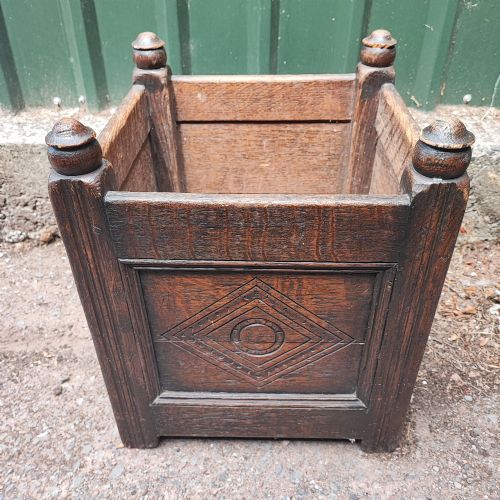
An oak fireside storage box keeps hearth fuel close to hand while concealing clutter with solid timber and metal fittings.
Oak Fireside Storage Box
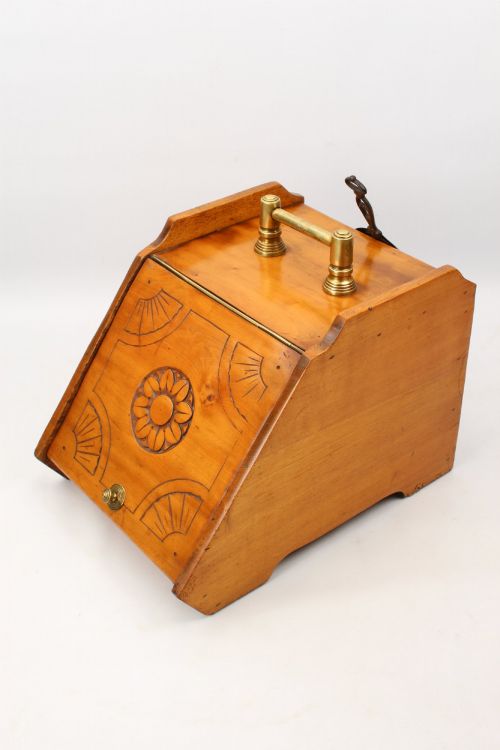
An oak fireside storage box encompasses log bins, coal boxes, purdoniums, and slipper boxes designed to manage hearth fuel and accessories. The versions most commonly met on this page date from the Georgian period through the Victorian and Edwardian eras, with many examples from around nineteen hundred. These sturdy containers combine practical utility with the warm grain of oak suited to traditional interiors.
The forms range from simple country log boxes to formal purdoniums featuring carved fronts, drop-down lids, and tilting compartments. Many incorporate metal handles, interior metal liners, or matching coal shovels to handle daily hearth maintenance. Stylistic influences span from rustic country and Victorian ornamentation to geometric Arts and Crafts designs with metal panels.
How they were made
Cabinetmakers utilised solid oak and pollard oak for the primary structures, sometimes selecting figured timber to highlight the natural grain of the wood. Metal components such as brass, iron, and copper were employed for handles, hinges, decorative panels, and interior coal liners. These materials were combined to withstand the weight of logs and coal while resisting the heat and soot of a working fireplace.
Joinery techniques included dovetailed corners and panelled construction to ensure durability under regular domestic use. Decorative enrichment arrived via brass mounts, embossed copper overlays, carved wooden fronts, and occasional glass details. Artisans integrated shovel compartments and drop-down mechanisms to make loading and retrieval straightforward.
Many a Victorian hearth keeper hides its coal dust behind remarkably cheerful brass handles and embossed copper panels.
What varies in quality
The standard of craftsmanship shows in the selection of timber, particularly where pollard oak or carefully matched panels are utilised. Heavy brass handles, robust hinges, and intact metal liners indicate higher initial manufacture compared to lighter, purely decorative pieces. Furthermore, the crispness of carved details and the integration of purpose-built shovels elevate certain boxes above standard utility items.
Liberty London
The Oak Fireside Storage Box Glossary
- Purdonium
- A specific type of coal box featuring a sloping front or a tilt-out hopper designed to dispense fuel cleanly.
- Slipper box
- A covered wooden container traditionally kept by the hearth to warm footwear or store fireside accessories.
- Pollard oak
- Oak timber taken from trees that have been pollarded, producing a highly figured, mottled grain prized in better furniture.
- Log box
- A sturdy container built specifically for holding firewood rather than loose coal or smaller fuel.
Oak Fireside Storage Box: Frequently Asked Questions
What is a purdonium?
A purdonium is a specialised coal container with a sloping front or tilting interior bin that conceals the fuel.
These units often include an internal metal liner and a dedicated slot for a shovel.
How do you clean an oak box?
Cleaning requires a soft cloth and occasional application of traditional beeswax to nourish the timber grain.
Harsh chemical cleaners and excessive moisture should be kept away from both the wood and any metal mounts.
Where were these boxes placed?
They sat directly beside the fireplace or hearth to keep logs, coal, and kindling within easy reach.
Their finished backs and decorative panels allowed them to sit openly in reception rooms without looking out of place.
Can they store items other than fuel?
Many modern owners utilise these boxes to store blankets, magazines, or toys near a sitting area.
The sturdy construction and enclosed lids make them suitable for general household storage.
How do you date an oak box?
Dating relies on observing construction methods, handle styles, and decorative motifs associated with periods like Georgian or Edwardian.
Stylistic cues such as Arts and Crafts copper panels or Victorian carved fronts also provide clear chronological markers.