
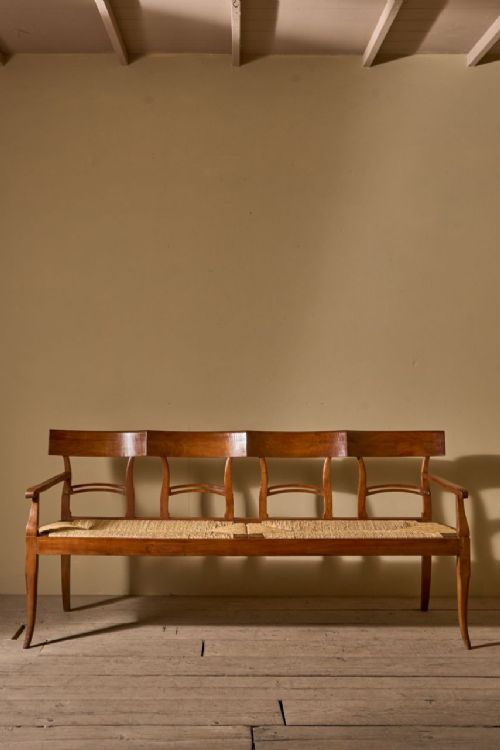
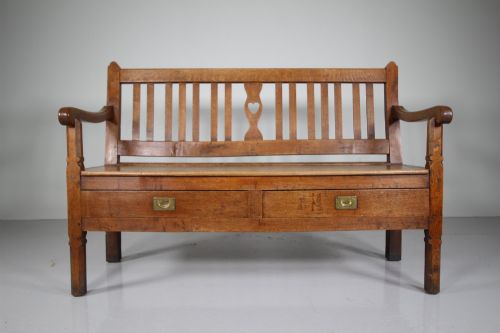
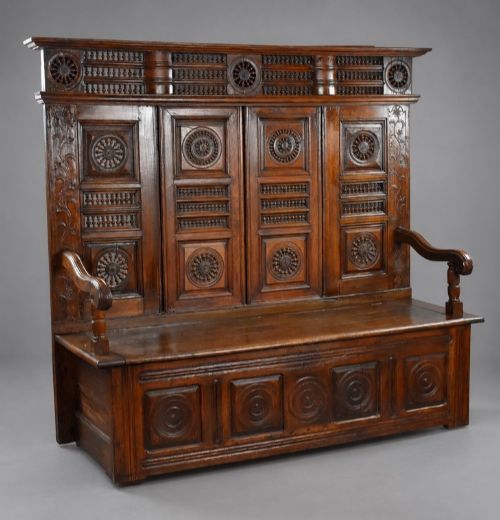
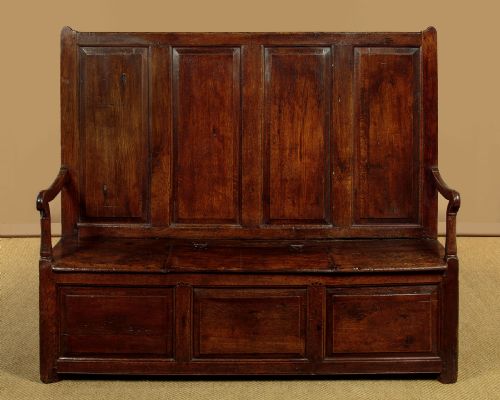


Oak Entry Bench Seat
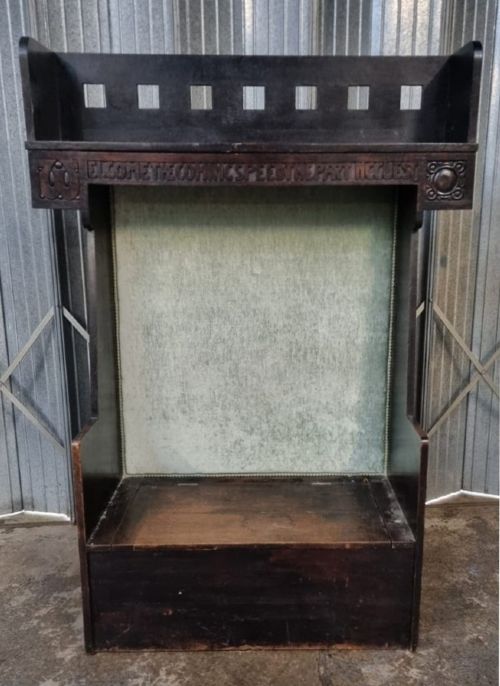
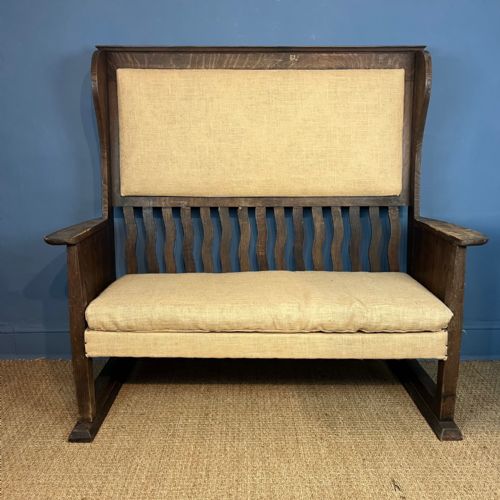
An oak entry bench seat anchors a hallway with honest timber, offering a practical place to sit while pulling off boots.
Oak Entry Bench Seat
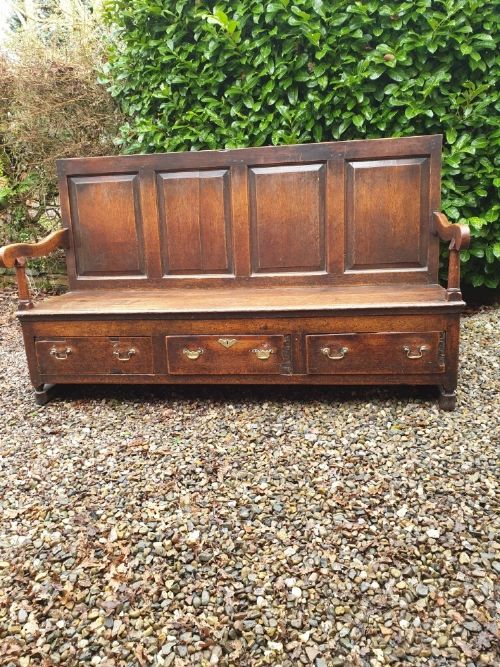
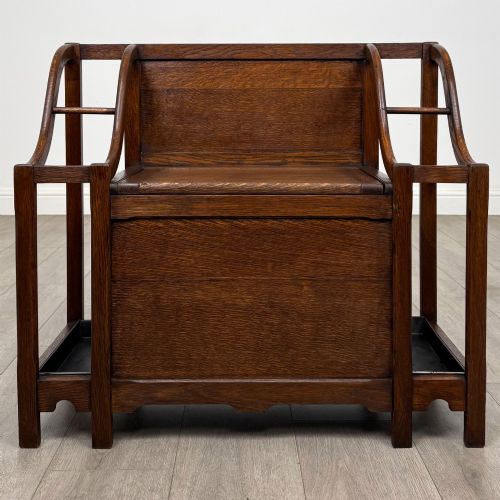
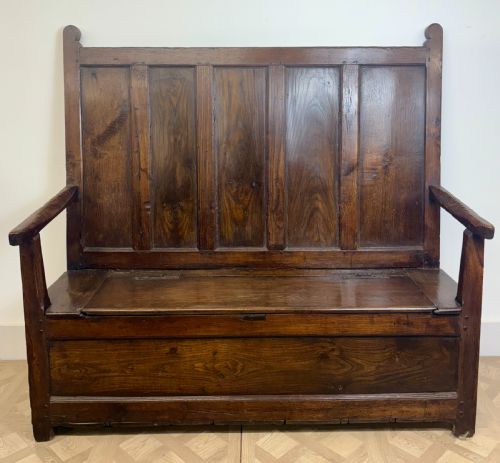
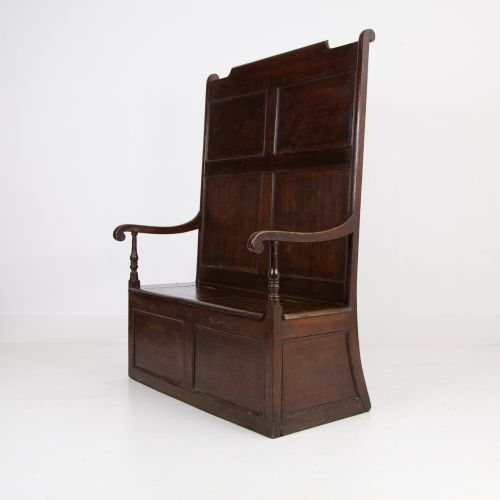
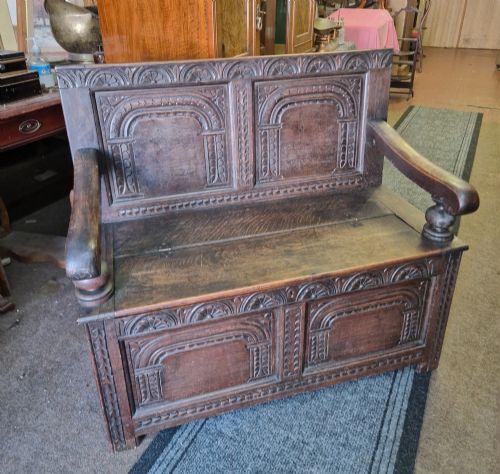
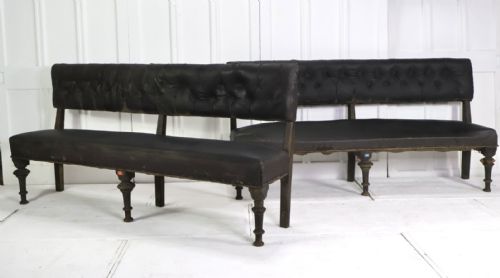
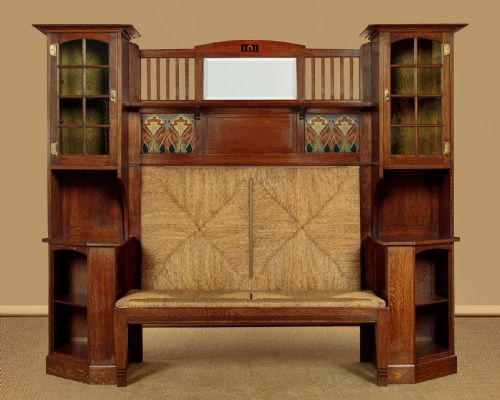
When searching for an oak entry bench seat, a buyer looks at a solid group of hallway furniture spanning several centuries. The selection includes box settles, monks benches, and high-backed hall seats designed for heavy daily use.
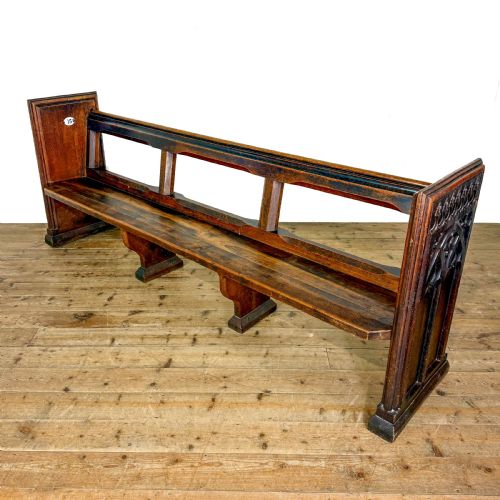
Most examples found here date from the eighteenth and nineteenth centuries, alongside regional revival pieces. These sturdy forms range from plain panelled country house items to heavily carved Victorian Gothic seating.
How they were made
Joiners built these seats using solid oak planks, often secured with pegged mortise and tenon joints to withstand generations of sitting. Secondary woods such as ash, elm, or walnut appear alongside brass and iron hardware.
Carving, panelling, and turning give the timber surface its character, while lift-up lids reveal hidden storage compartments inside box settles and monks benches.
Several church pews have swapped holy contemplation for hallway boot storage, proving that righteous timber settles down nicely.
What varies in quality
The distinction between ordinary and exceptional work lies in the crispness of the hand-carving and the thickness of the original timber boards. Pieces featuring integrated storage boxes show superior joinery when the lids hang evenly on traditional hinges.
Proportion and surface patina define the visual hierarchy. A well-proportioned frame with deep, unblemished grain outclasses heavily restored or clumsily altered seating.
Shapland & Petter·Hampton & Son's·Shoolbred
The Oak Entry Bench Seat Glossary
- Box settle
- A high-backed wooden bench featuring a concealed storage compartment beneath the lift-up seat. This form kept drafts away from the sitter in older entrance halls.
- Monks bench
- A convertible piece of furniture with a hinged back that folds down to form a table surface. It combines seating with a handy tabletop.
- Settle
- A long wooden bench with a high panelled back and solid arms designed to block cold air. They stood near hearths and in entrance passages.
- Panelling
- Framework composed of vertical stiles and horizontal rails enclosing thin wooden panels. This construction method allows timber to expand and contract safely.
- Gothic Revival
- A nineteenth-century design movement drawing inspiration from medieval architecture. Pieces display pointed arches, tracery, and robust carved motifs.
Oak Entry Bench Seat: Frequently Asked Questions
Where did hall benches go in homes?
These seats lived in entrance halls, boot rooms, and passageways where family members and guests paused to remove outerwear.
They provided an immediate resting spot and a secure place to store hats, gloves, and walking sticks inside the built-in box compartments.
How do I tell an 18th century bench apart from a Victorian copy?
Earlier examples display hand-split timber surfaces, pegged joints, and natural wear patterns accumulated over generations of daily use.
Victorian revival pieces often feature machine-sawn backing boards and heavier, sharper carving styles inspired by Jacobean or Gothic architecture.
Can a monks bench double as a table?
The hinged back swings forward on wooden pivots or metal pins to rest flat across the armrests, creating a small table surface.
This dual function made them useful in smaller spaces where extra furniture was impractical.
How do I care for antique oak furniture?
Feed the dry timber occasionally with a traditional beeswax polish to maintain the natural grain and protect the surface from moisture.
Keep the wood away from direct heat sources and sudden temperature changes to prevent the old panels from splitting.