



Oak Dresser Base with Rack
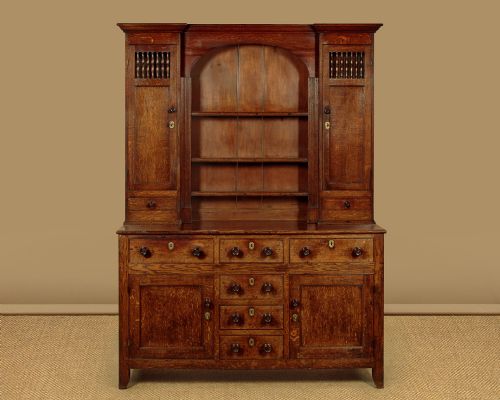
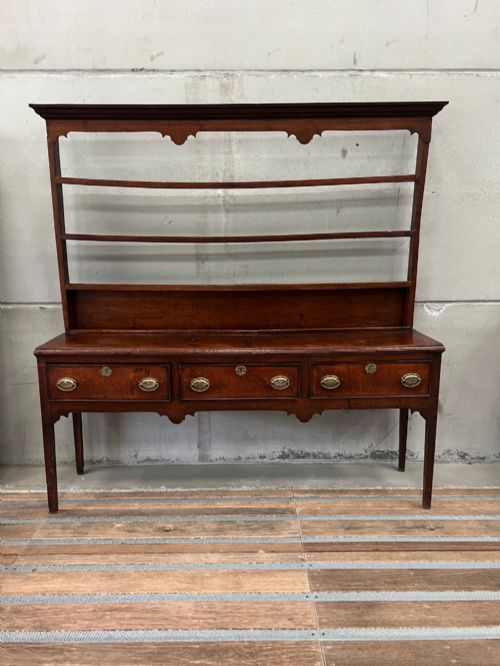
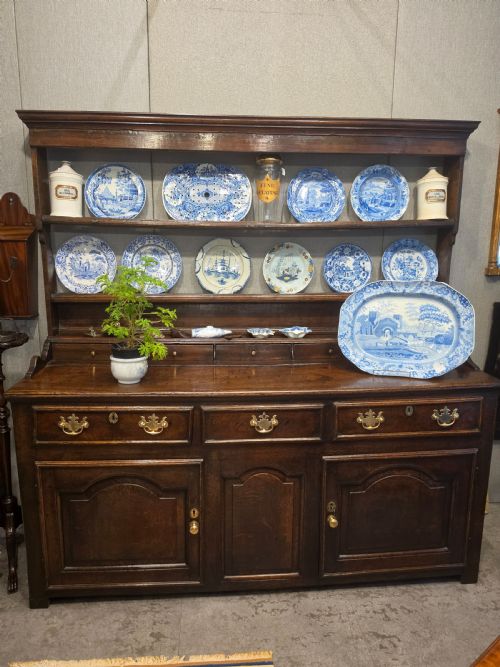
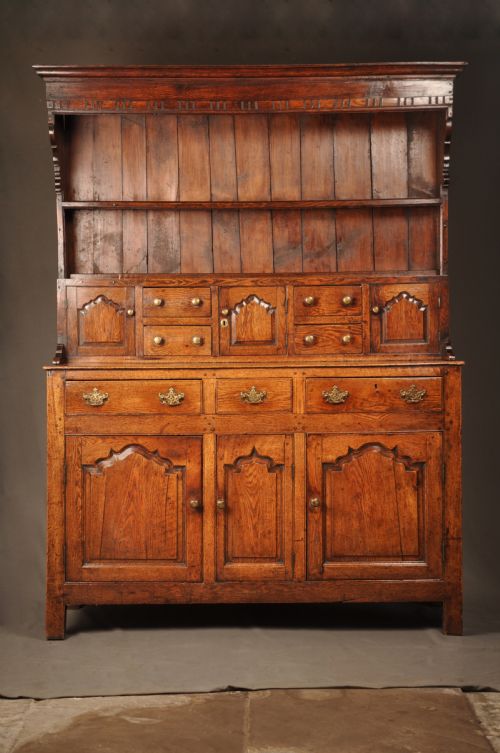
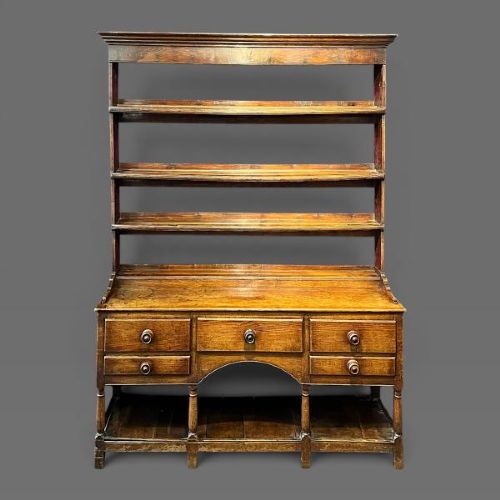
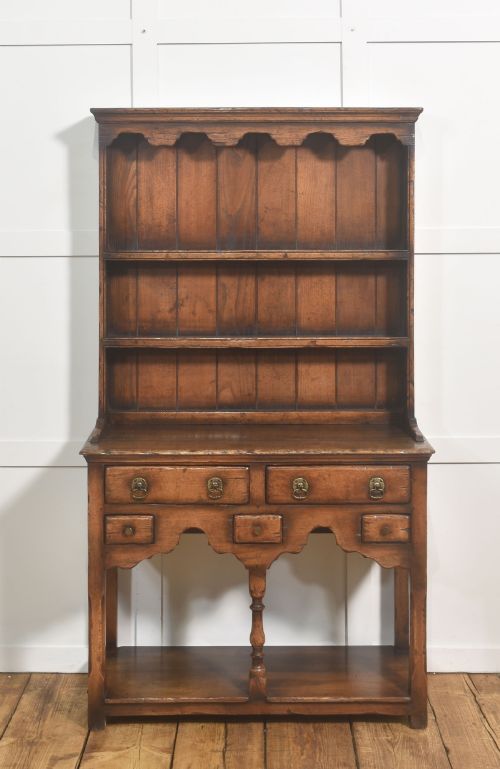
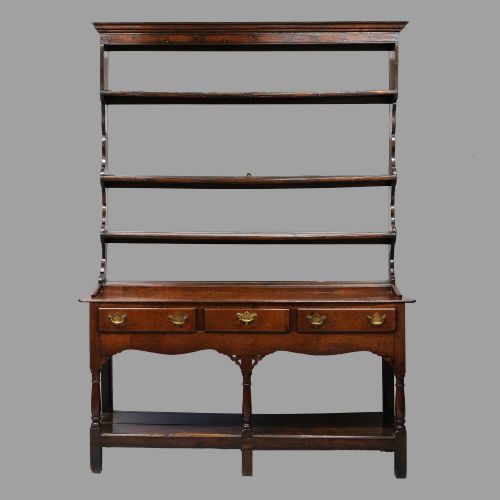
An oak dresser base with rack is a substantial utilitarian storage piece combining a lower counter or cupboard unit with an upper plate display, built to anchor the domestic kitchen.
Oak Dresser Base with Rack
An oak dresser base with rack combines a heavy timber lower storage cabinet or sideboard with an open or enclosed upper plate shelf structure, representing a cornerstone of traditional kitchen furniture. These pieces serve practical storage and display functions simultaneously, originating as essential farmhouse furniture designed for everyday domestic utility.
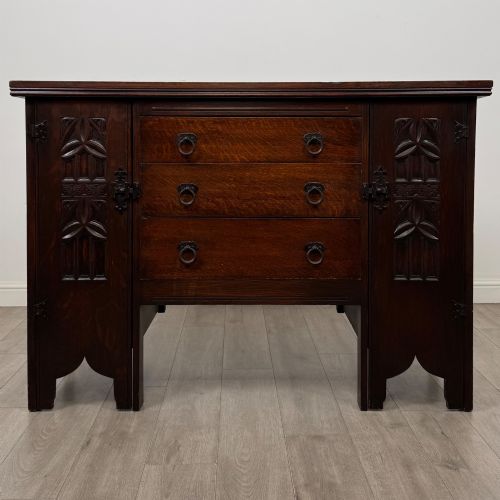
The versions encountered on this page span the eighteenth century through to the Edwardian era, incorporating regional British farmhouse styles such as English country and Welsh formats. Surviving examples demonstrate considerable variety in scale, ranging from compact cottage proportions to large architectural country house forms.
Lower sections appear in multiple configurations including open potboard bases, enclosed cupboard arrangements, and drawer combinations, supporting varying upper rack designs featuring plate grooves and hanging hooks. This diversity reflects centuries of local workshop traditions and shifting household requirements across rural Britain.
Construction materials and traditional techniques
Solid native oak forms the primary structural material across these pieces, frequently supplemented with secondary timbers such as pine and mahogany for internal elements and drawer linings. Joinery relies on traditional pegged mortise and tenon construction, ensuring the robust structural integrity required to support heavy tableware over generations.
Metal hardware such as brass handles and iron hinges provides functional operational support, often showing the distinct marks of hand-forging or early casting methods. Surfaces receive traditional finishing treatments like wax or polish, which protect the timber while developing a deep natural patina through decades of use.
Oak Dresser Base with Rack Retail Price Guide 2026
Typical asking prices for oak dresser base with rack among the pieces listed under this phrase on Sellingantiques today, from the lower quarter to the upper quarter. They describe what is for sale here now, not the wider market.
Listings feature structural variations including open potboard bases, enclosed cupboards, and upper plate racks constructed from native oak.
Distinguishing quality across examples
The primary distinction in quality lies in the integrity of the timber selection and the precision of the underlying joinery, where tightly fitted joints and well-balanced proportions separate finer workshop output from simpler utilitarian items. The depth and character of the natural surface patina also signal the age and authenticity of the timber.
Design sophistication distinguishes standard regional pieces from superior examples, particularly evident in architectural mouldings, fine inlay work, and well-executed carved detailing on the base and rack cornice. The proportional harmony between the lower cabinet and the upper rack ultimately determines the visual balance of the piece.
The Oak Dresser Base with Rack Glossary
- Potboard
- An open lower shelf built near the floor beneath the main counter surface, traditionally used for storing heavy pots and pans. This platform sits directly on the lower stretchers of the frame.
- Plate Rack
- The upper wooden shelving unit attached to the dresser base, featuring horizontal grooves to display plates upright safely. These shelves often incorporate small hooks for hanging cups or jugs.
- Cornice
- The decorative moulded projection running along the uppermost edge of the dresser rack. It provides a finished architectural cap to the display structure.
- Patina
- The lustrous surface sheen developed on old timber over decades of handling, cleaning, and exposure to light. This finish cannot be artificially replicated with modern chemicals.
Oak Dresser Base with Rack: Frequently Asked Questions
How do I care for antique oak?
Antique oak benefits from occasional applications of natural beeswax to nourish the timber and maintain its protective finish. Avoid placing these heavy wooden pieces near direct heat sources or in fluctuating humidity to prevent timber splitting.
Regular dusting with a dry cloth keeps the surface clean without stripping the accumulated historical layers of polish.
Where were these dressers made?
These dressers originated primarily in rural workshops across England and Wales, with distinct regional styles developing according to local carpentry traditions. Welsh makers frequently utilised native hardwoods and incorporated open potboard configurations tailored to local domestic needs.
English country workshops produced variations ranging from simple farmhouse units to more formal Georgian and Edwardian iterations reflecting broader stylistic shifts.
How do I tell different periods apart?
Earlier eighteenth-century examples display hand-cut joinery, pegged framing, and simpler panel construction associated with regional country cabinet makers. Later nineteenth and early twentieth-century pieces often incorporate machine-sawn elements, revival styling cues, and different hardware fastenings.
Examining the secondary timbers inside drawers and behind the backboards often reveals manufacturing clues specific to particular decades.