

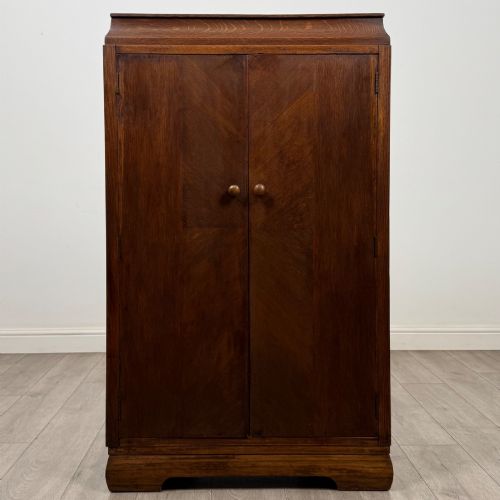
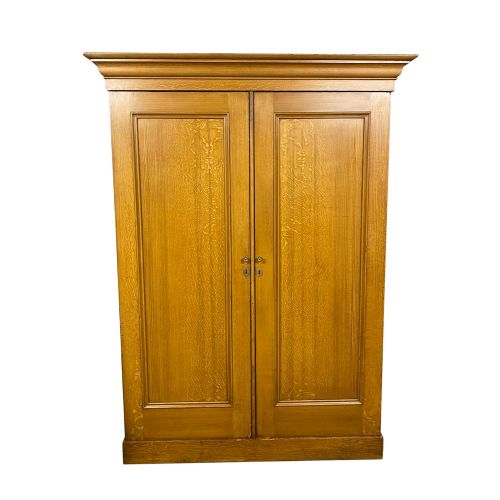
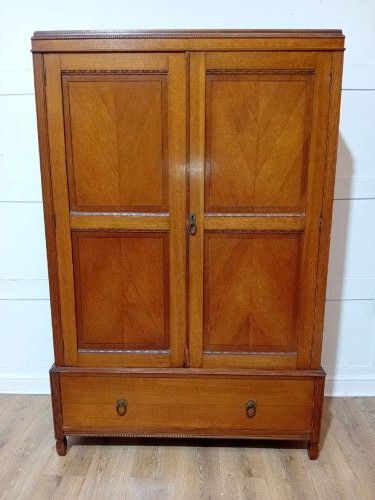
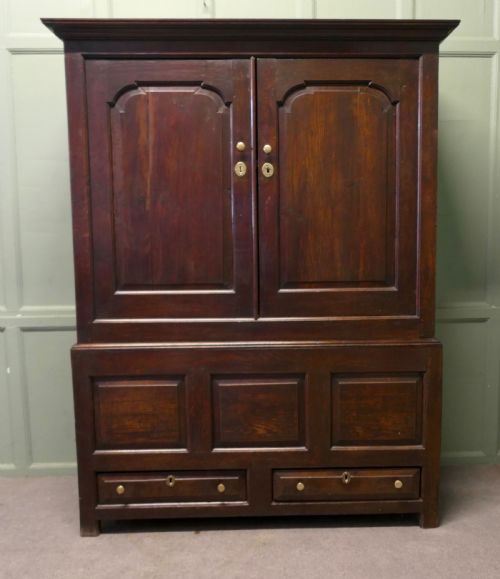


Oak Double Doors
Oak double doors bring architectural substance and rich grain to an interior, spanning grand chateau entrances and smaller cupboard fronts.
Oak Double Doors
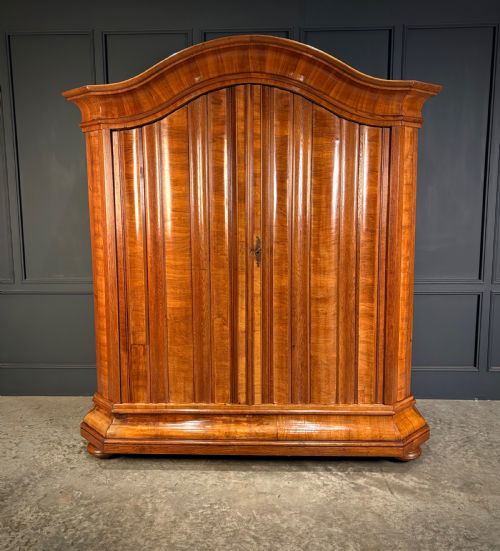
Oak double doors represent heavy architectural elements and large cabinet entries seen across centuries of British and continental design. When searching for oak double doors, a buyer encounters architectural pairs from French chateaux alongside large cupboard, armoire, and bookcase portals sharing timber construction.
The selections span the Georgian period, the nineteenth century, and early twentieth-century revivals, reflecting styles from French Provincial and Gothic Revival to Continental Baroque. These pieces range from towering architectural panels salvaged from buildings to the operable twin doors of large storage furniture.
How they were made
Construction relies primarily on solid oak, frequently paired with walnut or pine for internal framing and panels. Joinery techniques harness traditional framing methods to support heavy twin leaves over decades of movement.
Hardware incorporates brass, iron, and metal hinges alongside locks and latches. Surface finishes extend from natural waxed timber grains to scumble paint and applied decorative carvings.
Oak Double Doors Retail Price Guide 2026
Typical asking prices for oak double doors among the pieces listed under this phrase on Sellingantiques today, from the lower quarter to the upper quarter. They describe what is for sale here now, not the wider market.
Some nineteenth-century pieces wear scumble paint, an honest nineteenth-century trick to make pine look decidedly more expensive than it is.
What varies in quality
Quality separates through the depth and precision of hand-carved details and the integrity of the original timber framing. Superior examples display mature oak grain with harmonious colour across both door leaves.
The presence of original hardware, such as brass escutcheons and heavy iron hinges, elevates a piece. Construction that maintains structural rigidity without warping distinguishes finer historical joinery from simpler utility items.
Harris Lebus·Maple and Co
The Oak Double Doors Glossary
- Scumble paint
- A decorative surface treatment applied to mimic the grain of finer timbers such as oak. This technique appears on nineteenth-century functional furniture.
- Armoire
- A large freestanding cupboard with double doors used traditionally for storing clothing. Continental examples frequently showcase heavy cornice mouldings and panelled doors.
- Gothic Revival
- An architectural and decorative style drawing inspiration from medieval forms. Pieces often incorporate pointed arches and heavy carved tracery.
- Cross-banded
- A method of applying veneer strips across the grain of the primary timber to create a decorative border. This appears on finer Georgian cabinetry.
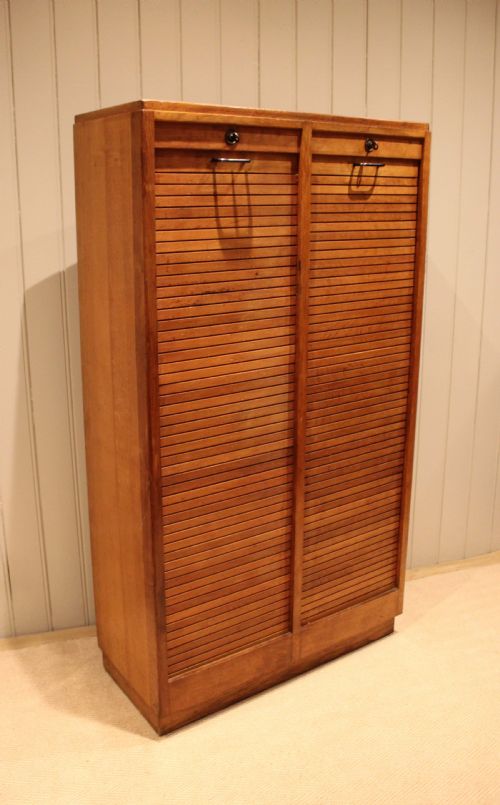
- Tambour
- A flexible sliding shutter formed from narrow strips of wood glued to canvas. This mechanism allows double fronts to slide smoothly around a curved track.
Oak Double Doors: Frequently Asked Questions
Can oak double doors be used as internal room dividers?
These pieces function well as architectural room dividers when mounted to substantial overhead tracks or traditional timber jambs. Their weight requires reinforced framing within modern partition walls.
Matching the proportions of the opening to the dimensions of the doors ensures smooth operation. Professional installation secures the necessary clearance for twin leaves to swing or slide.
How do I maintain the finish on antique oak doors?
Regular application of natural beeswax preserves the moisture balance within aged oak timbers. Avoiding synthetic cleaning sprays protects historic wax and scumble paint surfaces from degradation.
Keeping timber away from direct heat sources prevents the panels from splitting or warping over time. Gentle dusting with a dry cloth maintains the patina on brass and iron hardware.
How do I date an antique oak door?
Dating relies on examining the construction methods used in the joinery and framing. Hand-cut peg joints and irregular bevels indicate earlier production periods compared to machine-cut elements.
Hardware styles and secondary woods like pine or walnut offer further clues to the decade of manufacture. Comparing the decorative motifs to known regional styles narrows the origin.
Are chateau doors suitable for exterior installation?
Architectural doors salvaged from French chateaux require careful assessment before exterior placement. Historic timbers respond to modern weather exposure differently than kiln-dried modern stock.
Applying appropriate weatherproofing treatments protects the oak while retaining the surface appearance. Sheltered entryways extend the lifespan of antique exterior joinery.