

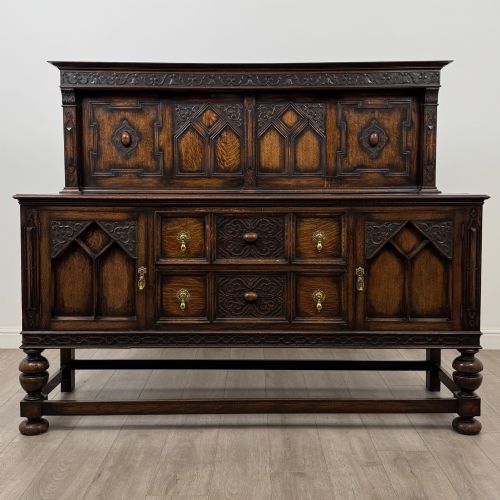
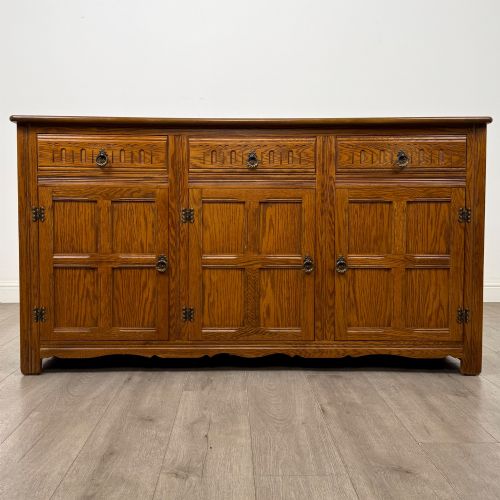
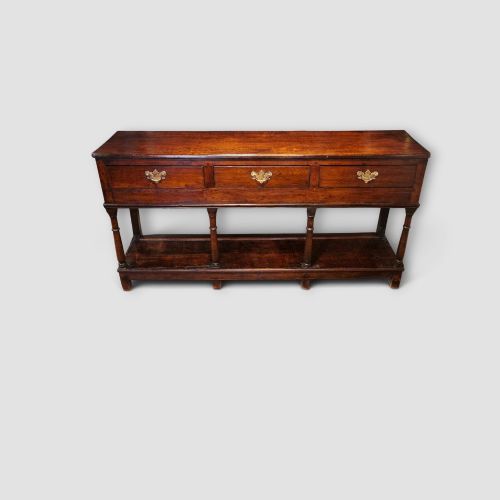
Oak Credenza Dresser
These oak credenza dresser examples unite heavy storage and display in solid timber, offering enduring utility and traditional presence for the home.
Oak Credenza Dresser
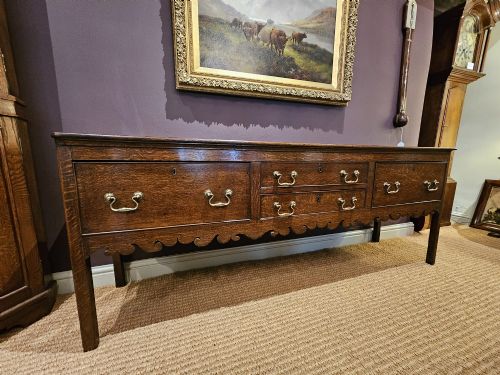
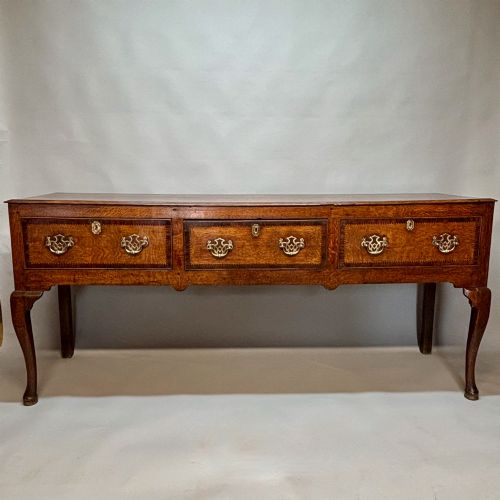
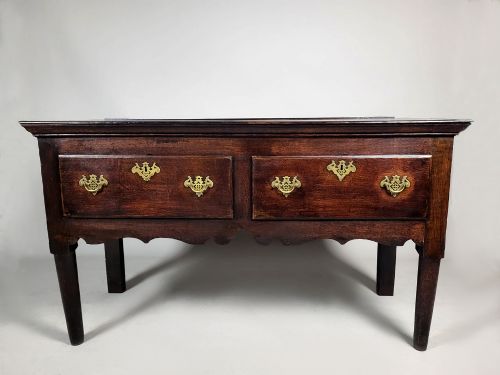
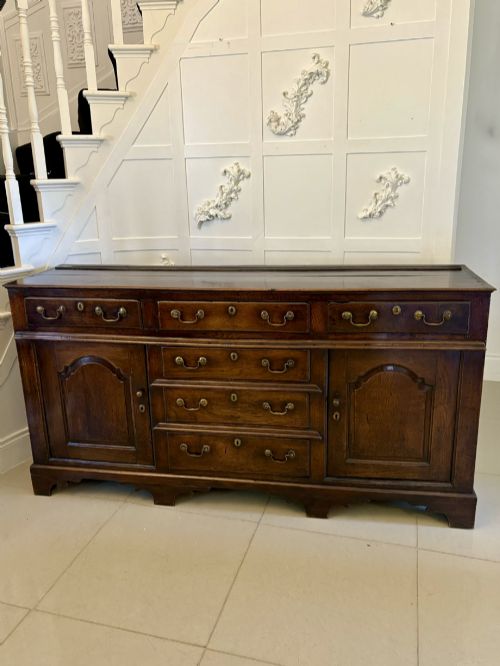
An oak credenza dresser search brings together low sideboard bases, potboard dressers, and enclosed cupboards intended for dining spaces and hallways. Pieces span the seventeenth century through to the Edwardian era, encompassing George III proportions and regional English styles.
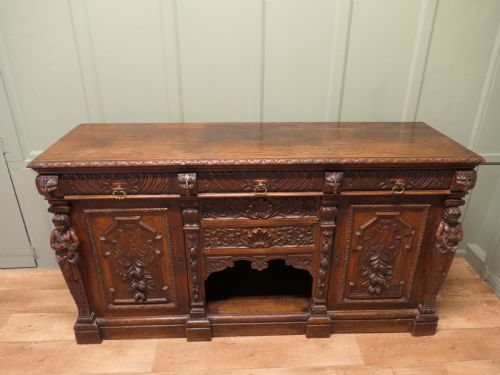
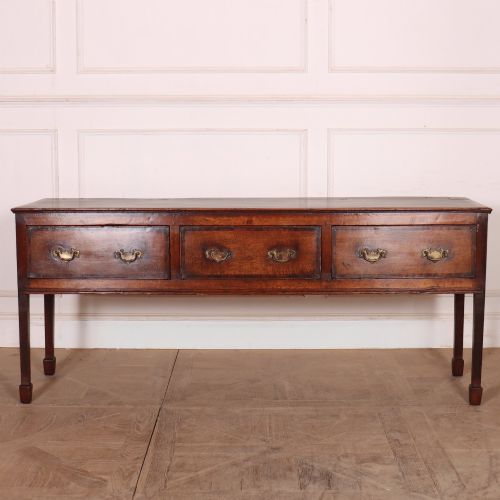
The most common formats on this page are eighteenth-century dresser bases featuring open potboards alongside twentieth-century Edwardian sideboards in golden oak. Makers also adapted Gothic revival and Arts and Crafts idioms, resulting in narrow proportions and carved panel details.
Materials and construction
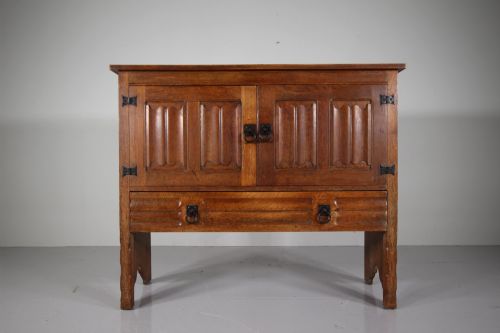
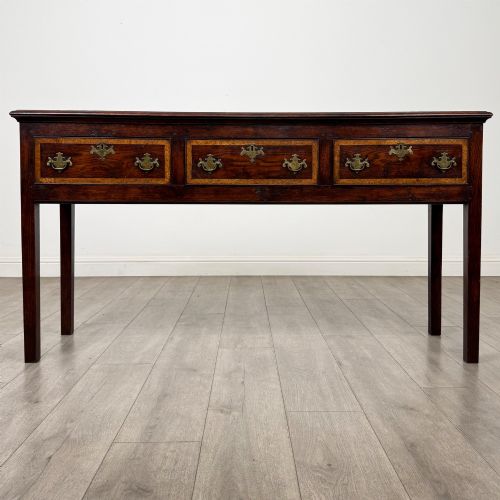
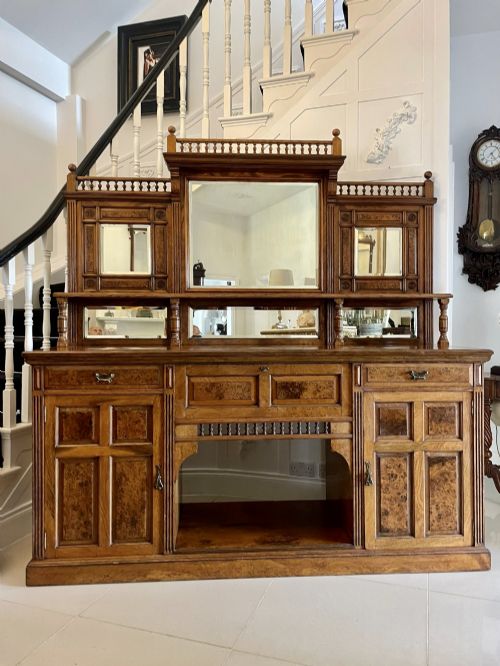
Cabinetmakers relied on solid English and European oak, sometimes pairing it with fruitwood accents and incorporating brass handles, iron hinges, and copper mounts. Mirror glass and linenfold carving also appear on later Victorian and Edwardian iterations.
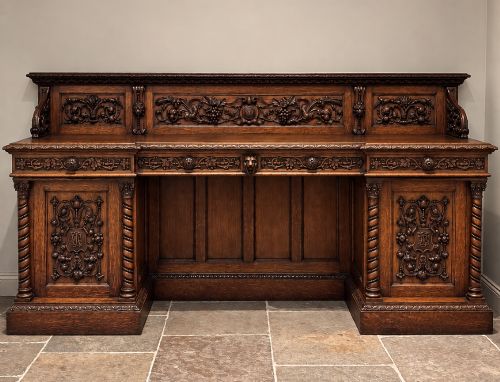
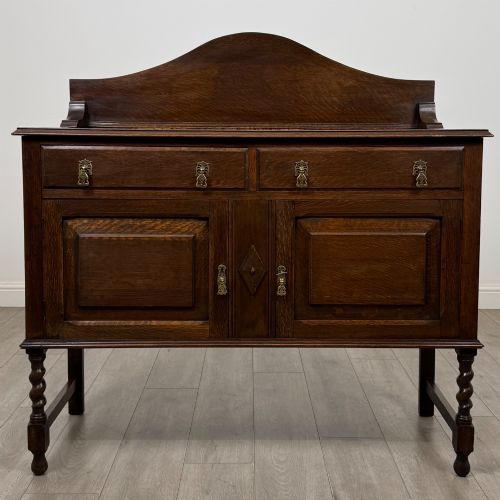
Joinery methods range from traditional pegged mortise and tenon frames on earlier pieces to machine-assisted turnings like barley twist legs on twentieth-century variations.
Several sideboards employ barley twist legs that look remarkably ready to spin when nobody is watching the dining room.
Standards of craftsmanship
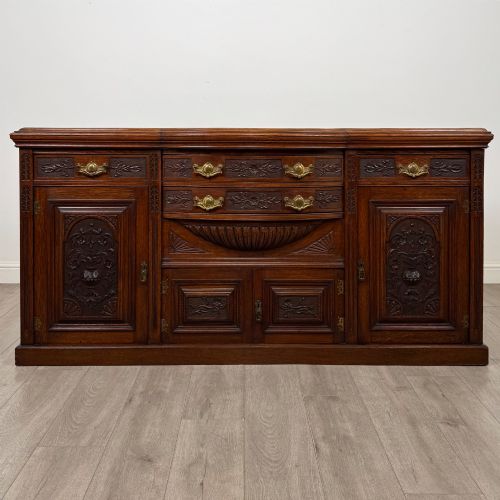
The distinction between ordinary and superior examples rests on the depth and crispness of the carving, the selection of figured timber grain, and the integrity of the original hardware. Finer items exhibit balanced proportions and hand-shaped mouldings rather than flat, repetitive machine work.
Construction weight and the survival of secondary timbers such as drawer linings also indicate distinction, separating standard utility furniture from pieces produced by notable workshops.
Ambrose Heal for Heal & Son
The Oak Credenza Dresser Glossary
- Potboard
- An open lower shelf on a dresser base traditionally used for displaying pewter or storing pots. It sits just above the floor on sturdy stile feet.
- Dresser base
- A low cabinet with drawers and cupboards, lacking the upper plate rack of a traditional kitchen dresser. It functions primarily as a sideboard.
- Enfilade
- A long sideboard or buffet cabinet featuring a sequence of doors in a straight line. French examples frequently employ this layout.
- Linenfold
- A style of wood carving that mimics folded fabric, commonly seen on Tudor and revival cupboard doors. It provides texture to flat panels.
Oak Credenza Dresser: Frequently Asked Questions
What is a dresser base?
A dresser base is a long, low storage cabinet equipped with drawers and cupboards, designed without the upper plate shelves of a standard kitchen dresser. These versatile units functioned historically for serving food and storing tableware.
Today, they serve well as sideboards in dining rooms or media consoles in living spaces, offering substantial enclosed storage beneath a broad wooden top.
How do I date an oak sideboard?
Dating relies on examining construction methods, timber selection, and stylistic decorative details. Earlier examples from the eighteenth century typically feature hand-cut dovetails, pegged joints, and heavy oak planks with natural surface patination.
Later Edwardian and revival pieces often display machine-sawn elements, standardised hardware, and lighter golden oak finishes, sometimes incorporating styles like barley twist legs or linenfold panels.
Where were these pieces used?
These cabinets originated primarily in dining rooms, kitchens, and large hallways of country houses and town residences. They held heavy ceramics, serving platters, and household provisions.
In modern interiors, their generous surface area and deep cupboards make them suitable for dining room storage, hallway credenzas, or living room display surfaces.
What is a potboard?
A potboard is a low, open bottom shelf built between the legs of an eighteenth-century dresser base. It provided a raised surface off the cold floor to keep earthenware pots and metal vessels dry and accessible.
On surviving antiques, the potboard is an important structural element that helps stabilize the legs while adding visual weight to the lower section.