

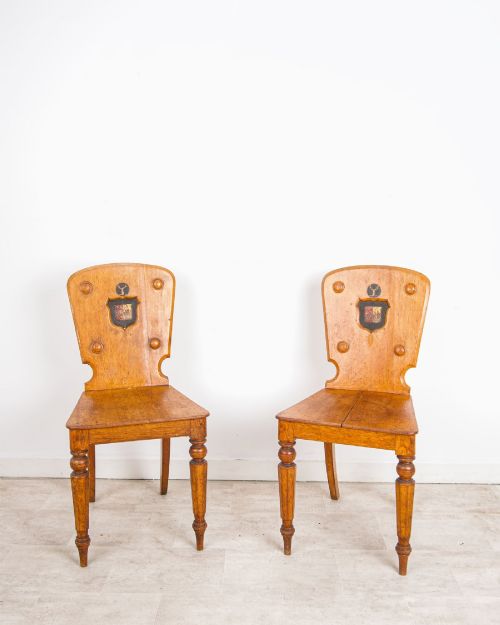


Oak Country Accent Chair
An oak country accent chair brings rustic character and sturdy regional craftsmanship straight into a modern interior.
Oak Country Accent Chair
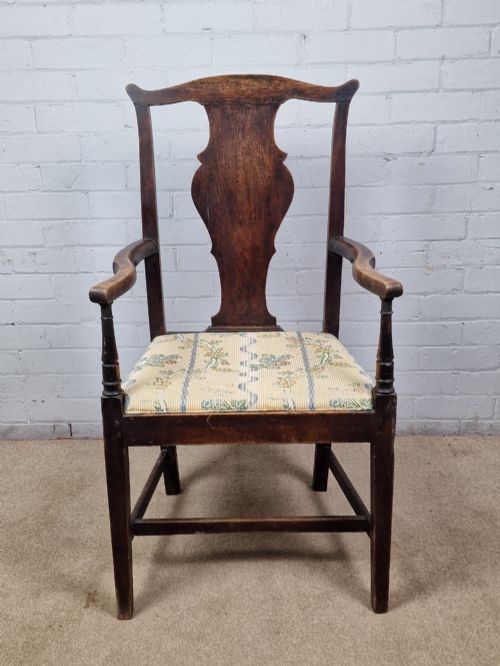
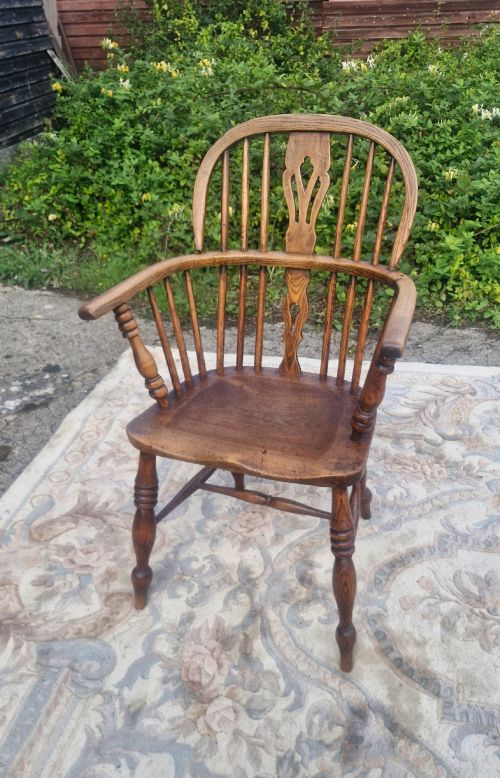
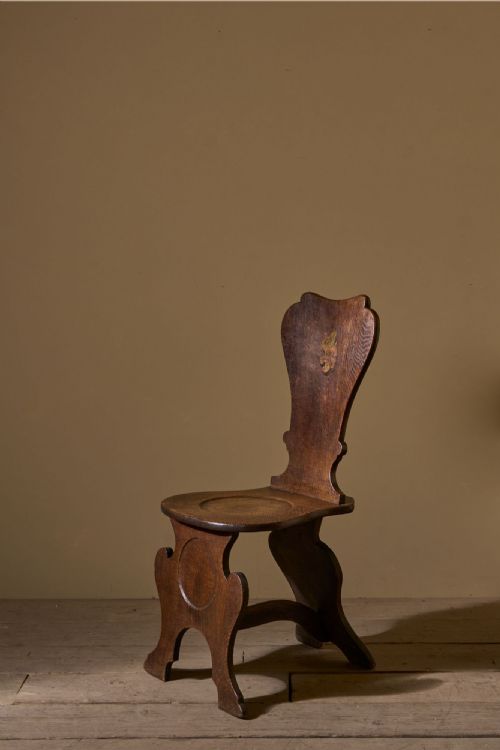
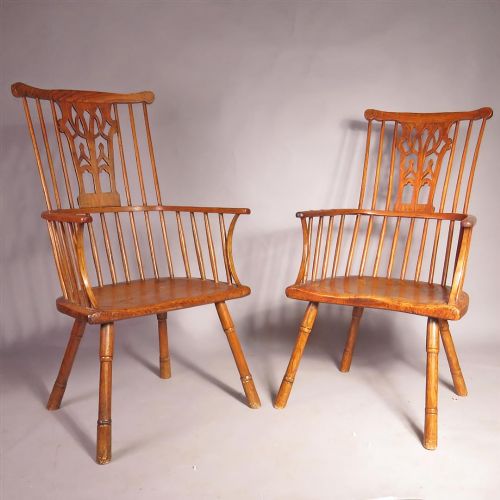
An oak country accent chair is a traditional vernacular seat rooted in regional British woodworking traditions. When exploring this selection, buyers encounter everything from robust 18th century wainscot armchairs to low back Windsor designs and spindleback forms.
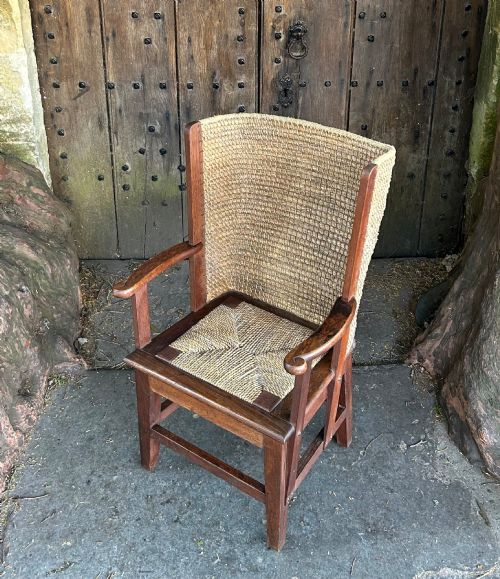
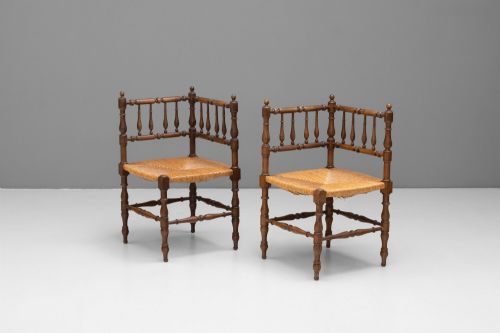
The regional diversity spans English country styles, Scottish vernacular pieces, and Welsh folk art chairs. These seating options range from simple side chairs and hall chairs to substantial library armchairs and reclining variants.
Materials and Construction
Makers relied primarily on native timbers such as oak, elm, ash, beech, and yew for the structural framework. These sturdy woods were frequently paired with flexible natural seating materials like rush, straw, cane, and fabric upholstery.
Joinery methods depended on traditional techniques including pegged joints, turned spindles, steam-bent components, and stick-back construction. Artisans shaped solid woods by hand to create durable seating designed for daily domestic use.
One cheerful 19th-century Welsh spinning chair was thoughtfully fashioned as an unusual folk art piece just for sitting close to the hearth.
Assessing the Standard
Quality rests in the integrity of the timber selection and the retention of original structural surfaces. Pieces that preserve their honest patination and authentic vernacular details stand apart from heavily restored examples.
The precision of traditional joinery and the balance of regional proportions dictate the refined character of a piece. Finer examples display thoughtful turning, well-balanced spindles, and harmonious integration of mixed native woods.
The Oak Country Accent Chair Glossary
- Windsor chair
- A chair built with a solid wooden seat into which the legs and back spindles are directly inserted. This robust construction method defines many traditional country seating designs.
- Wainscot armchair
- An early heavy wooden armchair constructed primarily with panelled woodwork and solid framing. These substantial seats date back to the seventeenth and eighteenth centuries.
- Rush seat
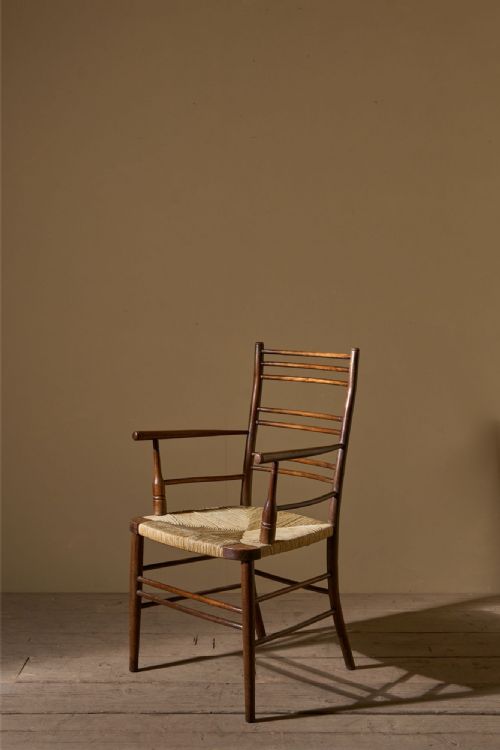
- A seating surface woven from dried marsh rushes wound around a wooden frame. This tactile method provides a traditional flexible base for country chairs.
- Bobbin chair
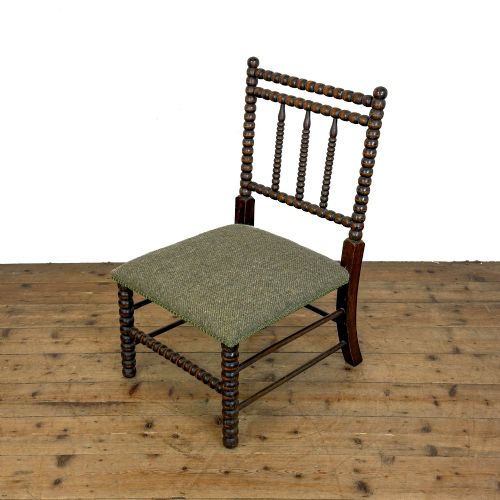
- A turned chair featuring decorative spool or bobbin-shaped elements carved along the uprights and stretchers. The distinctive turned profile emerged strongly during the Victorian period.
- Comb back
- A Windsor chair variation where the top rail resembles the spine of a comb, often fitted with small vertical spindles. This regional design supports an extended high back.
Oak Country Accent Chair: Frequently Asked Questions
How do I identify a true country chair?
Look closely at the native timbers used in the frame, such as oak, elm, and ash, combined with vernacular construction methods like stick-back or spindle assembly. These regional pieces lack the formal styling of metropolitan workshop furniture.
Examine the turning, the joinery, and the wear patterns on the seat. Authentic country examples display simple, functional carpentry intended for everyday domestic life.
Can I use these chairs every day?
Most antique country chairs are built from dense hardwoods like oak and elm, making them remarkably durable for daily seating. Their solid construction has already survived centuries of domestic use.
Ensure the joints remain firm and the rush, cane, or upholstered seat is secure before placing the chair into regular rotation in your home.
What is a Windsor chair?
A Windsor chair is a distinct seating form characterised by a solid wooden saddle-shaped seat into which the legs and back sticks are bored directly. This construction creates a strong, unified frame without traditional side rails.
They appear in various regional configurations including low backs, high backs, wheel backs, and comb backs across the eighteenth and nineteenth centuries.
Where were regional country chairs made?
Country chairs were produced by local vernacular woodworkers across England, Wales, and Scotland using locally available timber supplies. Different regions developed distinct variations, such as Welsh stick-back chairs or Scottish vernacular forms.
Local craftsmen adapted their designs to suit available materials like ash, beech, yew, and oak within their immediate surroundings.