
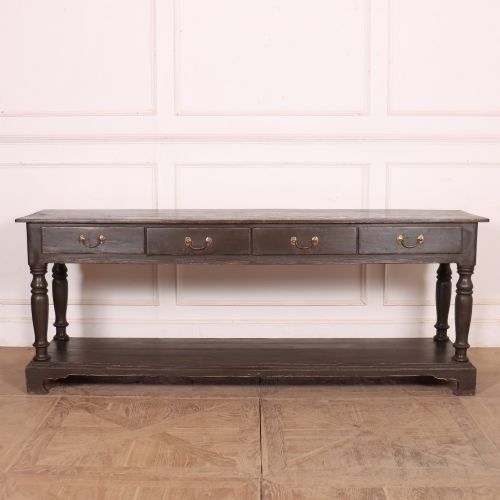
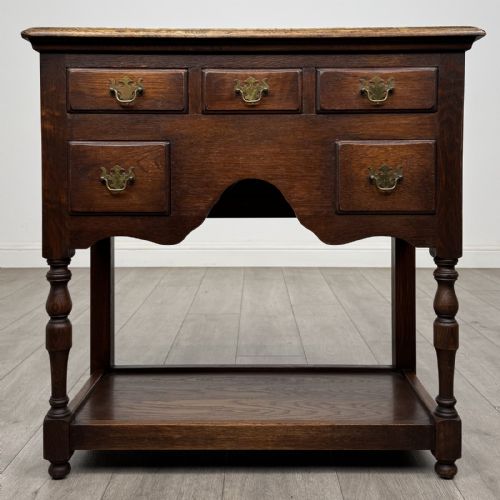
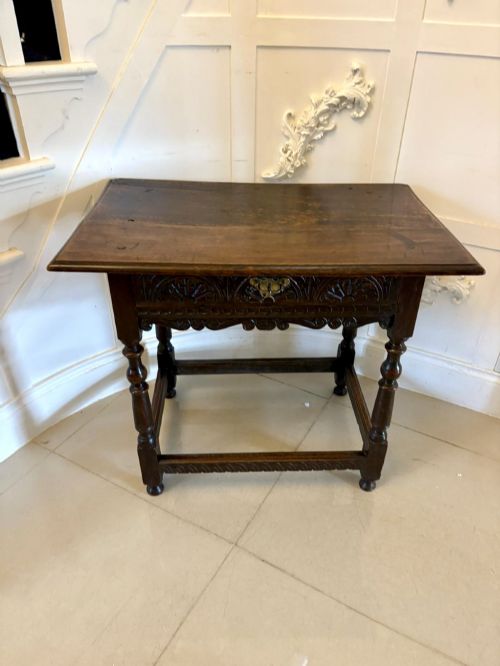
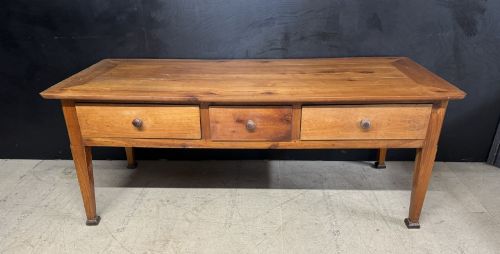
Oak Console Table Drawer
When you search for an oak console table drawer, you are looking at solid timber tables built to hold your daily essentials while grounding a hallway or living space.
Oak Console Table Drawer
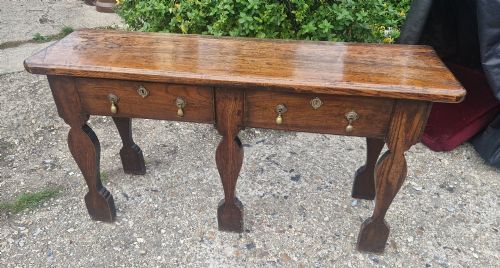
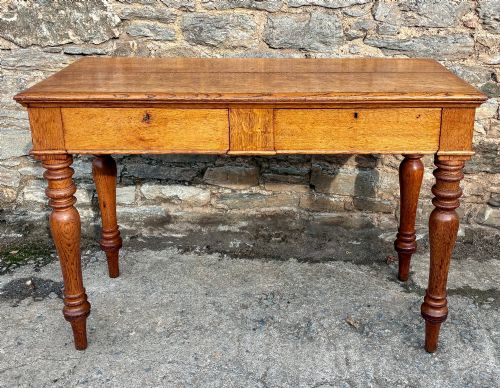
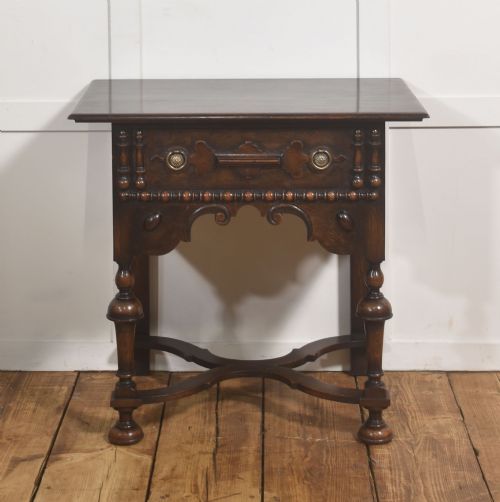
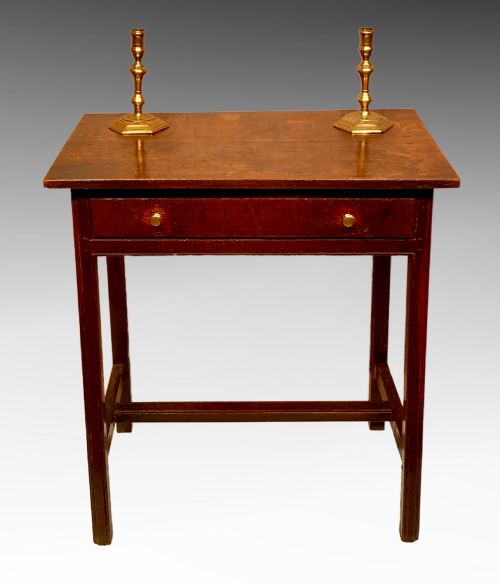
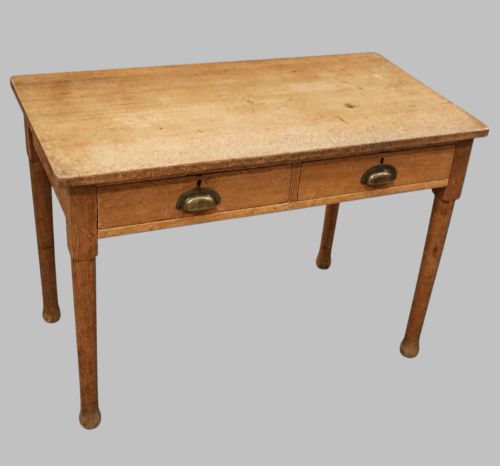
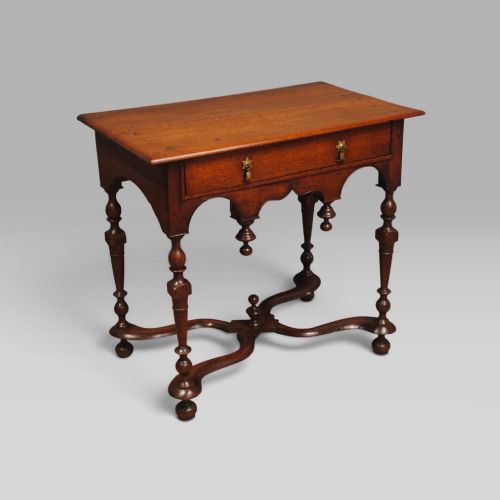
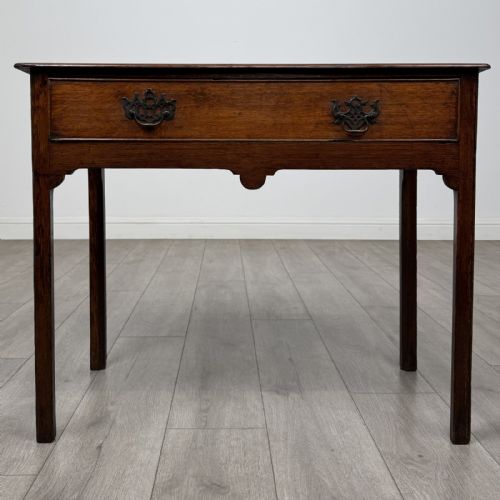
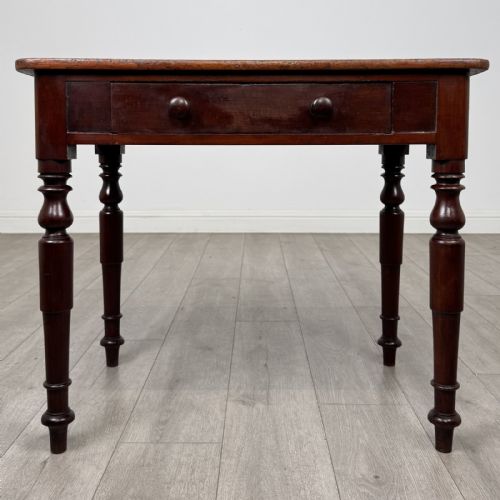
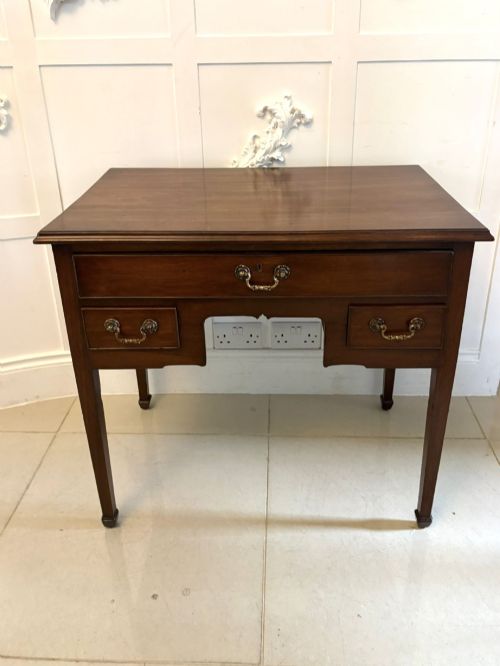
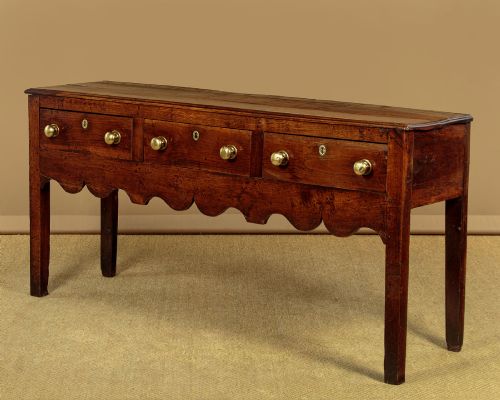
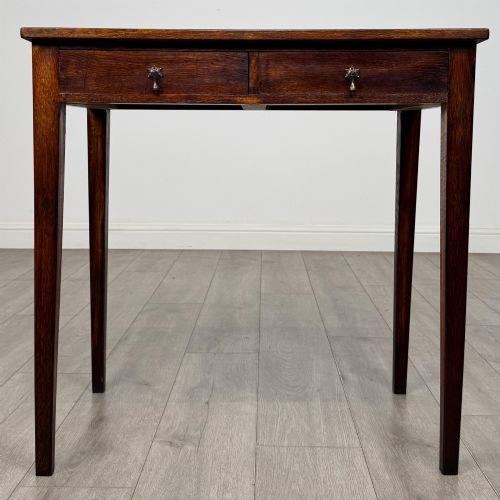
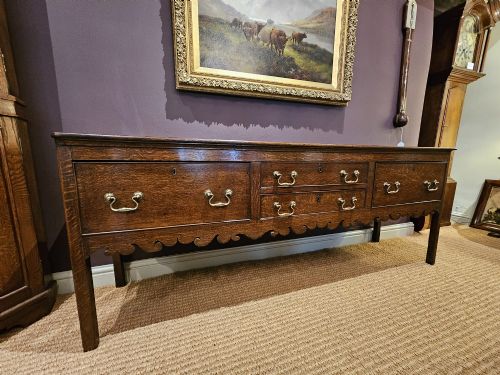
An oak console table drawer brings together sturdy timber and practical storage in forms ranging from lowboys to dresser bases and side tables. When you search for an oak console table drawer, you meet pieces spanning the seventeenth century through to the Edwardian period and the early twentieth century.
The material selection centres firmly on English and continental oak, frequently paired with brass hardware, iron fittings, and occasional pine or mahogany secondary woods. Forms include narrow hallway tables, writing desks, and serving pieces equipped with single or multiple frieze drawers.
Georgian and eighteenth-century examples display clean lines and cabriole legs, whereas nineteenth-century and Jacobean revival items often feature heavier carvings and distinct period styling. These tables served utility roles in kitchens, halls, and parlours, making them adaptable additions to contemporary interiors.
How They Were Made
Cabinet makers built these tables using solid oak planks for tops and frames, utilising traditional joinery such as mortise and tenon joints to ensure lasting stability. Drawer construction typically involved hand-cut dovetails, reflecting the manual labour required before industrial manufacturing took over.
Hardware additions included brass drop handles, keyplates, and metal pulls that functioned alongside wooden runners inside the drawer carcases. Surface finishes relied on wax and polish applied directly to the timber grain, sometimes accompanied by decorative paint or subtle wood inlay.
Some seventeenth-century tables survived because generations used them to chop vegetables before they finally graduated to the hallway.
What Varies In Quality
The standard of timber selection marks a primary division, with quarter-sawn oak showing pronounced medullary rays commanding greater attention than plain, utility-grade boards. Cabinet work also differs significantly between pieces, visible in the tightness of dovetail joints and the smooth operation of drawers within their housings.
Proportion and carving depth dictate the upper tiers of the range, distinguishing simple provincial utility tables from finely balanced Georgian lowboys or deeply carved seventeenth-century examples. Originality of brass hardware and surface patination further separates well-preserved specimens from heavily altered pieces.
Beresford and Hicks
The Oak Console Table Drawer Glossary
- Lowboy
- A small oak table with one or more drawers and relatively long legs, originally used as a dressing or side table in the seventeenth and eighteenth centuries.
- Dresser Base
- The lower section of a kitchen or dining room storage unit featuring a robust top and multiple front drawers, often adapted into console use.
- Frieze Drawer
- A storage drawer fitted directly beneath the top surface and within the main structural rail of a table.
- Dovetail
- A joint formed by interlocking wedge-shaped fingers, used primarily to connect drawer sides to drawer fronts with high tensile strength.
- Box Stretcher
- A framework of horizontal wooden bars connecting the lower legs of a table on all four sides to provide added rigidity.
Oak Console Table Drawer: Frequently Asked Questions
What rooms suit an oak console table drawer?
These tables fit naturally into narrow hallways, entryways, and living rooms where surface space is needed without blocking circulation.
The integrated drawer provides a convenient spot to store keys, post, and small household items out of sight.
How do I date an antique oak console table?
Dating relies on observing construction methods, such as hand-sawn timber marks and hand-cut dovetails, alongside the overall style of the legs and mouldings.
Changes in hardware styles and the presence of secondary woods like pine can also point towards specific periods like the Georgian era or the Edwardian period.
How should I care for antique oak furniture?
Protect the timber by keeping the table away from direct heat sources and sudden temperature fluctuations that can cause the wood to split.
Applying a traditional beeswax polish occasionally helps maintain the lustre of the oak without building up artificial chemical residues.
What is the difference between a lowboy and a console table?
A lowboy is a specific form of small table featuring proportions designed for dressing or writing, typically equipped with one to three drawers.
A console table is a broader term for any narrow table placed against a wall, which may include dresser bases and serving tables.