
Oak Chest with Handles
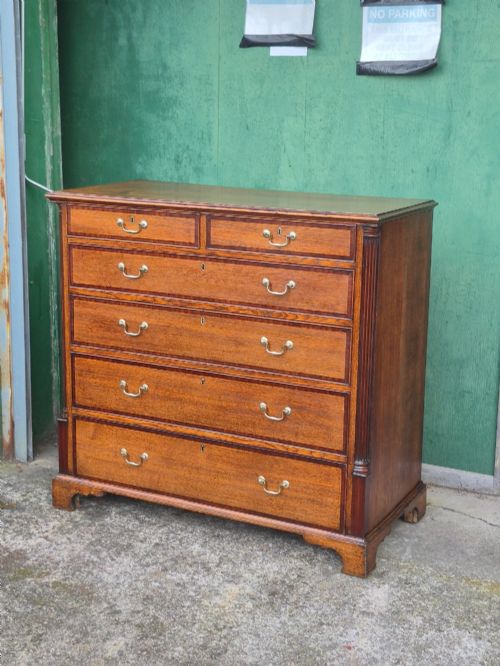
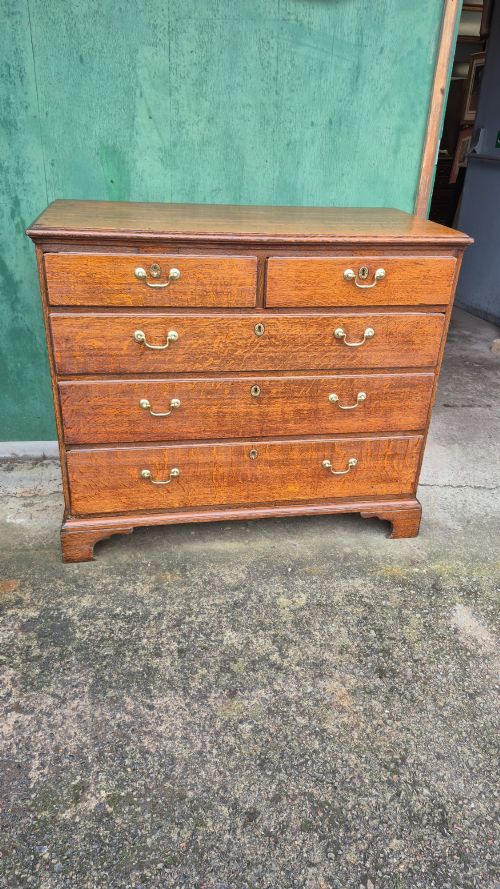
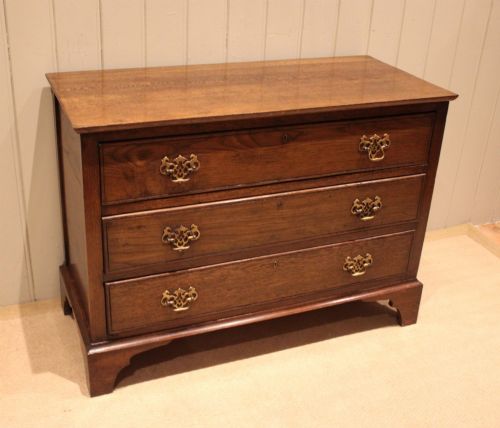
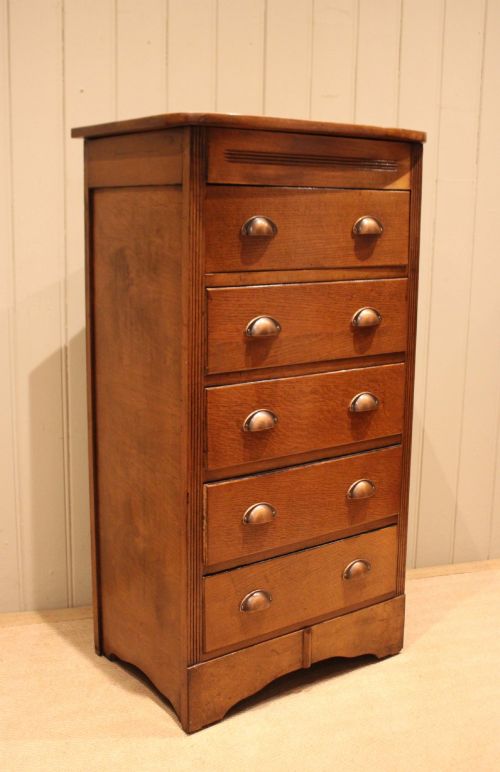
An oak chest with handles brings together sturdy English timber and practical metalwork to solve storage needs that have endured for centuries.
Oak Chest with Handles
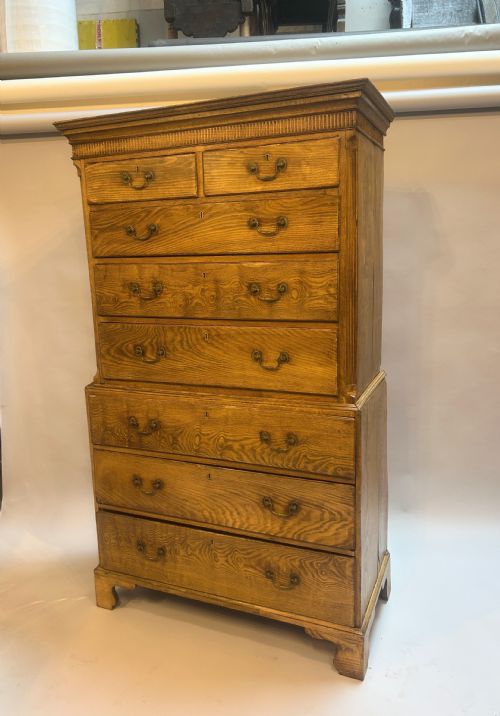
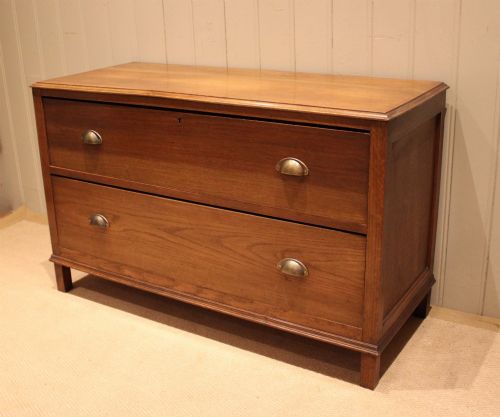
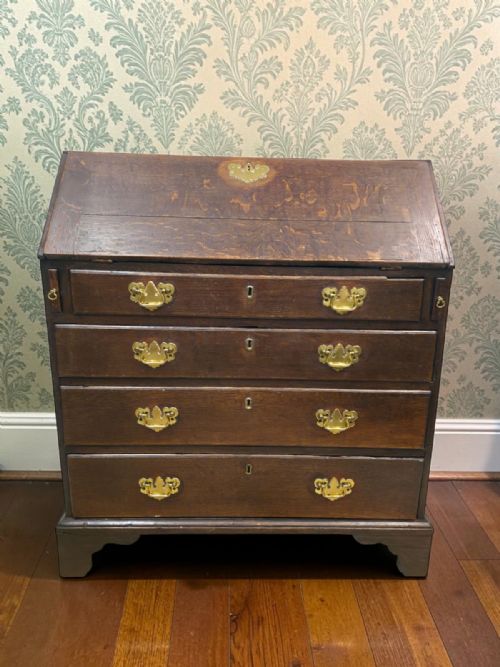
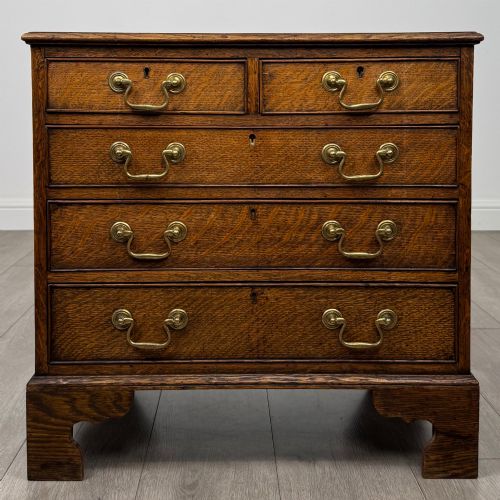
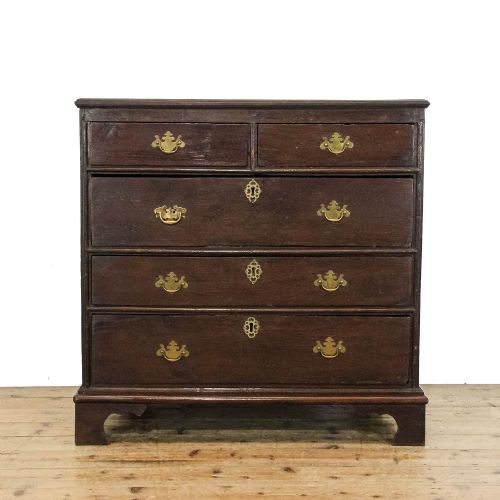
When you search for an oak chest with handles, you encounter utilitarian storage pieces spanning the seventeenth century through the Edwardian era, with Georgian examples appearing most frequently.
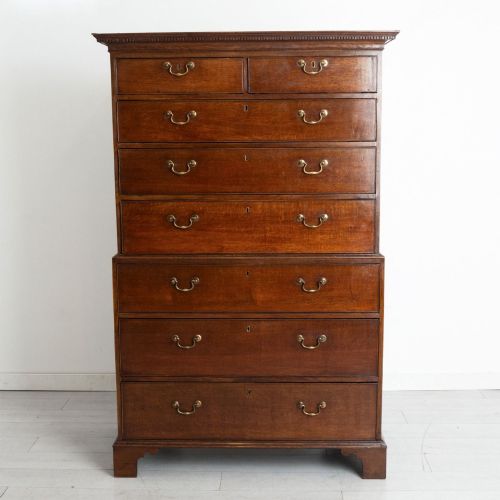
The selections range from early mule chests and blanket boxes to towering chests of drawers and two-part administrative cabinets.
Makers utilised solid timber structures designed for heavy daily use, incorporating iron or brass hardware to secure and transport personal possessions.
Materials and Technique
Joiners built these carcasses primarily from native English oak, sometimes lining the interior drawers in secondary woods like pine or mahogany.
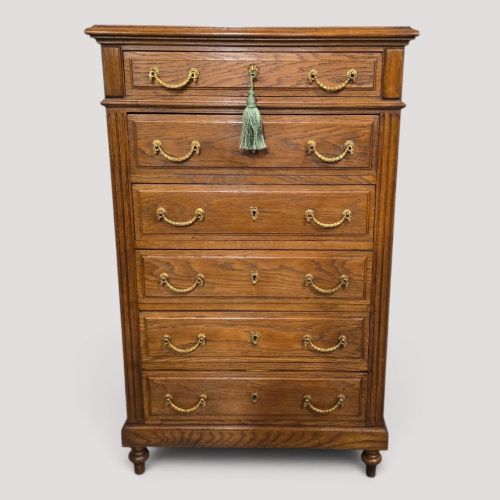
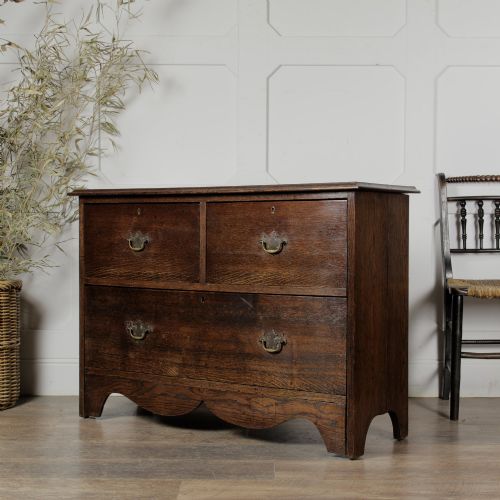
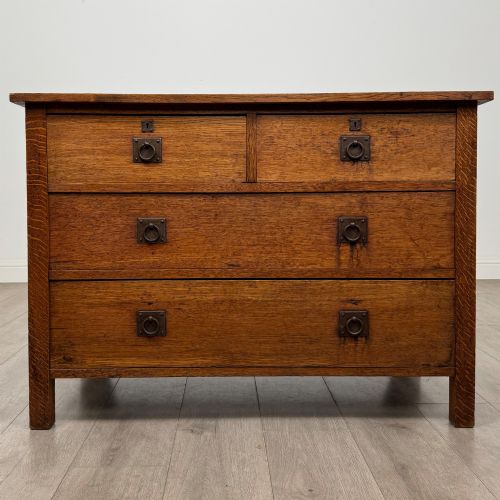
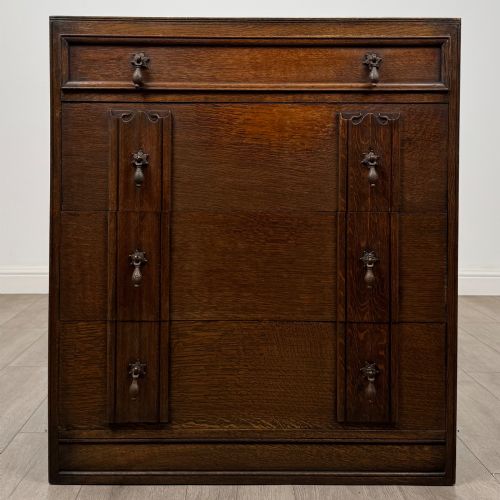
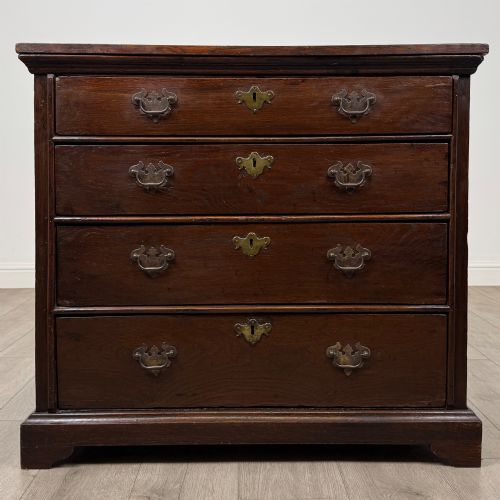
Metal components such as brass swan neck handles, drop handles, and iron brackets were fastened securely to withstand regular lifting and pulling.
Surface treatments included geometric mouldings, carved panels, and dark wax polishes that allowed the natural grain of the wood to show through.
Listings feature oak paired with brass, iron, velvet, and glass across Georgian, Victorian, and seventeenth-century eras.
Standard and Condition
The highest standard rests in the survival of original brass or iron handles, matching escutcheons, and uncompromised internal oak linings.
Construction methods dictate durability, distinguishing finely pegged frame and panel assemblies from later or heavily restored joints.
The Oak Chest with Handles Glossary
- Mule chest
- A storage chest fitted with one or more drawers at the base beneath the main compartment. This form evolved during the seventeenth and eighteenth centuries to keep textiles accessible.
- Swan neck handle
- A metal pull shaped like an elongated letter S, mounted on a pair of vertical backplates. Cabinetmakers favoured this design on Georgian drawer fronts.
- Crossbanding
- A narrow strip of veneer laid across the grain of the primary wood to form a decorative border. Craftsmen used this technique to frame drawer fronts and tabletops.
- Coffer
- A heavy wooden box with a hinged lid used originally for valuables and documents. These pieces often feature carved panels and robust iron hinges.
- Bracket foot
- A structural foot fitted to the bottom corners of a case piece, shaped like a bracket. This support style replaced the heavier bun feet of earlier decades.
Oak Chest with Handles: Frequently Asked Questions
How do I date an oak chest?
Dating relies on examining construction methods, tool marks, and hardware types used on the piece. Earlier examples from the seventeenth century often feature hand-split panels and pegged frames.
Later pieces from the Georgian and Victorian periods introduce machine-sawn timber, dovetail joints, and standardised brass handles that help narrow the decade of manufacture.
Were handles always made of brass?
Not all handles on these chests are brass. While brass swan neck and drop handles dominate Georgian and Victorian pieces, earlier seventeenth-century coffers and chests frequently utilised forged iron for strength.
Replacements also occur, as hardware often endured heavy wear or damage over centuries of domestic and commercial use.
What is the difference between a mule chest and a blanket box?
A blanket box is a simple lidded trunk designed primarily for storing linens and textiles. A mule chest adds one or more drawers beneath the main lift-top compartment.
This addition allowed owners to access smaller items without having to lift heavy blankets off the top of the chest.
How should I care for antique oak?
Antique oak benefits from stable indoor humidity and protection from direct sunlight, which can dry out the timber and fade the patina. Applying a traditional beeswax polish occasionally maintains the moisture and sheen of the wood.
Avoid liquid silicone cleaners, as they build up residue on historic wax and varnish finishes.