

Oak Center Table
An oak centre table brings substantial timber and a commanding freestanding presence straight to the middle of a room.
Oak Center Table
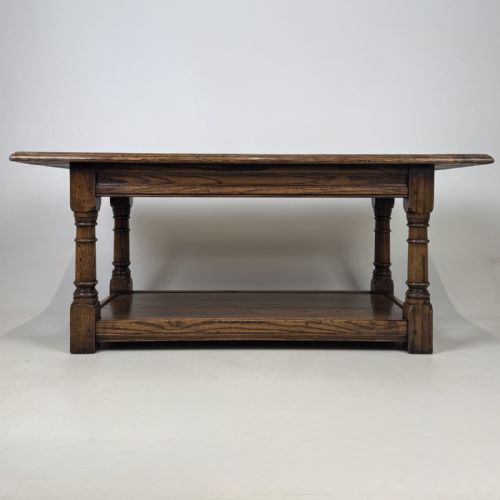
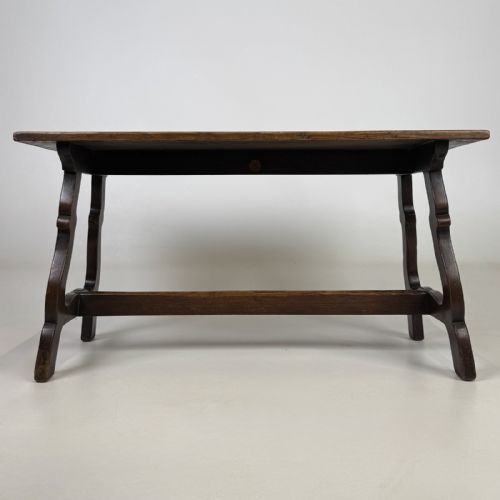
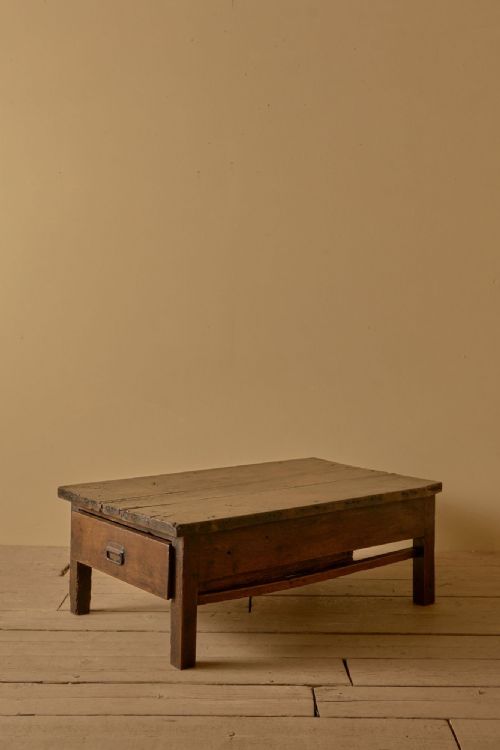
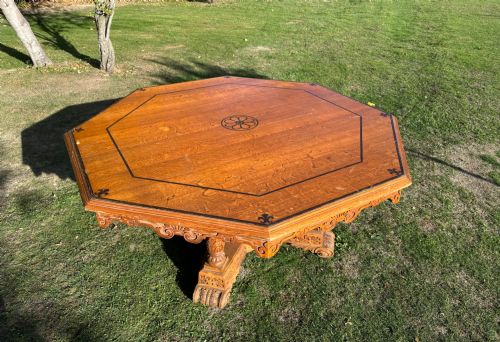
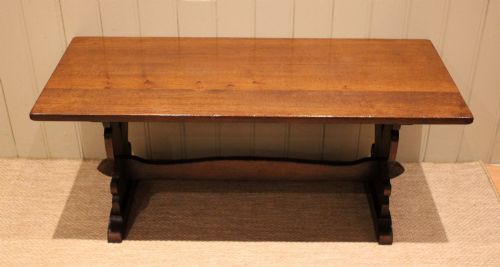
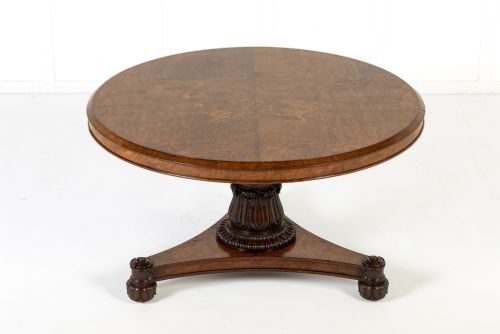
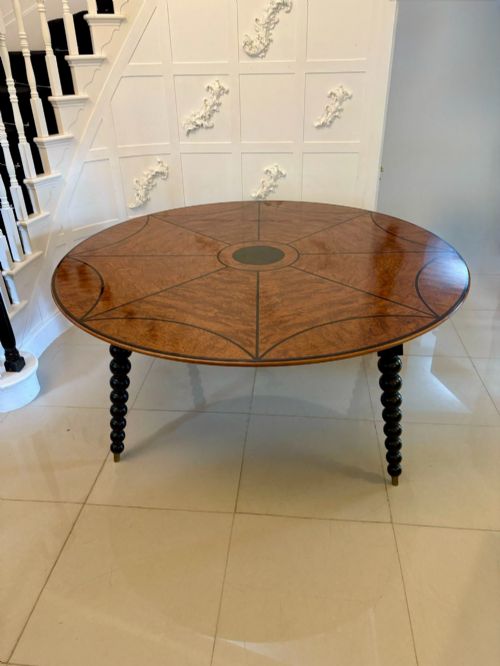
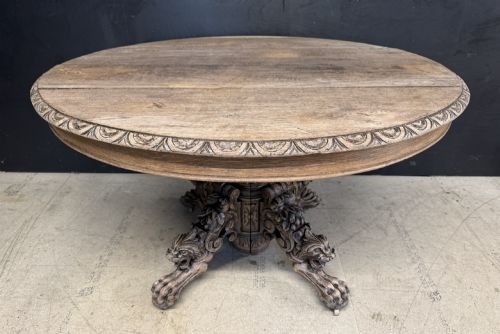
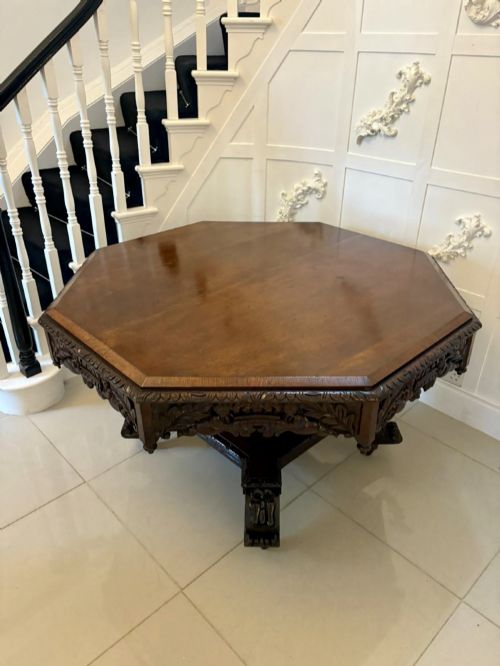
An oak centre table is a freestanding piece designed to be viewed from all sides, commonly appearing in Victorian, Regency, and nineteenth-century formats. Buyers looking for an oak centre table will find circular breakfast tables, octagonal library tables, and robust hall or dining variations.
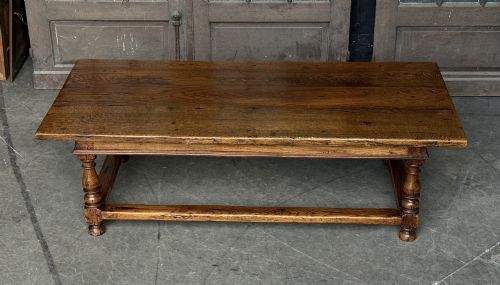
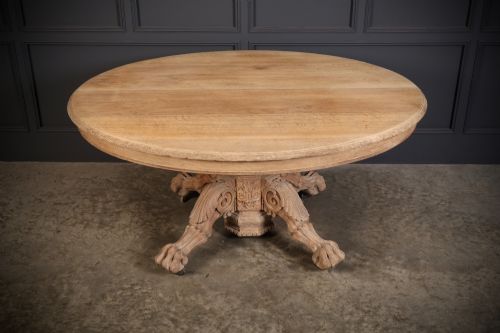
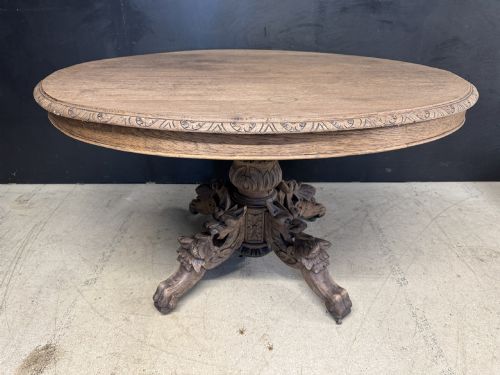
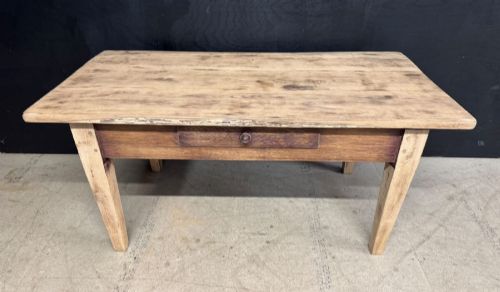
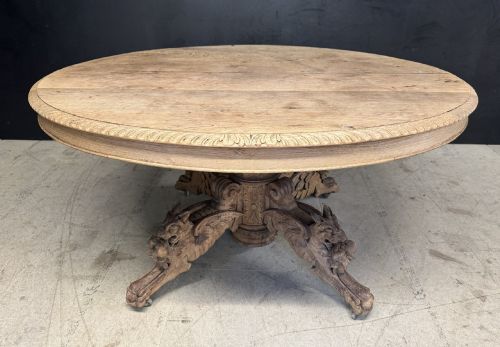
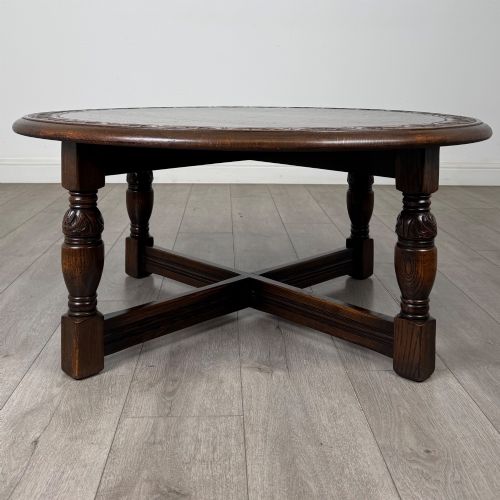
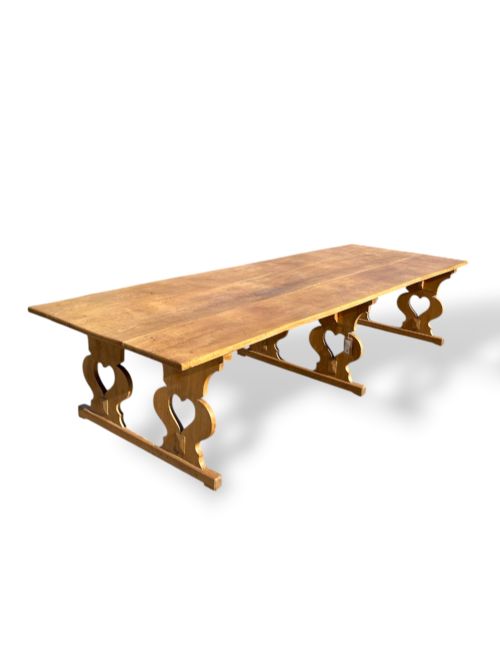
The selection ranges from heavily carved Victorian Gothic Revival pieces to French provincial and rustic country examples. Many of these tables double as large coffee tables or library tables, standing firmly on carved legs or stretcher bases.
Materials and construction
Cabinetmakers utilised solid timber alongside decorative veneers, incorporating figured pollard oak, burr oak, and standard oak across the surfaces. Brass mounts, leather inserts, ebony inlay, and Derbyshire fossil marble tops frequently supplement the primary wooden structures.
Construction techniques involve detailed hand carving, turned legs, and specialised framing designed to support heavy tabletops. Bleached and mellowed finishes appear alongside traditional polish, highlighting the natural grain and figuring of the wood.
Oak Center Table Retail Price Guide 2026
Typical asking prices for oak center table among the pieces listed under this phrase on Sellingantiques today, from the lower quarter to the upper quarter. They describe what is for sale here now, not the wider market.
Listings feature oak, walnut, mahogany, and ebony, alongside inserts of leather, brass, and Derbyshire fossil marble.
Evaluating the pieces
The distinction between standard utility and exhibition quality lies in the crispness of the joinery, the depth of the carving, and the presence of maker attribution. Tables featuring integrated architectural influences or unusual forms demonstrate superior workshop execution.
James Winter and Sons·Sir Robert Stoddart Lorimer
The Oak Center Table Glossary
- Pollard oak
- Timber taken from trees that have been pollarded, producing a dense, highly figured grain pattern often used for decorative tabletops.
- Library table
- A large freestanding table designed for writing and storing books, frequently fitted with a leather insert or drawers.
- Gothic Revival
- A nineteenth-century style drawing inspiration from medieval architecture, characterised by pointed arches, tracery, and robust carved oak.
- Stretcher table
- A table featuring horizontal wooden bars connecting the legs for added structural support and stability.
- Centrepiece
- A grand freestanding table meant to occupy the middle of a principal room rather than sit against a wall.
Oak Center Table: Frequently Asked Questions
What is an oak centre table used for?
These pieces function as freestanding room anchors, serving variously as dining surfaces, library desks, or grand display tables in the middle of a space.
Because they are finished on all sides, they stand away from walls to receive traffic and light equally from every angle.
How do I identify a Victorian oak centre table?
Victorian examples often display heavy hand carving, robust turned legs, and rich dark patination across the oak timber.
Many incorporate architectural revival styles, such as Gothic or Renaissance details, alongside circular tops meant for breakfast or library use.
Are these tables suitable for everyday use?
Solid oak and sturdy framing make these tables exceptionally durable for daily dining, working, or gathering.
Care should be taken with specific surface inserts like leather or marble panels during regular domestic tasks.
What distinguishes pollard oak from standard oak?
Pollard oak derives from the pollarding pruning method, which creates highly twisted, mottled, and burr-like grain patterns across the timber.
Cabinetmakers prized this decorative figuring for high-status tabletops and prominent centerpieces.