


Nursery Accent Chair
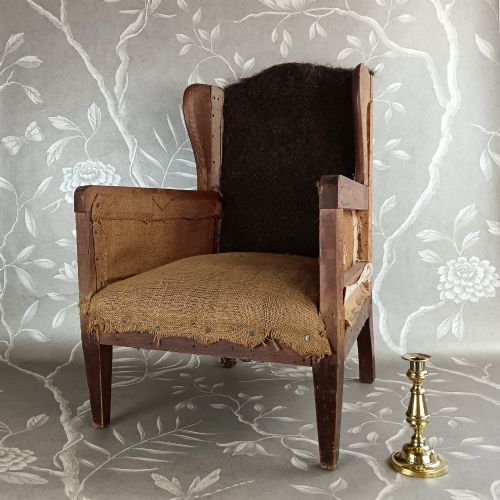
A nursery accent chair brings domestic history into miniature scale, offering diminutive seating designed for children across centuries of British craftsmanship.
Nursery Accent Chair
A nursery accent chair encompasses small-scale seating designed historically for children, spanning simple vernacular forms to formal period revivals. When searching for a nursery accent chair, buyers encounter diverse object types including child armchairs, rocking chairs, Windsor chairs, and high chairs from the eighteenth, nineteenth, and early twentieth centuries.
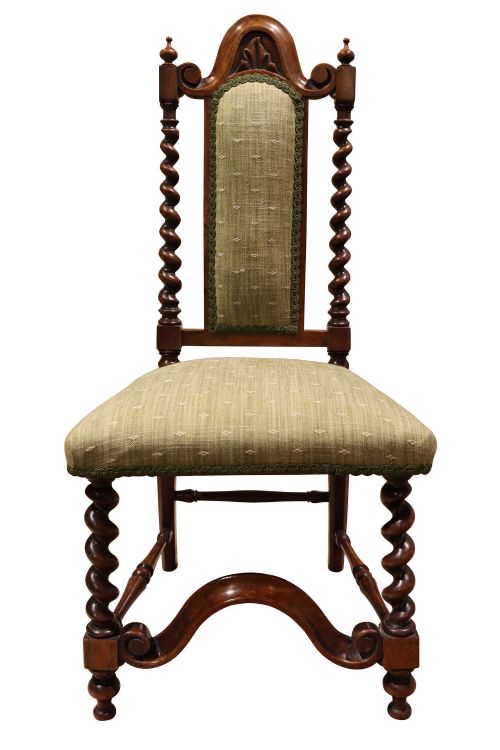
The pieces on this page reflect formal stylistic periods such as Victorian, Edwardian, and Arts and Crafts alongside revival designs like Queen Anne and George II styles. Many examples adapt adult seating proportions down to child scale, utilising timber frames paired with upholstered, cane, rush, or panelled seats.
Makers adapted mainstream furniture trends for domestic nursery spaces, producing robust utility chairs alongside decorative seating with carved walnut, mahogany, or ebonised frames. Surviving items demonstrate how domestic seating catered to children across country houses, parlours, and nurseries.
How they were made
Timbers such as walnut, mahogany, oak, beech, ash, and pine form the structural frames of these chairs, shaped through turning, carving, and bending techniques. Woodworkers utilised traditional joinery alongside steam bending for components like bentwood rocking chairs and spindle backs.
Upholstery methods involved buttoned leather, fabric coverings, and brass detailing fixed to sprung or padded frames, while other examples relied on woven rush or cane inserts. Surface treatments ranged from ebonised finishes to polished hardwood grains and folk art painted pine.
An eighteenth-century pine spindle back sits quietly ready for a toddler who vanished three hundred years ago.
What varies in quality
Quality in these miniature seats rests on the proportion and integrity of the scaled-down design relative to full-size period counterparts. Finer examples exhibit disciplined timber turning, precise joinery, and high-grade materials like burr walnut or rosewood frames.
The refinement of carved details, such as barley twist legs or scholarly stylistic revivals like Queen Anne cabriole elements, distinguishes standard utility pieces from exceptional workshop productions. Original surface patination and intact early upholstery or cane work also elevate the standing of a piece.
Liberty of London·Ford Maddox Brown
The Nursery Accent Chair Glossary
- Barley twist
- A decorative turning technique resembling a spiralling rope, frequently found on seventeenth-century and Victorian furniture legs and stretchers.
- Windsor chair
- A vernacular seating form featuring a solid wooden seat into which legs and spindles are wedged directly.
- Ebonised
- Timber treated with a dark stain or chemical process to simulate the dense, black appearance of ebony wood.
- Correction chair
- A nineteenth-century seating form designed with a tall, straight back intended to encourage upright posture in children.
- Spindle back
- A chair back constructed from vertical turned wooden rods fitted between a top rail and seat frame.
Nursery Accent Chair: Frequently Asked Questions
How were nursery accent chairs originally used?
These miniature chairs served practical seating needs in domestic nurseries, parlours, and schoolrooms for reading, dining, or quiet play. Their modest dimensions kept children seated comfortably at lower heights or near firesides.
Over generations, many pieces transitioned from utilitarian nursery furniture into decorative accent seating displayed within modern living spaces and hallways.
Are these small chairs sturdy enough for daily use?
Most surviving antique examples retain robust timber frames built with traditional joinery, though their load-bearing capacity varies depending on age and material. Sturdier hardwood frames handle light modern use, while delicate antique cane or upholstered seats require greater care.
Buyers intending regular practical seating typically inspect frame joints and structural stability before placing chairs into active daily environments.
What is the difference between a child chair and a high chair?
Child chairs feature standard low seating heights designed to sit flush with smaller tables or floor-level nursery activities. High chairs incorporate elevated legs, footrests, and often safety trays or enclosed barrier arms to position toddlers safely above table level.
Both forms utilise period decorative styles, but high chairs prioritise elevated utility while child chairs mimic conventional armchair proportions.