

Novelty Desk Accessories
Novelty desk accessories bring wit and utility to the writing table through animal forms, sporting figures and clever mechanical designs.
Novelty Desk Accessories
Novelty desk accessories turn everyday stationery items into sculptural and amusing objects for the working surface. Buyers seeking novelty desk accessories encounter pieces designed to hold ink, stamp paper, seal wax or weigh down documents.
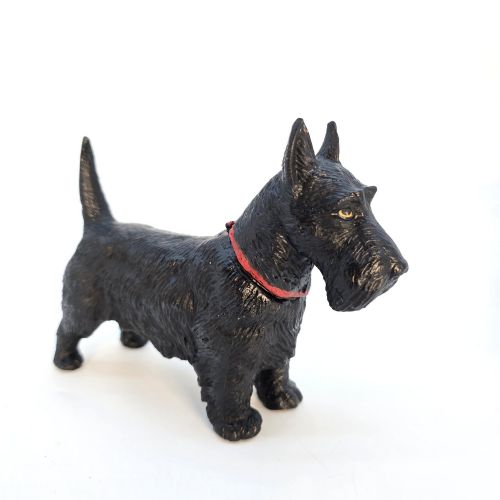
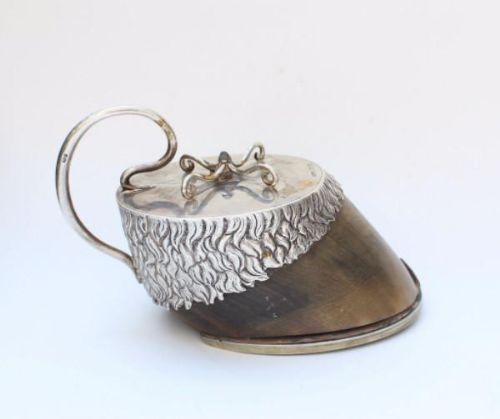
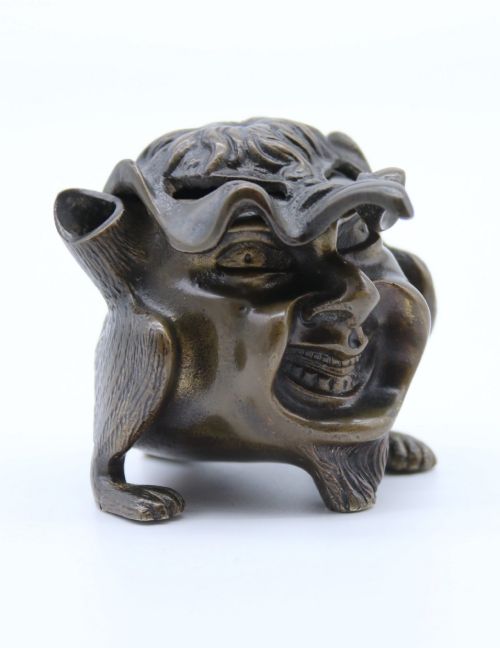
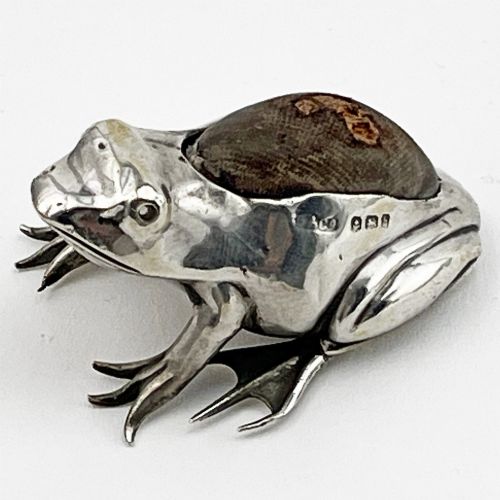
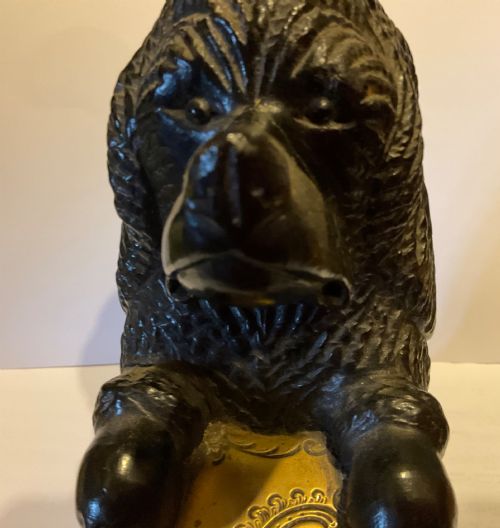
The selections span from the Victorian era through the Edwardian period and into the Art Deco years. Common forms include inkwells modelled as animals, silver pin cushions shaped like frogs or spiders, and match dispensers taking the guise of carved dogs.
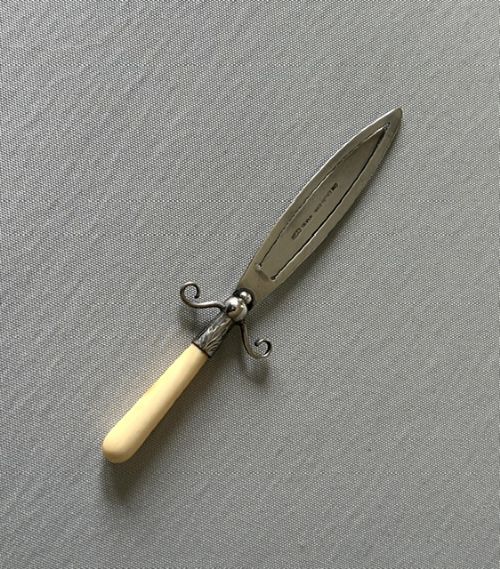
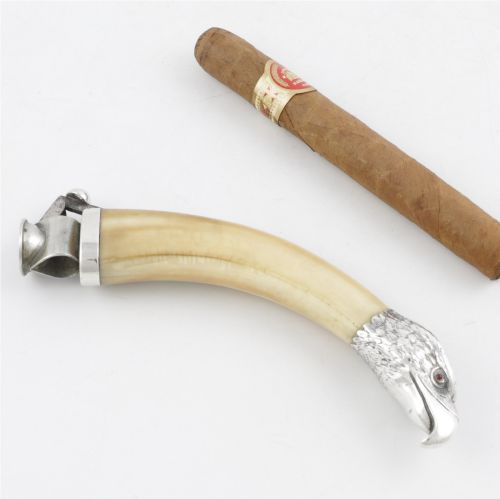
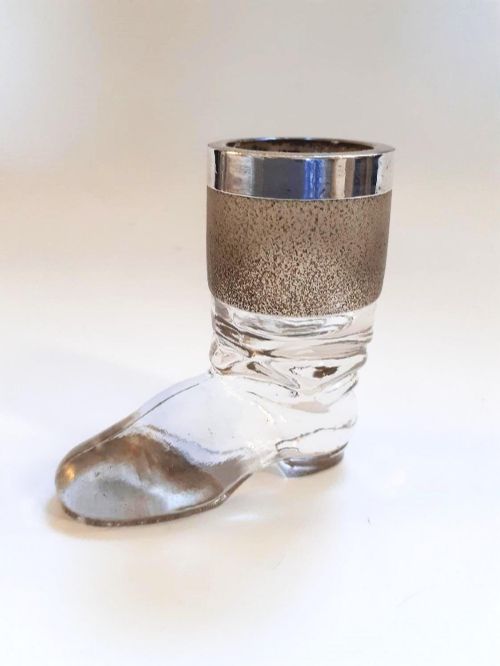
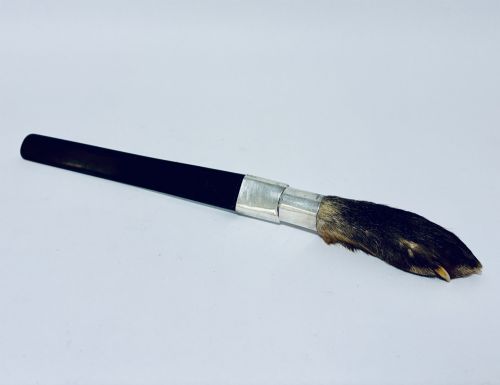
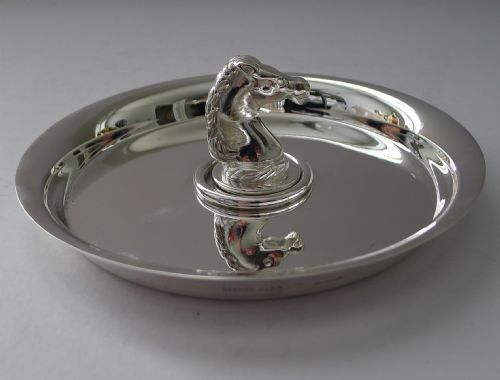
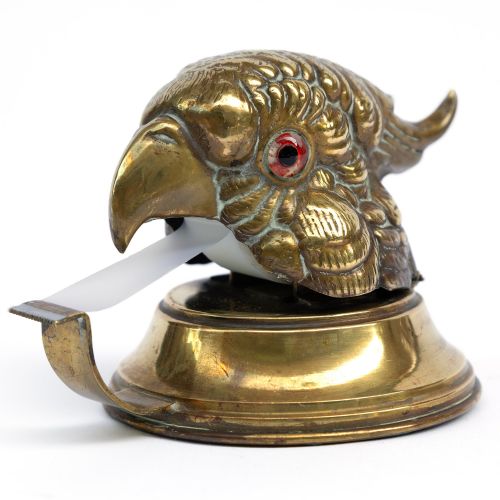
Makers utilised familiar creatures and domestic items, transforming horses, birds, boots and canoes into functional desk equipment. These objects reflect a period when writing desks served as central hubs for correspondence and personal administration.
Materials and construction
Silversmiths and bronze founders shaped much of the work using sterling silver, bronze and cast metal. Cold painting often added naturalistic colour to bronze animals, while glass, wood and horn provided contrasting textures for inkwells and paperweights.
Detailed casting and hand carving define the construction, seen in engraved silver scales on reptile boxes and finely worked feathers on bird inkwells. Hinges, spring clips and slide mechanisms required precise metalworking to ensure the functional parts operated smoothly.
Novelty Desk Accessories Retail Price Guide 2026
Typical asking prices for novelty desk accessories among the pieces listed under this phrase on Sellingantiques today, from the lower quarter to the upper quarter. They describe what is for sale here now, not the wider market.
Materials span sterling silver, bronze, carved wood, horn, tortoiseshell, mother-of-pearl and cast iron.
Evaluating quality
Quality rests upon the crispness of the casting and the naturalism of the carving. Superior examples capture anatomical detail and character without losing the primary function of the desk piece.
Hallmarks on silver components indicate assay offices and maker marks, which add historical context and document the origin. The survival of original glass liners in inkwells and the intact condition of delicate cold-painted surfaces distinguish the finest pieces.
Sampson Mordan and Co·Crisford and Norris·Thornton Smith Co·Hermes Paris
The Novelty Desk Accessories Glossary
- Cold painting
- A method of applying oil or lacquer colours to unheated bronze or metal figures. This technique allows for detailed polychrome decoration on small animals.
- Pin cushion
- A small padded object used for storing pins on a desk or dressing table. In novelty forms, these appear mounted on silver spiders, frogs or boots.
- Stamp case
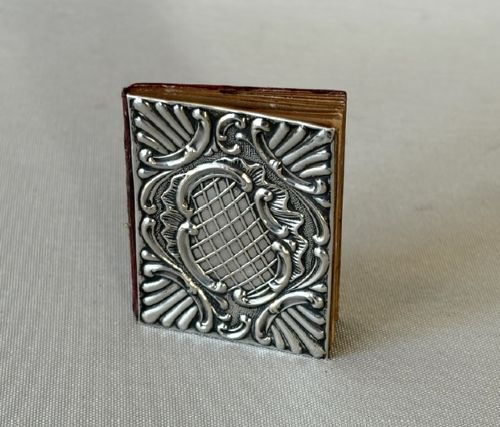
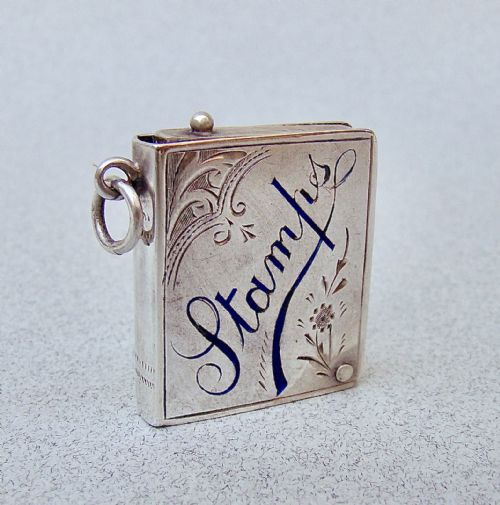
- A small container designed to hold postage stamps securely before self-adhesive varieties existed. They frequently slide open or mimic miniature books.
- Vide poche
- A small tray or dish placed on a desk or hall table for emptying pockets. The French term translates literally to empty pocket.
- Wax sealer
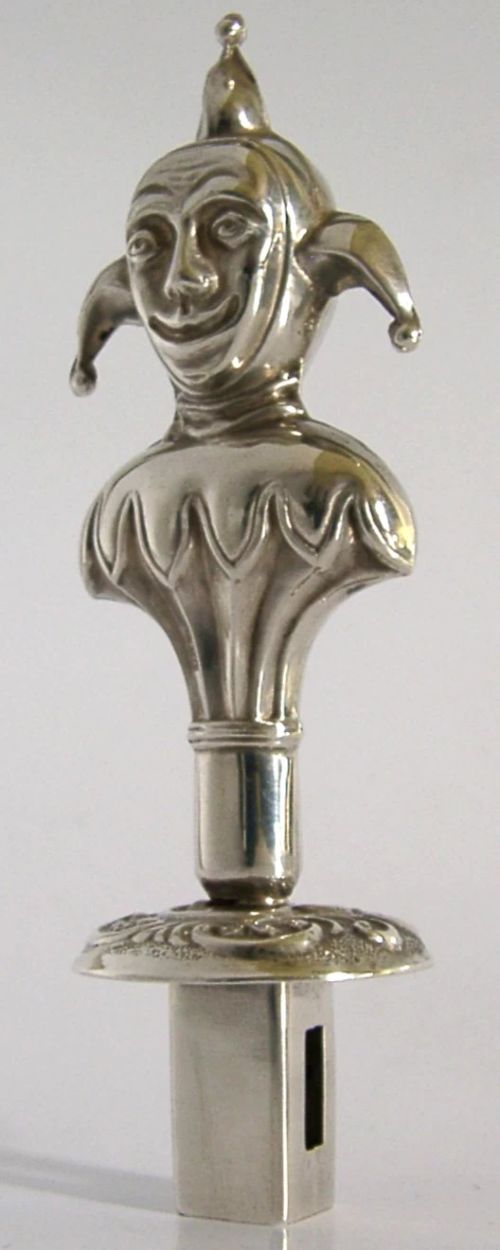
- A metal seal matrix used with melted sealing wax to close letters. Novelty versions often incorporate figural handles like jesters or hatching chicks.
Novelty Desk Accessories: Frequently Asked Questions
What were novelty desk accessories used for?
These items served practical daily functions in correspondence and administration while adding decorative character to the study. Inkwells held liquid ink, stamp cases stored postage, and paperweights kept loose bills in place.
Beyond basic utility, objects like wax sealers and letter openers brought a sense of theatre to the ritual of opening and sending mail. Each piece combined mechanics or sculpture with the routine work of the writing desk.
How do I identify Victorian pieces?
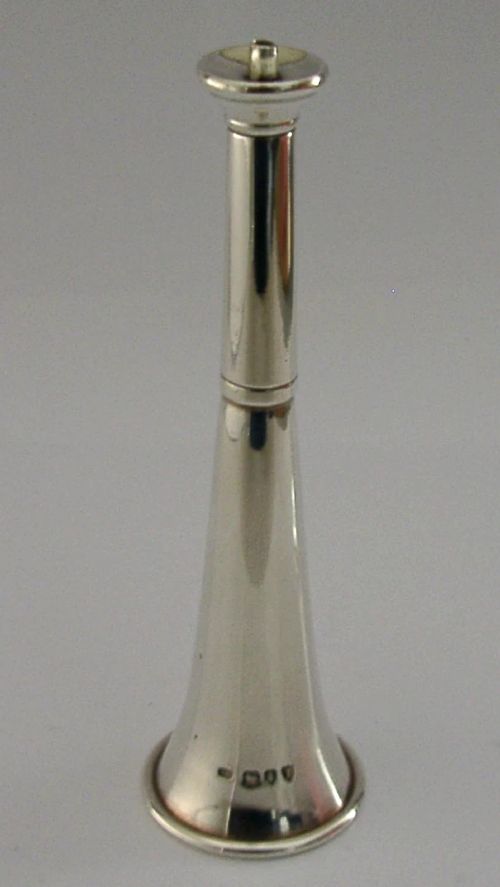
Victorian examples often feature heavy cast silver, intricate hand carving in wood or bone, and naturalistic taxidermy mounts. Stylistic cues draw heavily on flora, fauna, and sporting motifs such as fox hunting horns and horse hooves.
Silver pieces from this era carry hallmarks indicating the specific year of assay, allowing for precise dating. The weight and dense construction of nineteenth-century metals also point towards this earlier period.
Are these desk accessories still functional?
Many of these pieces remain entirely practical for modern use on a contemporary desk. Glass-lined inkwells can still hold ink, stamp cases accommodate modern stamps, and paper clips secure loose papers.
Collectors often choose to use them daily, appreciating the durable materials and clever mechanical designs that outlast modern stationery. Careful cleaning helps preserve moving parts and delicate surfaces during everyday handling.
What materials are most common?
Sterling silver and silver plate dominate the finer pieces, particularly those originating from Birmingham and London silversmiths. Cast bronze, brass and iron provide sturdy foundations for heavier paperweights and inkstands.
Organic materials such as wood, horn, tortoiseshell and mother-of-pearl appear frequently in carved animals, bookmarks and page turners. Glass elements are also common as removable liners inside inkwells and desk tidies.