





Northern Art Oil Painting
A northern art oil painting captures the industrial landscapes, coastal views, and portraits rooted in Britain and northern Europe across several centuries.
Northern Art Oil Painting
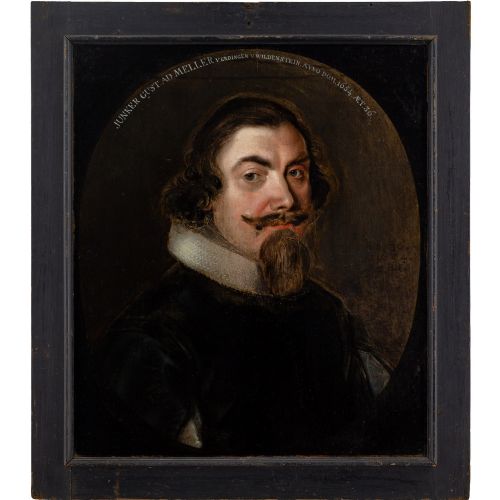
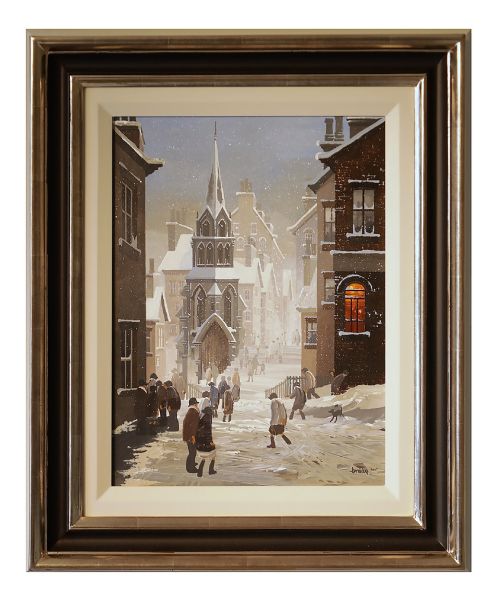
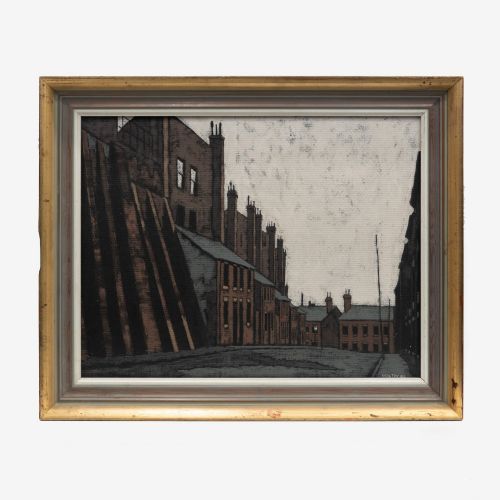
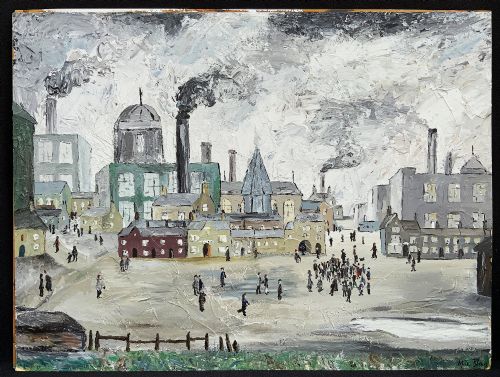
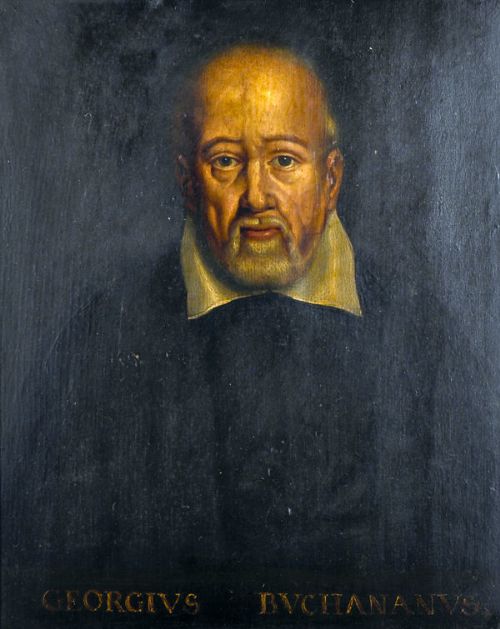
A northern art oil painting encompasses works ranging from seventeenth-century portraits to mid-twentieth-century industrial townscapes and rural street scenes.
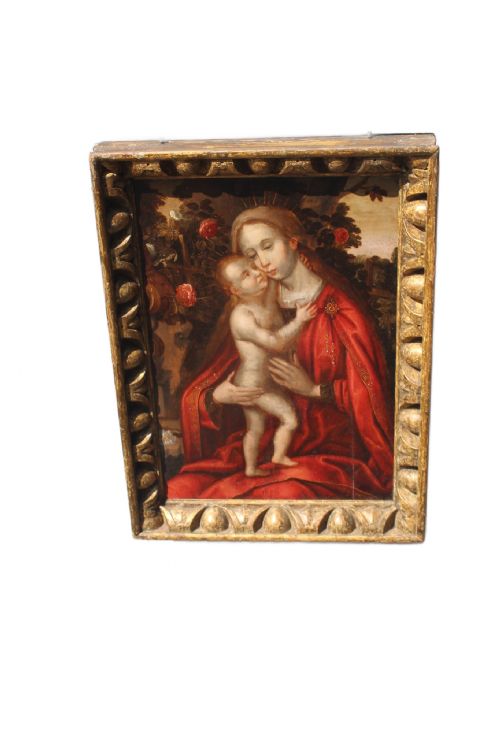
The pieces on this page span diverse schools including Northern Renaissance, Victorian, Modern British, and various regional European traditions.
Buyers frequently encounter mid-twentieth-century depictions of northern towns, alongside earlier portraits on canvas and wood panel.
Materials and methods
Artists painted primarily with oil pigments applied to stretched canvas, prepared wood panels, or sturdy boards.
Framing often incorporates gilt surrounds that complement the traditional subjects and darker palettes typical of the northern schools.
The listings on this page include works executed on canvas, wood panels, and boards, spanning from the seventeenth century through to the modern era.
Judging quality
Quality rests upon the confidence of brushwork, the handling of light within urban or domestic settings, and the structural integrity of the canvas or wood panel.
Works attributed to identified regional hands or possessing clear provenance command greater attention than anonymous school pieces.
Brian Shields Braaq·Stuart Walton·Fred Yates·Joachim Bueckelaer·Hans Holbein·Robert Lesley Howey·Ambrious Benson·Frank Shenton·Donald Wood·Frans Pourbus the Elder·H Kingsley·Arthur Delaney·John Falconer Slater·Gladys Hamilton Cooper
The Northern Art Oil Painting Glossary
- Oil paint
- A slow-drying medium made by combining pigments with drying oils such as linseed. This formulation allows artists to blend tones and build rich textures.
- Panel
- A rigid support for painting, commonly made of wood such as oak. Older works frequently utilise panels before canvas became standard.
- Townscape
- A painting depicting urban architecture, streets, and industrial buildings. These scenes often record the changing character of northern industrial centres.
- School
- A group of artists working in a similar style, region, or period, often sharing techniques. Attributions to a specific school indicate stylistic links rather than a named master.
Northern Art Oil Painting: Frequently Asked Questions
What subjects appear in these paintings?
The subjects range from seventeenth-century portraits of nobility and religious figures to industrial townscapes, street scenes, and coastal views.
Rural landscapes, domestic interiors, and botanical still lifes on wood panel also feature prominently across the different centuries.
How do I care for an oil painting?
Keep paintings away from direct sunlight, high humidity, and rapid temperature fluctuations to protect both the canvas and the oil pigments.
Dust the surface gently with a dry, soft brush and avoid using water or chemical cleaners on the paint layer.
How do I identify the period?
Examine the stretcher bars, canvas weave, and framing methods, as older works often display hand-planed wood or specific nail types.
Signatures, dates, and stylistic markers such as Victorian realism or mid-century industrial mannerisms provide further chronological clues.
Where were these pieces painted?
Many works originate from northern England, capturing industrial towns, northern ports, and local street scenes.
Other pieces derive from broader northern European traditions, including Dutch still lifes and seventeenth-century German portraiture.